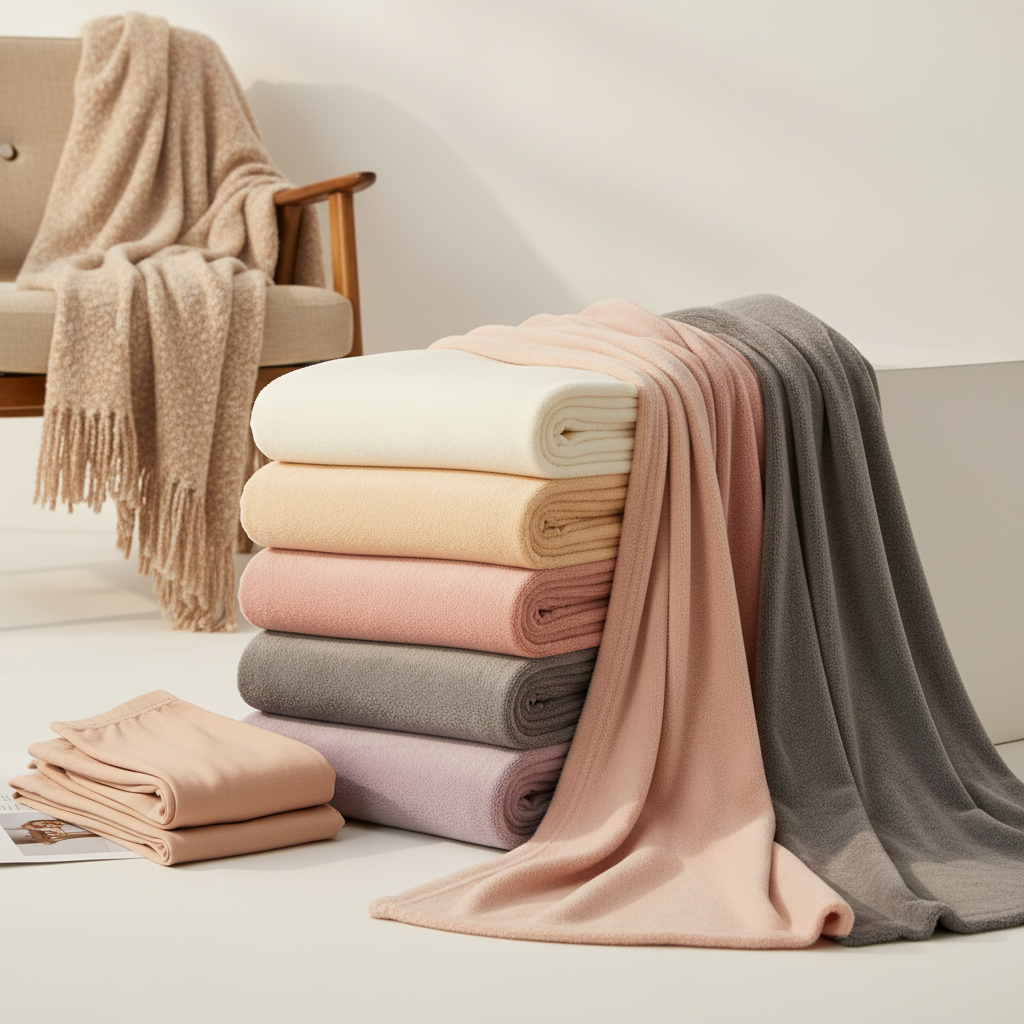

For B2B procurement managers and garment manufacturers, understanding the poly crepe fabric price requires a deep dive into both the material composition and the manufacturing complexity. Polyester crepe is valued for its distinctive pebbled texture and excellent drape, making it a staple for professional attire and high-end fashion. However, the cost is not a static number but a result of various technical variables that influence the final market value.
The textile industry operates on a complex intersection of raw polymer costs, weaving precision, and finishing techniques. In the context of large-scale production, the difference between a standard polyester weave and a high-grade crepe lies in the twist of the yarn and the tension of the loom. This technical nuance directly affects the durability, shrinkage, and visual appeal of the final product, which in turn dictates the pricing tiers offered by specialized mills.
This guide provides a comprehensive analysis of the factors that drive the valuation of these textiles. We will examine how raw material sourcing, factory infrastructure, and specific technical requirements influence the budget. By the end of this analysis, procurement officers will have a clearer framework for evaluating quotes and selecting suppliers based on total value rather than just the lowest nominal cost.
Understanding Polyester Crepe Value Drivers
The valuation of synthetic crepe is primarily driven by the "twist" and "tension" applied during the spinning and weaving processes. Unlike plain weaves, crepe requires high-twist yarns that create a microscopic crinkle effect. This process is energy-intensive and requires precise machinery to ensure consistency across thousands of meters. When analyzing the poly crepe fabric price, one must consider that the "crepe" effect is a functional engineered property, not just an aesthetic choice. High-quality crepe maintains its texture after washing and wearing, which is a result of superior heat-setting and chemical stability during production. Furthermore, the integration of spinning and weaving under one roof—as seen in advanced facilities like those in Hebei—allows for tighter control over yarn purity, reducing the presence of colored fibers and surface imperfections that typically lower the grade and price of lower-tier fabrics.
Commercial Analysis of Material Costs
Determining the final cost of polyester textiles involves a multi-layered calculation that balances raw material volatility with operational overhead and technical specifications. To provide a transparent view of why costs vary, we have broken down the primary commercial drivers below.
Raw Material Influence
The cost of chemical fibers is heavily tied to the petrochemical market. Using high-grade polymers from established producers like Sinopec ensures that the fiber has consistent tensile strength and dye affinity. Low-cost alternatives often lead to "streaking" or uneven dyeing, which increases the waste rate during garment cutting. The purity of the raw polymer is the foundation of the fabric's eventual market value.
| Material Grade | Impact on Quality | Cost Influence | Buyer Consideration |
|---|---|---|---|
| Virgin Polymer | High purity, consistent color | Premium | Best for high-end fashion |
| Recycled Poly | Variable tensile strength | Moderate | Eco-conscious lines |
| Blended TC Yarn | Balanced breathability | Competitive | Workwear and uniforms |
| Low-Grade Fiber | High pilling risk | Budget | Disposable garments |
| Sinopec Grade | Superior dye uptake | Stable/High | Consistent bulk orders |
| Industrial Grade | Coarser texture | Low | Lining and interfacing |
Yarn Quality & Spindle Density
The density of the yarn spinning process affects the uniformity of the crepe. Facilities utilizing a large number of spindles (e.g., 30,000+) can maintain a more stable production rhythm, reducing the variance between batches. High-twist yarn production requires specialized spinning parameters to prevent breakage while achieving the necessary elasticity for the crepe effect.
Weaving Technology Impact
The choice between shuttle looms and air jet looms significantly impacts the cost structure. Air jet looms offer higher efficiency and cleaner fabric surfaces, which is critical for crepe. A cleaner surface means fewer "slubs" or knots, resulting in a higher grade of fabric that commands a premium in the global market, particularly for clients like Walmart or Ikea.
Finish & Texture Requirements
The finishing stage—including scouring, bleaching, and heat-setting—is where the final hand-feel is determined. Achieving a "silky" yet "pebbled" touch requires precise temperature control. Any deviation in the heat-setting process can lead to shrinkage issues, which increases the risk and cost associated with the production run.
Customization & Volume Tiers
B2B pricing is heavily dependent on the order volume and the level of customization. Custom dye colors require separate vat setups and sampling phases, which adds to the initial cost. However, large-scale orders allow for the amortization of these setup costs, leading to a lower per-meter cost for high-volume buyers in regions like Southeast Asia or Africa.
Supply Chain Logistics
The geographic location of the mill relative to shipping hubs affects the landed cost. For example, factories located in industrial parks with convenient transportation can offer more competitive shipping rates. Logistics costs are a significant part of the total procurement budget for international buyers in the Middle East or Mid-South America.
Quality Assurance Costs
Rigorous quality control, including surface inspections and strength testing, adds a layer of cost but prevents expensive returns. Suppliers who control both spinning and weaving can detect defects earlier in the process, which actually lowers the overall cost by reducing the final scrap rate of the finished fabric.
FAQ
What primarily determines the cost of polyester crepe textiles?
The cost is primarily determined by the yarn twist level, the quality of the raw polymer, and the weaving technology used. High-twist yarns and air-jet weaving produce a more refined texture and cleaner surface, which increases the price compared to standard polyester weaves. Additionally, the scale of production and the specific finishing requirements (such as özel dye colors or heat-setting) play a significant role in the final quote.
How does the integration of spinning and weaving affect the final price?
Integrated production reduces the cost associated with transporting semi-finished yarn between different factories and minimizes the risk of contamination. More importantly, it allows for real-time quality adjustments. If the yarn tension is slightly off, the weaving team can adjust immediately, reducing waste. This operational efficiency often allows integrated mills to provide more competitive pricing without sacrificing fabric purity.
Why is there a price difference between CVC and 100% polyester crepe?
CVC (Chief Value Cotton) blends incorporate a higher percentage of cotton, which is generally more expensive than polyester and requires different spinning and dyeing processes. Cotton adds breathability and a softer hand-feel, which increases the value. 100% polyester is typically more cost-effective and offers better wrinkle resistance, making it a different value proposition depending on the end-use of the garment.
What should a buyer check to ensure they are getting fair value for their budget?
Buyers should request a technical specification sheet that includes the yarn count, the weight (gsm), and the weave density. They should also ask about the source of the raw materials. A low price may indicate the use of lower-grade polymers that could lead to color fading or pilling. Checking if the supplier serves major global brands is also a good indicator of consistent quality and fair commercial pricing.
Does the fabric width significantly impact the price per meter?
Yes, the width affects the loom setup and the amount of material used per linear meter. Standard widths (e.g., 44" or 58") are usually the most cost-effective because they match standard loom capacities. Custom widths may require slower production speeds or lead to more edge waste, which the supplier will likely factor into the pricing.
How do shipping destinations like Bangladesh or Korea influence the price?
While the factory price (FOB) remains the same, the total landed cost varies based on freight rates and import duties. Suppliers with experience shipping to these specific regions often have optimized logistics partnerships, which can indirectly lower the total cost for the buyer by reducing transit times and unexpected customs delays.
References and further reading
- International Textile Manufacturing Standards for Synthetic Crepes (2023).
- Global Polymer Market Analysis: The impact of petrochemical volatility on polyester pricing.
- Textile Engineering Journal: Comparison of Air-Jet vs. Shuttle Looms in Crepe Production.
Related Articles