
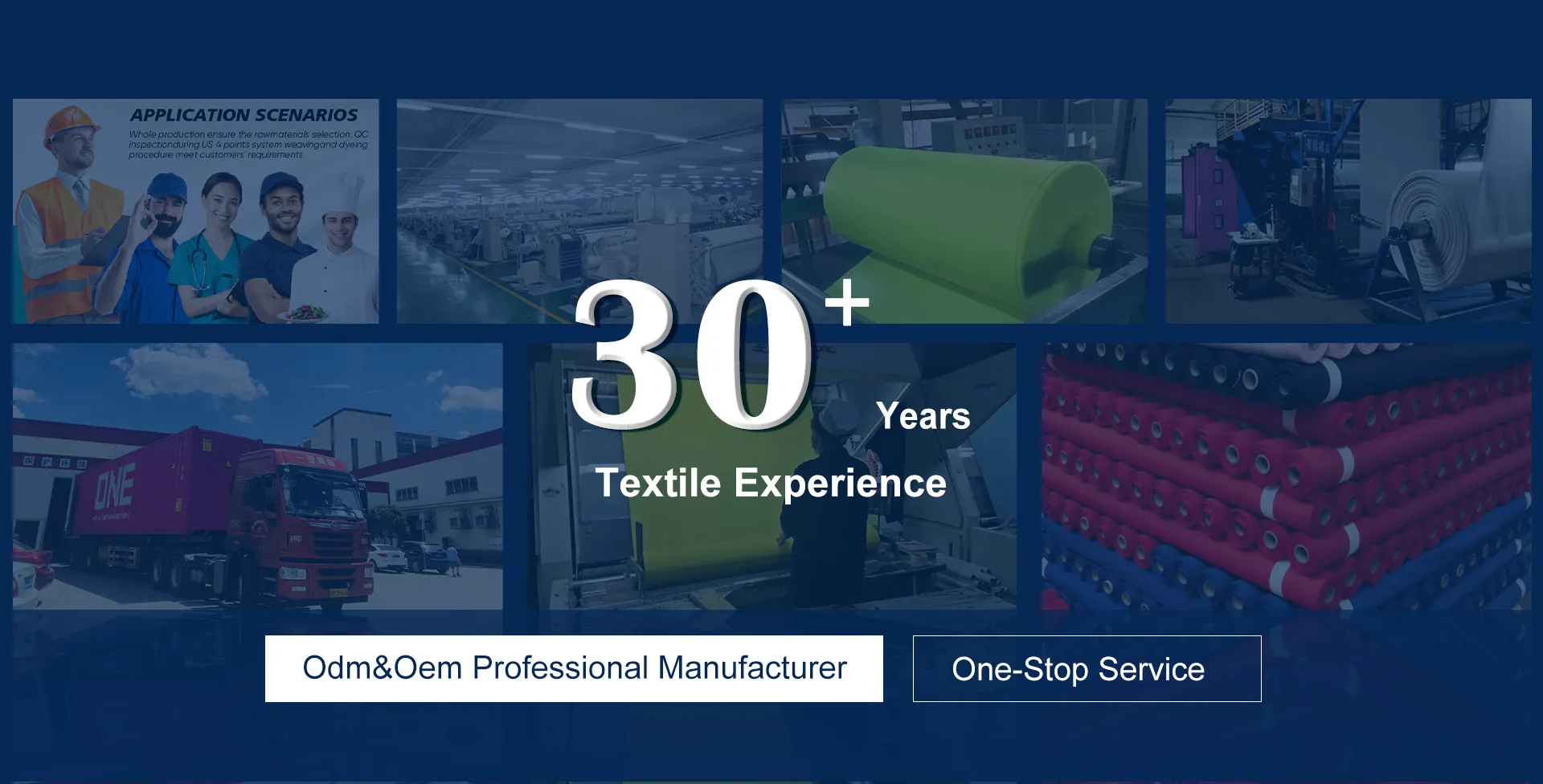
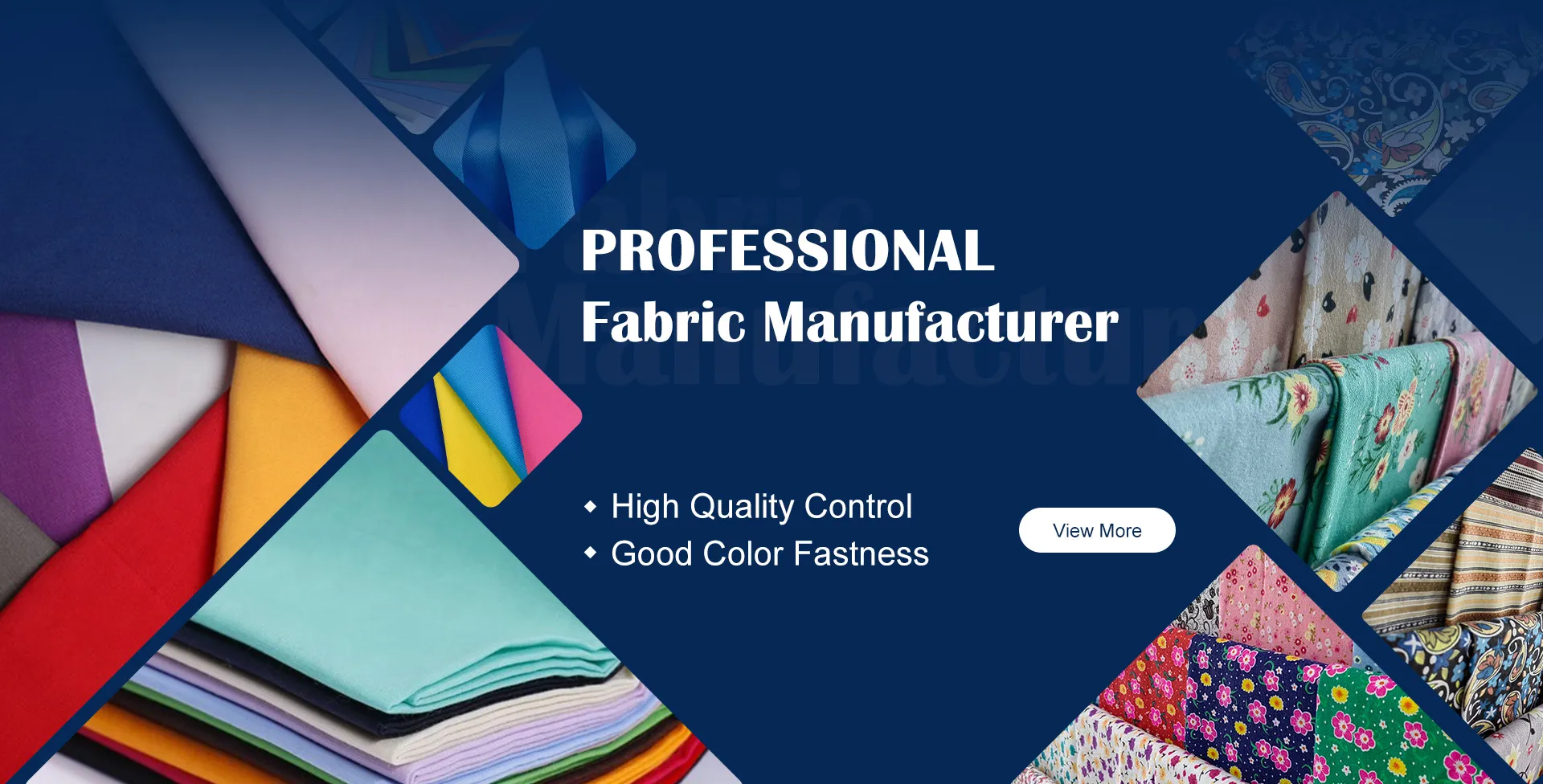
It is worthy mentioning that the raw material that we are always using is in high quality. For example, the cotton is from Xinjiang, and chemical fiber is from Sinopec. Because we both spinning and weaving by ourselves, we can control the quality of yarn and fabric, thus fabric surface looks cleaner, smooth, and no color fiber.
Polymers are widely used starting from household goods in everyday life to agricultural, industrial, medical, automobile, and cutting-edge new materials.
LOTTE Chemical supplies products stably to the market through vertical integration of raw materials and products and strives to develop new products that meet the users’ needs.
The basic petrochemicals are high value-added products used as raw materials in construction, home appliance,and textile industries. LOTTE Chemical has a vertically integrated,efficient production structure from raw materials to final products.
LOTTE Chemical manufactures high-strength and high-permeability hollow fiber membranes using its in-house developed technologies and has been expanding the market share with applications in sewage and wastewater facilities.
Hebei Bosswin
Hebei Bosswin Textile Technology Co., Ltd was established in 1998. The head office is located in Shijiazhuang, the capital city of Hebei Province. And our wholly-owned factory is located in Zhao County Industrial Park with convenient transportation. Our factory now owns 30,000 yarn spindles, mainly producing poly/cotton ( TC ) yarn, i.e. 90/10, 80/20, and 65/35. And also has more than 600 shuttle looms and 100 air jet looms, which is specializing in poly/cotton ( TC ) Fabrics


-
 Cotton is from Xinjiang
management Cotton is from Xinjiang
managementBecause we both spinning and weaving by ourselves, we can control the quality of yarn and fabric, thus fabric surface looks cleaner, smooth, and no color fiber.
View Details -
 High quality products
management High quality products
managementBecause we both spinning and weaving by ourselves, we can control the quality of yarn and fabric, thus fabric surface looks cleaner, smooth, and no color fiber.
View Details -
 Poly_cotton ( TC ) Fabrics
management Poly_cotton ( TC ) Fabrics
managementBecause we both spinning and weaving by ourselves, we can control the quality of yarn and fabric, thus fabric surface looks cleaner, smooth, and no color fiber.
View Details -
 Raw material
management Raw material
managementBecause we both spinning and weaving by ourselves, we can control the quality of yarn and fabric, thus fabric surface looks cleaner, smooth, and no color fiber.
View Details -
 Suppliers
management Suppliers
managementBecause we both spinning and weaving by ourselves, we can control the quality of yarn and fabric, thus fabric surface looks cleaner, smooth, and no color fiber.
View Details
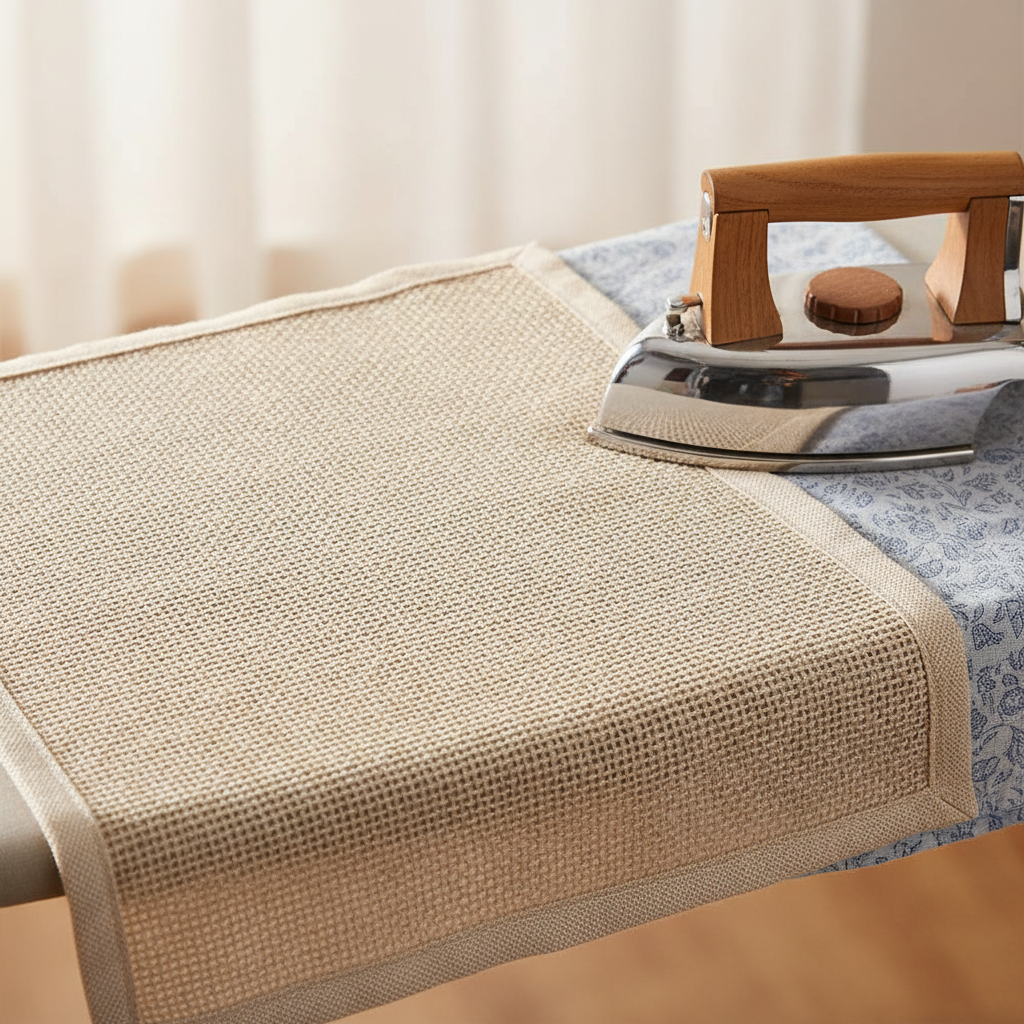
Achieving a crisp, store-bought look for your garments often requires more than just a hot iron; it requires the right protective layer. A pressing cloth is an essential tool in both professional tailoring and home garment care, acting as a barrier between the iron and the fabric. This simple piece of textile prevents unsightly iron shine, scorch marks, and fabric degradation. In this comprehensive guide, we will explore how to choose the right materials, the best techniques for application, and why this small investment can save your most expensive wardrobe pieces from permanent damage.

In the world of high-end fashion and interior textiles, the choice of material can define the success of a collection. premium poly crepe has emerged as a favorite for designers who seek a perfect balance between luxury aesthetics and practical durability. Known for its elegant drape and characteristic pebbled texture, this fabric offers a sophisticated alternative to silk while providing the resilience of synthetic fibers. Whether you are crafting flowing evening gowns or sharp professional attire, understanding the nuances of this textile is essential. In this comprehensive guide, we will explore why this material is a cornerstone of modern garment production
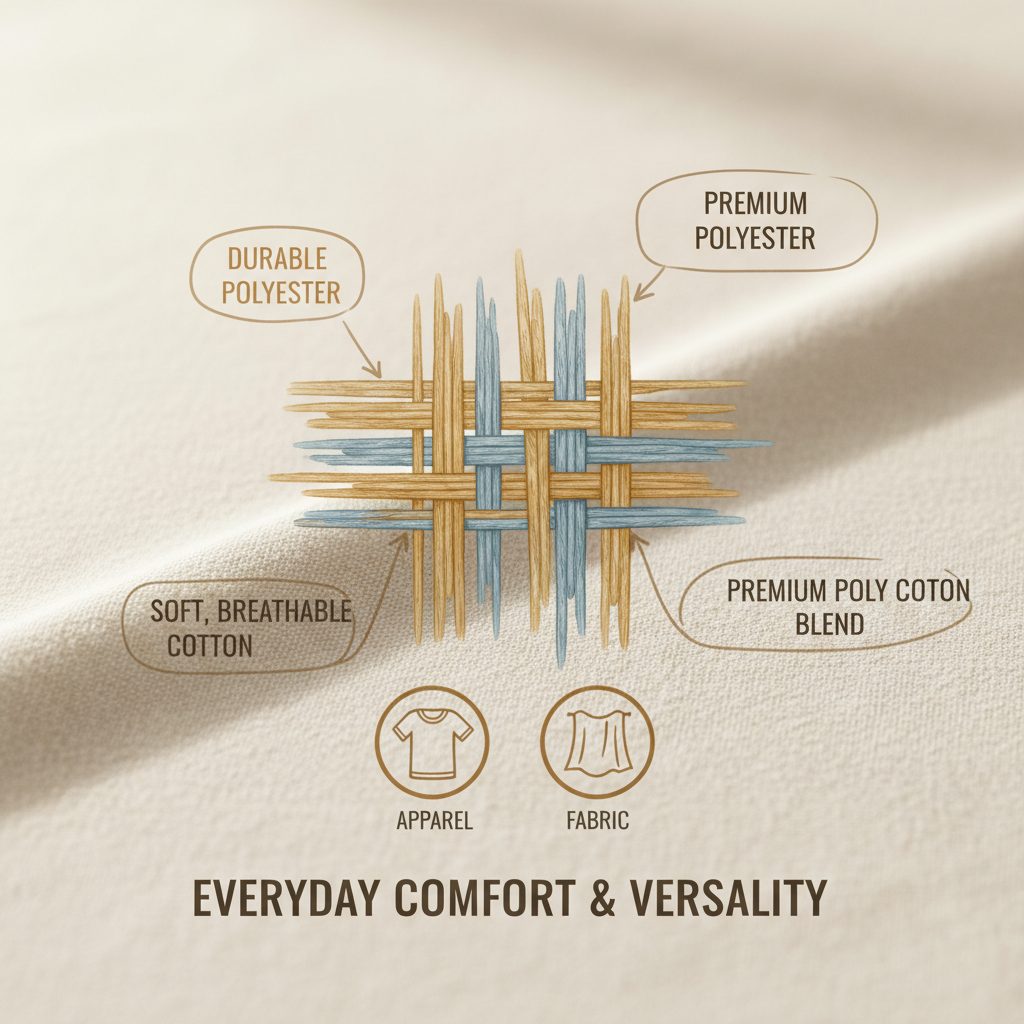
When it comes to fabric selection for clothing, upholstery, or industrial applications, premium poly cotton fabric offers a compelling blend of comfort, durability, and cost-effectiveness. This article will delve into the benefits, uses, and considerations when choosing this versatile material. We'll explore what makes it a preferred choice for a wide range of applications, from everyday apparel to demanding industrial textiles. Choosing the right fabric can significantly impact the quality, longevity, and overall performance of your finished products.