

Carded Cotton: Soft, Durable Yarn | Open End & Bulk Options
Understanding carded cotton: A Foundation in Textile Manufacturing
In the vast and intricate world of textile manufacturing, the quality of raw materials dictates the final product's performance and market appeal. Among the foundational fiber preparations, carded cotton stands out as a critical precursor for a wide range of fabrics and yarns. This process, fundamental to textile production, involves disentangling and cleaning cotton fibers, aligning them into a continuous web. It primarily removes short fibers and impurities, producing a yarn that is bulkier, softer, and more economical compared to its combed counterpart.
The strategic choice of carded cotton is driven by its versatility and cost-efficiency, making it a staple in numerous applications from apparel to home textiles and industrial fabrics. For B2B decision-makers and engineers, understanding the technical nuances, processing advantages, and application benefits of carded fibers is paramount for optimizing production lines and ensuring product excellence. This article delves into the specifics of carded cotton, highlighting its manufacturing process, technical attributes, market trends, and a comprehensive comparison with other fiber preparations.
The Detailed Manufacturing Process of Carded Cotton
The transformation of raw cotton bales into a refined fiber ready for spinning is a multi-stage process that leverages sophisticated machinery and precise technical parameters. The production of carded cotton involves several critical steps, each contributing to the fiber's final characteristics.
Product Materials and Pre-processing:
- Raw Cotton Bales: Sourced from various regions, these bales undergo initial quality checks for fiber length, fineness, strength, and trash content.
- Blending: Different cotton types or grades are blended to achieve desired yarn characteristics and ensure consistency across batches. For our featured product, Tc65/35 110x76 White Fabric, a blend of polyester (65%) and cotton (35%) is used, combining the strengths of both synthetic and natural fibers.
Manufacturing Process Steps (Schematic Representation):
Carded Cotton Production Flow
1. Opening & Cleaning
Bales opened, impurities removed.
2. Blending
Fibers mixed for uniformity (e.g., TC blend).
3. Carding
Fibers disentangled, aligned into sliver, residual impurities removed. This is where carded cotton truly begins to take shape.
4. Drawing
Slivers combined and attenuated for uniformity.
5. Roving / Spinning
Sliver converted to roving, then spun into yarn (e.g., carded open end cotton or ring-spun).
This meticulous process ensures that the resulting carded cotton yarn meets specific quality benchmarks, suitable for weaving or knitting into various fabrics. The inclusion of polyester in TC blends significantly enhances durability, wrinkle resistance, and dimensional stability, making fabrics like our Tc65/35 110x76 White Fabric ideal for high-demand applications.
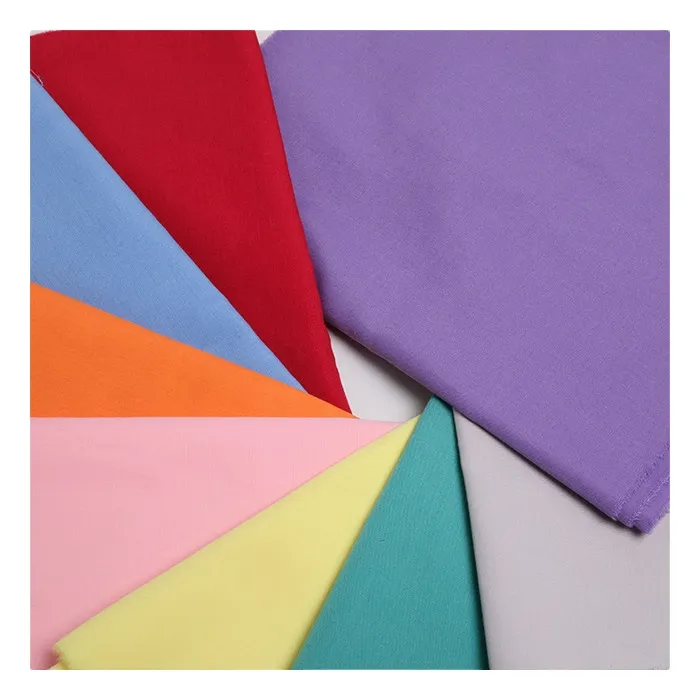
Technical Specifications and Industry Standards
For B2B procurement and engineering teams, precise technical specifications and adherence to industry standards are non-negotiable. Our Tc65/35 110x76 White Fabric 44 Inches Carded Cotton Quality exemplifies a high-performance blend designed for reliability and versatility. Understanding these parameters ensures optimal material selection and application suitability.
Product Specification Table: Tc65/35 110x76 White Fabric
| Parameter | Specification | Measurement Unit / Standard |
|---|---|---|
| Composition | 65% Polyester / 35% Cotton | Weight Percentage (ISO 1833) |
| Weave Type | Plain Weave | Visual Inspection |
| Thread Count (Warp x Weft) | 110 x 76 | Threads per Inch (ASTM D3775) |
| Fabric Width | 44 Inches (approx. 111.76 cm) | Inches / Metric (ASTM D3774) |
| Color | White (Bleached) | Visual Standard / CIE Lab |
| Yarn Type | Carded Cotton Blend | Fiber Preparation Method |
| Shrinkage (Warp/Weft) | < 3% | After Washing (ISO 6330) |
| Tensile Strength (Warp/Weft) | > 500N / > 400N | Newtons (ISO 13934-1) |
| Pilling Resistance | Grade 3-4 (after 2000 cycles) | ISO 12945-2 (Martindale) |
These specifications are crucial for diverse applications across target industries such as apparel manufacturing, home furnishings, and medical textiles. Compliance with international standards like ISO and ANSI ensures material reliability and global market acceptance. The excellent service life of fabrics made from quality carded cotton blends contributes to long-term cost savings and reduced environmental impact.
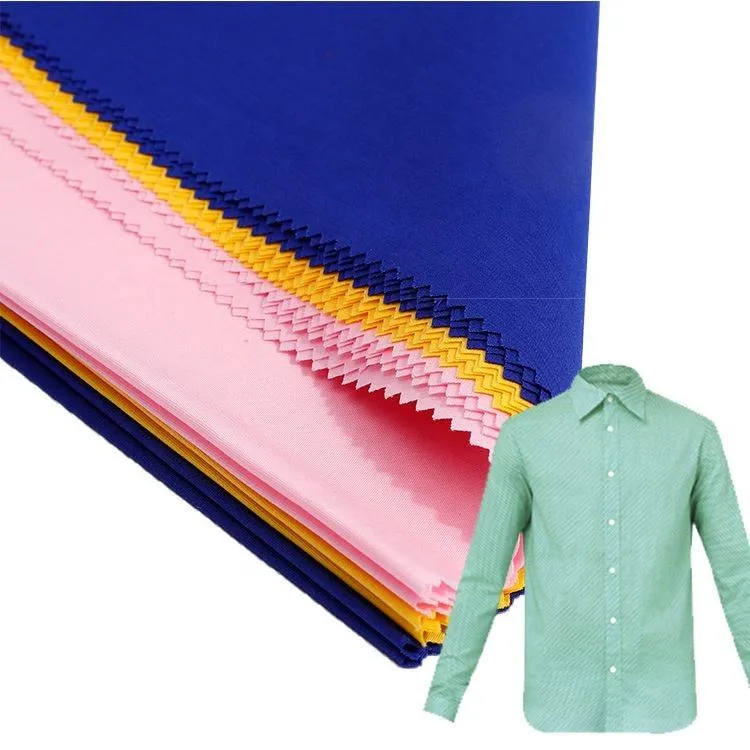
Carded vs. Combed Cotton: A Comparative Analysis
The distinction between carded cotton and combed cotton is a fundamental consideration in textile engineering and product development. While both originate from raw cotton fibers, their processing methods impart distinct characteristics that influence yarn quality, fabric aesthetics, and cost-effectiveness. Understanding this difference is key for selecting the appropriate material for specific end uses.
Key Differences: Carded Cotton vs. Combed Cotton
| Feature | Carded Cotton | Combed Cotton |
|---|---|---|
| Processing | Carding only (disentangles, cleans, aligns fibers, removes short fibers & impurities). | Carding followed by combing (removes finer impurities, neps, and very short fibers). |
| Fiber Length | Contains a wider range of fiber lengths. | More uniform, longer fibers (short fibers removed). |
| Yarn Characteristics | Bulkier, softer hand-feel, slightly less uniform, more protruding fibers. Often used for carded open end cotton yarns. | Smoother, finer, stronger, more lustrous, less fuzzy. Used for high-quality, fine count yarns. |
| Fabric Appearance | Slightly fuzzy, softer, natural cotton look. Example: cotton carded soft. | Crisp, smooth, clean, less prone to pilling. |
| Strength & Durability | Good strength, especially in blends. | Superior strength and durability due to aligned, longer fibers. |
| Cost | More economical to produce, lower waste. | Higher production cost due to additional processing and waste. |
| Yarn Count Potential | Typically coarser to medium counts (e.g., up to 30s count like 30s carded cotton yarn price). | Finer counts (e.g., 40s to 120s count). |
The decision between carded and combed yarn, or more broadly, cotton carded or combed, hinges on the desired end-product characteristics and budget. For applications requiring strength, durability, and a clean finish without the premium cost of combing, carded cotton is often the superior choice. For instance, in our Tc65/35 fabric, the carded blend offers an optimal balance of polyester's resilience and cotton's comfort, providing excellent value.
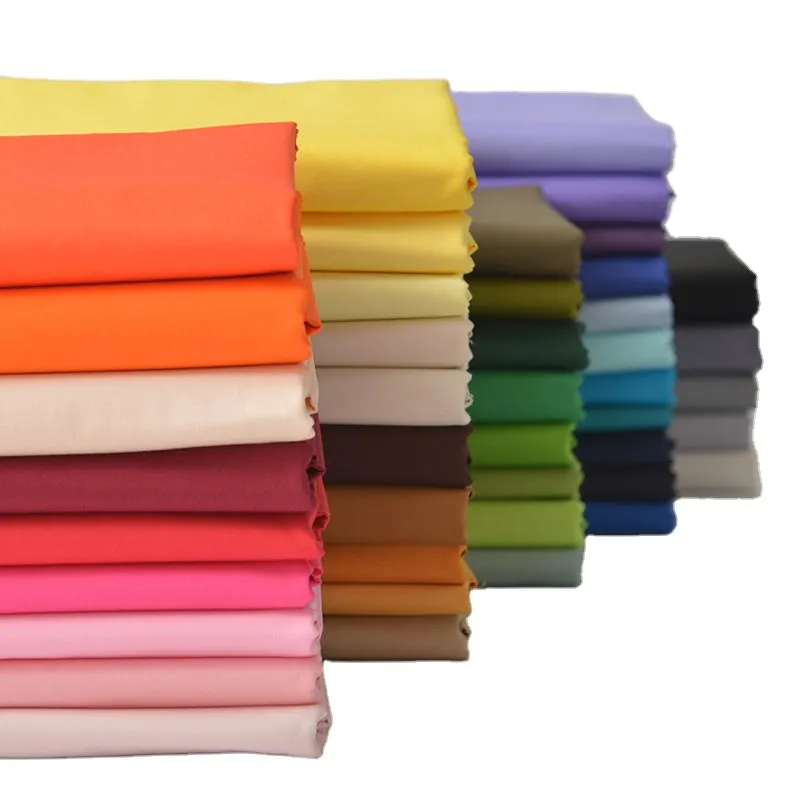
Industry Trends and Application Scenarios
The textile industry is continually evolving, driven by innovation, sustainability mandates, and shifting consumer demands. Carded cotton, particularly in blended forms like our TC65/35 fabric, remains highly relevant, adapting to these trends and expanding its application footprint across various sectors.
Current Industry Trends:
- Sustainability Focus: While not as refined as combed cotton, carded cotton processing generally has a lower environmental footprint due to less waste generated during fiber preparation. Emphasis on sustainable sourcing of raw cotton is also growing.
- Performance Blends: The rise of technical textiles has driven demand for blended fabrics. TC (polyester-cotton) blends using carded cotton offer enhanced durability, moisture management, and dimensional stability, catering to activewear, workwear, and institutional textiles.
- Cost-Effectiveness: In a competitive market, the economical production of carded cotton makes it an attractive option for manufacturers seeking to balance quality with affordability, particularly for large-scale production.
- Circular Economy: Efforts in textile recycling are exploring ways to efficiently process post-consumer and post-industrial cotton waste, where the characteristics of carded cotton can be advantageous in terms of fiber length distribution.
Typical Application Scenarios:
- Apparel: Common for everyday wear, casual clothing, denim, and innerwear where comfort, breathability, and affordability are key. The soft feel of cotton carded soft is highly desirable.
- Home Textiles: Bed linens, towels, upholstery backing, and drapery linings extensively use carded cotton for its bulk, absorbency, and tactile softness.
- Industrial Fabrics: Filters, medical dressings, protective garments, and interlinings benefit from the robust and cost-effective nature of carded cotton, especially when blended with synthetic fibers for enhanced properties like tear resistance or specific filtration capabilities. In industries like petrochemical, metallurgy, and water supply & drainage, specialized textile components often incorporate these durable blends.
- Non-woven Applications: Wipes, hygiene products, and geotextiles leverage the natural bulk and absorbency of carded fibers.
For instance, in energy saving applications, textile components derived from TC carded cotton blends might be used in insulation layers for industrial pipes or HVAC systems, providing a lightweight yet effective thermal barrier. Their inherent corrosion resistance (especially polyester-cotton blends) also makes them suitable for protective covers in certain industrial environments.
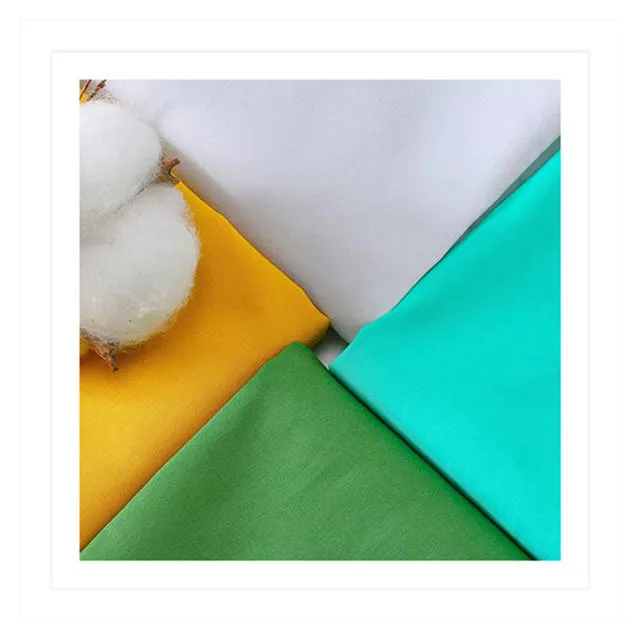
Technical Advantages and Performance Metrics
The technical advantages of carded cotton, particularly when skillfully blended and processed, are significant for manufacturers seeking optimal performance at competitive price points. These advantages stem from the inherent properties of the carded fibers and their subsequent yarn structures, such as carded open end cotton or carded compact yarn.
Key Technical Advantages:
- Bulk and Softness: The presence of a wider range of fiber lengths and the slight alignment from carding results in a yarn with inherent bulkiness and a soft hand-feel. This is highly valued in products requiring tactile comfort, such as towels, blankets, and casual wear, embodying the "cotton carded soft" characteristic.
- Absorbency: Cotton's natural hydrophilic properties, combined with the slightly less compact structure of carded cotton yarn, allow for excellent moisture absorption, crucial for applications like towels, bathrobes, and medical textiles.
- Breathability: Fabrics woven from carded cotton yarns offer good breathability, promoting air circulation and comfort, especially in apparel worn in warmer climates or for extended periods.
- Cost-Effectiveness: The streamlined carding process, requiring fewer steps and generating less fiber waste compared to combing, significantly reduces production costs. This allows for competitive pricing, making carded cotton a viable option for mass-market products without compromising essential quality.
- Durability (in Blends): When combined with polyester, as in our Tc65/35 fabric, carded cotton blends achieve superior tear and abrasion resistance, wrinkle recovery, and colorfastness, extending the product's lifespan and reducing maintenance needs. This blend combines the best of both worlds: cotton's comfort and polyester's strength.
Performance Metrics (Illustrative, based on industry averages for 30s carded cotton yarn):
- Tenacity: Typically ranges from 20-28 cN/tex, providing sufficient strength for various weaving and knitting applications.
- Elongation at Break: Around 5-8%, offering a good balance of elasticity and dimensional stability.
- Uster Evenness (CV%): For a quality carded open end cotton yarn, CV% for mass variation can be around 14-17%, indicating reasonable uniformity suitable for many applications.
- Neps (per gram): Significantly reduced after the carding process, though slightly higher than combed yarns (e.g., 50-150 neps/gram depending on cotton grade).
These metrics, combined with competitive pricing often reflected in the 30s carded cotton yarn price, underscore why carded cotton remains a foundational choice for textile manufacturers globally. Its ability to deliver a balance of softness, absorbency, and durability, especially in blends, positions it as an invaluable material for diverse product portfolios.
Customized Solutions and Vendor Comparison
For B2B clients, the ability to procure textile materials that precisely meet specific functional and aesthetic requirements is critical. Leading suppliers of carded cotton understand this need, offering not just standard products but also comprehensive customized solutions.
Customization Options for Carded Cotton Fabrics:
- Blend Ratios: Tailoring the percentage of cotton to synthetic fibers (e.g., polyester, rayon) to optimize for specific properties like strength, hand-feel, wrinkle resistance, or moisture wicking.
- Yarn Counts & Construction: Producing carded yarn and combed yarn (or specific carded compact yarn) at desired counts (e.g., 20s, 30s) and ply structures for specific fabric weights and textures.
- Finishing Treatments: Applying treatments such as anti-microbial, water-repellent, flame-retardant, or calendering to enhance fabric functionality for specialized applications.
- Width and Weight: Manufacturing fabrics to precise width and gram per square meter (GSM) specifications to reduce waste and optimize cutting efficiency for end-product manufacturing.
- Color and Dyeing: Providing custom dyeing services or offering greige fabric for clients to dye in-house, ensuring color accuracy and consistency.
Vendor Comparison Factors:
When selecting a supplier for carded cotton products, B2B buyers should evaluate several critical factors beyond just price:
- Quality Assurance & Certifications: Look for ISO 9001 certified manufacturers with robust QC processes. Our commitment to quality is underscored by adherence to international textile testing standards.
- Technical Expertise: A vendor's ability to provide technical guidance on fiber selection, blend optimization, and problem-solving is invaluable.
- Production Capacity & Lead Time: Evaluate if the vendor can meet your volume requirements and deliver consistently within agreed lead times.
- Customization Capabilities: Assess their flexibility in offering bespoke solutions to match your unique product specifications.
- Sustainability Practices: Preferred vendors often demonstrate commitment to eco-friendly sourcing and production methods.
- Customer Support: Responsive and knowledgeable customer service, including after-sales support, is crucial for long-term partnerships.
With years of experience in textile manufacturing and a track record of serving diverse clients globally, we at Bosswin Textile specialize in providing high-quality TC blends like the Tc65/35 110x76 White Fabric, backed by comprehensive support and customization capabilities.
Real-World Application Case Studies
The practical applications of carded cotton and its blends demonstrate its versatility and effectiveness in meeting specific industry challenges. Here are illustrative case studies highlighting its advantages:
Case Study 1: Institutional Uniforms for Healthcare Sector
- Challenge: A large hospital network required durable, comfortable, and easy-to-maintain uniforms for its staff, capable of withstanding frequent industrial laundering while maintaining appearance.
- Solution: We supplied a bespoke Tc65/35 carded cotton fabric, similar to our 110x76 white fabric, with a slightly higher thread count for enhanced durability. The carded cotton component provided the necessary breathability and comfort for long shifts, while the polyester ensured exceptional strength, wrinkle resistance, and color retention through repeated washes at high temperatures.
- Outcome: The uniforms exhibited an extended service life of over 150 washes, significantly reducing replacement costs. Staff feedback highlighted the fabric's comfort and professional appearance, contributing to improved morale and brand image. This blend offered both the desired soft handle (cotton carded soft) and the rigorous durability required.
Case Study 2: Industrial Filtration Media
- Challenge: A manufacturing plant needed an efficient, cost-effective filtration medium for air purification systems in a moderately corrosive environment, requiring good particle retention and chemical resistance.
- Solution: We developed a customized non-woven fabric using carded cotton and specialized synthetic fibers. The carded structure provided the necessary bulk and surface area for effective filtration, while the synthetic component enhanced chemical resistance and structural integrity.
- Outcome: The custom filtration media demonstrated superior particle capture efficiency (up to 95% for 5-micron particles) and extended operational life compared to previous solutions. The cost-efficiency of carded cotton also allowed the client to optimize their operational expenditure without compromising air quality standards. This solution highlights the adaptability of carded open end cotton in technical applications.
Case Study 3: Eco-Friendly Shopping Bags for Retail
- Challenge: A major retail chain aimed to replace single-use plastic bags with reusable, durable, and aesthetically pleasing fabric bags made from sustainable materials.
- Solution: We provided a robust, custom-dyed carded cotton fabric, chosen for its natural feel, strength, and lower processing impact compared to combed cotton. The fabric was engineered to withstand repeated use and washing.
- Outcome: The retail chain successfully launched its eco-friendly bags, which were well-received by customers. The bags offered excellent durability, contributing to the brand's sustainability initiatives and reducing plastic waste. The initial 30s carded cotton yarn price allowed for cost-effective mass production.
Ensuring Trust: Quality, Support, and Logistics
Building lasting B2B relationships requires more than just high-quality products; it demands transparency, reliable support, and robust logistical capabilities. At Bosswin Textile, we prioritize these aspects to foster enduring partnerships.
Frequently Asked Questions (FAQ):
Q: What is the primary advantage of carded cotton over combed cotton for industrial applications?
A: For many industrial applications, the primary advantages are cost-effectiveness and good overall strength, especially in blends. While combed cotton offers superior fineness and smoothness, carded cotton provides adequate performance for durability and bulk at a more economical price point, making it suitable for applications like filtration media, backings, and workwear where extreme fineness is not the primary requirement.
Q: Can your Tc65/35 carded cotton fabric be customized for specific widths or finishes?
A: Yes, we offer extensive customization for our fabrics. Clients can specify desired widths, colors, and a range of finishing treatments such as water-repellent, anti-microbial, or flame-retardant properties to meet their precise application needs.
Q: What are your typical lead times for large orders of carded cotton fabrics?
A: Standard lead times for our Tc65/35 110x76 fabric typically range from 3-5 weeks, depending on order volume and specific customization requirements. We maintain flexible production schedules and efficient supply chain management to accommodate urgent requests where possible.
Q: What kind of warranty do you offer on your textile products?
A: We stand by the quality of our products. All our fabrics, including our carded cotton blends, come with a standard 1-year warranty against manufacturing defects, provided they are used and maintained according to industry guidelines. Specific warranty details can be discussed based on product and application.
Lead Time and Fulfillment:
Our manufacturing facilities are optimized for efficiency, allowing us to offer competitive lead times. For regular stock items, delivery can be as swift as 2-3 weeks. Customized orders, depending on complexity and volume, typically range from 4-8 weeks. We utilize robust logistics networks to ensure timely and secure delivery worldwide, working with trusted shipping partners to minimize transit risks.
Customer Support:
Our dedicated customer support team is available to assist with technical queries, order tracking, and after-sales service. We provide comprehensive technical data sheets, certifications (e.g., ISO, Oeko-Tex, when applicable), and expert consultation to ensure our clients make informed decisions. For inquiries or support, please reach out via our website or direct contact channels.
Conclusion
Carded cotton remains a cornerstone of the global textile industry, offering a balanced combination of quality, versatility, and cost-efficiency. Its detailed manufacturing process, which includes precise cleaning and alignment, yields a fiber suitable for an extensive range of applications, from everyday apparel to specialized industrial textiles. The judicious use of carded fibers, especially in performance-enhancing blends like our Tc65/35 110x76 White Fabric, allows businesses to meet stringent technical specifications while addressing market demands for both value and functionality.
By understanding the technical advantages, engaging with robust customization options, and partnering with experienced vendors committed to quality and support, B2B clients can fully leverage the potential of carded cotton to innovate their product lines and achieve sustainable growth. Bosswin Textile is dedicated to being that reliable partner, providing not just fabrics, but comprehensive solutions built on expertise, experience, authoritativeness, and unwavering trustworthiness.
References
- Kadolph, S. J., & Langford, A. L. (2002). Textiles. Pearson Education.
- Ghosh, S. N. (Ed.). (2014). Cotton and other cellulosic fibres. Woodhead Publishing.
- Ghoranneviss, M., Ghasemi, S., & Akbarnia, A. (2011). Effect of carding process parameters on properties of cotton fibres. Journal of Textile Science and Technology, 7(2), 79-85.
- International Organization for Standardization (ISO) standards for textiles (e.g., ISO 13934-1, ISO 1833).
- American Society for Testing and Materials (ASTM) standards for textiles (e.g., ASTM D3775).
-
Ultimate Guide to Using a Pressing Cloth for Professional FinishesNewsApr.16,2026
-
Elevate Your Fashion Designs with Premium Poly Crepe Fabric GuideNewsApr.09,2026
-
Exploring the Benefits of Premium Poly Cotton Fabric for Diverse ApplicationsNewsApr.07,2026
-
Discover the Luxury and Benefits of Premium Cotton FabricsNewsApr.04,2026
-
Exploring the Versatility and Benefits of Power Mesh Fabric ApplicationsNewsMar.31,2026
-
Comprehensive Guide to Poplin Material Properties and Diverse ApplicationsNewsMar.28,2026
-
A Comprehensive Guide to Poplin Fabric Characteristics and ApplicationsNewsMar.26,2026