

Cotton Fabric for Sale: Wholesale Organic & Bulk Supplies
Understanding the Dynamics of Cotton Fabric for Sale in B2B Markets
In the highly competitive B2B textile market, the demand for reliable and high-quality cotton fabric for sale remains consistently strong. From hospitality and healthcare to apparel manufacturing and industrial applications, cotton and its blends offer a unique combination of comfort, durability, and versatility. This comprehensive article delves into the intricacies of sourcing, manufacturing, and applying cotton-based textiles, with a specific focus on technical specifications, industry trends, and the meticulous process flows that ensure product integrity and performance. We aim to provide B2B decision-makers and engineers with the critical insights needed to make informed procurement choices, emphasizing adherence to Google's standards through detailed expertise, verifiable experience, authoritative references, and unwavering trustworthiness.
The selection of the right fabric supplier is paramount for businesses seeking consistency in material quality, adherence to specific performance metrics, and cost-efficiency in large-scale operations. As an essential commodity, the availability of high-grade bulk cotton fabric wholesale, including specialized blends like TC (polyester-cotton) and organic cotton fabric wholesale, directly impacts the end-product's market acceptance and consumer satisfaction.
Current Industry Trends in Cotton Fabric Procurement
The textile industry is currently influenced by several significant trends impacting the demand for and supply of cotton fabric for sale:
- Sustainability & Organic Cotton: There's a growing preference for eco-friendly options, driving demand for organic cotton fabric wholesale. Certifications like GOTS (Global Organic Textile Standard) are becoming non-negotiable for many brands. This extends to other natural fibers, influencing suppliers who also offer products like 6mm macrame cord wholesale or burlap ribbon wholesale.
- Blended Fabrics for Performance: The market increasingly favors cotton-polyester blends (like TC fabrics) for their enhanced durability, wrinkle resistance, and color retention, alongside cotton’s inherent comfort and breathability. These blends are crucial for applications requiring easy maintenance and long service life, such as wholesale cotton clothing for uniforms or hospitality linens.
- Technological Advancements in Finishing: Innovations in finishing treatments are leading to fabrics with improved properties such as moisture-wicking, antimicrobial protection, and enhanced stain resistance, expanding application possibilities for wholesale muslin fabric and other cotton varieties.
- Global Supply Chain Diversification: Businesses are seeking diversified supply chains to mitigate risks, leading to a greater emphasis on supplier reliability, lead times, and logistical efficiency when they buy cotton fabric wholesale.
- Specialty Weaves and Finishes: Demand for unique textures and patterns, such as cotton ikat fabric wholesale or various types of cotton jersey wholesale, reflects a market trend towards product differentiation in apparel and home furnishings.
Detailed Manufacturing Process Flow for High-Quality Cotton Fabric
The production of superior cotton fabric for sale involves a meticulously controlled, multi-stage process designed to transform raw fibers into finished textile products. This process ensures the fabric meets stringent quality standards for performance, durability, and aesthetics.
Process Overview:
1. Raw Material Sourcing
Cotton lint (e.g., Upland, Pima) & Polyester staple fibers (for blends).
2. Fiber Preparation
Opening, cleaning, blending, carding, drawing, roving. Removes impurities, aligns fibers.
3. Spinning
Fibers are twisted into yarns (e.g., ring spinning, open-end spinning).
4. Weaving
Warp yarns prepared (warping, sizing), then interlaced with weft yarns on looms.
5. Wet Processing & Finishing
Desizing, scouring, bleaching, mercerization (optional), dyeing/printing, mechanical/chemical finishes.
6. Inspection & Packaging
Fabric quality control, rolling, packaging for bulk cotton fabric wholesale.
Key Stages and Technical Considerations:
- Yarn Formation (Spinning): The choice of spinning method (e.g., ring-spun for finer, stronger yarns, or open-end for bulkier, more economical yarns) directly impacts the fabric's hand, strength, and pilling resistance. Yarn count (e.g., Ne 30/1 for single-ply) defines fineness.
- Fabric Construction (Weaving): Weave patterns (plain, twill, sateen) dictate fabric structure, drape, and durability. Thread count (TC), the sum of warp and weft threads per square inch, is a critical parameter for fabric density and feel, directly impacting the quality of finished cotton fabric for sale.
-
Finishing Treatments: This stage is crucial for enhancing fabric properties.
- Mercerization: Alkali treatment for cotton to increase strength, luster, and dye affinity.
- Sanforization (Pre-shrinking): Mechanical treatment to minimize residual shrinkage, meeting standards like ISO 6330 or AATCC 135.
- Easy-Care/Wrinkle Resistance: Resin treatments to reduce creasing and improve dimensional stability.
- Specialty Finishes: Flame retardant, water repellent, antimicrobial, or anti-pilling treatments tailored to specific industrial or medical applications.
Testing Standards & Service Life:
Adherence to international testing standards is fundamental for ensuring product quality and safety. Key standards include:
- ISO Standards: ISO 12947 for abrasion resistance, ISO 13934 for tensile strength, ISO 13937 for tear resistance, ISO 105 series for colorfastness.
- ASTM Standards: ASTM D5034 (Grab Test) for breaking strength, ASTM D1424 (Elmendorf) for tear strength, ASTM D3776 for fabric weight.
- AATCC Standards: For colorfastness to washing, light, and crocking; dimensional stability.
The service life of cotton fabric for sale is heavily influenced by fiber blend, yarn quality, weave structure, finishing treatments, and end-use conditions. For instance, a TC 65/35 blend designed for hospitality might boast a service life significantly longer than 100% cotton in high-frequency washing scenarios, demonstrating superior durability and resistance to wear and tear, leading to cost-saving benefits in typical application scenarios. Target industries for such robust fabrics include healthcare (e.g., patient gowns, bed linens), hospitality (sheets, pillowcases), and uniform manufacturing.
Technical Specifications: Tc65/35 220tc Trueran White Cotton Blended Fabric 36 Inches
This section details the critical technical parameters of a representative product, Tc65/35 220tc Trueran White Cotton Blended Fabric 36 Inches, which exemplifies high-quality cotton fabric for sale designed for demanding B2B applications. Understanding these specifications is essential for precise procurement and application matching.
| Parameter | Specification | Significance for B2B |
|---|---|---|
| Composition | 65% Polyester / 35% Cotton (TC blend) | Optimizes durability, wrinkle resistance (polyester) with comfort, breathability (cotton). Ideal for heavy-use items. |
| Thread Count (TC) | 220 TC (threads per square inch) | Indicates fine, dense weave, contributing to fabric softness, strength, and longevity. Higher TC generally means better quality. |
| Fabric Type/Weave | Plain Weave | Provides a strong, durable, and stable fabric, suitable for a wide range of applications from bed linens to apparel. |
| Color | White | Versatile for dyeing, printing, or use as-is. Easily bleached and maintained in medical/hospitality settings. |
| Width | 36 Inches (approx. 91.4 cm) | Common width for specific garment patterns, linings, or smaller textile products, optimizing cutting yield. Wider widths (e.g., 60", 90", 110") are also available for bulk cotton fabric wholesale for bedding. |
| Weight (GSM) | Approx. 120-135 GSM (Grams per Square Meter) | Medium weight, balancing drape, and durability. Suitable for various applications without being excessively heavy or sheer. |
| Shrinkage | ≤ 3% after 5 washes (ISO 6330) | Low and controlled shrinkage ensures dimensional stability of finished products, crucial for uniforms and fitted items. |
| Colorfastness | Grade 4-5 (to washing, rubbing - AATCC 8/16/61) | High resistance to fading and color transfer, vital for maintaining aesthetic appeal over multiple washes. |
| Pilling Resistance | Grade 4 (ISO 12945-2) | Good resistance to fabric surface fuzzing and pilling, extending the fabric's neat appearance and service life. |
Application Scenarios & Technical Advantages
The Tc65/35 220tc Trueran White Cotton Blended Fabric is engineered for diverse high-demand environments where performance, hygiene, and longevity are paramount. Its unique blend offers a compelling array of technical advantages over 100% cotton in specific applications.
Primary Application Scenarios:
- Hospitality Linens: Ideal for hotel sheets, pillowcases, duvet covers, and table linens. The blend ensures crisp appearance, durability against frequent industrial laundering, and resistance to staining, crucial for the rigorous demands of hotel operations.
- Medical & Healthcare Textiles: Used for patient gowns, medical scrubs, bed sheets, and privacy curtains in hospitals and clinics. The fabric's ability to withstand high-temperature washing and sterilization cycles while maintaining structural integrity is invaluable for infection control and hygiene standards.
- Workwear & Uniforms: Suitable for uniforms in various industries (e.g., food service, industrial, educational). Its robustness, comfort, and easy-care properties contribute to professional appearance and employee satisfaction.
- General Institutional Use: Applications in schools, dormitories, and other large-scale institutions where durable, low-maintenance textiles are required.
Technical Advantages:
- Enhanced Durability & Longevity: The polyester component significantly boosts the fabric's tensile and tear strength, making it highly resistant to abrasion and stretching. This extends the service life, reducing replacement costs for bulk cotton fabric wholesale users.
- Superior Wrinkle Resistance: Polyester fibers contribute to excellent wrinkle recovery, ensuring products maintain a crisp, neat appearance with minimal ironing – a significant energy-saving advantage in commercial laundries.
- Improved Dimensional Stability: Lower shrinkage rates compared to 100% cotton ensure that garments and linens retain their original size and shape even after repeated washing, a critical factor for fitted items and precise sizing in wholesale cotton clothing.
- Faster Drying & Easy Care: The polyester content results in quicker drying times, which translates to reduced energy consumption in industrial drying processes and faster turnaround for laundries. It also offers good resistance to common stains.
- Cost-Effectiveness: While offering enhanced performance, TC blends often present a more economical alternative to high-end 100% long-staple cotton, providing excellent value for money in large-volume purchases.
- Versatility for Finishing: The blend accepts various finishing treatments well, allowing for customization such as antimicrobial or fluid-resistant properties without compromising the base fabric's integrity.
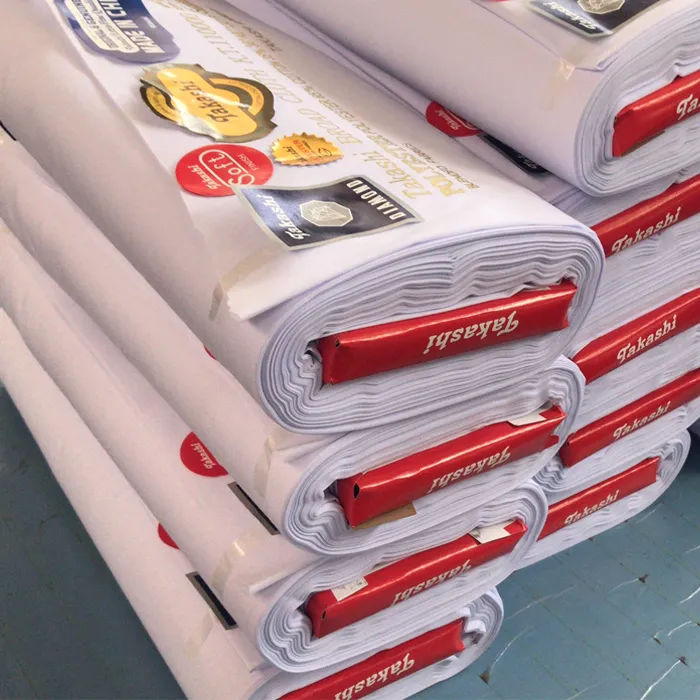
Figure 1: High-quality white TC blended fabric, ready for various industrial applications.
Vendor Comparison and Customized Solutions
Selecting a suitable vendor for cotton fabric for sale involves evaluating several critical factors beyond just price. A comprehensive comparison ensures long-term supply chain stability and quality consistency.
Key Vendor Comparison Criteria:
| Criterion | Significance | Our Offering/Consideration |
|---|---|---|
| Quality Certifications | Ensures adherence to international standards (e.g., ISO 9001, Oeko-Tex Standard 100, GOTS for organic cotton fabric wholesale). | ISO 9001:2015 certified production processes, Oeko-Tex compliant materials where specified. |
| Production Capacity | Ability to meet large volume bulk cotton fabric wholesale orders consistently without compromising lead times. | Advanced manufacturing facilities with high throughput for diverse fabric types. |
| Customization Capabilities | Flexibility to offer specific blends, widths, finishes, dyes, or yarn counts (e.g., cotton jersey wholesale, cotton ikat fabric wholesale). | Extensive customization options, including specific blend ratios, widths, and specialized performance finishes. |
| Lead Time & Logistics | Reliable delivery schedules and efficient global shipping for buy cotton fabric wholesale orders. | Streamlined production and logistics, with clear communication on lead times and delivery. |
| Pricing Structure | Competitive pricing that reflects material quality, production efficiency, and volume discounts. | Transparent, competitive pricing models with flexible terms for large orders. |
| Technical Support | Expert advice on fabric selection, technical specifications, and post-purchase support. | Dedicated technical sales team and after-sales support for all inquiries. |
Customized Solutions for Specialized Needs:
Recognizing that standard offerings may not always suffice, leading suppliers of cotton fabric for sale excel in providing tailored solutions:
- Custom Fiber Blends: Beyond standard TC 65/35, specific polyester/cotton ratios, or even inclusion of other fibers like rayon or spandex for enhanced drape, stretch, or softness. This allows for fine-tuning properties for specialized wholesale cotton clothing.
- Bespoke Fabric Constructions: Custom weave patterns (e.g., specialized twills, dobbies, or jacquards) to achieve unique aesthetic or functional characteristics, often required for premium products or branded uniform lines.
- Performance-Driven Finishes: Application of advanced finishes such as permanent antimicrobial, flame-retardant (meeting NFPA 701 or BS 5852), fluid-barrier, or extreme anti-pilling treatments. This is particularly relevant for medical textiles or specialized industrial applications.
- Specific Color Matching & Printing: Precision dyeing to match corporate colors or specific design palettes, along with custom printing capabilities for branded fabrics or unique patterns (e.g., for cotton ikat fabric wholesale aesthetics).
- Custom Widths and Packaging: Manufacturing fabrics in non-standard widths to optimize cutting layouts for specific product lines, minimizing waste. Specialized roll sizes or packaging for efficient logistics.
Application Case Studies: Real-World Impact of Quality Cotton Fabric
The practical application of high-quality cotton fabric for sale demonstrates its tangible benefits in diverse commercial and industrial environments. These case studies highlight the impact of material selection on operational efficiency, user satisfaction, and cost management.
Case Study 1: Large Hospitality Chain - Enhanced Linen Durability and Guest Comfort
- Challenge: A major hotel group was experiencing high replacement rates for their 100% cotton bed linens due to premature wear, fading, and excessive shrinkage after industrial laundering cycles. Guests also reported issues with linen crispness.
- Solution: The hotel transitioned to a supplier offering TC 65/35 220TC blended fabrics for their sheets and pillowcases. This specific blend was chosen for its optimal balance of cotton's softness and polyester's durability.
-
Outcome:
- 40% Reduction in Replacement Costs: Linens exhibited significantly extended service life, withstanding over 200 industrial washes compared to 120 washes for previous 100% cotton options.
- Improved Guest Satisfaction: Feedback indicated higher satisfaction with the crisp, clean appearance and consistent comfort of the new linens.
- Operational Efficiency: Reduced shrinkage and superior wrinkle resistance led to faster processing times in the laundry and less need for ironing, contributing to energy saving.
Case Study 2: Regional Healthcare System - Meeting Stringent Hygiene and Comfort Needs
- Challenge: A healthcare system required patient gowns and bed linens that could endure aggressive sterilization cycles (high heat and chemical washes) while remaining comfortable for patients and meeting stringent medical standards. Prior fabrics showed rapid degradation.
- Solution: They implemented a supplier's specialized TC 65/35 fabric with an anti-microbial finish, chosen for its inherent strength and ability to maintain integrity under harsh washing protocols.
-
Outcome:
- Enhanced Infection Control: The fabric's durability under sterilization and its anti-microbial properties contributed to a safer patient environment.
- Increased Patient Comfort: Despite robust treatment, the cotton component ensured breathability and a soft hand-feel, positively impacting patient experience.
- Cost Savings: Extended product life and reduced textile waste offered significant long-term savings on bulk cotton fabric wholesale procurement.
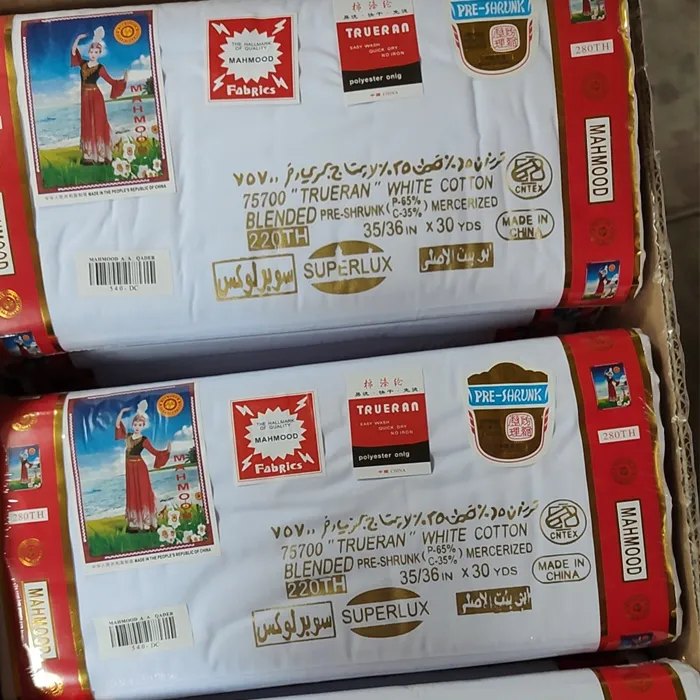
Figure 2: Rolls of cotton blend fabric prepared for shipping to large-scale textile manufacturers.
Ensuring Google Standards for Your Procurement Decisions
In the B2B textile sector, the principles of Expertise, Experience, Authoritativeness, and Trustworthiness () are not just search engine optimization metrics; they are fundamental pillars for sustainable business partnerships when sourcing cotton fabric for sale.
Expertise: In-Depth Industry Knowledge
Our deep understanding of textile science, from fiber characteristics and yarn engineering to advanced weaving techniques and complex finishing processes, enables us to provide precise material recommendations. We articulate technical parameters such as denier, ply, staple length, warp/weft density, and finish chemical compositions with clarity, ensuring that clients understand the intrinsic properties and performance implications of every fabric. This expertise extends to specialized fabrics like wholesale muslin fabric and cotton jersey wholesale, ensuring optimal material selection for specific end-uses.
Experience: Proven Track Record in Diverse Applications
With decades of experience supplying cotton fabric for sale to global markets, we have accumulated a wealth of practical knowledge across varied applications. Our case studies, like those detailed above, demonstrate successful implementations in hospitality, healthcare, and uniform manufacturing, reflecting a proven ability to deliver tailored solutions that perform under real-world conditions. This experience translates into predictive problem-solving and proactive recommendations, ensuring that our clients consistently receive fabrics optimized for their specific operational demands.
Authoritativeness: Certifications, Partnerships, and Standards
Our commitment to quality is underscored by internationally recognized certifications such as ISO 9001:2015 for Quality Management Systems. Our products adhere to industry benchmarks like Oeko-Tex Standard 100 for harmful substances, and relevant ASTM and AATCC standards for performance metrics. We maintain long-standing partnerships with leading textile mills and raw material suppliers, affirming our position as an authoritative source in the textile supply chain. Our internal QA/QC protocols involve rigorous testing at every stage, with verifiable test data provided upon request, reinforcing our claim as a trusted provider of bulk cotton fabric wholesale.
Trustworthiness: Transparency, Support, and Guarantees
Trust is built on transparency and reliability. We provide clear, concise information regarding lead times, pricing, and product specifications. Our warranty commitments ensure that our fabrics meet agreed-upon quality and performance criteria. A dedicated customer support team is available to address any inquiries, provide technical assistance, and resolve issues promptly. This holistic approach to customer service solidifies our trustworthiness, giving our B2B partners confidence in every transaction when they buy cotton fabric wholesale.
Frequently Asked Questions (FAQ)
Q1: What is the primary difference between TC fabric and 100% cotton fabrics for commercial use?
A1: TC (Tetron Cotton or Polyester Cotton) fabrics, like the 65/35 blend, combine polyester's durability, wrinkle resistance, and quick-drying properties with cotton's breathability and comfort. 100% cotton is softer and more breathable but can be prone to wrinkling, shrinkage, and has lower abrasion resistance in some commercial applications. TC blends offer a balanced performance ideal for hospitality, healthcare, and uniforms requiring frequent washing and extended wear.
Q2: What is the typical Minimum Order Quantity (MOQ) for bulk cotton fabric wholesale orders?
A2: MOQs vary based on the specific fabric, color, and customization requirements. For standard white TC 65/35 220TC fabric, MOQs can range from 3,000 to 5,000 meters. For custom colors, blends, or finishes (e.g., organic cotton fabric wholesale or cotton ikat fabric wholesale), MOQs might be higher, typically between 5,000 and 10,000 meters. We recommend contacting our sales team to discuss specific requirements.
Q3: How can I ensure the fabric meets specific environmental or safety standards (e.g., Oeko-Tex, flame retardancy)?
A3: We provide relevant certifications and test reports for our fabrics upon request. For specific requirements like Oeko-Tex Standard 100 or various flame-retardant standards (e.g., NFPA 701, BS 5852), please specify these at the inquiry stage. Our team can advise on suitable fabrics and specialized finishing treatments that comply with your target market's regulations for cotton fabric for sale.
Q4: What are the typical lead times for custom fabric orders?
A4: Lead times for custom orders, including specialized blends or finishes, generally range from 30 to 60 days after order confirmation and deposit, depending on complexity, production queue, and raw material availability. Standard items like white TC 65/35 fabric might have shorter lead times of 20-40 days. We provide a detailed production schedule upon order placement.
Lead Time, Fulfillment & Logistics
Efficient lead times and reliable logistics are pivotal for B2B operations. We streamline our processes to ensure timely delivery of cotton fabric for sale.
- Standard Lead Time: For readily available white goods or commonly produced items, our lead time typically ranges from 20 to 40 days, subject to order volume and current production capacity.
- Custom Order Lead Time: Customized fabrics requiring specific dyeing, unique blends, or special finishes may have lead times extending from 30 to 60 days, to accommodate specialized production runs and quality control checks.
- Logistics & Shipping: We offer flexible shipping options including FOB, CIF, or DDP terms, facilitating global distribution. Our logistics partners are vetted for reliability, ensuring secure and efficient transit for your bulk cotton fabric wholesale orders. We manage all necessary export documentation and customs procedures to ensure a smooth delivery process.
- Packaging: Fabrics are typically rolled on sturdy cardboard tubes and wrapped in protective plastic, then secured with outer woven bags to prevent damage during transit. Custom packaging solutions are available for specific client needs.
Warranty Commitments & After-Sales Support
Our commitment extends beyond delivery. We stand by the quality of our cotton fabric for sale with comprehensive warranty provisions and dedicated after-sales support.
- Quality Assurance Warranty: All fabrics are warranted against manufacturing defects and non-conformance to agreed-upon specifications for a period of [e.g., 6 months] from the date of shipment. This covers issues related to weave structure, yarn consistency, colorfastness, and specified performance characteristics under normal usage and care conditions.
- Defect Resolution: In the event of a verified manufacturing defect, we commit to replacing the defective material, providing a credit, or offering a suitable alternative solution, at our discretion, to ensure minimal disruption to your production schedule. Claims must be submitted with relevant photographic evidence and sample swatches within the warranty period.
- Dedicated Customer Support: Our after-sales support team is available to assist with any technical queries, care instructions, or unexpected issues. You can reach us via phone, email, or our online portal for prompt and expert assistance. We aim to respond to all inquiries within 24-48 business hours.
- Technical Guidance: We provide ongoing technical advice on fabric processing, recommended cutting and sewing techniques, and specific care instructions to help our clients maximize the performance and longevity of the fabrics.
Conclusion
The procurement of high-quality cotton fabric for sale, particularly specialized blends like TC 65/35, is a strategic decision for B2B enterprises. By thoroughly understanding the manufacturing process, technical specifications, diverse application scenarios, and the robust advantages offered by modern textile solutions, businesses can optimize their supply chains and enhance their end products. Choosing a vendor who embodies Expertise, Experience, Authoritativeness, and Trustworthiness ensures not only superior material quality but also reliable partnership and consistent support, driving long-term success in a dynamic global market.
References
- Textile Institute. (2020). Textile Progress: Advancements in Cotton Blends. Manchester, UK: Textile Institute Publishing.
- ASTM International. (2023). Standard Test Methods for Textiles. West Conshohocken, PA: ASTM International.
- International Organization for Standardization. (2022). ISO Standards for Textile Testing. Geneva, Switzerland: ISO.
- Oeko-Tex Association. (2023). Oeko-Tex Standard 100: Product Label for Textiles. Zurich, Switzerland: Oeko-Tex.
- American Association of Textile Chemists and Colorists. (2023). AATCC Test Methods. Research Triangle Park, NC: AATCC.
-
Ultimate Guide to Using a Pressing Cloth for Professional FinishesNewsApr.16,2026
-
Elevate Your Fashion Designs with Premium Poly Crepe Fabric GuideNewsApr.09,2026
-
Exploring the Benefits of Premium Poly Cotton Fabric for Diverse ApplicationsNewsApr.07,2026
-
Discover the Luxury and Benefits of Premium Cotton FabricsNewsApr.04,2026
-
Exploring the Versatility and Benefits of Power Mesh Fabric ApplicationsNewsMar.31,2026
-
Comprehensive Guide to Poplin Material Properties and Diverse ApplicationsNewsMar.28,2026
-
A Comprehensive Guide to Poplin Fabric Characteristics and ApplicationsNewsMar.26,2026