

Exploring Polyester Fabric Stretchability and Its Diverse Applications
Is Polyester Fabric Stretchable? A Comprehensive Guide
When considering fabrics for apparel, upholstery, or industrial applications, stretch is a crucial factor. Polyester fabric, known for its durability and versatility, often raises the question: is it stretchable? The answer is nuanced. While 100% polyester typically lacks significant stretch, modifications to its construction or blending with elastic fibers can dramatically alter its properties. This article will explore the factors influencing polyester’s stretchability, different types of stretch polyester, and its applications. Understanding these characteristics is essential for selecting the right material for your needs.
Understanding Polyester’s Natural Properties
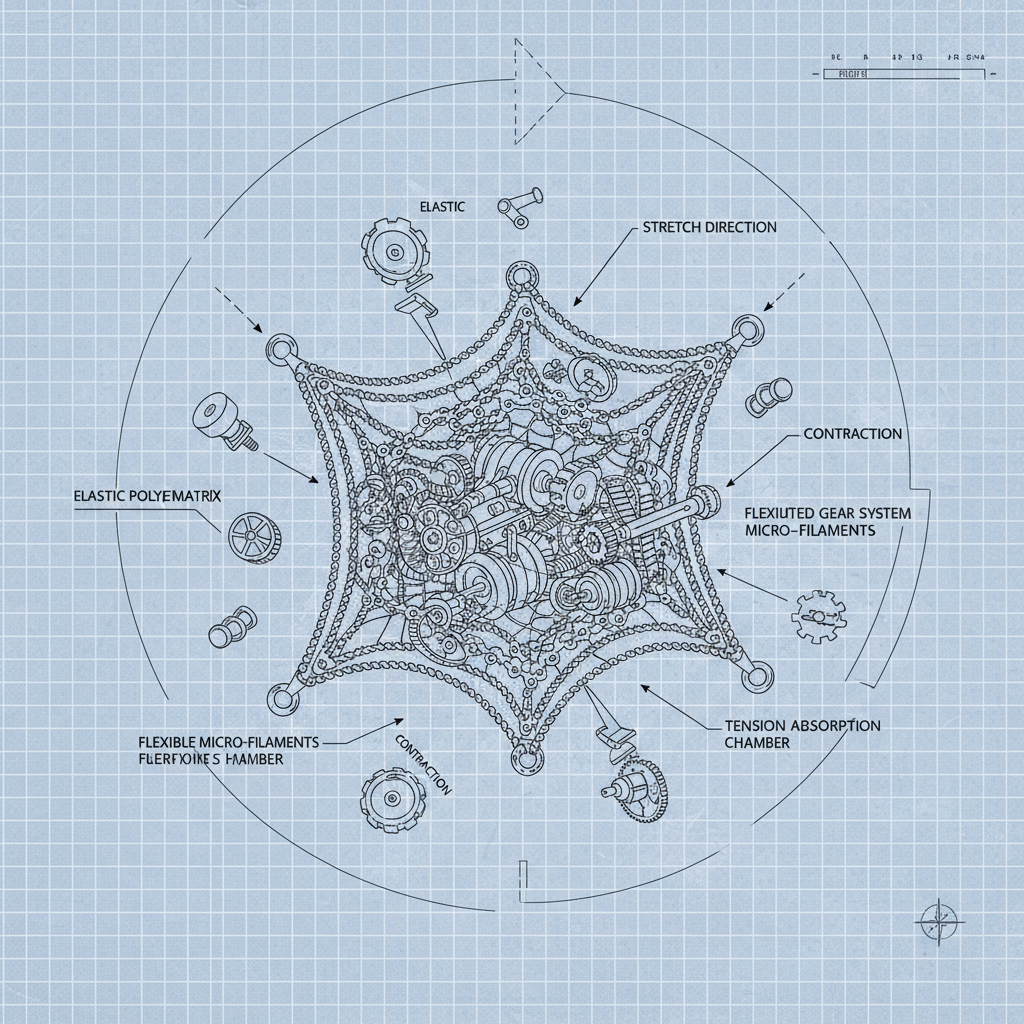
Polyester is a synthetic fiber created through the polymerization of ethylene glycol and terephthalic acid. This process results in a strong, stable fiber known for its resistance to stretching and shrinking. In its pure form, polyester exhibits minimal elasticity, meaning it doesn't readily return to its original shape after being stretched. This inherent property makes it ideal for applications requiring dimensional stability, like banners or certain types of industrial textiles. However, the demand for comfortable, form-fitting garments necessitates polyester fabrics with stretch capabilities. Therefore, manufacturers employ various techniques to introduce stretch to polyester textiles.
Key Takeaway: 100% polyester inherently has low stretch. Stretch is achieved through specific weaving techniques or fiber blends.
Methods for Adding Stretch to Polyester Fabric
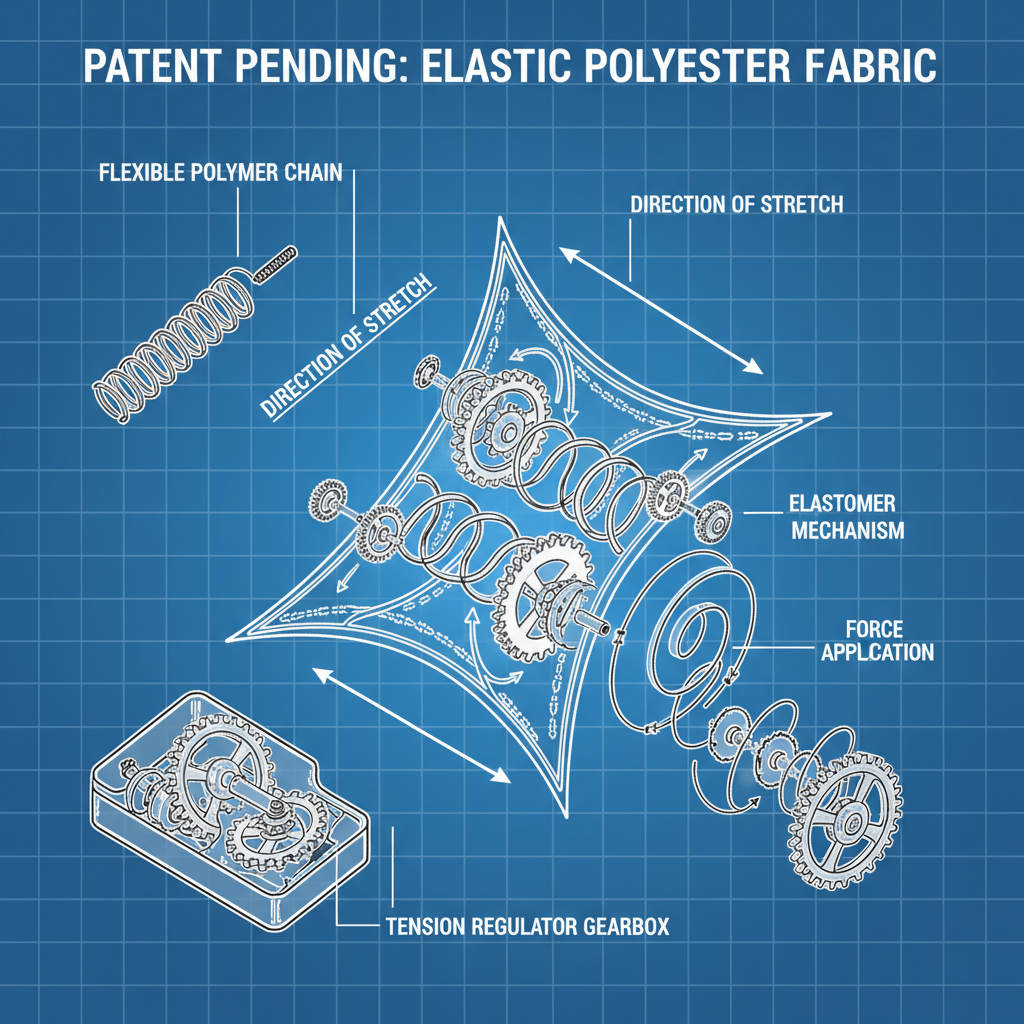
Several methods are used to impart stretch to polyester fabric. One common technique is mechanical stretch, achieved through weaving or knitting the polyester yarns in a way that creates a textured surface. This texture allows for some degree of give and recovery. However, this method typically offers limited stretch. A more effective approach is to blend polyester with elastic fibers like Spandex (also known as Lycra or elastane). Even a small percentage of Spandex (typically 5-10%) can significantly enhance the stretch and recovery properties of the polyester fabric. Another method involves using air-covered spandex where Spandex yarns are wrapped with polyester, providing stretch without the typical shiny appearance of regular Spandex.
Stretch Enhancement Techniques:
• Mechanical Stretch: Weaving/knitting for textured surface
• Spandex Blends: Combining polyester with 5-10% Spandex
• Air-Covered Spandex: Stretch without the Spandex shine
Types of Stretch Polyester Fabrics
The market offers various types of stretch polyester fabrics tailored to specific applications. 4-way stretch polyester, commonly used in athletic wear, offers equal stretch in both the warp and weft directions, providing maximum freedom of movement. 2-way stretch polyester, typically blended with Spandex, exhibits stretch in one direction only, often used in swimwear or fitted garments. Double-knit polyester provides a more substantial, opaque stretch, ideal for leggings or performance apparel. Furthermore, different weights and finishes can affect the fabric's stretch and recovery characteristics. BossWin Textile offers a wide range of stretch polyester fabrics to meet diverse customer needs.
Applications of Stretch Polyester Fabric
Stretch polyester fabrics find applications across numerous industries. In the apparel sector, they are crucial for creating comfortable and stylish activewear, swimwear, lingerie, and fitted clothing. Their moisture-wicking properties and durability make them ideal for sportswear. Beyond apparel, stretch polyester is utilized in upholstery, providing a sleek and durable finish for furniture. In industrial applications, stretch polyester fabrics are used in products like automotive interiors and protective gear, where flexibility and resilience are essential.
Caring for Stretch Polyester Fabrics
To maintain the stretch and integrity of polyester fabrics, proper care is vital. Machine washing in cold water with a mild detergent is recommended. Avoid using bleach or fabric softeners, as these can damage the fibers and reduce elasticity. Tumble drying on a low heat setting is preferable to air drying, which can cause the fabric to lose shape. Avoid ironing at high temperatures, as this can melt the polyester fibers. Following these care instructions will ensure your stretch polyester garments remain comfortable and durable for years to come.
Conclusion: Embracing the Versatility of Stretch Polyester
Ultimately, while 100% polyester is not inherently stretchable, innovations in fabric construction and blending with elastic fibers have created a wide range of stretch polyester fabrics suitable for diverse applications. From comfortable athletic wear to durable industrial textiles, stretch polyester offers a compelling combination of performance, versatility, and affordability. BossWin Textile is your trusted partner for sourcing high-quality stretch polyester fabrics that meet your specific needs.
Frequently Asked Questions (FAQs)
Does stretch polyester shrink?
Polyester is known for its resistance to shrinking. However, improper washing or drying (using high heat) can potentially cause some minor shrinkage. To prevent this, always follow the care instructions on the fabric label. Washing in cold water and tumble drying on a low setting is recommended. Blends with other fibers might exhibit slightly more shrinkage depending on the composition.
How can I tell the difference between 2-way and 4-way stretch polyester?
The easiest way to differentiate is by stretching the fabric. If it stretches significantly in both length and width (horizontally and vertically), it’s 4-way stretch. If it primarily stretches in one direction only (usually lengthwise), it’s 2-way stretch. Look for fabric specifications from the supplier, which will clearly indicate the stretch properties.
Is stretch polyester breathable?
Polyester itself isn’t naturally very breathable. However, modern stretch polyester fabrics often incorporate moisture-wicking technologies and open-knit constructions to improve breathability. The blend with other fibers, like cotton or spandex, can also influence breathability. Look for fabrics specifically designed for performance apparel with features like moisture management and ventilation.
What is the cost of stretch polyester compared to other fabrics?
Stretch polyester generally falls in a mid-range price point compared to other fabrics. It's typically more affordable than natural fibers like silk or linen, but may be slightly more expensive than basic, non-stretch polyester. The cost will vary depending on the specific type of stretch polyester, the fabric weight, and the supplier. Contact BossWin Textile for competitive pricing and bulk order options.
-
Ultimate Guide to Using a Pressing Cloth for Professional FinishesNewsApr.16,2026
-
Elevate Your Fashion Designs with Premium Poly Crepe Fabric GuideNewsApr.09,2026
-
Exploring the Benefits of Premium Poly Cotton Fabric for Diverse ApplicationsNewsApr.07,2026
-
Discover the Luxury and Benefits of Premium Cotton FabricsNewsApr.04,2026
-
Exploring the Versatility and Benefits of Power Mesh Fabric ApplicationsNewsMar.31,2026
-
Comprehensive Guide to Poplin Material Properties and Diverse ApplicationsNewsMar.28,2026
-
A Comprehensive Guide to Poplin Fabric Characteristics and ApplicationsNewsMar.26,2026