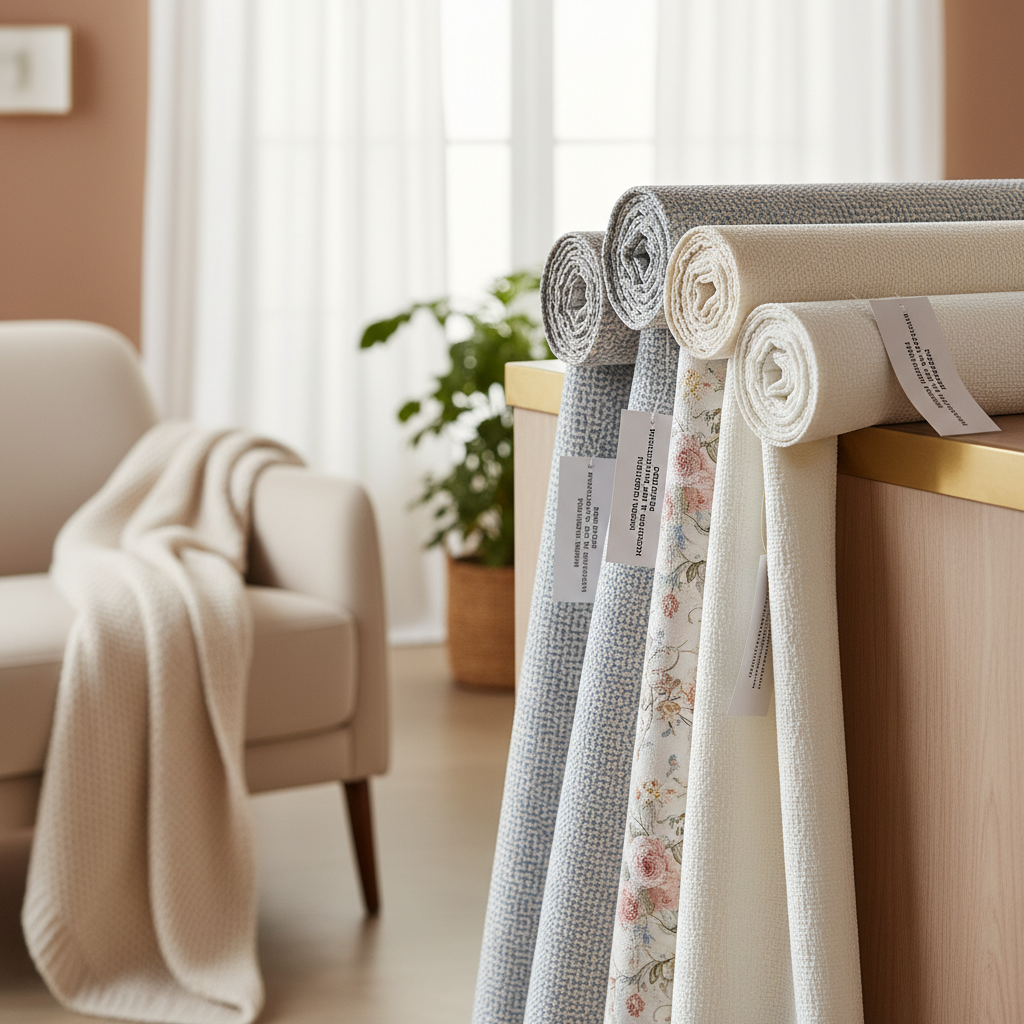
Selecting the right textile for cozy apparel or home bedding often comes down to the balance between thermal insulation and skin-feel. While traditional cotton is a staple, the industry has shifted toward engineered blends to enhance durability and softness.
The rise of high-performance synthetic blends has introduced materials that mimic the luxury of fleece while offering better dimensional stability. For manufacturers and designers, the ability to customize the brushing process is critical to achieving a specific tactile experience, whether it is for baby clothes or high-end lounge wear.
Exploring the technical nuances of custom double brushed poly fabric reveals how specific weaving and finishing techniques impact the final product's warmth, absorbency, and marketability.


Brushing is a finishing process where metal brushes lift the fibers from the surface of the fabric, creating a soft, fuzzy layer known as a nap. In double-brushed fabrics, this process is applied to both the face and the back of the material. This not only doubles the softness but also increases the volume of air trapped within the fibers.
Trapped air acts as a natural insulator, which is why double-brushed polyester and CVC flannel are preferred for winter apparel. The precision of the brush height and density determines whether the fabric feels like a lightweight sheet or a heavy-duty blanket.
The quality of a brushed fabric begins at the spinning stage. Using high-grade raw materials, such as cotton from Xinjiang and chemical fibers from Sinopec, ensures that the yarn possesses the tensile strength required to withstand the aggressive brushing process without excessive shedding.
Many manufacturers utilize CVC (Chief Value Cotton) blends, often in ratios like 65/35 or 80/20 poly-cotton. This hybrid approach combines the breathability and absorbency of cotton with the wrinkle resistance and durability of polyester. When these yarns are woven on air jet or shuttle looms, the resulting structure provides a clean surface that enhances the final pigment printing or dyeing results.
Controlling the yarn quality is the only way to ensure a "clean" fabric surface. By managing both spinning and weaving in-house, producers can eliminate color fibers and irregularities, resulting in a more uniform nap across the entire width of the fabric, whether it is 36, 44, or 58 inches.
When evaluating a brushed textile, professionals look beyond the surface softness. Key metrics include the GSM (grams per square meter), which defines the density and weight, and the absorbent capacity, which is critical for items like cleaning towels or baby clothing.
The primary technical trade-off in brushed fabrics is between nap height and durability; while a higher nap increases perceived softness and warmth, it can increase the risk of pilling if the base yarn lacks sufficient twist and strength.
Additionally, the dyeing technique plays a role in performance. Pigment printing, commonly used for CVC flannel, allows for vibrant patterns while maintaining the fabric's soft hand-feel, making it suitable for the diverse aesthetic demands of global markets.
The relationship between fabric weight and warmth is not linear. A 120gsm CVC flannel with double-sided brushing can often provide more warmth than a higher-weight single-brushed fabric because of the increased air pockets created by the dual nap.
For manufacturers, optimizing the weight helps in reducing shipping costs while meeting the thermal requirements of the target region, such as the colder climates of Canada or the specific needs of the Middle Eastern markets.
In a typical industrial setting, double-brushed fabrics are routed into specialized production lines for baby clothing and men's pajamas due to their non-irritating surface and thermal properties. The versatility of the material also makes it a primary choice for bedding sheets and blankets, where a consistent soft-touch is the main selling point.
Beyond apparel, the absorbent nature of these fabrics allows them to be repurposed as high-quality cleaning towels. For global suppliers like Hebei Bosswin Textile Technology Co., Ltd, these products are exported to diverse markets including Algeria, Iraq, and Colombia, catering to both retail giants and specialized garment factories.
The textile industry is moving toward more sustainable blending processes. While poly-cotton remains the standard for durability, there is an increasing focus on reducing the chemical footprint of the pigment printing process.
We are seeing a shift toward "smart" brushing, where the nap density can be varied across a single piece of fabric to provide targeted warmth. This is particularly relevant for athletic wear and ergonomic loungewear.
Moreover, the demand for higher GSM fabrics in home textiles is growing, as consumers move toward heavier, "hotel-grade" flannel blankets that combine the traditional feel of cotton with the longevity of synthetic fibers.
Choosing the right fabric requires a structured approach based on the end-use case. A buyer for infant wear will prioritize absorbent cotton-heavy blends and safety certifications, while a bedding manufacturer may prioritize the durability and shrink-resistance of a poly-heavy blend.
The balance between width (36” to 58”) and weight (120gsm to 150gsm) must be aligned with the cutting patterns of the garment to minimize waste and maximize efficiency.
The following framework provides a relative comparison of fabric types based on typical industrial requirements.
| Application | Priority Factor | Recommended Blend | Typical Width |
|---|---|---|---|
| Baby Clothes | Skin Sensitivity | 100% Cotton / CVC | 36" - 44" |
| Men's Pajamas | Thermal Comfort | CVC Flannel | 44" - 58" |
| Bedding Sheets | Dimensional Stability | Poly-Cotton (TC) | 58" |
| Blankets | Nap Volume | Double Brushed Poly | 58" |
| Cleaning Towels | Absorbency | CVC Flannel | 44" - 58" |
| Uniforms | Wear Resistance | TC Yarn (65/35) | 58" |
CVC (Chief Value Cotton) flannel is a blend where cotton is the primary component, but polyester is added to enhance durability and reduce shrinkage. 100% cotton flannel offers maximum breathability and is generally preferred for extremely sensitive skin, but CVC is more resistant to wrinkles and holds its shape better over repeated laundry cycles.
Double-sided brushing creates a napped surface on both the interior and exterior of the fabric. This increases the total volume of the textile and creates more air pockets. Since still air is a poor conductor of heat, these pockets trap body heat more effectively than single-brushed or non-brushed fabrics, significantly increasing the thermal insulation.
For pajamas, a lighter weight around 120gsm is typically preferred to allow for movement and layering without excessive bulk. For blankets or heavier bedding, a higher weight closer to 150gsm or above is recommended to provide the necessary heft and warmth required for home textiles.
Yes, these fabrics are often used for cleaning towels. The brushed surface increases the surface area of the fibers, which allows the fabric to trap dust and absorb liquids more effectively than flat-weave fabrics. However, the specific blend (CVC vs. Poly) should be chosen based on whether the priority is absorbency or durability.
Pigment printing applies the color to the surface of the fibers using a binder, whereas traditional dyeing penetrates the fiber core. For flannel, pigment printing is often preferred because it can be applied without compromising the soft, brushed nap of the fabric, allowing for detailed patterns and vibrant colors without stiffening the material.
You should check for uniformity across the width of the roll to ensure there are no "bald" spots. Additionally, perform a rub test to check for excessive shedding. High-quality fabrics, produced by integrating spinning and weaving, will have a cleaner surface with fewer stray color fibers and a consistent nap height.
The effectiveness of a brushed textile depends entirely on the synergy between raw material quality and the precision of the finishing process. By controlling the entire production chain—from the selection of Sinopec chemical fibers to the final double-brushing stage—manufacturers can deliver a product that meets strict global standards for softness and durability.
As market demands evolve toward more specialized apparel and home textiles, the ability to customize fabric weight, width, and brushing levels will remain the primary differentiator for success in the global textile trade.