Finding a reliable partner for deco poly mesh wholesale often involves navigating a complex landscape of material grades, weave densities, and pricing tiers. For commercial designers and event planners, the challenge is not just finding the mesh, but ensuring that the bulk volume maintains consistent structural integrity and color saturation across thousands of yards.
The demand for decorative polyester mesh has evolved from simple seasonal decorations to permanent architectural installations and high-end retail displays. This shift requires a move toward industrial-grade sourcing where textile precision—such as the stability of the polymer blend—becomes the primary driver of project success.
By analyzing the procurement logistics and technical specifications of decorative mesh, businesses can mitigate the risks of fabric sagging or color bleeding, ensuring that their large-scale aesthetic visions are supported by professional-grade textile engineering.

Understanding the Industrial Standard for Decorative Poly Mesh

Decorative poly mesh is a specialized open-weave fabric primarily composed of polyester polymers, engineered to provide both transparency and structural volume. In the wholesale market, the "standard" is defined by the balance between the denier of the yarn and the aperture size of the mesh, which dictates how the fabric drapes and holds its shape when gathered.
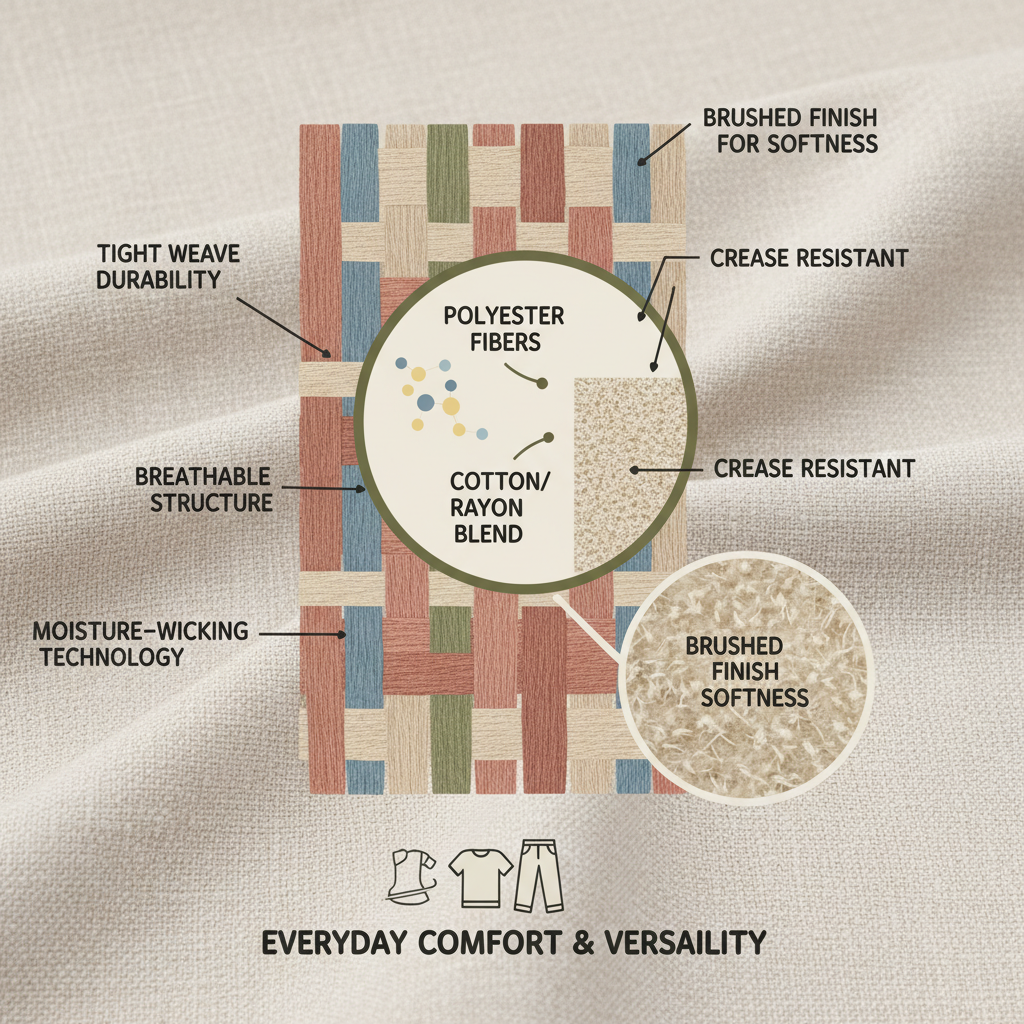
Unlike standard apparel fabrics, such as poplin or flannel, decorative mesh is designed for visual impact and breathability. The industrial production process involves precision warping and weaving to ensure that the mesh does not unravel at the edges when cut, a critical feature for high-volume commercial applications.
For companies like Hebei Bosswin Textile Technology Co., Ltd, which operates a massive infrastructure of yarn spindles and looms, the focus remains on controlling the raw material quality. By utilizing high-grade chemical fibers, manufacturers can ensure that the resulting mesh is free from impurities and maintains a uniform surface texture.
Critical Technical Factors in Bulk Mesh Selection
When sourcing deco poly mesh wholesale, the primary technical concern is the tension stability of the polyester weave. If the polymer chain is inconsistent, the mesh may experience "shrinkage" or uneven stretching across a large roll, leading to misalignment in large-scale installations.
Another vital factor is the colorfastness of the pigment. Because decorative mesh is often used in high-visibility areas or outdoor settings, the dye must be bonded deeply into the polyester fiber to prevent fading under UV exposure. This requires advanced dyeing techniques that go beyond surface coating.
Weight and width are the final decisive parameters. While typical apparel fabrics like flannel might range from 120gsm to 150gsm, decorative mesh varies wildly based on its intended use, from ultra-light sheer veils to heavy-duty industrial netting.
Commercial Application Scenarios for Wholesale Mesh Fabrics
The versatility of poly mesh allows it to transcend simple decoration. In retail environments, it is frequently used as a backdrop or window dressing to create depth and texture without blocking light, making it an essential tool for visual merchandisers.
In the event planning sector, wholesale mesh is utilized for large-scale ceiling installations and tiered draping. The ability of the fabric to hold a "poof" or voluminous shape makes it superior to flat fabrics for creating organic, cloud-like structures in ballroom settings.
Beyond aesthetics, modified poly mesh finds use in packaging and protective layering for fragile goods. Its open structure allows for ventilation while providing a physical barrier, demonstrating the intersection of decorative design and functional utility.
Evaluating Mesh Performance and Durability Metrics
Evaluating the performance of a textile shipment requires looking at quantitative benchmarks. Key metrics include the tear strength of the mesh and the consistency of the aperture size across the width of the fabric roll.
When comparing generic wholesale mesh to precision-manufactured textiles, the difference is most evident in the "recovery rate"—the ability of the mesh to return to its original shape after being stretched during installation.
deco poly mesh wholesale Performance Metrics
The data indicates that precision-woven poly mesh significantly outperforms standard grades in tension retention and UV resistance, which is critical for long-term commercial viability.
Strategic Procurement Guidelines for Textile Importers
For procurement officers, the risk in wholesale textile sourcing lies in "lot variance." This occurs when different batches of the same mesh product exhibit slight variations in hue or weave tightness, which can ruin a cohesive large-scale installation.
To avoid these issues, importers should prioritize suppliers who control the entire vertical chain—from spinning the yarn to the final weaving process. This integrated control allows for tighter quality tolerances and ensures that rolls shipped to markets in Canada, the Middle East, or Africa meet the same specifications.
Additionally, verifying the packing method is essential. For poly mesh, roll packing is preferred over folding to prevent permanent creases in the polymer, which are nearly impossible to remove once the fabric is deployed.
Future Directions in Sustainable Polymer Textiles
The textile industry is currently shifting toward recycled polyester (rPET), and decorative mesh is no exception. The integration of recycled polymers into wholesale mesh production could potentially reduce the environmental footprint of event décor, which is traditionally criticized for being disposable.
Technological advancements in air-jet looms are also likely to increase the precision of mesh apertures, allowing for "gradient weaves" where the density of the mesh changes across a single piece of fabric. This would provide architects with new ways to control light and privacy in interior spaces.
While the transition to sustainable materials depends on the stability of the recycled yarn's tensile strength, the market trend suggests an increasing preference for eco-certified textiles in corporate and governmental procurement contracts.
Comparative Analysis of Mesh Sourcing Models
Choosing between different wholesale sourcing models depends on the project's scale and the required level of customization. A "stock-based" model offers speed, while a "custom-mill" model offers precision.
The following table compares the operational trade-offs between different procurement approaches for decorative poly mesh.
| Sourcing Model | Lead Time | Customization Level | Quality Risk |
|---|---|---|---|
| Direct Mill Order | Long (4-8 Weeks) | High (Color/Width) | Low (Factory Controlled) |
| Wholesale Distributor | Short (1-2 Weeks) | Low (Stock Colors) | Medium (Storage Variance) |
| Custom Sample Run | Medium (2-4 Weeks) | Very High | Low (Pre-approved) |
| Spot Market Purchase | Immediate | None | High (Lot Inconsistency) |
| Contractual Volume | Scheduled | Medium | Very Low (Strict Specs) |
| Agent-Sourced | Variable | Medium | Medium (Middleman Gap) |
Ultimately, for high-stakes commercial projects, the Direct Mill Order provides the highest level of security, as it allows the buyer to specify the exact polymer grade and dyeing process required.
Frequently Asked Questions
Conclusion
Navigating the complexities of deco poly mesh wholesale requires a shift in focus from simple aesthetics to technical specifications. By prioritizing weave stability, dye consistency, and vertical manufacturing control, businesses can ensure that their decorative installations are both visually stunning and structurally sound.
For professionals seeking precision-engineered textiles and reliable bulk sourcing, reviewing the operational capabilities and product ranges available through www.bosswintextile.com can provide the necessary technical foundation for their next large-scale project.