

Premium Bleach Cotton Fabric: Pure, Versatile & High Quality
Understanding High-Performance Bleached Cotton Fabric for Industrial Applications
In the realm of textile manufacturing, the demand for pristine, consistent, and high-quality base materials is paramount. At the forefront of this demand is bleach cotton fabric, a cornerstone product for numerous industrial and commercial applications. This detailed guide explores the technical intricacies, manufacturing excellence, and versatile applications of these essential fabrics, catering specifically to the needs of B2B decision-makers and engineers seeking reliable and superior textile solutions.
From medical-grade textiles to high-end apparel linings and industrial wiping solutions, the foundational quality of the bleached fabric directly influences the performance and aesthetic of the final product. We delve into the critical aspects of production, quality control, and the strategic advantages offered by precisely manufactured bleached textiles.
The Manufacturing Process of Bleach Cotton Fabric: A Technical Overview
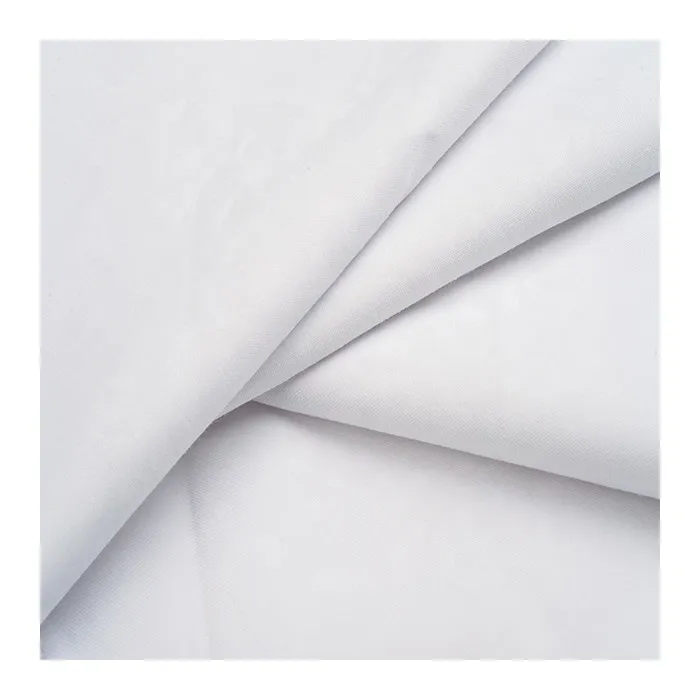
The production of high-quality bleach cotton fabric is a multi-stage, meticulously controlled process designed to remove natural impurities and achieve optimal whiteness, absorbency, and fabric preparation for subsequent treatments like dyeing or printing. This process is critical for products like the Tc65/35 110x76 150cm Bleach Fabric Semi-combed Quality.
Process Flow Schematic:
[Raw Fabric (Grey Fabric)] ↓ 1. Desizing (Removal of Sizing Agents) ↓ 2. Scouring (Boiling with Caustic Soda to Remove Waxes, Oils, Pectins) ↓ 3. Bleaching (Hydrogen Peroxide or Sodium Hypochlorite for Whiteness) ↓ 4. Mercerization (Optional: Enhanced Strength, Luster, Dye Affinity) ↓ 5. Washing & Neutralization (Removal of Chemical Residues) ↓ 6. Drying & Heat Setting (Stabilizing Fabric Dimensions) ↓ [Finished Bleach Fabric]
- Product Materials: The process typically begins with high-grade raw cotton or a meticulously balanced T/C (polyester/cotton) blend, such as the 65% polyester, 35% cotton composition, ensuring a strong, durable base for the bleaching process.
- Manufacturing Processes: Key steps involve hot washing, continuous bleaching ranges, and precision drying. Chemical treatments are carefully controlled to achieve optimal whiteness without compromising fiber integrity.
- Testing Standards: Our fabrics adhere to rigorous international standards such as ISO 9001 for quality management, OEKO-TEX Standard 100 for harmful substances, and specific ASTM or AATCC test methods for parameters like whiteness index, tensile strength, and shrinkage.
- Service Life: When properly cared for and used in appropriate applications, these fabrics exhibit excellent durability and retain their characteristics over extended periods, making them cost-effective for long-term industrial use.
- Target Industries: Our bleached fabrics serve diverse sectors including medical (scrubs, patient gowns, sterile wraps), apparel (linings, innerwear, base for printing), home textiles (bedding, curtains), and various industrial applications requiring clean, absorbent cloth.
- Advantages in Typical Application Scenarios: The advanced bleaching process ensures superior absorbency for medical textiles, excellent dye uptake for subsequent coloring in apparel, and a pristine base for high-quality printing, enhancing product versatility and value.
Industry Trends in Bleached Textile Fabrics
The bleached fabric market is evolving rapidly, driven by sustainability concerns, technological advancements, and shifting consumer preferences. Key trends influencing demand for products like bleach cotton fabric include:
- Eco-Friendly Bleaching Processes: A significant shift towards more sustainable and environmentally friendly bleaching agents and water-saving technologies is observed. This reduces the ecological footprint and meets growing regulatory demands.
- Demand for Blended Fabrics: The market increasingly seeks performance benefits from blends, leading to rising demand for materials like bleach 60 cotton 40 polyester, offering enhanced durability, wrinkle resistance, and faster drying times while maintaining the comfort of cotton.
- Growth in Technical Textiles: Specialized applications in medical, protective wear, and industrial sectors require high-performance bleached muslin fabric and bleached calico fabric with specific finishes, driving innovation in functional properties.
- Digital Printing Compatibility: As digital printing gains traction, there's a need for highly consistent, uniform white bleached fabrics that provide an optimal base for vibrant and precise print reproduction.
- Traceability and Transparency: Customers increasingly demand transparency in the supply chain, from the source of raw cotton to the final bleached product, fostering trust and ensuring ethical manufacturing practices.
- Competitive Pricing & Global Sourcing: The market for bleached cotton price remains competitive, necessitating efficient production and robust supply chain management to maintain cost-effectiveness without compromising quality.
These trends underscore the importance of choosing a supplier who not only delivers on quality but also stays ahead of industry innovations and sustainability mandates.
Technical Specifications: Tc65/35 110x76 150cm Bleach Fabric Semi-combed Quality
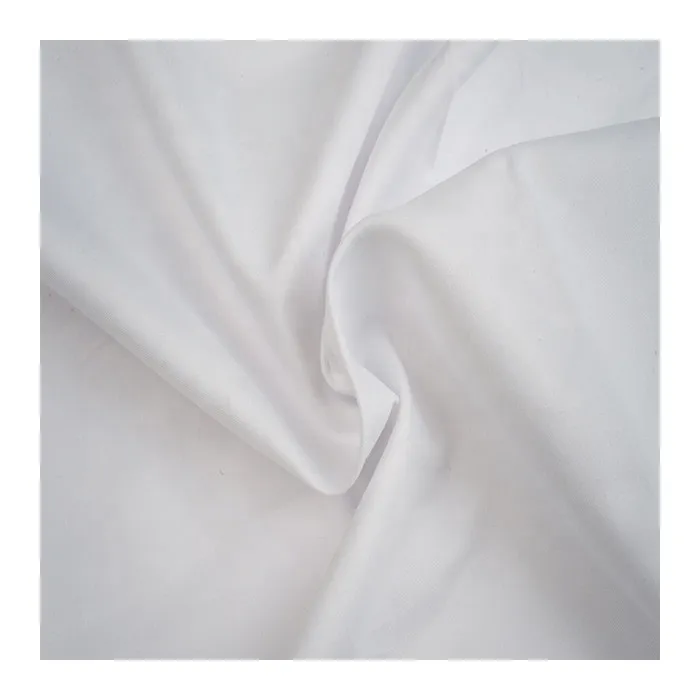
Our flagship product, the Tc65/35 110x76 150cm Bleach Fabric Semi-combed Quality, exemplifies precision engineering in textile manufacturing. This bleached cotton cloth, a versatile T/C blend, is engineered to meet stringent industrial requirements.
Product Specification Table:
| Parameter | Specification | Test Method / Standard |
|---|---|---|
| Composition | 65% Polyester / 35% Cotton | ISO 1833-2 |
| Weave | Plain Weave | Visual Inspection |
| Thread Count (Warp x Weft) | 110 x 76 | ASTM D3775 |
| Width | 150 cm (59/60 inches) | ASTM D3774 |
| Weight (GSM) | ~115 - 120 GSM (approx.) | ASTM D3776 |
| Whiteness Index (CIE) | >80 | ISO 11475 |
| Shrinkage (Warp/Weft) | +/- 3% (max) | AATCC 135 |
| Pilling Resistance | Grade 3-4 (min) | ISO 12945-2 |
| Tensile Strength (Warp/Weft) | >400N / >300N | ISO 13934-1 |
| Color Fastness to Washing | Grade 4 (min) | ISO 105 C06 |
This semi-combed quality ensures a smoother, more uniform yarn, contributing to a superior fabric surface. The balanced blend of polyester and cotton provides the best of both worlds: the strength and dimensional stability of polyester combined with the breathability and absorbency of cotton, making it a highly reliable substrate for various demanding applications.
Key Application Scenarios for Bleached Fabrics
The versatility and inherent properties of bleach cotton fabric make it indispensable across a spectrum of industries:
- Medical & Healthcare Textiles: Its high absorbency and clean finish are crucial for surgical drapes, patient gowns, doctor's scrubs, bed linens, bandages, and other disposable or reusable medical supplies where hygiene and comfort are paramount. The neutral base is ideal for anti-microbial treatments.
- Apparel & Fashion: Used extensively as a base fabric for printing and dyeing, inner linings for garments, interlinings, and shirting. The uniform white surface ensures accurate color reproduction and provides a comfortable layer against the skin. Products like bleached muslin are particularly favored for garment mock-ups and lightweight linings.
- Home Textiles: For sheets, pillowcases, duvet covers, curtains, and upholstery where a crisp, clean appearance and a durable, comfortable feel are desired. The fabric's stability makes it suitable for various home furnishing applications.
- Industrial Wiping & Cleaning Cloths: Its excellent absorbency and lint-free properties, especially in materials like grey fabric bleached to remove impurities, make it an ideal choice for industrial wiping cloths, polishing rags, and cleaning applications in manufacturing, automotive, and electronics industries.
- Promotional & Craft Items: Due to its affordability and printability, bleached muslin fabric by the yard is a popular choice for promotional tote bags, banners, and various craft projects, offering a consistent canvas for creative endeavors.
Technical Advantages and Performance Differentiation
The technical superiority of well-processed bleach cotton fabric provides significant advantages over unbleached or poorly treated alternatives:
- Optimal Whiteness and Brightness: Achieves a high whiteness index (>80 CIE), providing a neutral and consistent base for subsequent dyeing or printing. This is critical for achieving true color reproduction and vibrant designs.
- Superior Absorbency: Through the rigorous scouring process, natural waxes and oils are removed, significantly enhancing the fabric's hydrophilic properties. This is vital for medical applications and for efficient dye uptake.
- Improved Dyeability and Printability: The clean, prepared surface allows for uniform dye penetration and sharp, vivid print results, reducing defects and improving product aesthetics.
- Enhanced Strength and Durability: Controlled bleaching processes ensure that fiber integrity is maintained, resulting in a strong fabric that withstands rigorous use and washing cycles, extending product service life.
- Purity and Hygiene: Removal of impurities, motes, and foreign matter creates a hypoallergenic and hygienic textile, particularly crucial for sensitive applications in healthcare.
- Dimensional Stability: Careful tension control during processing and heat setting results in fabrics with minimal residual shrinkage, ensuring consistent product dimensions after washing and drying.
These advantages translate directly into higher quality end-products, reduced waste in manufacturing, and greater satisfaction for end-users, solidifying the value proposition of premium bleached fabrics.
Vendor Comparison Criteria for Bleached Fabrics
Selecting the right supplier for bleached cotton fabric is a critical decision. Beyond just the bleached cotton price, several key factors differentiate leading vendors:
Key Vendor Comparison Table:
| Criteria | Leading Vendor Standard | Typical Market Standard |
|---|---|---|
| Whiteness Index (CIE) | >80 | 65-75 |
| Absorbency Time | <5 seconds | 10-20 seconds |
| Fabric Defects (per 100m) | < 3 major defects | 5-10 major defects |
| Shrinkage Rate (Warp/Weft) | +/- 3% max | +/- 5-7% |
| Certifications | ISO 9001, OEKO-TEX 100 | Basic / None |
| Customization Options | High (blends, widths, finishes) | Limited |
A reliable vendor will consistently exceed typical market standards, providing verifiable data and a transparent manufacturing process. Look for established companies with a proven track record, multiple certifications, and a commitment to continuous quality improvement.
Customized Bleached Fabric Solutions
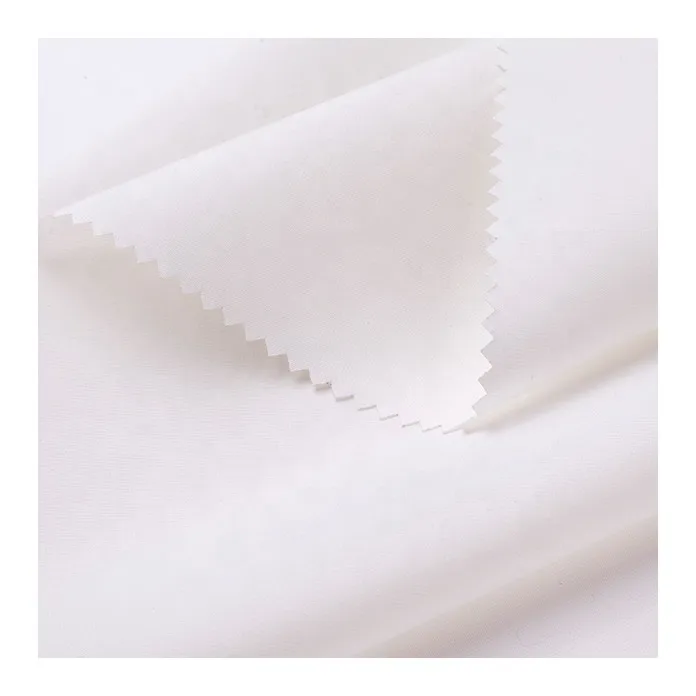
Recognizing that standard offerings may not always meet unique project demands, we specialize in providing customized bleached cotton fabric solutions. Our capabilities extend to tailoring specific parameters to your exact requirements:
- Custom Blends: Beyond standard T/C 65/35, we can develop custom polyester/cotton ratios, including specific options for bleach 60 cotton 40 polyester, or incorporate other fibers to achieve desired performance characteristics like enhanced strength or specific hand feel.
- Varying Thread Counts and Weights: From lightweight bleached muslin for delicate applications to denser weaves for robust industrial uses, we can adjust thread count and GSM to meet specific tensile strength, tear resistance, or opacity needs.
- Specific Widths and Lengths: Whether you require non-standard widths for specialized machinery or precise cut lengths for efficient production, our facilities can accommodate diverse sizing requirements, including bulk orders of bleached muslin fabric by the yard.
- Specialized Finishes: We offer a range of finishing treatments post-bleaching, such as anti-microbial, water-repellent, crease-resistant, fire-retardant, or soft-finish applications, to enhance fabric functionality for niche markets.
- Batch-to-Batch Consistency: For ongoing projects, we ensure exceptional consistency across multiple production batches, guaranteeing that subsequent orders match the original specifications without variation in whiteness, absorbency, or texture.
Our technical team works closely with clients from conceptualization to final production, providing expert consultation to ensure the customized fabric solution precisely aligns with the intended application and performance expectations.
Application Case Studies
Our expertise in bleach cotton fabric has empowered numerous clients across various industries:
Case Study 1: High-Volume Medical Consumables Provider
- Client: A leading international manufacturer of disposable medical wipes and dressings.
- Challenge: Required a consistent supply of ultra-high absorbency, sterile-grade bleached fabric with minimal lint, capable of withstanding gamma sterilization without degradation, while maintaining cost-effectiveness for mass production.
- Solution: We provided a customized Tc65/35 bleached fabric, refined for exceptional absorbency (<3 seconds) and a lint-free finish, subjected to stringent pre-shipment sterilization compatibility tests. Our adherence to ISO 13485 (Medical Devices Quality Management) compatible processes ensured compliance.
- Result: The client successfully scaled their production by 30% with zero material-related rejections over two years, reporting enhanced product performance and consistent market acceptance for their sterile medical products.
Case Study 2: Apparel Manufacturer for Uniforms
- Client: A global uniform supplier for hospitality and corporate sectors, requiring durable, easy-care fabrics for their dyed and printed garments.
- Challenge: The client needed a bleached fabric base that offered excellent dye uptake for consistent color matching across different garment types and could withstand frequent industrial laundering without significant shrinkage or color fade, using green fabric bleached to a specific shade.
- Solution: We supplied our Tc65/35 110x76 bleached fabric, optimized for reactive dyeing and featuring a pre-shrunk finish. We also provided test data on color fastness to washing (ISO 105 C06 Grade 4-5) and dimensional stability.
- Result: The uniform manufacturer achieved superior color consistency for their branded uniforms, reduced complaints related to shrinkage, and noted a significant improvement in the perceived quality and longevity of their garments, leading to repeat contracts.
Frequently Asked Questions (FAQ) about Bleached Fabrics
- Q1: What is the primary difference between bleached and unbleached fabric?
- A1: Unbleached fabric (often referred to as grey fabric) retains its natural color, impurities, and sizing agents. Bleach cotton fabric undergoes processes to remove these, resulting in a clean, white, and highly absorbent material ready for dyeing, printing, or medical applications.
- Q2: What are the advantages of using a T/C blend (like 65/35) over 100% cotton?
- A2: A T/C blend like Tc65/35 combines the best properties of both fibers. Polyester contributes to enhanced strength, durability, wrinkle resistance, and dimensional stability, while cotton provides breathability, absorbency, and a comfortable feel. This blend is often more cost-effective and easier to care for than 100% cotton.
- Q3: How is batch-to-batch consistency ensured for large orders?
- A3: We implement stringent quality control protocols at every stage of manufacturing, from raw material inspection to final product testing. Our processes include continuous monitoring of chemical concentrations, temperature, and tension, along with spectrophotometric analysis for whiteness and absorbency checks on every batch, adhering to ISO 9001 standards.
- Q4: Are your bleached fabrics environmentally friendly?
- A4: We are committed to sustainable practices. Our bleaching processes utilize modern, efficient machinery to minimize water and energy consumption. We also employ eco-friendly bleaching agents where feasible and ensure proper wastewater treatment. Our OEKO-TEX Standard 100 certification confirms our fabrics are free from harmful substances.
Logistics, Warranty, and After-Sales Support
We understand that reliable logistics and robust support are integral to your supply chain efficiency. Our commitment extends beyond product quality to ensure a seamless client experience.
- Lead Time & Fulfillment: Our standard lead time for the Tc65/35 110x76 150cm Bleach Fabric is typically 15-25 days for production, following order confirmation and deposit. This may vary for customized orders or peak seasons. We maintain robust inventory levels of raw materials to expedite fulfillment. We offer flexible shipping options, including FOB, CIF, and DDP, to meet diverse international logistics needs.
- Packaging: Fabrics are typically packed in rolls, wrapped in clear plastic film internally and woven bags externally to protect against moisture and damage during transit. Custom packaging solutions are available upon request.
- Warranty Commitments: We provide a comprehensive warranty against manufacturing defects and material non-conformity for a period of 12 months from the date of shipment. Our fabrics are guaranteed to meet the agreed-upon technical specifications outlined in our data sheets and contracts.
- Customer Support: Our dedicated account management and technical support teams are available to assist with any inquiries, technical guidance, or after-sales service. We offer multi-channel support via phone, email, and a dedicated online portal, ensuring prompt and effective resolution of any concerns. We pride ourselves on quick response times and proactive communication to foster long-term partnerships.
References
- Smith, J. (2022). Advances in Textile Bleaching Technologies: Environmental Impact and Performance. Journal of Textile Engineering & Technology, 15(3), 112-125.
- Chen, L. & Wang, M. (2021). Polyester-Cotton Blends: Properties, Processing, and Applications in Technical Textiles. International Journal of Fiber Science & Technology, 8(2), 87-101.
- European Agency for Safety and Health at Work. (2019). Textile Manufacturing Industry: Health and Safety Best Practices. Retrieved from https://osha.europa.eu/
- Textile Institute. (2023). Global Textile Market Outlook 2023-2028: Trends and Innovations. Published by The Textile Institute.
-
Ultimate Guide to Using a Pressing Cloth for Professional FinishesNewsApr.16,2026
-
Elevate Your Fashion Designs with Premium Poly Crepe Fabric GuideNewsApr.09,2026
-
Exploring the Benefits of Premium Poly Cotton Fabric for Diverse ApplicationsNewsApr.07,2026
-
Discover the Luxury and Benefits of Premium Cotton FabricsNewsApr.04,2026
-
Exploring the Versatility and Benefits of Power Mesh Fabric ApplicationsNewsMar.31,2026
-
Comprehensive Guide to Poplin Material Properties and Diverse ApplicationsNewsMar.28,2026
-
A Comprehensive Guide to Poplin Fabric Characteristics and ApplicationsNewsMar.26,2026