

Premium Bleach Cotton Fabric: Pure White, Ready for Use
Industry Trends in Bleached Cotton Fabrics
The global textile industry is experiencing a dynamic shift, driven by demand for sustainable practices, technological advancements, and evolving consumer preferences. Within this landscape, bleach cotton fabric remains a foundational material, particularly in B2B applications ranging from healthcare to industrial textiles. Current trends highlight a push towards enhanced performance characteristics, such as improved whiteness, dyeability, and durability, while simultaneously addressing environmental concerns through eco-friendly bleaching agents and water-saving processes.
Key market drivers include the expansion of the medical and healthcare sectors, increasing adoption in hospitality for bedding and uniforms, and robust demand from the apparel industry for versatile base fabrics. Innovations are focused on creating textile solutions that offer superior hygiene, comfort, and longevity. Furthermore, the integration of blended fabrics, such as bleach 60 cotton 40 polyester, is gaining traction for its enhanced strength, wrinkle resistance, and cost-effectiveness, catering to a broader spectrum of application requirements.
Detailed Process Flow: Manufacturing Bleached Cotton Fabric
The production of high-quality bleach cotton fabric is a meticulous process involving several critical stages, each contributing to the fabric's final aesthetic and performance properties. Our commitment to ISO 9001 and ISO 14001 standards ensures that every step is precisely controlled for consistency and environmental responsibility.
Materials and Initial Preparation:
- Raw Material Sourcing: Premium raw cotton or a cotton-polyester blend (e.g., Tc65/35) is selected based on fiber length, fineness, and strength to ensure optimal fabric quality. For our Tc65/35 110x76 150cm Bleach Fabric Semi-combed Quality, semi-combed cotton fibers are used for a smoother, more uniform yarn.
- Spinning: Raw fibers are processed through carding and semi-combing to align and clean them, forming slivers. These slivers are then spun into yarns of specific counts (e.g., Ne 21 for warp and weft for our featured product), ensuring uniformity and strength.
- Weaving: The yarns are meticulously woven on modern looms (e.g., air-jet or rapier looms) to create greige fabric (also known as grey fabric bleached in its pre-treatment state). Common weave patterns include plain weave, chosen for its durability and versatility, resulting in constructions like 110x76.
Bleaching and Finishing Processes:
- Singeing: The greige fabric passes over hot plates or through flames to burn off surface fibers, reducing pilling and enhancing smoothness.
- Desizing: Sizing agents, applied to warp yarns to improve strength during weaving, are removed using enzymes or dilute acids, preparing the fabric for subsequent wet processes.
- Scouring: The fabric is boiled in an alkaline solution to remove natural impurities like waxes, oils, and pectins, improving absorbency.
- Bleaching: This is the core process for producing bleached cotton cloth. Hydrogen peroxide (H₂O₂) is predominantly used due to its effectiveness and environmental profile (decomposing into water and oxygen). The fabric is treated under controlled conditions of temperature, pH, and concentration to achieve the desired level of whiteness and remove any natural pigmentation. This step transforms fabrics like bleached calico fabric or bleached muslin from their natural, often off-white state to a pristine white.
- Mercerization (Optional but common for blends): For cotton-rich blends or pure cotton, mercerization with caustic soda enhances strength, luster, and dye uptake.
- Washing and Drying: Thorough washing removes residual chemicals, followed by drying through stenter frames to control width and prevent shrinkage.
- Finishing: Mechanical or chemical finishes can be applied for specific properties, such as wrinkle resistance, softness, or antibacterial attributes.
Testing Standards: Throughout the process, fabric quality is rigorously tested against international standards such as ISO (e.g., ISO 105 for colorfastness, ISO 12947 for abrasion resistance) and AATCC. Key parameters include tensile strength, tear strength, dimensional stability, pH, whiteness index (e.g., CIE whiteness values), and absorbency. This ensures the material meets the demanding specifications for various industries, from medical textiles requiring sterility to hospitality textiles needing high wash durability.
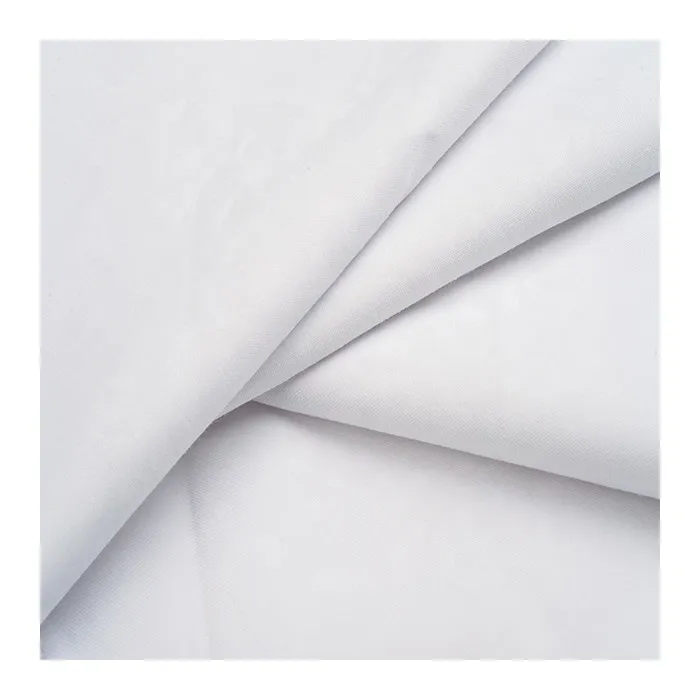
Service Life and Target Industries: Our bleached cotton cloth is engineered for extended service life, often exceeding industry benchmarks of 50-100 industrial wash cycles, depending on end-use. Target industries include:
- Medical & Healthcare: Gowns, drapes, sterilization wraps, ensuring hygiene and durability.
- Hospitality: Bed linens, pillowcases, uniforms, requiring high aesthetic retention and wash fastness.
- Apparel & Fashion: Base fabric for printing, lining, light garments.
- Industrial & Technical Textiles: Wipes, interlinings, filter fabrics due to its absorbency and purity.
Technical Specifications: Tc65/35 110x76 150cm Bleach Fabric Semi-combed Quality
Our flagship product, the Tc65/35 110x76 150cm Bleach Fabric Semi-combed Quality, exemplifies precision engineering in textile manufacturing. This specific blend of 65% polyester and 35% semi-combed cotton offers a unique combination of strength, comfort, and ease of care, making it an ideal choice for diverse industrial and commercial applications.
Product Specification Table:
| Parameter | Specification | Testing Method/Standard |
|---|---|---|
| Composition | 65% Polyester, 35% Cotton (Semi-combed) | ASTM D629, ISO 1833 |
| Yarn Count | Warp: Ne 21, Weft: Ne 21 | ASTM D1059, ISO 2060 |
| Density (Threads/inch) | Warp: 110, Weft: 76 | ASTM D3775, ISO 7211-2 |
| Weight (GSM) | 110 ± 5 GSM | ASTM D3776, ISO 3801 |
| Width | 150 cm (59 inches) | ASTM D3774, ISO 3932 |
| Shrinkage (Max.) | < 3% (Warp), < 2% (Weft) | AATCC 135, ISO 6330 |
| Whiteness Index (CIE) | > 80 | ISO 105 J02 |
| pH Value | 6.0 - 7.5 | ISO 3071 |
| Tensile Strength (N) | Warp: > 500 N, Weft: > 350 N | ASTM D5034, ISO 13934-1 |
This detailed specification highlights the robust engineering behind our fabrics, ensuring consistent performance and compliance with stringent industry requirements. The semi-combed cotton component provides a soft hand feel and good breathability, while the polyester blend contributes to exceptional durability and dimensional stability, crucial for applications requiring frequent washing and minimal creasing.
Application Scenarios for Bleached Cotton Fabrics
The versatility of bleach cotton fabric makes it indispensable across a multitude of industries. Its clean appearance, absorbency, and excellent base for further processing (like dyeing or printing) position it as a preferred material for diverse end products. From delicate bleached muslin fabric used in medical swaddling to robust blends for professional uniforms, its applications are broad and impactful.
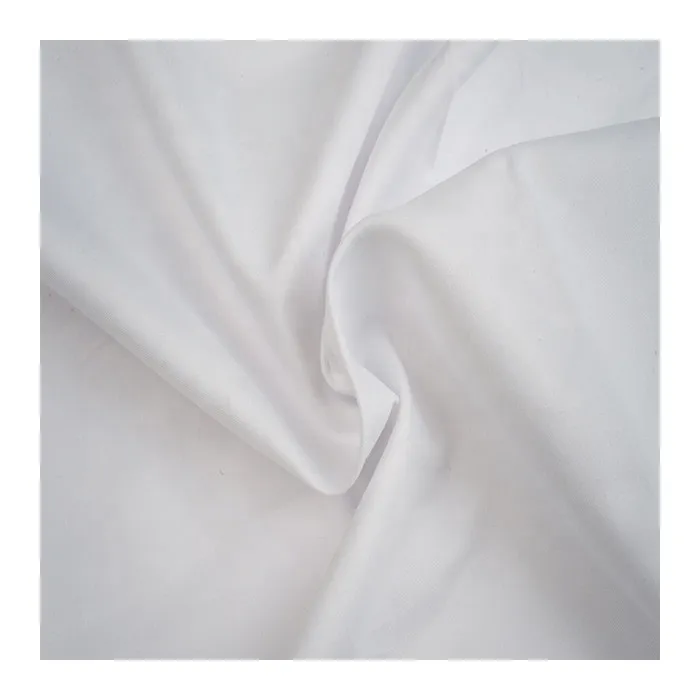
- Healthcare & Medical: Crucial for hospital bed sheets, patient gowns, doctor's coats, surgical drapes, and sterilization wraps. The fabric's ability to withstand harsh industrial laundering at high temperatures, often specified by standards like EN 13795, ensures sterility and infection control. For instance, lightweight bleached muslin fabric by the yard is often converted into bandages or instrument covers, requiring high purity and breathability.
- Hospitality & Home Textiles: Widely used for premium bed linens, pillowcases, duvets, and table cloths in hotels, resorts, and restaurants. The crisp white finish and durability against frequent washing cycles are paramount for maintaining a pristine environment.
- Apparel & Uniforms: Serves as a primary material for various garments, including shirts, blouses, linings, and school uniforms. Its smooth surface makes it excellent for printing and dyeing, while its breathability ensures comfort. Specialized blends like bleach 60 cotton 40 polyester are favored for uniforms in demanding sectors due to their enhanced tear strength and ease of maintenance.
- Industrial & Technical Applications: Utilized in manufacturing for interlinings, base cloths for coating, polishing cloths, and various wipes where absorbency and lint-free properties are essential. Its robust nature makes it suitable for use in environments such as automotive production or electronics assembly.
- Arts & Crafts: Plain bleached muslin is a staple for designers, artists, and crafters for prototyping, background material, and natural dyeing experiments.
The consistent quality and versatility across these sectors underscore the critical role of properly processed bleached cotton fabric in modern industry.
Technical Advantages and Performance Metrics
Our bleached cotton fabric solutions are engineered to deliver superior technical advantages, translating directly into tangible benefits for our B2B clients. These advantages are rooted in precision manufacturing and adherence to global quality standards.
- Exceptional Whiteness and Purity: Achieved through advanced bleaching processes, ensuring a high CIE Whiteness Index. This pristine white base is critical for medical applications requiring aseptic conditions and for dyeing or printing, allowing for true color rendition without undertone interference from the base fabric.
- Enhanced Durability and Longevity: Fabrics like our Tc65/35 blend benefit from the inherent strength of polyester combined with the comfort of cotton. This results in superior tensile and tear strength, making the fabric resistant to repeated stress from industrial laundering and daily wear. This extended service life significantly reduces replacement costs for institutions.
- Excellent Absorbency and Breathability: The cotton component ensures good moisture management and breathability, crucial for wearer comfort in apparel and for effective fluid absorption in medical or cleaning applications. Despite the blend, the semi-combed cotton maintains its natural properties efficiently.
- Dimensional Stability and Wrinkle Resistance: Our fabrics exhibit minimal shrinkage (typically less than 3% after multiple washes) and excellent shape retention, which is vital for garment consistency and professional appearance, particularly for uniforms and bed linens. The polyester content in blends like bleach 60 cotton 40 polyester significantly reduces wrinkling, simplifying care and maintenance.
- Superior Dyeing and Finishing Receptivity: The optimized bleaching process prepares the fabric for efficient uptake of dyes and various finishes, allowing for customization without compromising color brilliance or fabric integrity. This is a critical factor for brands requiring specific corporate colors or specialized treatments.
- Consistency and Reliability: Strict process controls and continuous quality assurance checks at every stage, from yarn spinning to final finishing, ensure batch-to-batch consistency. Clients can rely on uniform quality for large-scale production runs, minimizing rejects and ensuring product integrity.
- Cost-Effectiveness: The longevity and low maintenance requirements of our bleached cotton cloth contribute to a lower total cost of ownership over its lifecycle. While bleached cotton price can vary, our fabrics offer a competitive advantage through their extended utility and performance.
These advantages ensure that our fabrics not only meet but often exceed the rigorous demands of professional use, providing a reliable and high-performance base material for critical applications.
Vendor Comparison: Why Choose Bosswin Textile for Bleached Cotton Fabric
In a competitive market for bleached cotton fabric, selecting the right manufacturing partner is paramount. While many suppliers offer bleached textiles, our distinct advantages in quality, reliability, and service set us apart. Below is a comparison demonstrating our commitment to excellence, particularly with products like our Tc65/35 110x76 150cm Bleach Fabric Semi-combed Quality.
Bleached Cotton Fabric Vendor Comparison
| Feature/Metric | Bosswin Textile (Our Product) | Typical Market Competitor |
|---|---|---|
| Composition & Yarn Quality | Tc65/35 Semi-combed, Ne 21/21 for uniform texture and strength. | Often Tc65/35 Carded, lower yarn counts (e.g., Ne 20/20) leading to inconsistencies. |
| Whiteness Index (CIE) | > 80, consistently high for superior brightness. | Typically 70-75, may show slight yellowing. |
| Bleaching Agents | Hydrogen Peroxide (H₂O₂), eco-friendly, less fiber damage. | Chlorine-based bleaches, harsher on fibers, environmental concerns. |
| Shrinkage Rate | Max 3% after 5 washes, excellent dimensional stability. | Up to 5-7%, leading to fit issues and reduced garment life. |
| Colorfastness (to wash) | Grade 4-5 (ISO 105 C06), maintains color integrity. | Grade 3-4, potential for fading or dulling over time. |
| Certifications | ISO 9001, ISO 14001, Oeko-Tex Standard 100. | Often limited or partial certifications. |
| Supply Chain Visibility | Transparent, ethical sourcing, full traceability. | Limited or opaque, potential for unverified practices. |
Our dedication to superior raw materials, advanced processing techniques, and rigorous quality control results in a final product that consistently outperforms industry averages. This translates into greater value, fewer defects, and enhanced end-user satisfaction for our clients.
Customized Solutions and Application Case Studies
Understanding that diverse industries have unique requirements, we specialize in providing customized solutions for bleach cotton fabric. Our technical team works closely with clients to tailor fabric specifications, ensuring optimal performance for their specific applications.
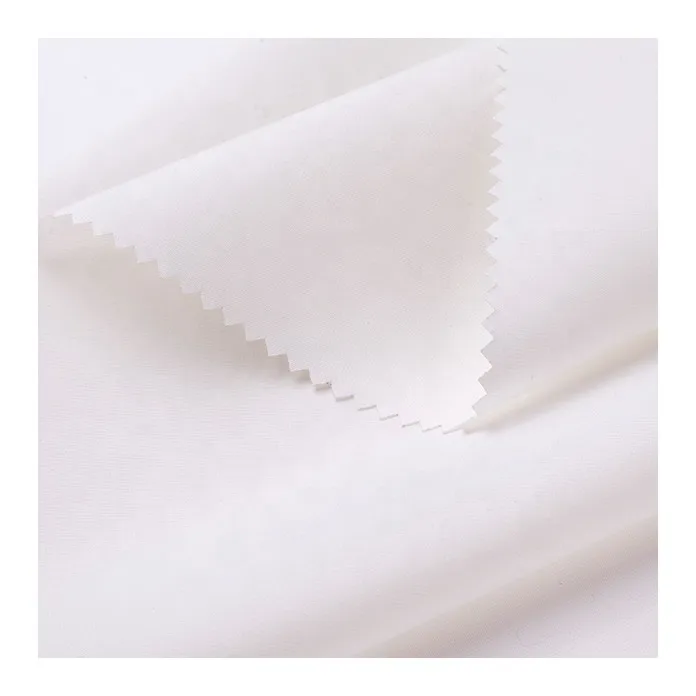
Customization Capabilities:
- Blend Ratios: Adjusting polyester-cotton ratios (e.g., bleach 60 cotton 40 polyester, or pure cotton for bleached muslin) to optimize for specific properties like strength, absorbency, or breathability.
- Weave Structures: Offering various weaves beyond plain weave, such as twill or satin, to achieve desired texture, drape, or strength.
- Weight and Density: Producing fabrics in a range of GSM (grams per square meter) and thread counts to meet specific application needs, from lightweight bleached muslin fabric by the yard to heavier industrial grades.
- Special Finishes: Applying finishes for enhanced performance, including:
- Antimicrobial/Antibacterial finishes for medical textiles (e.g., against MRSA).
- Water-repellent or stain-resistant finishes for hospitality.
- Wrinkle-free or easy-care finishes for uniforms.
- Fire-retardant treatments for specialized industrial or public sector applications (e.g., meeting NFPA 701 standards).
- Custom Widths: Manufacturing fabrics in widths tailored to client machinery and end-product dimensions, minimizing waste and optimizing production efficiency.
Application Case Studies:
Case Study 1: Healthcare Provider (Medical Textiles)
A large regional hospital system required a reliable supplier for their patient gowns and surgical drapes. They sought a fabric that could withstand over 100 cycles of aggressive industrial laundering at high temperatures, maintain its sterile appearance, and ensure patient comfort. We provided a custom version of our Tc65/35 blend, treated with an antibacterial finish and optimized for high whiteness (CIE > 85) and reduced pilling. Post-implementation feedback confirmed a 30% increase in average service life compared to their previous supplier, significantly reducing procurement costs and enhancing patient safety protocols, meeting FDA requirements for medical-grade textiles.
Case Study 2: Hotel Chain (Hospitality Linens)
A luxury hotel group needed bed linens that offered exceptional softness, pristine white aesthetics, and superior durability for their high-turnover properties. We developed a unique bleached cotton cloth with a higher thread count (e.g., 200 TC) and a specialized softening finish, while still ensuring its robustness against daily commercial washing. This solution resulted in higher guest satisfaction scores related to bedding comfort and appearance, alongside a measured 25% reduction in linen replacement frequency, directly impacting their operational efficiency and brand image.
These case studies illustrate our capability to not just supply fabric, but to partner with clients in developing tailored textile solutions that address specific operational challenges and contribute to their long-term success.
Trustworthiness, Support, and Logistics
At Bosswin Textile, we build lasting partnerships through transparency, reliability, and robust customer support. Our commitment to trustworthiness extends beyond product quality to every aspect of client engagement.
Frequently Asked Questions (FAQ):
- Q: What is the minimum order quantity (MOQ) for your bleached cotton fabrics?
A: Our standard MOQ for stock items like Tc65/35 110x76 150cm Bleach Fabric is typically 5,000 meters. For customized specifications, MOQs may vary and will be discussed during the consultation phase. - Q: Can you provide samples of your bleach cotton fabric?
A: Yes, we offer swatches and small yardage samples for evaluation. Please contact our sales team with your specific requirements. - Q: Are your bleaching processes environmentally friendly?
A: Absolutely. We primarily use hydrogen peroxide (H₂O₂) for bleaching, which decomposes into water and oxygen, minimizing environmental impact. Our facility adheres to ISO 14001 environmental management standards. - Q: How do you ensure consistent quality across large orders?
A: We implement a multi-stage quality control system, including in-process checks, final inspection, and third-party lab testing for critical parameters such as whiteness, shrinkage, and strength. Every batch undergoes rigorous evaluation to meet our internal benchmarks and client specifications. - Q: What is the typical lead time for a standard order?
A: For standard bleach cotton fabric orders, lead time is generally 20-30 days from order confirmation and deposit. Custom orders or larger volumes may require additional time, which will be communicated clearly at the time of quotation.
Lead Time & Fulfillment Details:
Our streamlined production and logistics ensure efficient order fulfillment. We maintain robust inventory levels for popular specifications and operate with flexible manufacturing schedules to accommodate urgent requirements. Our typical lead time for production is 20-30 days, followed by efficient shipping arrangements. We provide real-time updates on order status and collaborate with reputable logistics partners for reliable global delivery.
Warranty Commitments:
We stand behind the quality of our bleach cotton fabric. All our products are warranted against manufacturing defects for a period of 12 months from the date of shipment, provided they are stored and processed according to recommended industry practices. This warranty covers material conformity to agreed specifications and processing quality. Full warranty terms and conditions are available upon request.
Dedicated Customer Support:
Our dedicated B2B customer support team is available to assist with technical inquiries, order management, and after-sales service. We offer multi-channel support via phone, email, and a dedicated client portal. Our technical experts are ready to provide guidance on fabric selection, processing recommendations, and troubleshooting to ensure your operations run smoothly and efficiently.
References
- ISO. (n.d.). International Organization for Standardization. Retrieved from https://www.iso.org
- AATCC. (n.d.). American Association of Textile Chemists and Colorists. Retrieved from https://www.aatcc.org
- Textile Institute. (n.d.). The Textile Institute. Retrieved from https://www.textileinstitute.org
- Oeko-Tex. (n.d.). Oeko-Tex Standard 100. Retrieved from https://www.oeko-tex.com
- ASTM International. (n.d.). ASTM Standards for Textiles. Retrieved from https://www.astm.org
-
Ultimate Guide to Using a Pressing Cloth for Professional FinishesNewsApr.16,2026
-
Elevate Your Fashion Designs with Premium Poly Crepe Fabric GuideNewsApr.09,2026
-
Exploring the Benefits of Premium Poly Cotton Fabric for Diverse ApplicationsNewsApr.07,2026
-
Discover the Luxury and Benefits of Premium Cotton FabricsNewsApr.04,2026
-
Exploring the Versatility and Benefits of Power Mesh Fabric ApplicationsNewsMar.31,2026
-
Comprehensive Guide to Poplin Material Properties and Diverse ApplicationsNewsMar.28,2026
-
A Comprehensive Guide to Poplin Fabric Characteristics and ApplicationsNewsMar.26,2026