
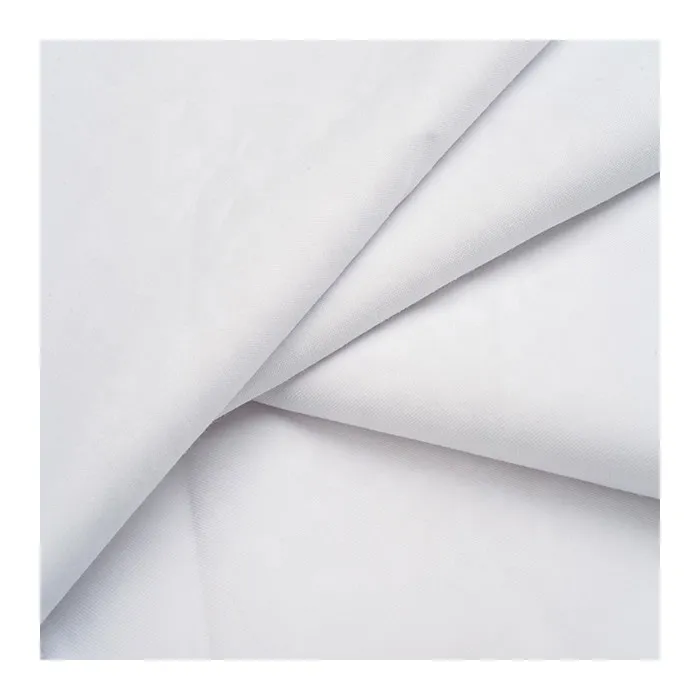
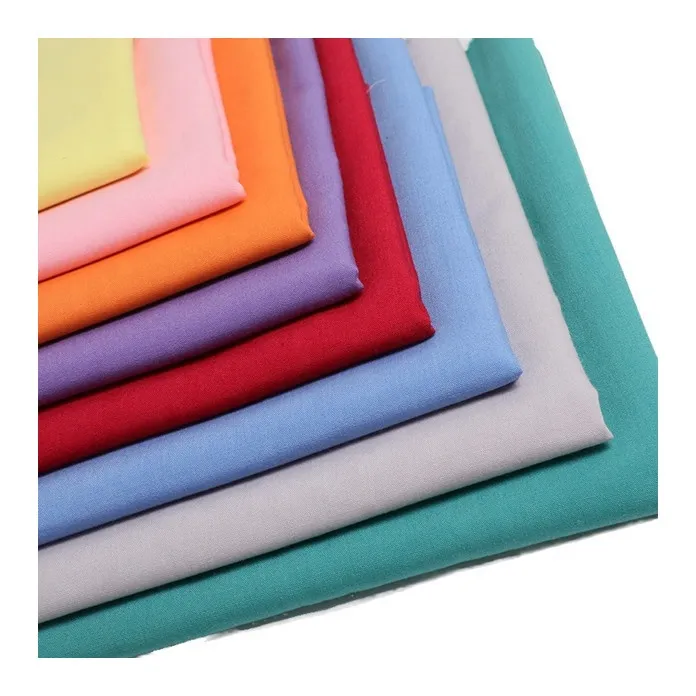
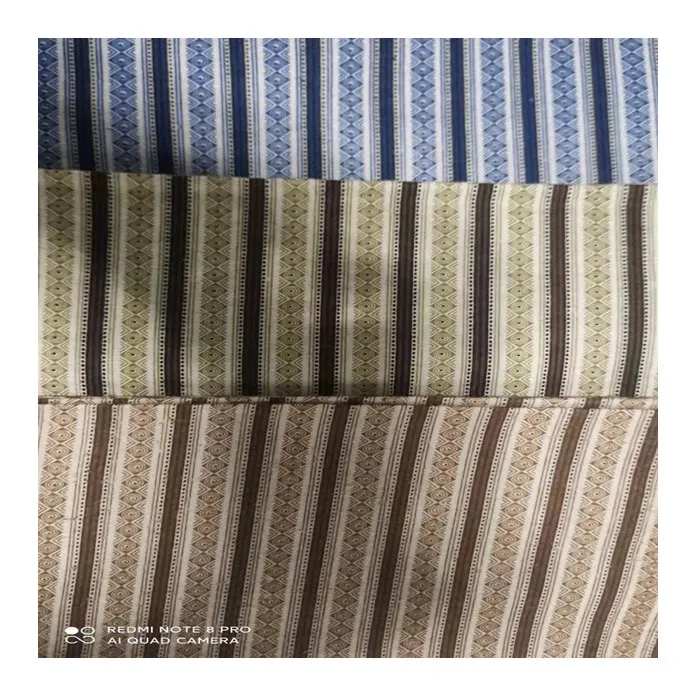
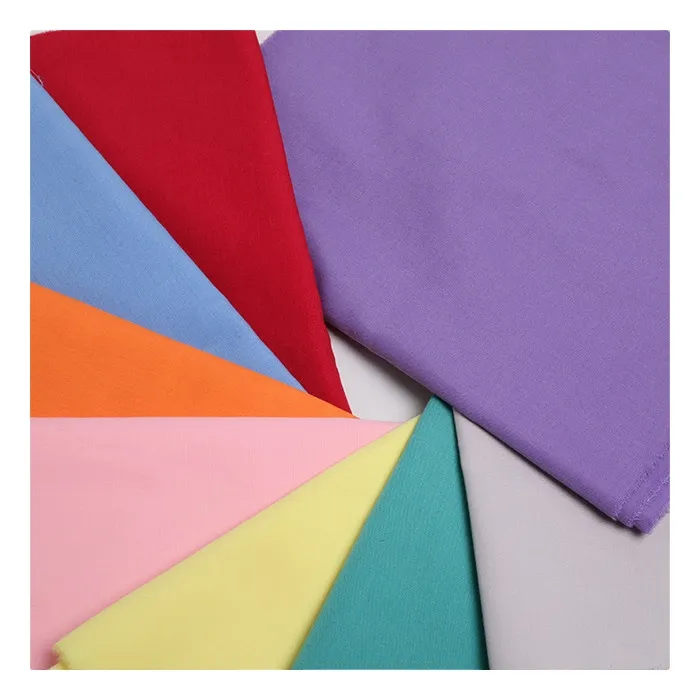
Premium stretch cotton poplin fabric Solutions for Ecuador

Elevating the Ecuadorian textile industry with high-performance cotton blends and advanced weaving technology for versatile apparel manufacturing.

Premium stretch cotton poplin fabric Solutions for Ecuador

Providing the Ecuadorian garment sector with specialized cotton yarns and finished fabrics that balance breathability, elasticity, and durability for the diverse Andean and coastal climates.

The Current State of Textile Manufacturing in Ecuador

Analyzing the demand for functional fabrics in the South American market

Ecuador's textile landscape is uniquely divided between the humid coastal regions and the cool highlands of the Sierra. This climatic diversity has created a strong demand for cotton flannel material in the mountains for warmth, while coastal cities prioritize lightweight, breathable materials for professional attire.

Currently, local manufacturers are shifting from basic cotton to performance blends. The adoption of stretch poplin has surged as Ecuadorian fashion brands move toward "athleisure" and high-end corporate wear that requires a tailored fit without sacrificing movement.

Despite the presence of raw cotton, the regional capacity for high-precision finishing—such as the elastane integration found in stretch cotton poplin—remains reliant on advanced international imports to meet the quality standards of the export market.
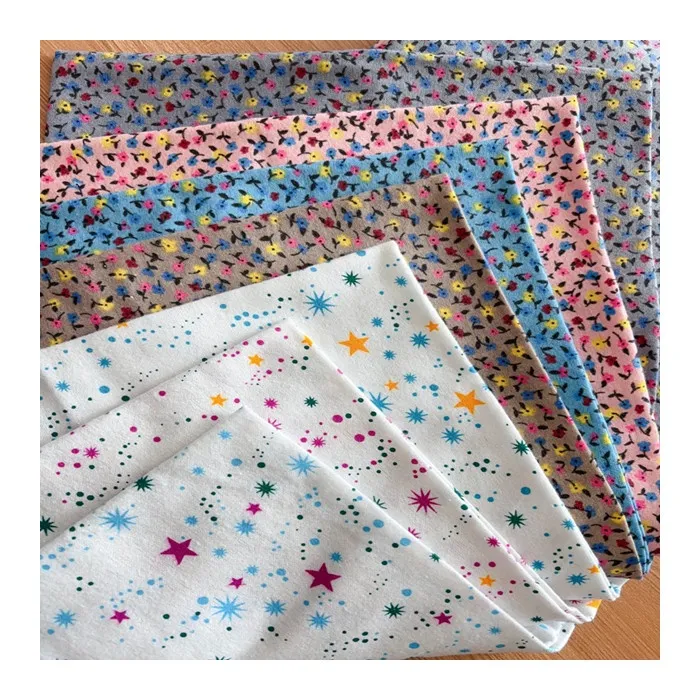
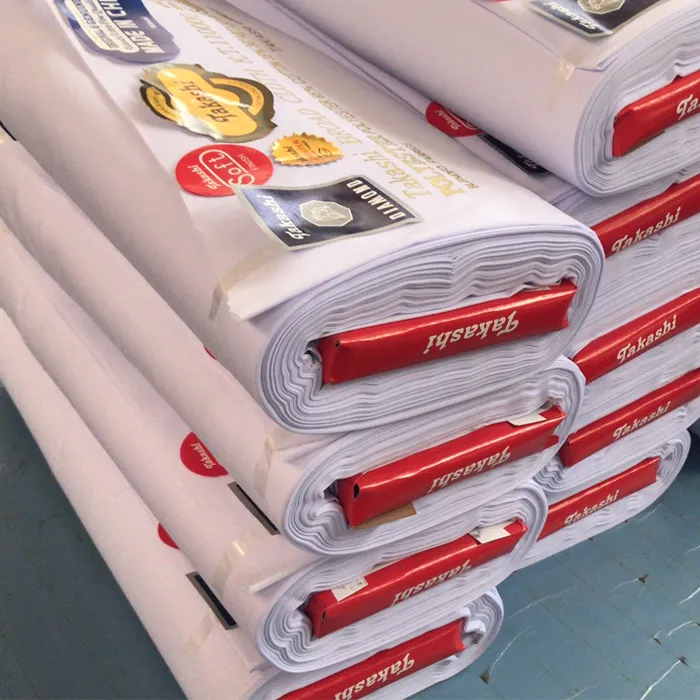
Evolution of Cotton Processing in the Andean Region

From traditional weaving to high-elasticity technical textiles

Market Development History

In the early 2000s, Ecuador's cotton industry focused primarily on raw fiber exports and basic weaving. Production was dominated by rigid structures, where poplin was used mainly for uniforms with little to no elasticity.

Between 2010 and 2020, the introduction of computerized looms allowed for tighter weaves. This era saw the rise of stretch poplin fabric, as manufacturers began blending spandex into cotton to meet the growing demand for form-fitting apparel.

Today, the focus has shifted toward "Smart Finishing." The industry now integrates moisture-wicking and anti-wrinkle treatments into stretch cotton poplin fabric, catering to a professional class that demands low-maintenance, high-comfort clothing.

Future Development Trends

Sustainable Elasticity

The trend is moving toward biodegradable elastomers blended with organic cotton to reduce the environmental footprint of stretch fabrics in South America.

Precision Finishing

Increasing demand for nano-coatings on poplin surfaces to provide water resistance while maintaining the natural breathability of cotton.

Climate-Adaptive Weaves

Development of hybrid weights that allow a single fabric type to be viable for both the Quito highlands and the Guayaquil coast.

Industry Trends & Future Outlook

Predicting the next 5 years of cotton spinning and finishing

Eco-Friendly Blends
Shift toward recycled cotton and organic spandex to meet EU export regulations from Ecuador.
Digital Weaving
Implementation of AI-driven loom adjustments to ensure zero-defect poplin production.
Stretch Optimization
Optimizing the recovery rate of stretch fabrics to prevent bagging in high-wear areas.
Hyper-Localization
Developing fabrics specifically treated for high humidity levels seen in Guayaquil.

Industry Outlook

Google search trends for "functional fabrics" and "sustainable cotton" in South America indicate a strong movement toward apparel that combines comfort with environmental responsibility. We expect a 15% increase in demand for hybrid poplins that offer both luxury feel and athletic performance.

The integration of smart dyes and recycled yarns will be the primary driver for growth, allowing Ecuadorian manufacturers to compete on a global scale while maintaining local production values.

Localized Application Scenarios in Ecuador

How our cotton fabrics solve real-world regional challenges

01. Highland Executive Wear

Utilizing stretch cotton poplin fabric for tailored suits and shirts in Quito, providing the necessary warmth and a sharp look that adapts to the user's movement.

02. Coastal Corporate Uniforms

Implementing lightweight stretch poplin for corporate uniforms in Guayaquil to ensure breathability in extreme humidity while maintaining professional creases.

03. Andean Winter Apparel

Designing heavy-duty shirts and lounge wear using premium cotton flannel material for the cold mountain nights of the Sierra region.

04. Modern Hospitality Linens

Supplying boutique hotels in Galapagos and Cuenca with high-thread-count poplins that offer a luxury feel with the durability of industrial cotton spinning.

05. High-End Casual Fashion

Creating flexible, urban-style clothing for the youth market in Ecuador using a blend of stretch cotton and sustainable fibers for maximum comfort.

Brand Story

Global Development History of Hebei Bosswin Textile Technology Co., Ltd.

Founding Excellence

Established with a mission to revolutionize cotton spinning, we focused on the purity of raw materials and the precision of the weaving process.

Technical Breakthroughs

We pioneered the integration of high-recovery elastane into cotton poplins, solving the problem of fabric deformation in stretch garments.

Global Expansion

Expanding our reach to South America, we adapted our finishing techniques to suit the specific climatic needs of markets like Ecuador.

Sustainable Innovation

Implementing closed-loop water systems in our dyeing process to ensure that our high-quality fabrics are also environmentally responsible.

Industry Leadership

Today, we stand as a leading partner for global brands, providing cutting-edge cotton solutions that balance luxury, function, and sustainability.

Common Questions on Cotton Fabrics in Ecuador

Expert answers to technical queries regarding cotton poplin and flannel

What makes stretch cotton poplin fabric suitable for humid climates?

Our fabrics combine the natural breathability of high-grade cotton with a small percentage of spandex, allowing air circulation while providing the flexibility needed for active movement in humid environments.

How does cotton flannel material perform in the Andean highlands?

The brushed surface of our flannel creates an insulating layer of air, which is essential for maintaining body heat during the cold nights in Quito and the surrounding mountain ranges.

Is stretch poplin fabric resistant to frequent washing?

Yes, by using high-tenacity cotton yarns and premium elastane, our stretch poplin maintains its shape and elasticity even after repeated industrial laundry cycles.

What is the difference between standard poplin and stretch poplin?

Standard poplin is a rigid plain weave. Stretch poplin incorporates elastic fibers, providing a dynamic fit that reduces tension on seams and increases wearer comfort.

Can you customize the weight of the cotton flannel material?

Absolutely. We offer various GSM (grams per square meter) options to ensure the fabric is either lightweight for transitional seasons or heavy-weight for winter.

Which stretch cotton poplin is best for professional uniforms?

We recommend a 97% cotton and 3% spandex blend. This ratio provides the perfect balance of a crisp, professional appearance and the flexibility required for long working hours.

Request a Technical Sample

Partner with the leading cotton textile expert to enhance your production line in Ecuador.

Contact Us Now

If you are interested in our products, you can choose to leave your information here, and we will be in touch with you shortly.