

Soft Cotton Flannel Cloth & Fabric | Organic & Natural Choices
Introduction to High-Performance Cotton Flannel Cloth for Industrial Applications
In the specialized realm of B2B textiles, the selection of appropriate materials is paramount for product performance, longevity, and end-user satisfaction. Among the foundational fabrics, cotton flannel cloth stands out as a versatile and indispensable material, widely utilized across various sectors due to its unique combination of softness, thermal insulation, and absorbency. This article delves into the technical specifications, manufacturing intricacies, and diverse applications of high-quality flannel, particularly focusing on CVC (Chief Value Cotton) printed variants engineered for demanding markets. Our objective is to provide B2B decision-makers and technical buyers with a comprehensive understanding of this critical textile, ensuring informed procurement and optimized application.
The demand for robust and reliable textile solutions continues to grow, and the evolution of fabrics like CVC printed flannel directly addresses these needs by offering enhanced durability and performance characteristics. From consumer goods to specialized industrial uses, understanding the nuances of this fabric is essential for leveraging its full potential.
Current Industry Trends and Market Dynamics in Flannel Fabrics
The global textile industry is experiencing dynamic shifts, influenced by sustainability mandates, technological advancements, and evolving consumer preferences. For fabrics like cotton flannel fabric, several key trends are shaping its production and application:
- Sustainability & Organic Certifications: There's a growing emphasis on environmentally friendly production. Demand for organic cotton flannel is increasing, driven by ethical sourcing and reduced chemical impact, particularly in baby products and sensitive apparel markets.
- Technical Performance Blends: The integration of synthetic fibers, such as polyester in CVC blends, enhances properties like durability, wrinkle resistance, and color retention while maintaining the desired feel of soft flannel fabric. This blend optimizes performance for specific end-uses.
- Customization and Specialization: Manufacturers increasingly seek tailored solutions, including specific weights (e.g., 120gsm), bespoke patterns, and specialized finishes. This includes demand for specific colorways like white flannel fabric, black cotton flannel, or grey cotton flannel fabric to meet diverse design and branding requirements.
- Regional Market Demands: Markets such as Iraq demonstrate specific requirements for textile imports, often prioritizing durability, vibrant prints, and value, which CVC printed flannel fabrics are well-positioned to meet.
- Smart Textiles Integration: While still nascent for traditional flannel, advancements in fabric technology are paving the way for potential future integrations, such as enhanced moisture-wicking properties or even smart-textile functionalities, pushing the boundaries of what cotton flannelette fabric can offer.
These trends underscore the importance of agile manufacturing and a deep understanding of market needs to remain competitive and innovative in the flannel textile sector.
Manufacturing Process Flow of Cotton Flannel Cloth
The production of cotton flannel fabric is a meticulous process, combining traditional textile techniques with modern technological advancements to achieve its characteristic softness and warmth. The CVC blend introduces additional considerations for fiber preparation and blending.
Key Stages of Flannel Production:
-
Fiber Preparation and Blending:
- Raw Material Sourcing: High-quality cotton fibers and polyester staple fibers are selected. For organic cotton flannel, GOTS-certified cotton is sourced.
- Opening & Cleaning: Bales of cotton are opened, and impurities are removed. Polyester fibers are processed similarly.
- Blending (for CVC): Cotton and polyester fibers are precisely blended (e.g., 60% Cotton, 40% Polyester) to achieve the desired CVC composition, ensuring homogeneity for consistent yarn quality.
- Carding: Fibers are straightened and aligned into a web, forming a 'sliver'.
- Combing (Optional): For finer yarns, short fibers and remaining impurities are removed, resulting in a smoother, stronger yarn.
-
Spinning:
- Slivers are drawn out and twisted to form yarns of a specific count (e.g., 20s, 32s). The quality of spinning directly impacts the final fabric's strength and evenness.
-
Weaving:
- Yarns are woven on looms (typically plain or twill weave) to create the greige fabric. The weave structure impacts the fabric's stability and how well it accepts the napping process.
-
Dyeing and Printing:
- The greige fabric can be dyed solid colors (e.g., for white cotton flannel or black variants) or printed with intricate designs using reactive, pigment, or disperse dyes, depending on the fiber composition and desired effect.
-
Napping (Brushing):
- This is the definitive step for flannel. The fabric surface is mechanically brushed with rotating cylinders fitted with wire brushes or sandpaper. This raises fiber ends, creating the characteristic soft, fuzzy pile. This can be done on one side or both, influencing the fabric's handfeel and thermal properties.
-
Finishing:
- Shearing: Excess fiber from napping is trimmed to ensure uniform pile height.
- Singeing: (If required for specific finishes) removes surface fuzz not desirable for certain applications.
- Mercerization: (For 100% cotton) improves strength, luster, and dye uptake.
- Sanforization/Compacting: Preshrinks the fabric to minimize future shrinkage, adhering to ISO 6330 standards for dimensional stability.
- Inspection & Packaging: Final quality checks are performed against standards like ISO 9001, AATCC, and ASTM for parameters such as weight, width, colorfastness (ISO 105), pilling resistance (ISO 12945), and tensile strength (ASTM D5034).
This rigorous process ensures the resulting cotton flannel fabric meets stringent quality and performance criteria essential for industrial and commercial applications.
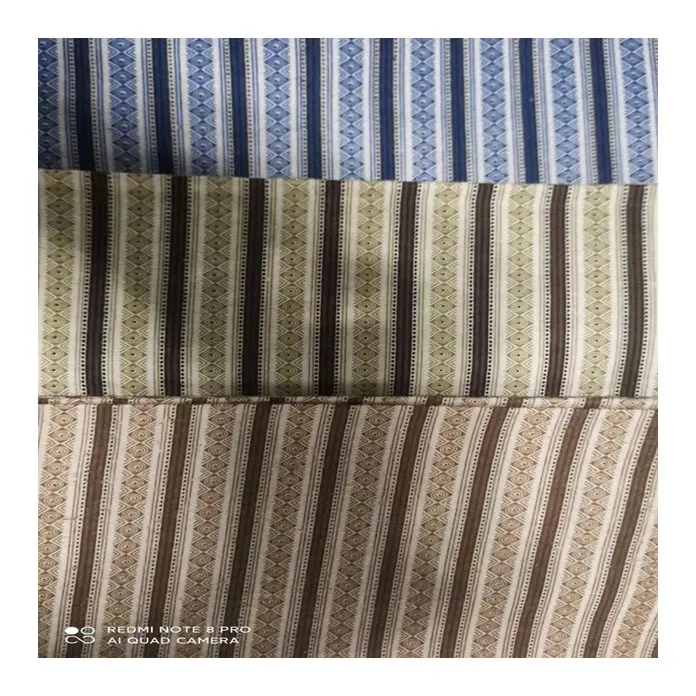
Technical Specifications and Parameters: CVC Printed Flannel Fabric 120gsm
Understanding the detailed technical specifications of cotton flannel cloth is crucial for B2B procurement, ensuring the material aligns perfectly with application requirements. The CVC Printed Flannel Fabric 120gsm, specifically designed for markets like Iraq, embodies a balance of cotton comfort and polyester durability.
Product Specification Table: CVC Printed Flannel Fabric 120gsm
| Parameter | Specification | Testing Standard |
|---|---|---|
| Material Composition | CVC (Chief Value Cotton) - Typically 60% Cotton / 40% Polyester | ISO 1833 (Textile Fibres Quantitative Chemical Analysis) |
| Fabric Weight | 120 grams per square meter (gsm) ± 5% | ISO 3801 (Determination of Mass per Unit Length and Mass per Unit Area) |
| Fabric Width | Typically 150cm (59 inches) or customizable | Manufacturer's Internal QC |
| Weave Type | Plain Weave or Twill Weave | ISO 7211 (Textiles – Weaves – Definitions) |
| Yarn Count (Warp/Weft) | Typically 20s-32s Ne (e.g., 32S x 32S) | ASTM D1059 (Yarn Number Based on Short Lengths) |
| Colorfastness to Washing | Grade 4-5 (on a scale of 1-5, 5 being best) | ISO 105-C06 (Colour Fastness to Domestic and Commercial Laundering) |
| Colorfastness to Rubbing (Dry/Wet) | Dry: Grade 4-5; Wet: Grade 3-4 | ISO 105-X12 (Colour Fastness to Rubbing) |
| Shrinkage (Warp/Weft) | ≤ 3% after 3 washes | ISO 6330 (Domestic Washing and Drying Procedures for Textile Testing) |
| Pilling Resistance | Grade 3-4 (on a scale of 1-5, 5 being best) | ISO 12945-2 (Determination of Fabric Propensity to Surface Fuzzing and to Pilling – Modified Martindale Method) |
| Breaking Strength (Warp/Weft) | Typically > 400N / > 350N | ASTM D5034 (Breaking Strength and Elongation of Textile Fabrics – Grab Test) |
| Printing Method | Rotary Screen Printing or Digital Printing | Manufacturer's Process Control |
| Finish | Brushed (Napped) on one or both sides, Calendered | Visual and Tactile Inspection |
These detailed specifications ensure that the CVC Printed Flannel Fabric 120gsm delivers consistent quality and performance, making it suitable for a wide array of applications where durability, aesthetic appeal, and comfort are paramount. The hybrid nature of CVC (cotton-polyester) offers enhanced resilience and ease of care compared to pure natural cotton flannel.
Diverse Application Scenarios of Cotton Flannel Cloth
The inherent properties of cotton flannel fabric—softness, warmth, and absorbency—make it an exceptionally versatile material across numerous industries. Its CVC blended variant further extends its utility to applications demanding enhanced durability and ease of maintenance.
- Apparel Manufacturing:
- Shirts and Blouses: The most common application, providing warmth and comfort, often utilizing intricate printed patterns or solid colors like black cotton flannel for stylistic versatility.
- Pajamas and Loungewear: Its soft handfeel and thermal properties are ideal for sleepwear, enhancing comfort.
- Baby and Children's Wear: Gentle on sensitive skin, often using organic cotton flannel for added safety and comfort in blankets, sleep sacks, and apparel.
- Linings: Used as a comfortable and warm lining for jackets, coats, and workwear.
- Home Textiles:
- Bedding: Flannel sheets, duvet covers, and pillowcases are highly popular for their warmth and cozy feel, especially in colder climates.
- Blankets and Throws: Widely used for creating comfortable and inviting home decor items.
- Upholstery and Cushions: While less common for primary upholstery, it can be used for decorative elements or in specific casual furniture designs.
- Industrial and Commercial Uses:
- Cleaning Cloths and Wipes: The absorbency and soft texture of cotton flannelette fabric make it excellent for polishing, wiping surfaces, and spill management in automotive, janitorial, and manufacturing settings. White cotton flannel is often preferred for applications where color bleed must be avoided.
- Protective Packaging: Used to wrap delicate items to prevent scratches during transport or storage.
- Medical and Healthcare: Applications include gentle patient coverings, sanitary wipes, or as a component in certain medical devices where a soft, breathable material is needed.
The adaptability of soft flannel fabric, particularly in its CVC blend, ensures its continued relevance and growth across these diverse sectors, offering both aesthetic appeal and functional performance.
Technical Advantages of CVC Flannel Fabrics
The CVC blend significantly enhances the inherent advantages of traditional cotton flannel cloth, making it a superior choice for a broad spectrum of commercial and industrial applications. These technical advantages directly translate to improved product performance, longevity, and cost-effectiveness for B2B clients.
- Enhanced Durability and Longevity: The inclusion of polyester fibers in the CVC blend significantly improves the fabric's tensile strength and abrasion resistance compared to 100% cotton flannel. This means products made from CVC flannel will withstand repeated washing and heavy use, extending their service life and reducing replacement costs. This is particularly vital for industrial wiping cloths or high-wear apparel.
- Superior Dimensional Stability: CVC blends typically exhibit lower shrinkage rates and better shape retention. This ensures that garments and home textiles maintain their original size and form even after numerous laundering cycles, a critical factor for consistent product quality in apparel manufacturing and bedding.
- Excellent Colorfastness: Polyester fibers have an inherent affinity for disperse dyes, and the blend allows for robust color application. This translates to superior color retention and resistance to fading, even under harsh washing conditions or prolonged exposure to light. This ensures the vibrant prints or solid hues of grey cotton flannel fabric remain aesthetically pleasing over time.
- Improved Wrinkle Resistance: The polyester component helps to minimize creasing and wrinkling, making CVC flannel easier to care for and maintain. This is beneficial for apparel that requires a neat appearance without extensive ironing.
- Optimized Thermal Regulation & Softness: While retaining the characteristic warmth and softness derived from the cotton fibers and the napping process, the blend offers a lighter feel without compromising thermal insulation. The brushed surface provides the comforting touch of soft flannel fabric while the blend adds resilience.
- Versatile Printability: CVC flannel provides an excellent substrate for various printing techniques, allowing for a wide range of intricate designs and vibrant colors, catering to specific market demands such as those observed in the Iraq market for printed fabrics.
- Pilling Resistance: Quality CVC flannel, when properly finished, exhibits good resistance to pilling, maintaining a smoother surface and aesthetic appeal over its lifespan.
These combined technical attributes underscore why CVC flannel fabrics are a preferred choice for applications demanding a balance of comfort, durability, and visual appeal, offering significant value to B2B clients.
Vendor Comparison: Sourcing Quality Cotton Flannel Fabric
Selecting the right supplier for cotton flannel fabric is critical for ensuring consistent quality, competitive pricing, and reliable delivery. This comparison focuses on key differentiators among textile vendors, highlighting the value proposition of a specialized manufacturer like Bosswin Textile.
Product Comparison Table: Flannel Fabric Suppliers
| Feature/Vendor | Generic Vendor A (Cost-Focused) | Generic Vendor B (Mid-Range) | Bosswin Textile (Specialized & Quality-Oriented) |
|---|---|---|---|
| Material Composition | Often 100% Cotton (lower grade) or unbalanced blends. | Standard 100% Cotton or basic CVC. | Premium CVC (e.g., 60/40 Cotton/Poly), available in organic cotton flannel. Balanced for durability and comfort. |
| Fabric Weight Range | Limited range, often lighter GSM for cost savings. | Standard commercial weights (e.g., 100-150gsm). | Flexible, including specialized weights like 120gsm for specific market needs (e.g., Iraq). |
| Finishing & Softness | Basic brushing, potential for inconsistent handfeel. | Standard brushed finish, generally good soft flannel fabric. | Advanced napping techniques, consistent luxurious handfeel, superior soft flannel fabric. |
| Printing Quality | Limited pattern options, lower print resolution, prone to fading. | Decent print quality, standard colorfastness. | High-definition rotary and digital printing, excellent color vibrancy and ISO 105 certified colorfastness. |
| Certifications & Compliance | Minimal or no international certifications. | Some basic certifications (e.g., ISO 9001). | ISO 9001, Oeko-Tex Standard 100 (for natural cotton flannel options), adherence to ASTM, AATCC standards. |
| Customization Options | Very limited; off-the-shelf products. | Moderate flexibility for color and simple patterns. | Extensive, including custom blends, weights, widths, finishes, and bespoke pattern design. |
| Lead Time & Logistics | Can be unpredictable, limited export experience. | Standard lead times, decent logistics. | Reliable and transparent lead times, significant export experience to global markets, including Iraq. |
For B2B buyers, prioritizing a vendor that excels in material science, quality control, and customer-centric customization, like Bosswin Textile, is paramount to mitigating risks and ensuring high-performance textile solutions for long-term success.
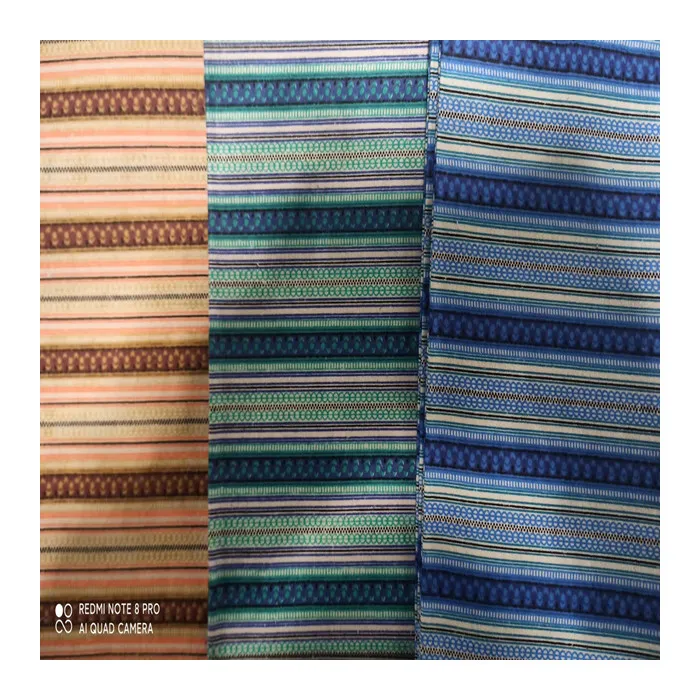
Customized Solutions for Cotton Flannel Cloth
Recognizing that off-the-shelf solutions rarely meet every specific B2B requirement, providers of cotton flannel fabric must offer robust customization capabilities. These bespoke solutions allow clients to tailor flannel to precise performance, aesthetic, and budgetary needs, ensuring optimal integration into their product lines.
- Custom Fiber Blends and Ratios: Beyond standard CVC, clients can specify unique cotton-polyester ratios or even introduce other fibers (e.g., viscose for drape, modal for enhanced softness) to achieve specific properties for their cotton flannel fabric. This is crucial for applications demanding particular breathability, strength, or handfeel.
- Variable Fabric Weights (GSM): While 120gsm is a popular choice for markets like Iraq, customization extends to a wider range of weights, from lighter options for summer apparel to heavier variants for robust industrial wipes or thermal blankets.
- Width and Roll Length Customization: Fabric can be produced in specific widths to minimize cutting waste for client manufacturing processes. Custom roll lengths can also be accommodated to fit unique logistical or production line requirements.
- Bespoke Dyeing and Printing: Clients can provide precise Pantone references for solid colors (e.g., custom shades of grey cotton flannel fabric, white flannel fabric, or black cotton flannel) or submit their own proprietary artwork for digital or rotary screen printing. This allows for exclusive designs and branding integration.
- Specialized Finishing Treatments:
- Anti-Pilling Finish: To enhance the longevity and aesthetic appeal of the soft flannel fabric.
- Anti-Bacterial/Anti-Microbial: Essential for healthcare textiles or specific industrial applications.
- Water-Repellent or Stain-Resistant: For specific performance needs in home textiles or outdoor gear.
- Flame Retardant: For safety-critical applications, adhering to relevant international standards.
- Brushing Intensity: The level of napping can be adjusted to create a softer, loftier pile or a more subdued, durable surface, depending on the desired end-use.
These tailored solutions underscore a commitment to partnership, ensuring that the supplied cotton flannel fabric perfectly integrates into and enhances the client's final product, offering distinct market advantages.
Application Case Studies: Real-World Success with Flannel
The practical application of high-quality cotton flannel cloth demonstrates its tangible benefits in diverse commercial settings. These case studies highlight how tailored solutions and technical expertise translate into successful product development and market penetration.
Case Study 1: Premium Children's Apparel for European Market
A leading European children's wear brand sought a fabric for its autumn/winter collection that offered exceptional softness, warmth, and certified safety. Their requirement was for organic cotton flannel to meet stringent EU regulations and consumer demand for sustainable products.
- Challenge: Source GOTS-certified organic cotton flannel with consistent softness, low shrinkage, and vibrant, non-toxic dyes suitable for children's delicate skin.
- Solution: Partnered with a supplier offering GOTS-certified natural cotton flannel with a 150gsm weight, brushed on both sides for maximum softness, and dyed using Oeko-Tex Standard 100 compliant pigments.
- Outcome: The brand successfully launched its collection, receiving positive customer feedback on the fabric's comfort, durability, and ethical sourcing. The low shrinkage (under 2%) also minimized quality control issues.
Case Study 2: High-Volume Bedding for the Middle East
A large bedding distributor targeting the Middle Eastern market, particularly Iraq, required durable, aesthetically pleasing, and cost-effective cotton flannel fabric for duvet covers and sheet sets. The specific requirement was for 120gsm CVC printed flannel with intricate patterns.
- Challenge: Provide a CVC blend that offered the warmth of cotton with the durability of polyester, capable of holding complex, vibrant prints that resonate with local aesthetic preferences, while ensuring excellent colorfastness for repeated washing.
- Solution: A specialized CVC Printed Flannel Fabric at 120gsm was developed, featuring a 60% cotton/40% polyester blend. Advanced rotary screen printing techniques were utilized to produce intricate, culturally relevant designs with superior color retention (ISO 105 Grade 4-5).
- Outcome: The distributor reported a significant increase in sales and market share, attributing success to the fabric's perceived quality, vibrant designs, and resistance to wear and fading. The CVC blend offered a compelling value proposition of comfort and longevity.
Case Study 3: Industrial Wiping Solutions for Automotive Sector
An industrial supplier to the automotive manufacturing sector required large quantities of highly absorbent and lint-free wiping cloths. They needed a material that was gentle enough for polished surfaces but robust enough for heavy-duty cleaning. White cotton flannel was identified as a strong candidate.
- Challenge: Source a consistent supply of durable, highly absorbent cotton flannelette fabric with minimal linting, available in large, economically viable quantities, and typically in white flannel fabric form to prevent dye transfer.
- Solution: A dedicated production line for unprinted, 100% white cotton flannel (180gsm) was established, optimized for maximum absorbency and low lint properties through specialized finishing. The fabric was supplied in extra-wide rolls to facilitate efficient cutting by the client.
- Outcome: The automotive client reported reduced surface scratches, improved cleaning efficiency, and a significant reduction in material costs due to the flannel's superior reusability and durability compared to previous alternatives.
Authoritativeness and Trustworthiness
Establishing authority and trustworthiness is paramount in B2B relationships. Our commitment to excellence in cotton flannel fabric production is underpinned by rigorous adherence to international standards, transparent operations, and dedicated customer support.
Certifications and Quality Assurance:
- ISO 9001:2015 Certification: Our manufacturing processes adhere to the highest international standards for quality management, ensuring consistency and reliability in every batch of cotton flannel fabric.
- Oeko-Tex Standard 100: For products containing natural cotton flannel or organic cotton flannel, this certification guarantees that the fabric is free from harmful substances, ensuring safety for end-users, especially in baby products and sensitive apparel.
- Adherence to ASTM, AATCC, and ISO Standards: All technical parameters, from colorfastness (ISO 105) to pilling resistance (ISO 12945) and dimensional stability (ISO 6330), are rigorously tested against relevant global benchmarks, providing verifiable data for every order.
- Internal Laboratory Testing: Our state-of-the-art in-house laboratory conducts continuous quality checks throughout the production cycle, from raw material inspection to finished product evaluation.
Trustworthiness: Your Partner in Textile Solutions
- Extensive Industry Experience: With decades of experience in textile manufacturing and export, we possess deep market insight and technical expertise in producing high-quality cotton flannel fabric for diverse global markets.
- Transparent Lead Times & Fulfillment: Typical lead times range from 25 to 45 days, depending on order size and customization requirements. We maintain clear communication on production schedules and logistics, supported by robust supply chain management, particularly for efficient export to regions like the Middle East.
- Warranty & Quality Commitment: We stand behind the quality of our fabrics. Any material found not to conform to agreed-upon specifications or industry standards will be addressed promptly, with corrective actions and appropriate remedies provided.
- Dedicated Customer Support: Our dedicated sales and technical support teams provide comprehensive assistance, from initial consultation and sample development to order tracking and after-sales service. We ensure a seamless experience and expert guidance for all your cotton flannel fabric needs.
Frequently Asked Questions (FAQ):
- Q: What is CVC flannel and why is it preferred?
- A: CVC (Chief Value Cotton) flannel is a blend of cotton and polyester, typically with cotton being the dominant fiber (e.g., 60% cotton, 40% polyester). It is preferred for its balanced properties, offering the softness and breathability of cotton with the enhanced durability, wrinkle resistance, and colorfastness of polyester, making it ideal for high-wear applications and vibrant prints.
- Q: How does the napping process contribute to soft flannel fabric?
- A: Napping is a mechanical finishing process where a fabric's surface is brushed, raising loose fiber ends to create a soft, fuzzy pile. This process not only imparts the characteristic soft handfeel but also enhances thermal insulation by trapping air within the raised fibers, contributing to the warmth of cotton flannel cloth.
- Q: Are eco-friendly options like organic cotton flannel available?
- A: Yes, we offer organic cotton flannel sourced from GOTS-certified cotton, ensuring environmentally responsible manufacturing and adherence to strict ecological and social criteria. These options are ideal for brands focusing on sustainability and consumer safety.
- Q: What is the minimum order quantity (MOQ) for customized cotton flannel fabric?
- A: Our MOQs vary depending on the level of customization and specific fabric type. Typically, for custom prints and specific blends, MOQs can range from 3,000 to 5,000 meters. Please contact our sales team for detailed information tailored to your project.
- Q: How can I ensure the colorfastness of printed flannel?
- A: We strictly adhere to ISO 105 standards for colorfastness testing (e.g., to washing, rubbing, light). Our advanced printing techniques and high-quality dyes ensure that our printed cotton flannel fabric exhibits excellent color retention, providing detailed test reports upon request to confirm compliance.
Conclusion
The continuous evolution of cotton flannel cloth, particularly in innovative blends like CVC, positions it as a highly adaptable and valuable textile for a broad spectrum of B2B applications. From meeting the stringent quality demands of international apparel brands to fulfilling the specific aesthetic and durability requirements of regional markets such as Iraq, specialized flannel fabrics offer a compelling blend of comfort, performance, and aesthetic appeal. By leveraging advanced manufacturing processes, adhering to global quality standards, and offering extensive customization options, suppliers of high-quality flannel are pivotal in driving innovation and success across diverse industries.
Partnering with an experienced and quality-focused textile manufacturer ensures access to materials that not only meet but exceed technical specifications, providing a competitive edge in an increasingly discerning global marketplace.
References
- ASTM International. (2023). Standards for Textiles. Retrieved from www.astm.org
- International Organization for Standardization (ISO). (2023). Textile Standards. Retrieved from www.iso.org
- American Association of Textile Chemists and Colorists (AATCC). (2023). Test Methods. Retrieved from www.aatcc.org
- Global Organic Textile Standard (GOTS). (2023). Standard Requirements. Retrieved from www.global-standard.org
- Oeko-Tex Association. (2023). Standard 100 by Oeko-Tex. Retrieved from www.oeko-tex.com
-
Ultimate Guide to Using a Pressing Cloth for Professional FinishesNewsApr.16,2026
-
Elevate Your Fashion Designs with Premium Poly Crepe Fabric GuideNewsApr.09,2026
-
Exploring the Benefits of Premium Poly Cotton Fabric for Diverse ApplicationsNewsApr.07,2026
-
Discover the Luxury and Benefits of Premium Cotton FabricsNewsApr.04,2026
-
Exploring the Versatility and Benefits of Power Mesh Fabric ApplicationsNewsMar.31,2026
-
Comprehensive Guide to Poplin Material Properties and Diverse ApplicationsNewsMar.28,2026
-
A Comprehensive Guide to Poplin Fabric Characteristics and ApplicationsNewsMar.26,2026