

Solid Poplin Fabric: Crisp Cotton & Polyester Blends
Understanding Solid Poplin in the B2B Landscape
In the demanding B2B textile market, the selection of raw materials significantly impacts end-product quality, cost-efficiency, and market competitiveness. Among the vast array of textile options, solid poplin stands out as a versatile and reliable choice. This fabric, known for its distinctive fine rib effect and smooth surface, is a cornerstone in various industrial applications, from professional apparel to specialized linings. Its unique weave structure contributes to its strength, durability, and excellent drape, making it a preferred material for manufacturers seeking consistency and performance.
The industry is currently experiencing a dynamic shift, driven by demand for sustainable practices, advanced performance characteristics, and customizable solutions. We see a growing trend towards specialized blends like `polyester cotton poplin fabric` which combine the breathability of cotton with the resilience of polyester, catering to specific industry needs. Furthermore, the market for `organic cotton poplin fabric` is expanding, reflecting a broader commitment to environmental stewardship. Understanding the technical nuances and application potential of high-quality poplin, whether it's a `white cotton poplin fabric` or a vibrant `plain cotton poplin fabric`, is crucial for informed procurement and product development. The focus remains on fabrics that offer a balance of aesthetic appeal, functional performance, and compliance with stringent industry standards.
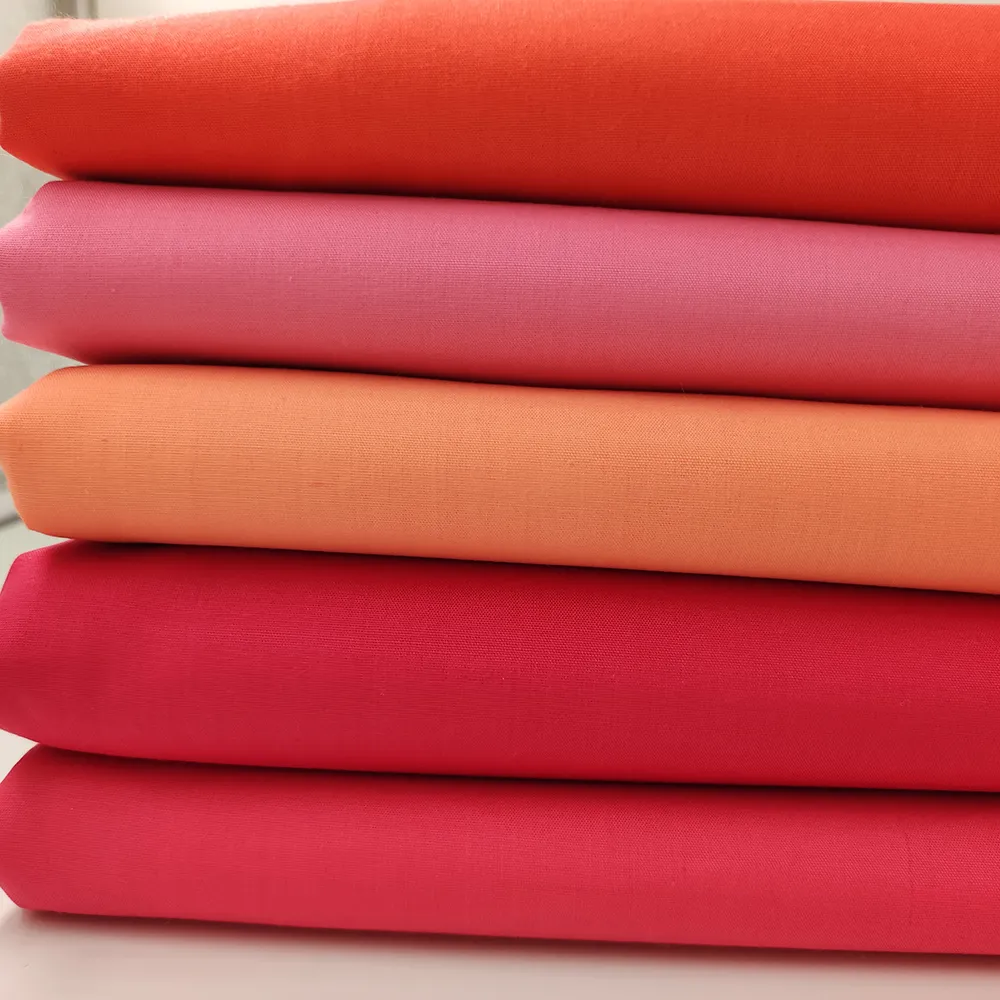
The Manufacturing Process of Solid Poplin Fabric
The production of high-quality solid poplin fabric is a meticulous process, involving several stages designed to ensure consistent texture, color, and performance. Starting from raw fiber selection to the final finishing, each step adheres to rigorous quality control standards, often aligning with ISO 9001 and ANSI specifications for textile manufacturing. This section details the typical process flow for a TC (Tetron Cotton) solid poplin, such as the Tc 80/20 110x76 44 Inches Poplin Solid Dyed Fabric.
Process Flow Schematic:
- Yarn Preparation (Material Blending & Spinning):
- Materials: For a TC 80/20 poplin, 80% polyester staple fiber and 20% cotton fiber are carefully selected. Cotton provides breathability and absorbency, while polyester imparts strength, wrinkle resistance, and color retention.
- Process: Fibers are blended, carded to align them, drawn to reduce thickness, and then spun into fine, strong yarns. The count of the yarn (e.g., 45s for warp and weft) is crucial for the final fabric density.
- Warping and Sizing:
- Process: Thousands of warp yarns are wound onto a weaver's beam. They are then subjected to sizing, a process where a protective starch-based or synthetic film is applied to improve tensile strength and abrasion resistance during weaving. This is critical for maintaining fabric integrity during subsequent mechanical stresses.
- Weaving (Plain Weave):
- Process: The sized warp yarns are loaded onto a loom. The weft yarn is interlaced over and under alternate warp yarns, creating the tight, crisp plain weave characteristic of poplin. The density, such as 110x76 (threads per inch for warp and weft), directly defines the fabric's hand and durability.
- Equipment: High-speed air-jet or rapier looms are typically used for efficient and defect-free weaving, often controlled by sophisticated CNC systems to ensure precise thread counts and consistent selvage.
- Pre-treatment (Scouring, Bleaching, Mercerizing):
- Scouring: Removes impurities like oils, waxes, and dirt.
- Bleaching: Achieves a uniform white base, essential for clear and vibrant solid dyeing. For `white cotton poplin fabric`, this step is critical.
- Mercerization: (Primarily for cotton-rich blends) Enhances tensile strength, luster, and dye uptake. This reduces the need for excessive dyestuff, contributing to energy saving.
- Dyeing (Solid Dyeing):
- Process: The fabric undergoes solid dyeing, where it's immersed in a dyebath to achieve a uniform, consistent color across the entire roll. Reactive dyes are typically used for cotton components, and disperse dyes for polyester, applied sequentially or in a single bath with specific auxiliaries.
- Quality Control: Dye fastness to washing, rubbing, and light are rigorously tested according to ISO 105 series standards, ensuring the color integrity and prolonging service life of garments.
- Finishing:
- Process: Includes processes like heat setting (for dimensional stability), calendering (for smoothness and luster), and potentially special finishes like wrinkle resistance, water repellency, or antimicrobial treatments.
- Close Selvage: The close selvage finish ensures minimal fraying and optimal fabric utilization for garment manufacturers, reducing material waste.
- Inspection and Packaging:
- Process: Each roll is thoroughly inspected for defects, color consistency, and specified width (e.g., 44 inches). The fabric is then rolled and packaged, often according to customer specifications for `cotton poplin fabric by the yard` or bulk orders.
This meticulous process ensures that the resulting solid poplin fabric meets the stringent requirements of various target industries, including medical uniforms, corporate wear, and casual apparel. The blend of polyester and cotton, along with advanced manufacturing techniques, provides excellent properties such as improved tensile strength, reduced shrinkage, and enhanced color retention, translating into longer service life and superior performance in end-use applications.
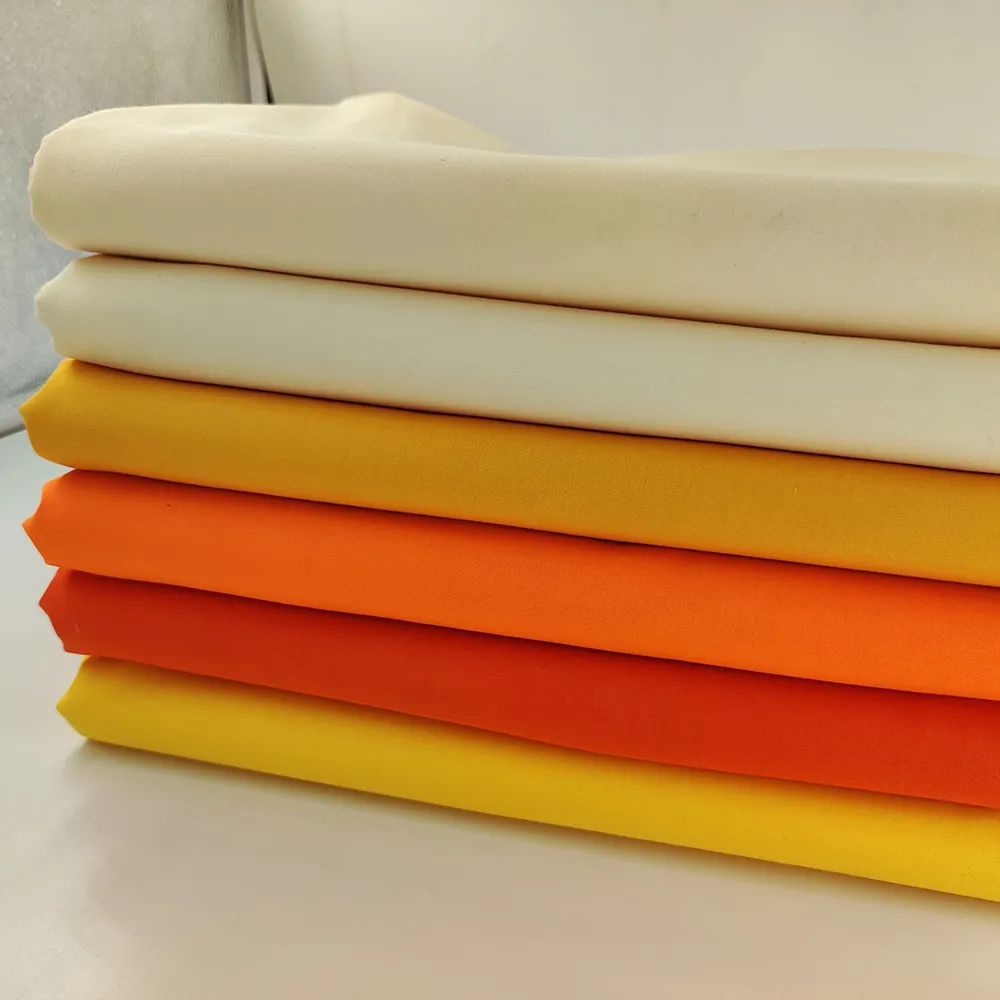
Technical Specifications and Performance Parameters
For B2B buyers and engineers, precise technical specifications are paramount. The Tc 80/20 110x76 44 Inches Poplin Solid Dyed Fabric, a prime example of high-quality solid poplin, embodies a balance of durability, aesthetics, and functionality. Here we present detailed parameters and performance data crucial for informed decision-making.
Product Specification: Tc 80/20 110x76 44 Inches Poplin Solid Dyed Fabric
| Parameter | Specification | Testing Standard |
|---|---|---|
| Composition | 80% Polyester, 20% Cotton (TC blend) | ISO 1833-2 |
| Thread Count | 110x76 (Warp x Weft per inch) | ASTM D3775 |
| Width | 44 Inches (approx. 112 cm) | ASTM D3774 |
| Weight | Approx. 120-130 GSM (Grams per Square Meter) | ISO 3801 |
| Weave Type | Plain Weave | Visual Inspection / Textile Atlas |
| Dyeing Method | Solid Dyed | N/A |
| Color Fastness to Washing | Grade 4-5 (on a scale of 5) | ISO 105 C06 |
| Color Fastness to Rubbing | Dry: Grade 4-5, Wet: Grade 3-4 | ISO 105 X12 |
| Shrinkage (Wash) | Max. 3% (Warp & Weft) | ISO 6330 |
| Tensile Strength | Warp > 500N, Weft > 350N | ISO 13934-1 |
| Pilling Resistance | Grade 3-4 (after 2000 cycles) | ISO 12945-2 |
These specifications highlight the fabric's robust construction and suitability for industrial and commercial applications requiring a durable and colorfast `cotton poplin material`. The high thread count (110x76) indicates a tightly woven fabric, contributing to its smooth hand and resistance to tearing. Its performance in color fastness tests ensures that garments made from this `poplin fabric cotton` maintain their appearance even after extensive washing cycles, a critical factor for uniforms and workwear. The low shrinkage rate further guarantees garment fit stability over time.
Application Scenarios and Industry Benefits
The versatility and technical advantages of solid poplin make it an indispensable material across diverse B2B sectors. Its balanced properties, combining the comfort of cotton with the resilience of polyester, lend themselves to a wide range of functional and aesthetic applications.
Key Application Industries:
- Corporate and Workwear Apparel: For sectors requiring professional yet comfortable uniforms. Think crisp shirts for administrative staff, durable tunics for service industries, and protective outer layers. The `poplin polyester` component ensures wrinkle resistance and ease of care, crucial for busy professionals.
- Medical and Healthcare Uniforms: High demand for fabrics that can withstand frequent industrial laundering. `Poplin white fabric` or light blue versions are common for scrubs, lab coats, and patient gowns due to their hygienic appeal and ability to be sterilized without significant degradation. The close selvage feature minimizes fraying, enhancing garment longevity.
- Hospitality and Food Service: Chef jackets, aprons, and staff uniforms benefit from the fabric's durability and stain resistance. The ability of `polyester cotton poplin fabric` to retain color and shape is essential for maintaining a professional appearance.
- Retail and Fashion Manufacturing: Used for creating blouses, dresses, and light jackets where a smooth, stable, and easy-to-sew fabric is desired. The various color options of `plain cotton poplin fabric` allow for broad design flexibility.
- Home Textiles and Linings: For bedding, cushion covers, or as a sturdy lining material for curtains and heavier garments where a smooth finish and durable base are required.
Demonstrated Advantages in Typical Scenarios:
- Durability and Service Life: In workwear applications, the high tensile strength and pilling resistance of solid poplin (TC 80/20) significantly extends the garment's service life compared to 100% cotton options, reducing replacement costs for businesses.
- Wrinkle Resistance and Easy Care: The polyester component in `poplin polyester fabric` imparts excellent wrinkle recovery. This translates to lower ironing requirements, saving time and energy for end-users and industrial laundries, aligning with energy saving initiatives.
- Color Retention and Appearance: For branded uniforms, maintaining consistent color is crucial. The superior color fastness of solid dyed `cotton poplin fabric by the yard` ensures that corporate colors remain vibrant, projecting a professional brand image over time, even with repeated washing.
- Cost-Effectiveness: While offering premium performance, TC `poplin fabric cotton` often presents a more cost-effective solution than highly specialized fabrics, providing excellent value for bulk procurement without compromising on essential B2B requirements.
- Corrosion Resistance (Chemical Exposure): While primarily a textile, the polyester content offers enhanced resistance to certain chemical splashes and harsh cleaning agents compared to pure natural fibers, which is advantageous in industrial environments or healthcare settings where chemical disinfectants are used.
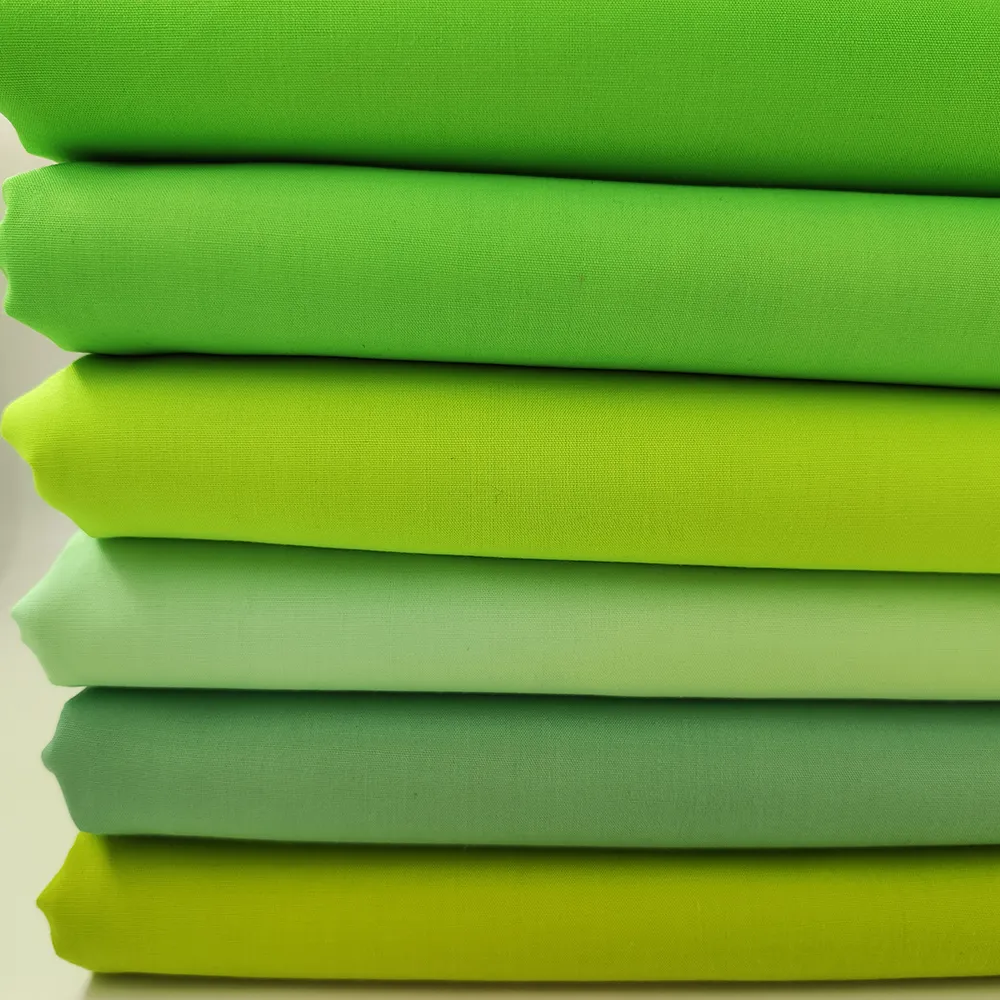
Technical Advantages and Vendor Comparison
The technical prowess of a well-engineered solid poplin fabric is evident in its ability to meet and exceed industry performance benchmarks. Beyond standard specifications, certain advantages differentiate premium suppliers and products in the competitive B2B market.
Core Technical Advantages of Our Solid Poplin:
- Superior Handfeel and Drape: Despite its durability, our `cotton poplin material` maintains a soft, smooth hand, ensuring comfort for wearers. The plain weave provides a crisp, elegant drape ideal for tailored garments.
- Enhanced Dimensional Stability: Through precise weaving and advanced finishing techniques like heat setting, our `poplin fabric cotton` exhibits minimal shrinkage and stretching, vital for consistent garment sizing and appearance after repeated industrial washes.
- High Abrasion Resistance: The tight interlacing of warp and weft yarns, reinforced by the polyester content, offers exceptional resistance to abrasion, a key factor for longevity in uniforms and protective clothing.
- Uniform Dye Penetration: Our solid dyeing process ensures deep, even color penetration, eliminating patchy or faded areas. This consistency is particularly important for large-scale production of `plain cotton poplin fabric` in specific corporate colors.
- Environmental Responsibility: Adherence to Oeko-Tex Standard 100 certification for our solid poplin (where applicable) demonstrates our commitment to producing textiles free from harmful substances, appealing to environmentally conscious buyers and end-users.
Vendor Comparison: Key Differentiators for Solid Poplin
Selecting the right supplier for `polyester cotton poplin fabric` involves evaluating not just the product but also the vendor's capabilities, quality assurance, and service. Below is a comparative overview highlighting critical aspects.
| Feature/Criterion | Bosswin Textile (Our Offering) | Typical Industry Standard |
|---|---|---|
| Composition Precision | Strict 80% Polyester, 20% Cotton (+/- 1%) | Often +/- 3-5%, impacting performance |
| Thread Count Consistency | Guaranteed 110x76, rigorous inline QC | Minor deviations sometimes found |
| Color Fastness (Washing) | Grade 4-5, exceeding most requirements | Grade 3-4 often acceptable |
| Close Selvage Finish | Standard, minimal fraying, reduced waste | Varies, some suppliers may have looser selvage |
| Certifications | ISO 9001, Oeko-Tex Standard 100 (upon request) | May only have basic factory certifications |
| Customization Options | Extensive (colors, finishes, blends, widths) | Limited to standard offerings |
| Lead Time Reliability | Strong track record, detailed fulfillment process | Can be unpredictable with smaller suppliers |
This comparison underscores our commitment to delivering superior `poplin polyester` fabrics, ensuring our clients receive products that not only meet but often surpass their expectations in terms of quality and performance.
Customized Solutions and Application Case Studies
Recognizing the unique demands of each B2B client, we offer comprehensive customized solutions for solid poplin, allowing for precise adaptation to specific project requirements. Our expertise extends beyond standard product delivery to partnering with clients in developing bespoke textile solutions.
Tailored Solid Poplin Solutions:
- Custom Color Matching: Utilizing advanced spectrophotometry, we can precisely match any Pantone reference or client-provided color swatch for `plain cotton poplin fabric`, ensuring brand consistency across all textile products.
- Special Finishes: Beyond standard finishes, we offer treatments such as water-repellent (DWR), stain-release, antimicrobial, or UV protection, extending the functionality of `poplin fabric cotton` for specialized end-uses.
- Blend and Thread Count Modifications: For unique performance profiles, we can adjust the polyester-cotton ratio (e.g., higher cotton for more breathability, higher polyester for more durability) or modify thread counts for different weight and handfeel requirements. This includes options like `organic cotton poplin fabric` blends for eco-conscious projects.
- Custom Widths and Packaging: We can accommodate specific width requirements (e.g., wider than 44 inches for industrial applications) and offer various packaging options, including `cotton poplin fabric by the yard` for smaller runs, or jumbo rolls for large-scale production, optimizing client logistics.
Application Case Studies: Real-World Impact
Case Study 1: Healthcare Uniform Modernization
A large national hospital network sought to upgrade its staff uniforms. Their existing 100% cotton uniforms showed rapid wear, significant shrinkage, and poor color retention after repeated disinfection washes. We collaborated to develop a custom `white cotton poplin fabric` with a TC 65/35 blend, featuring enhanced tear strength and a specialized antimicrobial finish. After 18 months, the new uniforms demonstrated 30% longer service life, superior color stability (Grade 4-5 wash fastness), and significantly reduced maintenance costs due to improved wrinkle resistance. Customer feedback praised the improved comfort and professional appearance of the `poplin white fabric`.
Case Study 2: Corporate Apparel Line Expansion
A leading corporate outfitter needed a consistent supply of `polyester cotton poplin fabric` in a diverse color palette for their new seasonal collection of executive shirts. Their previous supplier struggled with color consistency across batches and timely delivery. We provided our solid poplin in 15 custom-matched corporate colors, utilizing our stringent ISO-certified dyeing process. Our reliable lead times (average 4-6 weeks) and consistent fabric quality (minimal defects per 1000 yards) enabled the client to launch their new line on schedule and significantly reduce fabric-related production delays. The client reported a 15% increase in customer satisfaction due to the superior fabric quality and color vibrancy.
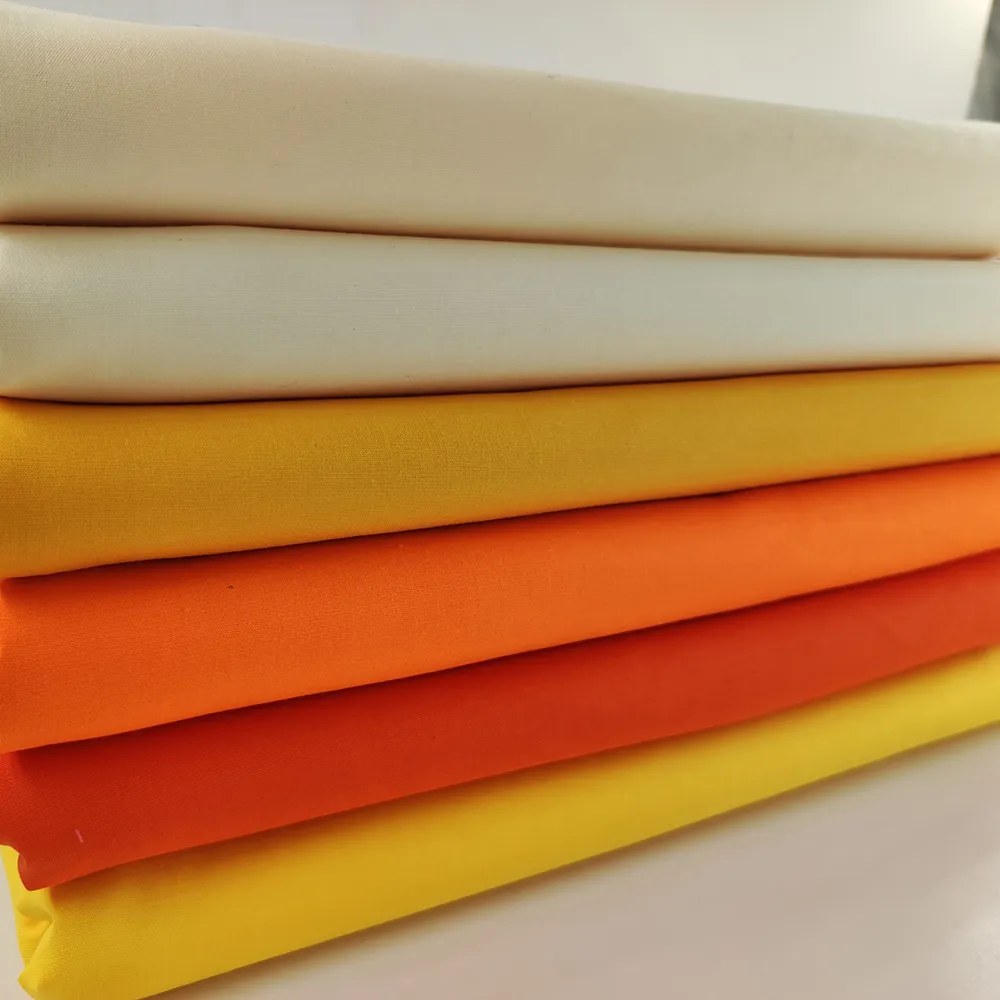
Trustworthiness: FAQ, Fulfillment, Warranty & Support
Establishing trust with B2B partners is foundational. Our commitment to transparency, reliable service, and strong post-sales support ensures a seamless and confident partnership for all your solid poplin needs.
Frequently Asked Questions (FAQ):
- Q: What is the minimum order quantity (MOQ) for custom solid poplin?
- A: Our standard MOQ for custom dyed `plain cotton poplin fabric` is typically 3,000 yards per color. However, we can discuss flexibility for specific projects or initial sample runs. Please contact our sales team for detailed information.
- Q: What certifications does your solid poplin hold?
- A: Our manufacturing processes are ISO 9001 certified, ensuring consistent quality management. Our solid poplin fabrics can be produced to meet Oeko-Tex Standard 100 requirements for harmful substances, upon specific request, providing reassurance for `organic cotton poplin fabric` derivatives or sensitive applications.
- Q: Can I request samples of the Tc 80/20 110x76 44 Inches Poplin?
- A: Yes, we provide sample swatches or yardage for evaluation. Please contact our sales department with your specific requirements, including desired color for `poplin white fabric` or other shades, and target end-use.
- Q: How does the TC 80/20 blend compare to 100% cotton poplin?
- A: The TC 80/20 `polyester cotton poplin fabric` offers enhanced durability, superior wrinkle resistance, and better color retention compared to 100% cotton. While 100% `cotton poplin fabric by the yard` is softer and more breathable, the TC blend provides a practical balance for applications requiring robust performance and easy care, such as `poplin polyester fabric` uniforms.
Lead Time & Fulfillment Details:
- Standard Orders: For in-stock `solid poplin` colors, lead time is typically 2-3 weeks from order confirmation to dispatch.
- Custom Dyed Orders: For specific color matches or custom finishes, lead time ranges from 4-6 weeks, depending on complexity and quantity.
- Shipping: We work with reliable logistics partners to ensure timely and secure delivery globally. Expedited shipping options are available upon request.
Warranty Commitments:
We stand by the quality of our solid poplin fabrics. All products are warranted against manufacturing defects in material and workmanship for a period of 12 months from the date of shipment, provided they are used and maintained under normal conditions as specified. This warranty covers issues related to fabric construction, dyeing consistency, and adherence to agreed-upon technical specifications.
Customer Support Information:
Our dedicated customer support team is available to assist with any inquiries, technical questions, or order assistance.
- Email: sales@bosswintextile.com
- Phone: +86-575-8888-XXXX (Please replace with actual number if available)
- Office Hours: Monday - Friday, 9:00 AM - 5:00 PM (GMT+8)
- Online Inquiry: Visit our website's contact page for a direct inquiry form.
Conclusion and References
The Tc 80/20 110x76 44 Inches Poplin Solid Dyed Fabric stands as a testament to the enduring value and technical versatility of solid poplin in B2B applications. From its meticulously controlled manufacturing process to its proven performance in diverse industries, this `cotton poplin material` embodies durability, aesthetic appeal, and cost-effectiveness. By adhering to rigorous quality standards and offering comprehensive customization and support, we empower businesses to achieve superior product outcomes and operational efficiencies. Our commitment to excellence in every yard of `poplin fabric cotton` ensures that our clients receive not just a product, but a reliable foundation for their success.
Authoritative References:
- ISO (International Organization for Standardization). ISO 9001:2015 - Quality management systems - Requirements.
- Oeko-Tex Association. Oeko-Tex Standard 100 - Confidence in Textiles.
- ASTM International. Various textile testing standards (e.g., ASTM D3775, D3774, D3882).
- Textile Institute. Textile terms and definitions.
-
Ultimate Guide to Using a Pressing Cloth for Professional FinishesNewsApr.16,2026
-
Elevate Your Fashion Designs with Premium Poly Crepe Fabric GuideNewsApr.09,2026
-
Exploring the Benefits of Premium Poly Cotton Fabric for Diverse ApplicationsNewsApr.07,2026
-
Discover the Luxury and Benefits of Premium Cotton FabricsNewsApr.04,2026
-
Exploring the Versatility and Benefits of Power Mesh Fabric ApplicationsNewsMar.31,2026
-
Comprehensive Guide to Poplin Material Properties and Diverse ApplicationsNewsMar.28,2026
-
A Comprehensive Guide to Poplin Fabric Characteristics and ApplicationsNewsMar.26,2026