

Vibrant Pigment Printing in Textile: Eco-Friendly & Durable
Introduction to Pigment Printing in Textile Manufacturing
The textile industry continuously seeks innovative and efficient methods for fabric coloration. Among these, pigment printing in textile stands out as a highly versatile and cost-effective technique. This method involves applying insoluble colorants (pigments) onto the fabric surface using a binder system. Unlike dyes that chemically bond with fibers, pigments adhere mechanically, offering broad applicability across various fiber types—both natural and synthetic—without the need for extensive washing-off processes. This inherent flexibility, coupled with excellent lightfastness and dry-rub fastness, positions pigment printing as a cornerstone for modern textile decoration, particularly in applications requiring vibrant colors and precise designs. Its environmental benefits, primarily reduced water and energy consumption compared to reactive or disperse dyeing, further enhance its appeal in a sustainability-conscious market.
This comprehensive overview delves into the intricate process, technical advantages, market trends, and practical applications of this critical textile finishing operation. We will explore the technical specifications, address customization possibilities, and review real-world case studies to demonstrate its efficacy and economic viability for B2B stakeholders.
Industry Trends and Market Dynamics
The global pigment printing in textile market is experiencing robust growth, driven by several key trends. Firstly, increasing consumer demand for diverse patterns and colors across apparel, home furnishings, and technical textiles necessitates flexible and efficient printing technologies. Secondly, stringent environmental regulations are pushing manufacturers towards eco-friendly processes, where pigment printing offers advantages due to its lower water footprint and reduced effluent treatment requirements. Innovations in binder chemistry, such as formaldehyde-free and soft-handle binders, are continuously improving the performance and tactile properties of pigment-printed fabrics.
Digital pigment printing, in particular, is a rapidly expanding segment, enabling short runs, rapid prototyping, and personalized designs with unparalleled precision. This shift is empowering brands to respond quickly to fashion trends and reduce waste associated with overproduction. Furthermore, advancements in pigment dispersion technology are leading to higher color strength, better crock fastness, and enhanced wash durability, addressing historical limitations of pigment prints. The market for textile pigment is projected to grow at a CAGR of 5.5% from 2023 to 2030, reaching an estimated value of over $6 billion by 2030, according to industry analyses. This growth is largely fueled by the burgeoning demand from Asia-Pacific, particularly China and India, which are major textile manufacturing hubs.
Detailed Process Flow of Pigment Printing
The manufacturing process of pigment printing in textile involves several critical steps, ensuring optimal color reproduction and fabric durability. This process is generally less complex than reactive dyeing, often foregoing extensive pre-treatment and post-treatment stages, which contributes to its efficiency.
Key Stages:
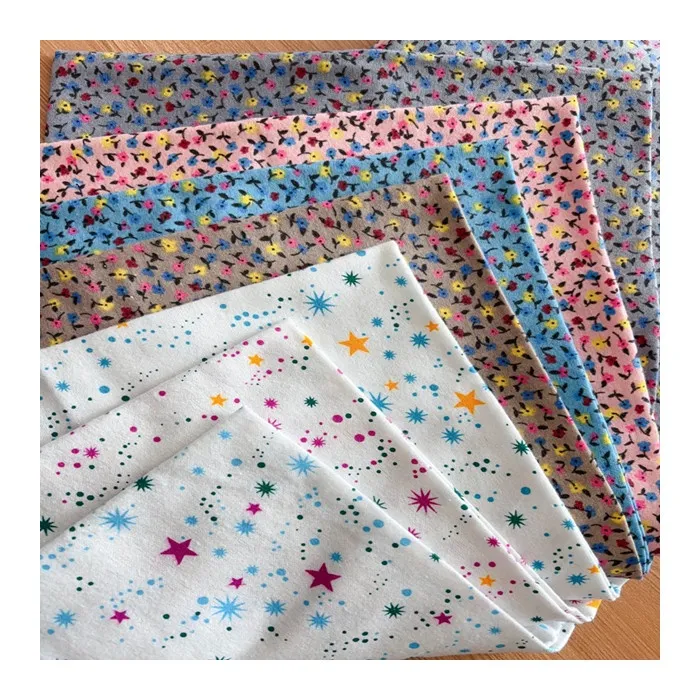
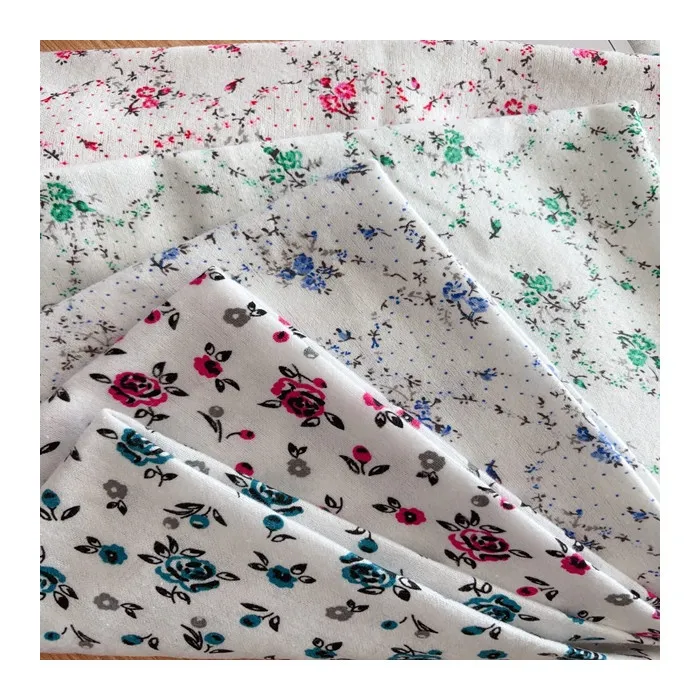
- Fabric Preparation: The textile substrate (e.g., cotton, polyester, CVC blends like the For Algeria Market Cvc Flannel Fabric Printed Flower Designs 120gsm) undergoes basic preparation, including singeing (to remove surface fibers), desizing (to remove sizing agents), scouring (to remove impurities), and mercerization (for cotton, to enhance dye uptake and strength). For pigment printing, the fabric needs to be clean, dry, and dimensionally stable.
-
Pigment Paste Formulation: This is a crucial step where the textile pigment is dispersed in a printing paste. The paste typically consists of:
- Pigments: Finely ground, insoluble organic or inorganic colorants.
- Binders: Acrylic or butadiene-acrylonitrile co-polymers that encapsulate the pigment particles and adhere them to the fabric (e.g., cross-linking agents like melamine-formaldehyde resins).
- Thickeners: Rheology modifiers (e.g., natural gums, synthetic polymers) to achieve desired viscosity for screen or digital printing.
- Softening Agents: To improve handle and prevent stiffness.
- Defoamers: To prevent air bubbles in the paste.
- Cross-linking Agents (optional): For enhanced wash and rub fastness.
-
Printing Application: The prepared pigment paste is applied to the fabric using various methods:
- Rotary Screen Printing: High-volume production for continuous patterns.
- Flat Screen Printing: Suitable for shorter runs or specialized designs.
- Digital Inkjet Printing: For intricate designs, photographic quality, and custom orders, using specialized print heads and ink formulations.
- Drying: Immediately after printing, the fabric passes through a dryer (e.g., hot air oven) to remove water from the printing paste. This prevents smudging and ensures initial adhesion.
- Curing (Fixation): The fabric is subjected to high temperatures (typically 150-180°C) for a specific duration (e.g., 2-5 minutes). This crucial step cross-links the binder polymer, permanently embedding the pigment particles within the polymer film and onto the fabric surface. Proper curing is essential for achieving desired wash and rub fastness.
- Finishing: Post-curing, the fabric may undergo further finishing treatments, such as calendering for a smoother surface, or additional softening applications to improve hand feel, which is especially important for products like CVC flannel.
Technical Specifications & Standards:
- Color Fastness: Tested against ISO 105 series (e.g., ISO 105-C06 for wash fastness, ISO 105-X12 for rub fastness, ISO 105-B02 for light fastness). High-quality pigment prints typically achieve Grade 4-5 for light and dry rub fastness, and Grade 3-4 for wet rub fastness and wash fastness.
- Handle/Softness: Evaluated subjectively and often quantifiable through fabric stiffness tests (e.g., bending length). Modern binders significantly improve hand feel.
- Environmental Compliance: Adherence to OEKO-TEX Standard 100, GOTS (for organic textiles), and REACH regulations for chemical safety and eco-friendliness. Many textile pigment formulations are now APEO-free, phthalate-free, and formaldehyde-free.
- Service Life: Pigment prints, when properly executed with high-quality binders and pigments, can withstand numerous wash cycles, ensuring the longevity of the printed design, making them ideal for durable goods like CVC flannel fabrics.
Target Industries: Pigment printing serves a wide array of industries, including fashion apparel, home textiles (bedding, curtains, upholstery), automotive interiors, and technical textiles (e.g., outdoor wear, medical fabrics). Its versatility makes it suitable for diverse fiber compositions.
Technical Advantages and Application Scenarios
Key Advantages of Pigment Printing in Textile:
- Universal Applicability: Works on nearly all fiber types (cotton, polyester, blends, nylon, rayon, acrylic) without specific chemical affinity, simplifying inventory management for multi-fiber operations.
- Cost-Effectiveness: Reduced processing steps, lower water and energy consumption (no extensive washing off), and fewer chemicals contribute to lower production costs.
- Environmental Benefits: Significant reduction in water usage (up to 80% less compared to reactive dyeing) and effluent generation, aligning with sustainable manufacturing goals. Energy saving is also considerable due to fewer drying cycles.
- High Lightfastness: Pigments generally exhibit superior resistance to fading when exposed to light, making them ideal for outdoor textiles and furnishings.
- Design Flexibility: Capable of producing sharp outlines, fine details, and vibrant, opaque colors, especially on dark grounds where reactive dyes might struggle. Digital pigment printing unlocks unlimited color palettes and intricate design possibilities.
- Corrosion Resistance: While not directly applicable to pigment printing, the stability of pigment particles contributes to the longevity of the print itself, resisting degradation from environmental factors more robustly than some dye types.
Typical Application Scenarios:
- Apparel and Fashion: From everyday casual wear to high-fashion garments, textile pigment printing is used for t-shirts, dresses, activewear, and children's clothing, providing bright and durable designs. The "For Algeria Market Cvc Flannel Fabric Printed Flower Designs 120gsm" is a prime example, where pigment printing offers vibrant floral patterns suitable for the demanding Algerian fashion market, known for its preference for rich aesthetics and durability.
- Home Textiles: Bedding sets, curtains, upholstery fabrics, and decorative cushions benefit from the high lightfastness and versatile design options of pigment prints. This ensures patterns remain vivid even with prolonged exposure to sunlight.
- Technical Textiles: While often associated with fashion, pigment printing is increasingly used in certain technical textile applications where surface decoration is required, such as branded promotional materials, specialized coverings, or non-woven fabrics where traditional dyeing is impractical.
- Industrial Applications: For textiles used in environments where wash-off is challenging or undesirable, such as certain filter cloths or protective covers, pigment printing offers a practical coloration solution.
Product Specification Table: CVC Flannel Fabric (Example)
Vendor Comparison and Customized Solutions
Choosing the right partner for textile pigment printing is crucial for quality, efficiency, and compliance. Leading suppliers distinguish themselves through advanced binder systems, high-quality pigment dispersions, technical support, and the ability to offer customized solutions.
Key Factors for Vendor Comparison:
- Pigment Quality: Particle size, dispersion stability, and color strength directly impact print quality and efficiency. High-purity pigments ensure vibrancy and lightfastness.
- Binder Technology: The binder is the backbone of pigment printing. Modern binders offer improved hand-feel (softness), enhanced wash/rub fastness, and eco-friendly attributes (e.g., APEO-free, formaldehyde-free).
- Technical Support and R&D: Vendors providing comprehensive technical assistance, troubleshooting, and continuous R&D for new product development add significant value.
- Certifications and Compliance: Adherence to international standards like ISO 9001, ISO 14001, OEKO-TEX, and GOTS ensures product safety and environmental responsibility.
- Lead Times and Supply Chain Reliability: Critical for consistent production and meeting market demands.
Customized Solutions:
Our approach to pigment printing is highly adaptable, offering tailored solutions to meet specific client requirements. This includes:
- Custom Color Matching: Precise color matching services to replicate brand-specific palettes or design requirements.
- Specialized Binder Systems: Development of binder formulations for unique fabric types or desired properties, such as extra softness for intimate wear or increased durability for outdoor textiles.
- Eco-Friendly Formulations: Providing solutions that strictly adhere to specific environmental certifications (e.g., ZDHC, bluesign®) and customer sustainability mandates.
- Digital Printing Optimization: Expertise in optimizing pigment inks and print settings for various digital textile printers to achieve superior results for intricate designs and short-run production.
Comparison of Printing Technologies
Application Case Studies and Customer Experience
Case Study 1: High-Volume Apparel Production
A major international apparel manufacturer sought a more sustainable and cost-effective printing solution for their blended fabric T-shirt lines (60% cotton, 40% polyester). Traditional reactive dyeing for cotton and disperse dyeing for polyester required complex two-stage processes and significant water usage. By transitioning to pigment printing in textile using advanced rotary screen technology, the client achieved:
- Water Savings: A documented 70% reduction in water consumption due to the elimination of extensive wash-off processes.
- Energy Savings: Approximately 30% reduction in energy usage due to fewer heating and drying cycles.
- Cost Reduction: A 15% overall reduction in production costs per meter, primarily from reduced resource consumption and simplified process flow.
- Quality Enhancement: Achieved vibrant, opaque prints with excellent lightfastness (ISO 105-B02 Grade 4-5) and acceptable wash/rub fastness (ISO 105-C06 Grade 3-4), meeting their stringent quality benchmarks.
Customer Feedback: "The transition to pigment printing not only boosted our sustainability profile but also delivered tangible cost savings without compromising on the visual appeal or durability of our products. The technical support throughout the implementation phase was invaluable."
Case Study 2: Niche Market - Home Textiles with Intricate Designs
A boutique home textile brand specializing in bespoke bed linens and cushion covers needed a solution for high-resolution, complex patterns on natural linen fabrics. Traditional screen printing proved too costly for their short production runs and intricate multi-color designs, while reactive printing required extensive water and effluent management. By adopting digital textile pigment printing, the client achieved:
- Design Freedom: Unrestricted design possibilities with unlimited colorways and photographic quality.
- Reduced Lead Times: From design conception to printed fabric in less than 7 days, allowing for rapid response to market trends.
- Waste Minimization: On-demand production eliminated excess inventory and waste from unsold designs.
- Eco-Credentials: Use of OEKO-TEX certified pigment inks ensured compliance with their brand's environmental ethos.
Customer Feedback: "Digital pigment printing transformed our design capabilities and significantly improved our operational efficiency. We can now offer unique, custom products to our discerning clientele with confidence in both quality and sustainability."
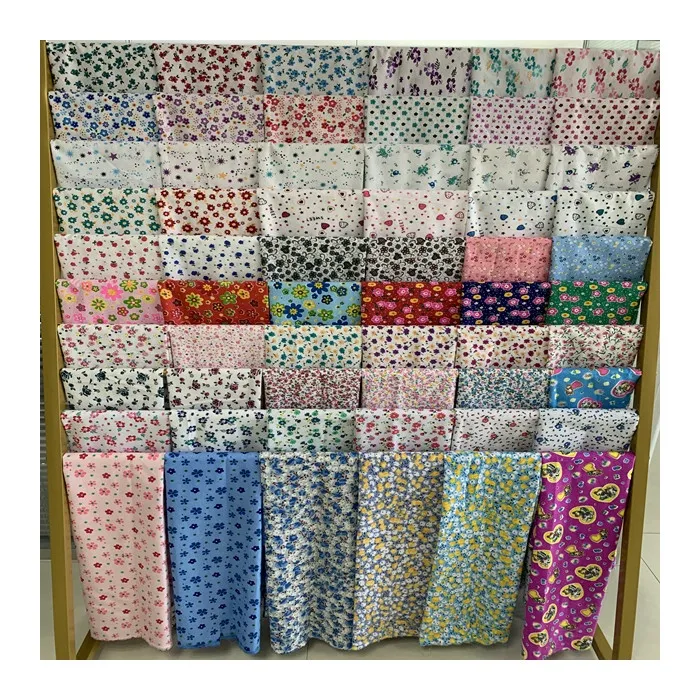
These case studies underscore the transformative potential of pigment printing, demonstrating its ability to deliver superior aesthetic results, operational efficiencies, and environmental benefits across diverse textile applications. Our commitment to quality is reinforced by over 20 years of expertise in the textile industry and partnerships with leading chemical suppliers. Our processes adhere to stringent ISO 9001 quality management standards, ensuring consistency and reliability in every batch.
Trustworthiness and Support
Frequently Asked Questions (FAQ)
- Q1: What fabric types are best suited for pigment printing in textile?
- Pigment printing is highly versatile and works effectively on almost all fabric types, including cotton, polyester, viscose, linen, nylon, acrylic, and various blends like CVC flannel. This makes it a preferred choice for manufacturers dealing with diverse material portfolios.
- Q2: How does pigment printing compare environmentally to other methods?
- It significantly reduces water consumption (up to 70-80% less) and eliminates large volumes of contaminated effluent, making it one of the most eco-friendly textile printing options. Modern pigment formulations are also increasingly free from harmful chemicals (e.g., APEO, formaldehyde).
- Q3: What are the typical lead times for custom pigment printing orders?
- Lead times vary depending on order volume, complexity, and current production schedules. For standard rotary screen orders, lead times are typically 2-3 weeks from confirmed artwork. Digital pigment printing for smaller runs can often be fulfilled within 1-2 weeks. We recommend contacting our sales team for precise timelines for your specific requirements.
- Q4: What are your quality assurance and warranty commitments?
- All our pigment printing processes adhere to strict ISO 9001 quality management standards. We conduct rigorous testing for color fastness, rub fastness, and shrinkage according to ISO and AATCC standards. We offer a product quality warranty against manufacturing defects and color degradation beyond industry-standard tolerances, provided care instructions are followed. Specific warranty details are outlined in our service agreements.
Lead Time & Fulfillment
Our streamlined production processes and robust supply chain management enable efficient order fulfillment. Typical lead times for bulk orders range from 15-25 business days, depending on fabric type, design complexity, and order quantity. Expedited services are available for urgent requirements, subject to capacity and material availability. We work closely with clients to establish realistic production schedules and provide real-time updates on order status.
Warranty & Customer Support
We stand by the quality of our textile pigment printing. Our products come with a comprehensive quality guarantee covering color fastness, print durability, and material integrity as per agreed-upon specifications and international standards (e.g., ISO 105 series). Our dedicated customer support team is available from 9:00 AM to 6:00 PM (GMT+8) Monday through Friday to address any inquiries, technical challenges, or post-delivery support needs. We are committed to fostering long-term partnerships through responsive and reliable service.
Conclusion
The evolution of pigment printing in textile represents a significant leap forward for the industry, balancing aesthetic excellence with environmental responsibility and economic viability. Its universal applicability, combined with ongoing advancements in binder and pigment chemistry, ensures its continued relevance and growth. For B2B partners seeking efficient, versatile, and sustainable textile decoration solutions, pigment printing offers an unmatched combination of performance and value.
By adhering to rigorous technical standards, embracing innovation, and providing comprehensive support, we enable our clients to achieve their production goals while meeting the evolving demands of the global market for high-quality, sustainably produced textiles.
References
- Shen, J., & Hu, H. (2018). Advanced Textile Printing Techniques. Woodhead Publishing.
- Textile World Magazine. (2022). "Innovations in Digital Textile Printing." Retrieved from textileworld.com
- Gulrajani, M. L. (2017). Advanced Textile Wet Processing Technologies. Springer.
- OEKO-TEX International. (2023). "Standards & Guidelines." Retrieved from oeko-tex.com
- American Association of Textile Chemists and Colorists (AATCC). (2023). "Test Methods." Retrieved from aatcc.org
-
Ultimate Guide to Using a Pressing Cloth for Professional FinishesNewsApr.16,2026
-
Elevate Your Fashion Designs with Premium Poly Crepe Fabric GuideNewsApr.09,2026
-
Exploring the Benefits of Premium Poly Cotton Fabric for Diverse ApplicationsNewsApr.07,2026
-
Discover the Luxury and Benefits of Premium Cotton FabricsNewsApr.04,2026
-
Exploring the Versatility and Benefits of Power Mesh Fabric ApplicationsNewsMar.31,2026
-
Comprehensive Guide to Poplin Material Properties and Diverse ApplicationsNewsMar.28,2026
-
A Comprehensive Guide to Poplin Fabric Characteristics and ApplicationsNewsMar.26,2026