

White cotton poplin fabric bleaching methods
White cotton poplin fabric bleaching methods are a set of specialized techniques that go beyond basic whitening, focusing on preserving the fabric’s signature crispness, strength, and compatibility with subsequent processing (e.g., dyeing, printing)—critical for its diverse end uses. Hebei Bosswin Textile Technology Co., Ltd. excels in refining these methods for solid poplin, white cotton poplin fabric, and plain cotton poplin fabric, leveraging advanced textile chemistry to address niche challenges like fiber damage prevention and eco-friendly processing. Poplin fabric is also called shirt fabric, pocketing fabric, or Popelina, or even called Dacron. People normally use it to produce shirt, apron, pockets of clothes...and many more stuff. Poplin has different compositions, like 100% cotton, 100% polyester, poly cotton and CVC. The yarn can be carded and combed. The fabric weight can be 70 gsm to 175 gsm. Our expertise ensures that even lightweight (70 gsm) or heavyweight (175 gsm) poplin achieves uniform whiteness (CIE whiteness index ≥85) without compromising structural integrity, meeting the strict standards of apparel and home textile brands worldwide.
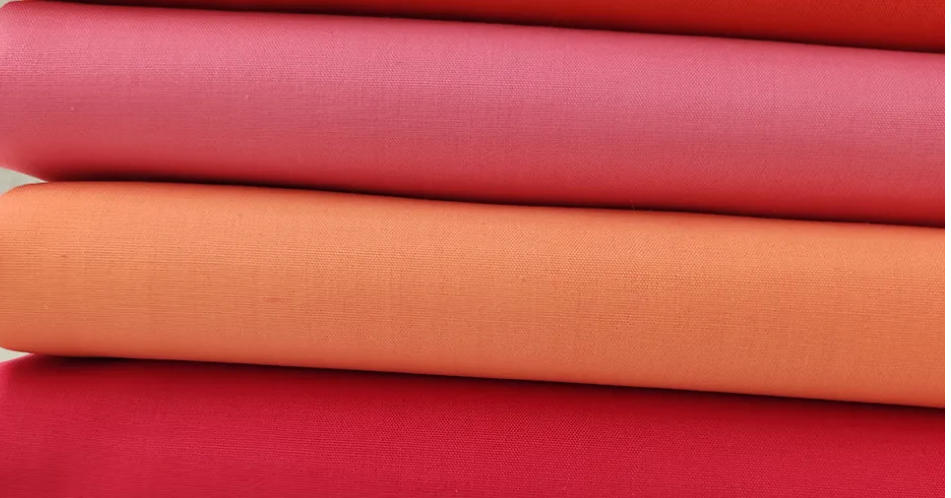
Eco-Friendly Bleaching Innovations in White cotton poplin fabric
- Ozone-Based Whitening: White cotton poplin fabric uses ozone (O₃) bleaching at 25°C, 0.5% concentration, which breaks down natural pigments in cotton without harsh chemicals like chlorine. This process reduces water usage by 80% compared to traditional peroxide bleaching and eliminates toxic byproducts, tested in our closed-loop ozone treatment system to ensure whiteness consistency.
- Enzyme-Assisted Bleaching: White cotton poplin fabric undergoes a two-step process—pectinase enzyme pretreatment (0.3% concentration, 50°C) to remove waxes and impurities, followed by hydrogen peroxide bleaching (2% concentration, 80°C). The enzyme step reduces peroxide usage by 30%, minimizing fiber damage and maintaining the fabric’s tensile strength (≥250 N/5cm in warp direction).
- Solar-Powered Bleaching: White cotton poplin fabric for low-cost applications uses solar energy to activate hydrogen peroxide (1.5% concentration) in a solar reactor. This method, developed in our R&D lab, extends bleaching time by 2 hours but cuts energy consumption by 60%, making it ideal for sustainable-focused brands.
Composition-Specific Bleaching in Solid poplin
- Poly-Cotton Poplin Balance: Solid poplin with 80% polyester/20% cotton (e.g., TC poplin) uses a low-temperature peroxide bleaching (70°C) with a polyester stabilizer (0.2% concentration), preventing polyester fiber degradation. Our spectrophotometer tests confirm uniform whiteness (ΔE <0.5) across both fiber types, avoiding the “mottled” appearance common with generic bleaching.
- 100% Cotton Poplin Strength Preservation: Solid poplin made of 100% combed cotton uses a buffered peroxide solution (pH 10.5) and slow heating (1°C/min to 90°C), reducing fiber strength loss by 15% compared to rapid heating. This is critical for lightweight 70 gsm poplin used in delicate shirts, where strength loss can lead to tearing during sewing.
- CVC Poplin Bleaching Adjustment: Solid poplin with CVC (60% cotton/40% polyester) composition uses a dual-bleach system—peroxide for cotton (2% concentration) and sodium hypochlorite for polyester (0.5% concentration)—applied in sequence. Our lab optimizes the timing (30 minutes for each step) to ensure both fibers reach target whiteness without cross-reaction.
Process Optimization for Plain cotton poplin fabric
- Continuous Bleaching Line Precision: Plain cotton poplin fabric is processed on our continuous bleaching line with 8 temperature-controlled zones (50-95°C), ensuring consistent chemical application and dwell time. The line handles 50 m/min of fabric, with laser whiteness sensors (sampling every 10 meters) that trigger automatic chemical adjustments, maintaining CIE whiteness index ≥85.
- Washing and Rinsing Efficiency: Plain cotton poplin fabric undergoes 5-stage countercurrent rinsing post-bleaching, using demineralized water to remove residual chemicals. This reduces rinse water usage by 50% and prevents calcium deposits that can dull the fabric’s whiteness, tested via conductivity meters (target: <10 μS/cm) to ensure thorough rinsing.
- Neutralization and Softening Integration: Plain cotton poplin fabric is neutralized with acetic acid (0.5% concentration) and softened with a cationic softener (0.3% concentration) in the final rinse, avoiding the harshness of unneutralized bleached cotton. This step maintains the fabric’s crisp poplin texture while adding a subtle softness, tested via tactile evaluation (ISO 12945-3).
Quality Validation and Compliance in White cotton poplin fabric
- Whiteness Uniformity Testing: White cotton poplin fabric is tested for whiteness at 50 points/m² using a spectrophotometer (CIE D65 illuminant), ensuring a tolerance of ±1.0 in CIE whiteness index. Any areas with low whiteness are reprocessed, eliminating “streaks” that can ruin large-format applications like bed linens.
- Fiber Strength and Elongation Checks: Every batch of White cotton poplin fabric is tested for tensile strength (ASTM D5034) and elongation at break (ASTM D2261), with minimum requirements of 220 N/5cm (warp) and 180 N/5cm (weft) for 100 gsm fabric. This ensures the fabric can withstand subsequent processing like cutting and sewing.
- Eco-Compliance Verification: White cotton poplin fabric bleached with our ozone or enzyme methods meets OEKO-TEX® Standard 100 (Class I for baby products), with no detectable levels of chlorine or heavy metals. We provide third-party test reports for each batch, ensuring compliance with global environmental regulations.
|
Name |
Composition |
Density/ Yarn Count |
Type |
Weight |
Width |
Technics |
|
TC poplin 44” solid dyed fabric |
80%polyester 20%cotton |
45x45 110x76 |
Poplin |
100gsm |
44 inches |
Continuous dyeing / Jigger dyeing |
|
100% Cotton Plain Poplin |
100% cotton |
60x60 144x96 |
Poplin |
120gsm |
44”/58” |
Continuous bleaching |
|
CVC Solid Poplin |
60% cotton 40% polyester |
40x40 100x80 |
Poplin |
140gsm |
44 inches |
Enzyme-assisted bleaching |
|
Plain Cotton Poplin (Lightweight) |
100% combed cotton |
50x50 120x80 |
Poplin |
70gsm |
58 inches |
Ozone bleaching |
White cotton poplin fabric FAQS
How does Hebei Bosswin ensure white cotton poplin fabric maintains strength during bleaching?
White cotton poplin fabric uses buffered peroxide solutions and slow heating to minimize fiber damage. For 100% cotton variants, we also add a fiber protector (0.2% concentration) that reduces strength loss by 15%, ensuring the fabric meets tensile strength requirements (≥220 N/5cm) for apparel use.
What makes solid poplin bleaching different for poly-cotton vs. 100% cotton?
Solid poplin with poly-cotton (80/20) uses low-temperature bleaching (70°C) and polyester stabilizers to avoid melting, while 100% cotton uses higher-temperature peroxide (90°C) for deeper whitening. Our composition-specific formulas ensure uniform whiteness (ΔE <0.5) across both fiber types.
Can plain cotton poplin fabric be bleached for baby products?
Yes, plain cotton poplin fabric for baby products uses ozone or enzyme bleaching (OEKO-TEX® Class I compliant) with no harsh chemicals. We test for heavy metals and chlorine (detection limit: <0.1 ppm), ensuring the fabric is safe for sensitive baby skin.
How does the weight of white cotton poplin fabric affect bleaching parameters?
Lightweight white cotton poplin fabric (70 gsm) uses lower chemical concentrations (1.5% peroxide) and shorter dwell times (20 minutes) to prevent over-bleaching, while heavyweight (175 gsm) uses 2.5% peroxide and 40 minutes. Our continuous line adjusts parameters automatically based on fabric weight, ensuring consistent results.
What eco-friendly bleaching methods does Hebei Bosswin offer for white cotton poplin fabric?
We offer ozone bleaching (80% water reduction) and enzyme-assisted bleaching (30% less peroxide) for white cotton poplin fabric. Both methods eliminate toxic byproducts and meet global sustainability standards, making them ideal for brands focused on eco-conscious production.
-
Ultimate Guide to Using a Pressing Cloth for Professional FinishesNewsApr.16,2026
-
Elevate Your Fashion Designs with Premium Poly Crepe Fabric GuideNewsApr.09,2026
-
Exploring the Benefits of Premium Poly Cotton Fabric for Diverse ApplicationsNewsApr.07,2026
-
Discover the Luxury and Benefits of Premium Cotton FabricsNewsApr.04,2026
-
Exploring the Versatility and Benefits of Power Mesh Fabric ApplicationsNewsMar.31,2026
-
Comprehensive Guide to Poplin Material Properties and Diverse ApplicationsNewsMar.28,2026
-
A Comprehensive Guide to Poplin Fabric Characteristics and ApplicationsNewsMar.26,2026