

Beige Cotton Fabric: Soft, Durable, Eco-Safe—Why Choose?
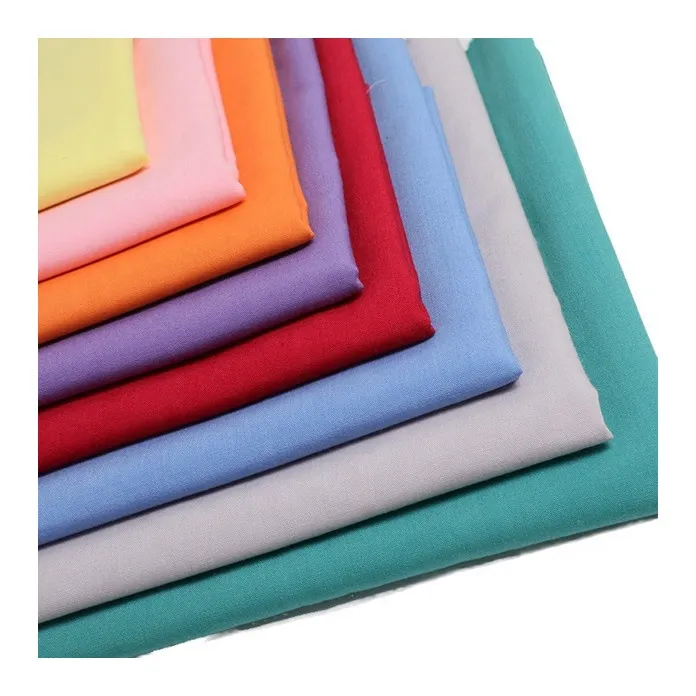
If you work in apparel or home textiles, you already know the quiet power of beige cotton fabric. It’s the neutral that behaves, the blank slate that still looks finished. And the product I’ve been seeing on cutting tables lately is a TC 80/20 poplin: Bosswin Textile’s “Tc80/20 110x76 58 Inches Color Poplin Carded Cotton Fabric,” woven on modern air‑jet looms. Crisp, consistent, surprisingly durable.
Quick context. “TC 80/20” means a polyester/cotton blend—roughly 80% polyester, 20% cotton—engineered for wrinkle resistance and strength without giving up the familiar handfeel. In real production, that balance matters: uniforms, aprons, shirts, pocketing, even café décor need color stability and low shrinkage. Beige keeps it versatile across seasons and brands.
Industry pulse (and why beige still wins)
Several buyers tell me they’re consolidating SKUs and leaning into one reliable neutral to reduce dye-lot risk and leftover inventory. Beige—call it sand, oat, khaki, take your pick—maintains perceived quality under different store lights. It also photographs well. To be honest, that last bit matters more than we admit.
Real-world applications
- Shirts and pocketing for mass retail basics and workwear- Aprons and table linens for cafés and hospitality
- Craft, quilting backings, and light décor liners
- Uniform programs where neutral branding is key (logistics, healthcare admin)
Product specs at a glance
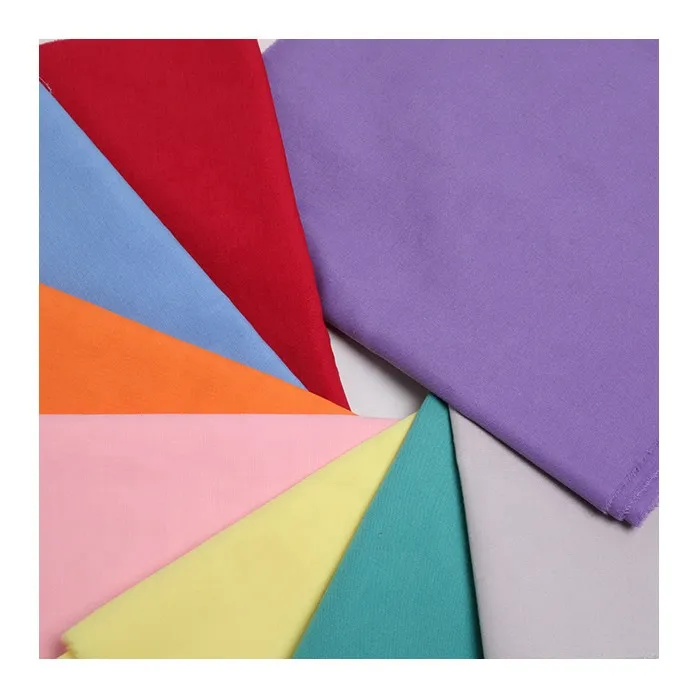
| Product | TC80/20 Poplin, Plain 1/1, Air‑jet woven |
| Thread density | ≈110 x 76 |
| Width | 58 inches (≈147 cm) |
| Weight | 70–175 g/m² (typical beige shirt weight ≈110 g/m²) |
| Yarn | Carded (counts commonly around 45s; real-world may vary) |
| Finish | Piece-dyed beige; set, soft-finish; optional easy-care |
| Performance (typical lab) | Wash fastness ISO 105-C06: 4; Rub fastness ISO 105-X12: Dry 4 / Wet 3–4; Shrinkage AATCC 135: ≤±2.5%; Pilling ISO 12945: 4 |
| Certifications | OEKO‑TEX Standard 100 (on request); REACH compliant |
| Origin | Rm2305A, Tower2#, Jiahe Plaza, No.567 Zhongshan East Rd., Shijiazhuang, Hebei, China |
Notes: Values are indicative; final specs depend on lot and finish.
Process flow (how the fabric earns its keep)
Materials selection → carding and spinning → air‑jet weaving (plain weave for stability) → singeing/desizing → scouring/bleaching → two‑bath dyeing (disperse for polyester, reactive for cotton) → heat setting → final inspection and 4‑point testing. Service life? In uniforms I’ve seen 50–80 home-launder cycles before noticeable fading—usage obviously affects that.
Vendor landscape (quick compare)
| Vendor | Looms | Lead time | Certs | MOQ |
|---|---|---|---|---|
| Bosswin Textile (this product) | Air‑jet | ≈15–30 days | OEKO‑TEX on request | Around 3,000 m |
| Regional Mill A | Rapier/Air‑jet mix | 20–35 days | OEKO‑TEX, BSCI | 5,000 m |
| Regional Mill B | Shuttleless | 30–45 days | OEKO‑TEX | 10,000 m |
Based on published data and buyer feedback; always verify with current quotations.
Customization and testing
Options: weight tuning (90–150 g/m² for shirting), peach or easy-care finish, antimicrobial, fluorine-free water repellent. Testing typically follows ISO 105 (colorfastness), ISO 13934 (tensile), ISO 12945 (pilling), and AATCC 135 (dimensional change). Many customers say the handfeel is “clean, crisp,” and it seems that the beige shade reads premium in retail lighting.
Two quick case notes
- Café chain: switched apron body to beige cotton fabric blend; reduced ironing time by ~30%, complaints dropped after 60-day rollout.- Logistics uniforms: poplin shirt in beige cotton fabric palette; maintained Grade 4 wash fastness after 40 cycles, shrinkage within ±2% (lab-verified).
Final thought: if you need a neutral workhorse, beige cotton fabric—especially in TC poplin—just gets the job done, without drama.
Authoritative citations
- ISO 105-C06: Textiles — Tests for colour fastness — Colour fastness to domestic and commercial laundering.
- OEKO‑TEX Standard 100 — Testing for harmful substances in textiles.
- AATCC 135: Dimensional Changes of Fabrics after Home Laundering.
- ISO 12945-2: Textiles — Determination of fabric propensity to surface fuzzing and to pilling.
-
Ultimate Guide to Using a Pressing Cloth for Professional FinishesNewsApr.16,2026
-
Elevate Your Fashion Designs with Premium Poly Crepe Fabric GuideNewsApr.09,2026
-
Exploring the Benefits of Premium Poly Cotton Fabric for Diverse ApplicationsNewsApr.07,2026
-
Discover the Luxury and Benefits of Premium Cotton FabricsNewsApr.04,2026
-
Exploring the Versatility and Benefits of Power Mesh Fabric ApplicationsNewsMar.31,2026
-
Comprehensive Guide to Poplin Material Properties and Diverse ApplicationsNewsMar.28,2026
-
A Comprehensive Guide to Poplin Fabric Characteristics and ApplicationsNewsMar.26,2026