

Ultimate Guide to Using a Pressing Cloth for Professional Finishes
The Ultimate Guide to Using a Pressing Cloth for Professional Finishes
Achieving a crisp, store-bought look for your garments often requires more than just a hot iron; it requires the right protective layer. A pressing cloth is an essential tool in both professional tailoring and home garment care, acting as a barrier between the iron and the fabric. This simple piece of textile prevents unsightly "iron shine," scorch marks, and fabric degradation. In this comprehensive guide, we will explore how to choose the right materials, the best techniques for application, and why this small investment can save your most expensive wardrobe pieces from permanent damage.
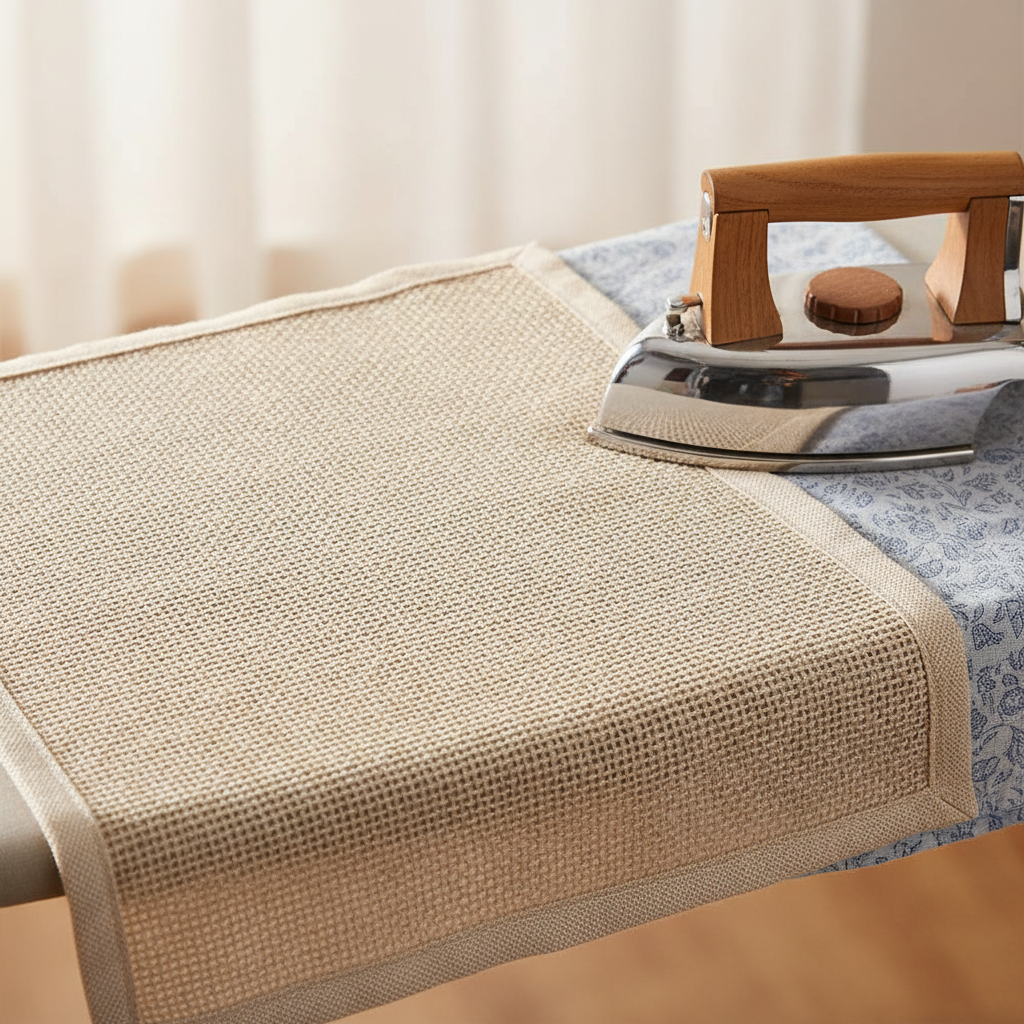
Why Every Sewist Needs a High-Quality Pressing Cloth
The primary purpose of a pressing cloth is protection. Many modern fabrics, especially synthetic blends, silk, and dark-colored wools, are highly sensitive to direct heat. When an iron touches these fabrics directly, it can flatten the fibers—creating a permanent shiny patch known as "glazing." By using a protective layer, you distribute the heat more evenly across the surface. This is particularly critical when pressing seams or working with delicate embellishments. Using a professional-grade textile ensures that the steam can still penetrate the fabric to remove wrinkles while the physical heat of the soleplate never touches the garment.
Pro Tip: Always match the material of your pressing cloth to the fabric you are ironing. For example, use a lightweight cotton muslin for light fabrics and a heavier wool cloth for tailoring coats.
Choosing the Best Material for Your Pressing Cloth
Not all fabrics are created equal when it comes to heat protection. The ideal pressing cloth should be heat-resistant, breathable, and smooth enough to glide over the garment without causing pulls. Common choices include cotton muslin, silk organza, and specialized Teflon-coated fabrics. Muslin is the industry standard for general use due to its affordability and durability. However, for extremely sheer fabrics, a thin silk organza allows you to see the seam beneath the cloth, ensuring precision. For those in industrial settings, heavy-duty synthetic blends designed for high-temperature steam are preferred to increase the lifespan of the tool.
Recommended Materials Guide:
• Cotton Muslin: Best for general sewing and everyday garments.
• Silk Organza: Best for sheer fabrics and precision pressing.
• Wool Felt: Ideal for shaping and molding tailored garments.
• Teflon/PTFE: Best for high-heat synthetics and non-stick requirements.
Pressing Cloth Comparison: Fabric Types and Performance
When selecting a pressing cloth, it is helpful to compare how different materials perform across various criteria. The table below provides a side-by-side analysis of the most common options to help you decide which one fits your specific textile needs. Whether you are a hobbyist or a commercial manufacturer, understanding these differences prevents costly fabric errors.
Step-by-Step Techniques for Using a Pressing Cloth
To get the most out of your pressing cloth, you must apply it with the correct technique. First, ensure your cloth is clean and free of stains, as heat can "set" any dirt from the cloth onto your garment. Lay the garment flat on the ironing board. Place the cloth directly over the area you wish to press. Instead of sliding the iron back and forth—which can stretch the fabric—use a "press and lift" motion. This involves pressing the iron down firmly for a few seconds, lifting it, and moving to the next section. This method, combined with the protective layer, ensures a sharp crease without distorting the garment's shape.
Product Specifications for Industrial Pressing Cloths
For businesses in the textile and garment industry, standard home cloths aren't sufficient. Industrial-grade pressing cloths are engineered for durability and high-volume use. These products typically feature reinforced edges to prevent fraying and a specific weave density that optimizes steam flow. Below are the typical specifications you will find for professional-grade pressing textiles used in manufacturing plants.
Conclusion: Elevate Your Textile Care with a Pressing Cloth
Integrating a pressing cloth into your garment care routine is the simplest way to transition from amateur to professional results. By eliminating the risk of burns and shine, you protect the longevity of your fabrics and ensure a flawless finish every time. Whether you choose a versatile cotton muslin or a specialized industrial textile, the protection provided is invaluable. Invest in the right tools today to ensure your garments look pristine for years to come.
Frequently Asked Questions (FAQs)
Can I use a regular kitchen towel as a pressing cloth?
While a clean kitchen towel might work in a pinch, it is not recommended for professional results. Kitchen towels are often too thick, which blocks the steam from reaching the garment, or they may have textured weaves that leave imprints on delicate fabrics. Additionally, many towels contain synthetic fibers that could melt under high heat. Using a dedicated pressing cloth made from muslin or organza ensures optimal steam flow and a smooth surface for a professional finish.
How often should I wash my pressing cloth?
You should wash your pressing cloth regularly, especially if you work with fabrics that have dyes or finishes. Over time, the cloth can accumulate residue or transfer colors from one garment to another. If you notice any discoloration or a buildup of "stiffness" on the cloth, it's time for a wash. For cotton cloths, a standard machine wash is fine; for specialized industrial textiles, follow the manufacturer's cleaning instructions to maintain heat resistance.
Will a pressing cloth prevent all iron marks?
A pressing cloth significantly reduces the risk of most iron marks, such as scorching and glazing. However, it cannot compensate for an iron set to a temperature far beyond what the fabric can handle. Even with a protective layer, extreme heat can still damage some ultra-delicate synthetics. Always test a small, inconspicuous area of your garment first, and use the appropriate setting on your iron. When combined with the correct temperature, a pressing cloth provides the ultimate safety net for your textiles.
-
Elevate Your Fashion Designs with Premium Poly Crepe Fabric GuideNewsApr.09,2026
-
Exploring the Benefits of Premium Poly Cotton Fabric for Diverse ApplicationsNewsApr.07,2026
-
Discover the Luxury and Benefits of Premium Cotton FabricsNewsApr.04,2026
-
Exploring the Versatility and Benefits of Power Mesh Fabric ApplicationsNewsMar.31,2026
-
Comprehensive Guide to Poplin Material Properties and Diverse ApplicationsNewsMar.28,2026
-
A Comprehensive Guide to Poplin Fabric Characteristics and ApplicationsNewsMar.26,2026
-
A Comprehensive Guide to Understanding the Properties of Poplin ClothNewsMar.24,2026