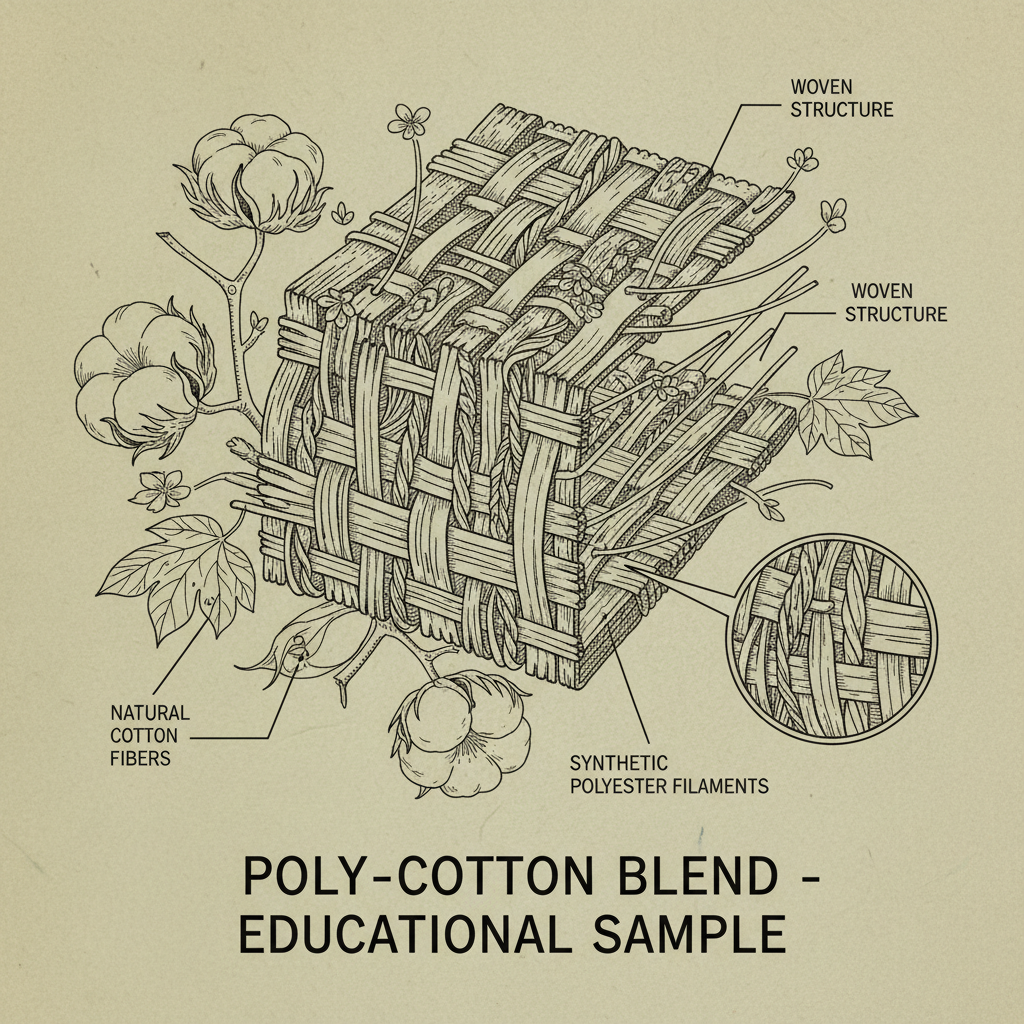
In the competitive landscape of global textiles, china poly cotton has emerged as a pivotal material, blending the natural breathability of cotton with the industrial strength of polyester. This hybrid fabric represents a strategic response to the growing demand for textiles that are not only comfortable for the end-user but also durable enough to withstand rigorous commercial use and frequent laundering.
Understanding the intricacies of china poly cotton is essential for designers and procurement managers who seek a balance between luxury and longevity. By leveraging advanced spinning and weaving techniques, manufacturers in China have refined the ratio of synthetic to natural fibers, resulting in fabrics like Poplin and Flannel that cater to diverse market segments from high-end apparel to industrial uniforms.
The global shift toward "performance fabrics" has placed china poly cotton at the forefront of textile innovation. Its ability to resist shrinking, reduce wrinkling, and maintain color fastness makes it an indispensable asset in the modern supply chain, ensuring that brands can deliver high-quality products while managing production costs effectively.
Global Relevance of China Poly Cotton
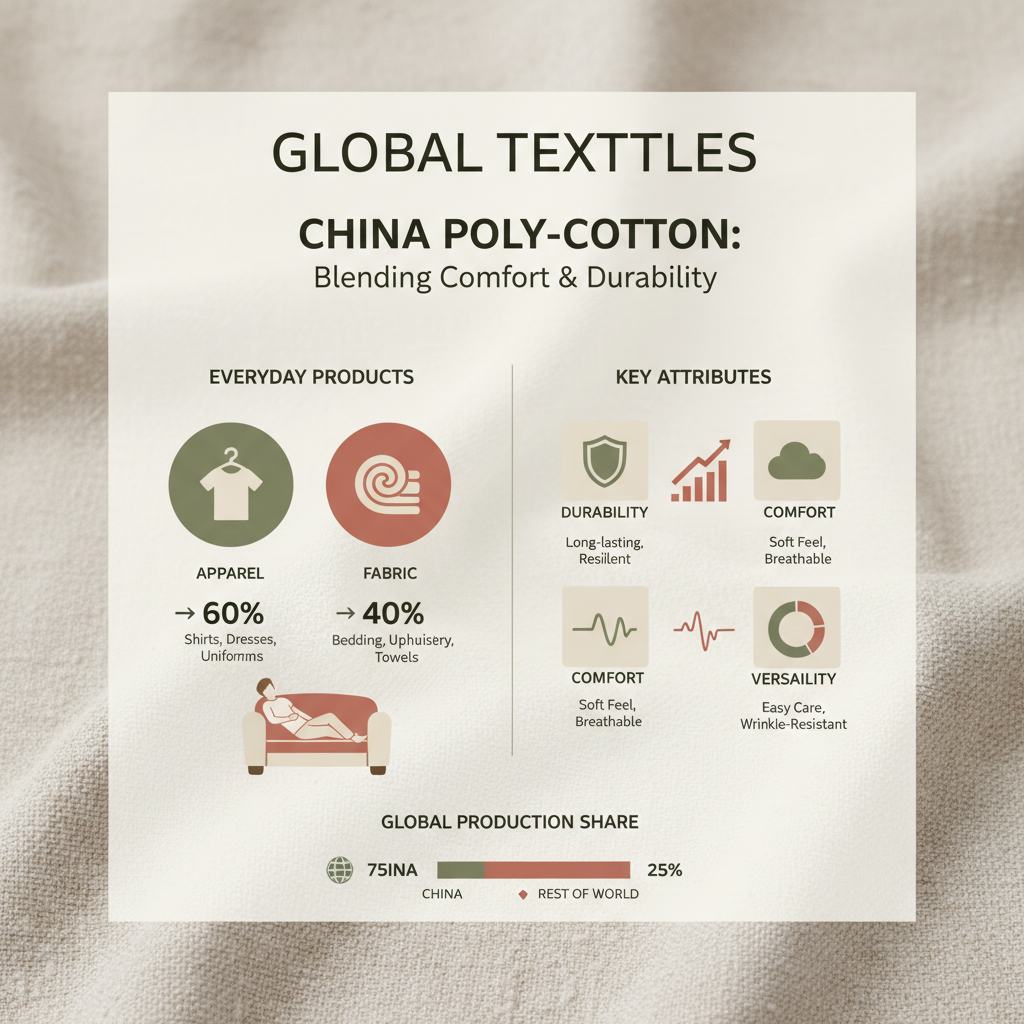
The global textile market has seen a significant surge in the adoption of china poly cotton due to the sheer scale of production and the sophistication of Chinese textile hubs. According to industry data, the integration of polyester into cotton weaves has allowed for a massive reduction in waste and a significant increase in the lifespan of garments, aligning with ISO standards for textile durability.
As emerging markets in Southeast Asia and Africa increase their demand for affordable yet durable apparel, the role of china poly cotton becomes even more critical. It solves the primary challenge of "fabric degradation," where 100% cotton fabrics often fail in high-friction environments, and 100% polyester lacks the breathability required for tropical climates.
Defining the Technical Standards of China Poly Cotton
At its core, china poly cotton is a blended textile consisting of cotton fibers and polyester filaments, woven together to create a synergistic effect. This isn't merely a mixture but a calculated engineering feat where the "soft touch" of cotton is anchored by the "structural memory" of polyester, preventing the fabric from losing its shape after multiple washes.
In the context of modern industry, this material addresses the urgent need for "functional textiles." Whether it is a crisp Poplin fabric for professional attire or a soft, brushed Flannel for winter wear, the poly-cotton blend ensures that the material remains hypoallergenic and skin-friendly while offering the tensile strength required for industrial manufacturing.
Furthermore, the definition of china poly cotton extends to the finishing processes. From mercerization to anti-pilling treatments, the technical standards applied in Chinese mills ensure that the fabric meets international export requirements, making it a reliable choice for global brands seeking consistency in their supply chain.
Core Components Affecting Fabric Quality
The first critical factor in the quality of china poly cotton is the blend ratio. A 65/35 polyester-to-cotton ratio is often considered the "golden standard" for workwear, providing maximum durability without sacrificing the comfort of natural fibers.
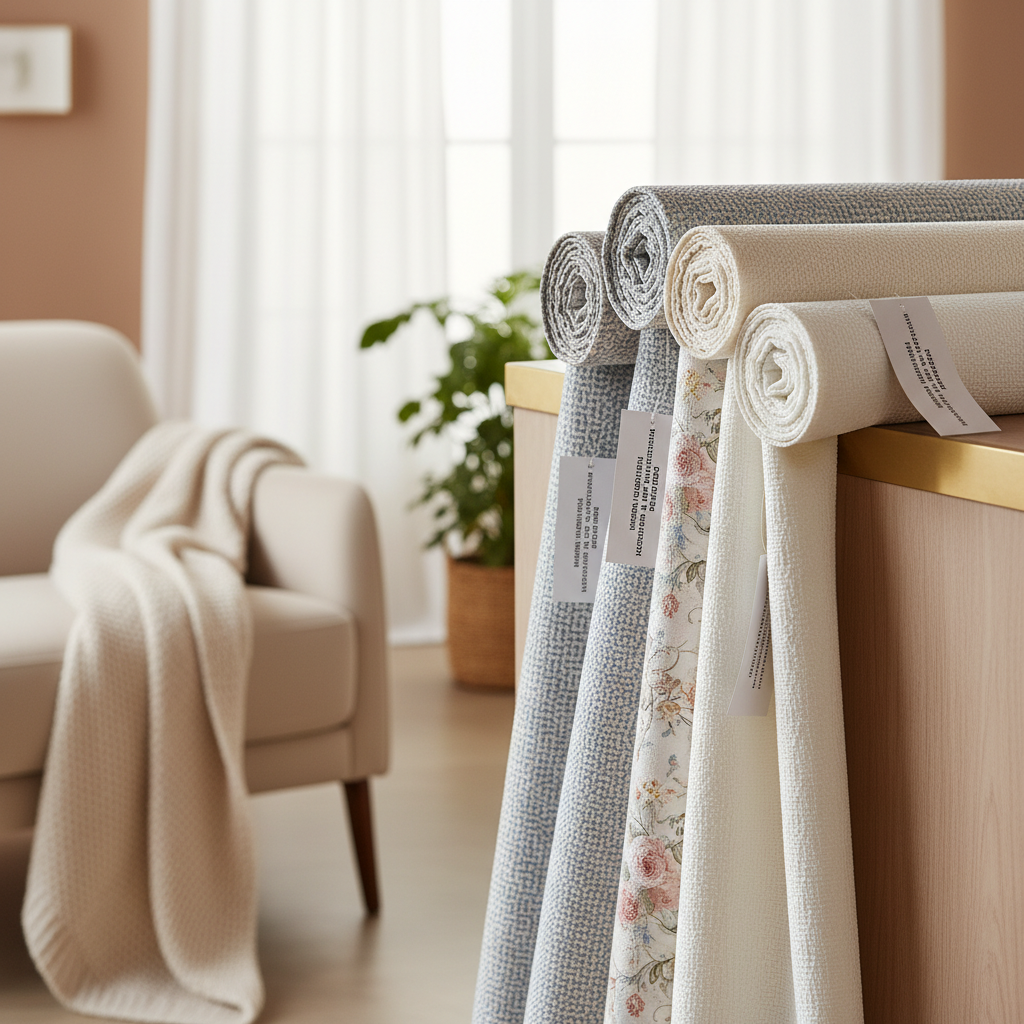
Another vital component is the yarn count and weave density. In china poly cotton Poplin, a high thread count ensures a smooth, wind-resistant surface, while in Flannel, the nap height determines the thermal insulation properties, making it essential for cold-weather applications.
Lastly, the dyeing and finishing process defines the commercial value. The use of disperse dyes for polyester and reactive dyes for cotton allows china poly cotton to achieve vibrant, long-lasting colors that do not fade under UV exposure or heavy industrial laundering.
Performance Metrics and Cost Efficiency
When analyzing the commercial viability of china poly cotton, the primary advantage lies in its cost-to-performance ratio. By replacing a portion of expensive long-staple cotton with high-tenacity polyester, manufacturers can lower the price point while actually improving the fabric's resistance to tearing and abrasion.
This efficiency is particularly evident in bulk production for Flannel and Poplin fabrics, where the blend reduces the rate of fabric shrinkage during the dyeing process, leading to higher yields and less material waste per roll.
Comparative Performance of China Poly Cotton Blends
Global Applications of Poly Cotton Blends
The versatility of china poly cotton allows it to be applied across a vast spectrum of industries. In the medical sector, poly-cotton Poplin is frequently used for scrubs and patient gowns because it can withstand the high temperatures of autoclave sterilization without losing structural integrity.
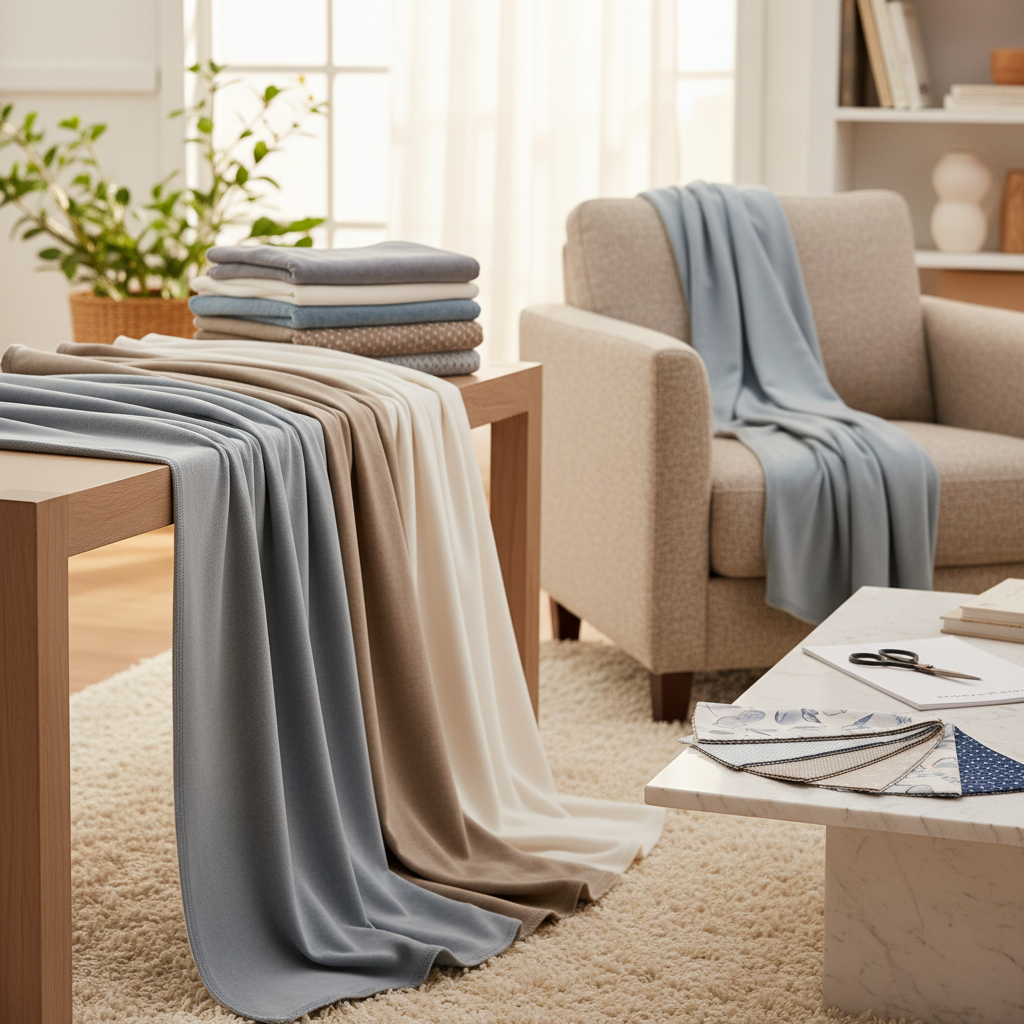
In the hospitality and home textile industry, china poly cotton Flannel is highly sought after for luxury bedding and loungewear. Its ability to retain warmth while remaining breathable makes it a preferred choice for markets in North America and Europe, where seasonal comfort is a primary selling point.
Long-term Value and Sustainability
Investing in china poly cotton offers significant long-term value by extending the lifecycle of the final product. From a logical perspective, a garment that lasts twice as long as a pure cotton alternative reduces the frequency of replacement, thereby lowering the overall environmental footprint of the consumer's wardrobe.
Beyond the physical durability, there is a psychological value of trust. Brands that utilize high-grade china poly cotton are seen as providing reliable, "worry-free" products that do not shrink or warp after the first wash, enhancing brand loyalty and customer satisfaction.
Furthermore, the industry is moving toward the use of recycled polyester (rPET) in these blends. By integrating recycled plastics into the china poly cotton matrix, manufacturers are bridging the gap between industrial utility and ecological responsibility, creating a circular economy in textile production.
Future Innovations in Poly Cotton Manufacturing
The future of china poly cotton is being shaped by digital transformation and nanotechnology. We are seeing the emergence of "smart blends" where conductive fibers are woven into the poly-cotton matrix, allowing for the creation of wearable tech that monitors health metrics without sacrificing the comfort of Flannel or Poplin.
Automation in Chinese mills is also enabling "hyper-customization." Using AI-driven looms, producers can now adjust the blend ratio and weave density in real-time to meet the specific needs of a niche client, making china poly cotton more adaptable than ever before.
Moreover, the integration of bio-based polyesters—derived from corn or sugarcane rather than petroleum—is set to revolutionize the sustainability profile of china poly cotton, ensuring that the industry can grow while adhering to strict global carbon neutrality goals.
Analysis of China Poly Cotton Technical Specifications and Market Performance
| Fabric Type |
Blend Ratio (Poly/Cotton) |
Durability Score (1-10) |
Primary Application |
| Poly-Cotton Poplin |
65% / 35% |
8.5 |
Medical Scrubs & Shirts |
| Poly-Cotton Flannel |
50% / 50% |
7.0 |
Winter Bedding & Pajamas |
| Industrial Workwear |
80% / 20% |
9.5 |
Heavy Duty Overalls |
| Lightweight Blend |
35% / 65% |
6.0 |
Casual Summer Apparel |
| Premium Twill |
60% / 40% |
8.0 |
Corporate Uniforms |
| Eco-Recycled Blend |
50% (rPET) / 50% |
7.5 |
Sustainable Fashion Lines |
FAQS
China poly cotton blends are superior for uniforms because they offer significantly higher abrasion resistance and shape retention. While 100% cotton tends to wrinkle easily and shrink after multiple high-temperature washes, the polyester component in poly-cotton fabrics acts as a stabilizer, ensuring the garment looks professional throughout the day and lasts longer in industrial environments.
Yes, provided the blend ratio is optimized. By maintaining a sufficient percentage of cotton (typically 35% to 65%), the fabric retains the natural moisture-wicking and breathability of cotton. High-quality china poly cotton Poplin is specifically designed to allow air circulation while utilizing polyester to quickly dry the fabric, making it ideal for tropical professional wear.
Pilling occurs when short fibers migrate to the surface. To prevent this in china poly cotton, manufacturers use "singeing" and "anti-pilling" chemical finishes. For consumers, washing the fabric inside out on a gentle cycle and avoiding high-heat drying can significantly reduce the friction that causes pilling, preserving the smooth surface of Flannel and Poplin.
Absolutely. The industry is shifting toward the use of recycled polyester (rPET) made from post-consumer plastic bottles. When combined with organic or BCI-certified cotton, the resulting china poly cotton blend significantly reduces water consumption and carbon emissions compared to virgin polyester production, making it a sustainable choice for eco-conscious brands.
Yes, through advanced finishing techniques. By using high-thread-count weaves and mercerization, china poly cotton can achieve a silk-like luster and a soft hand-feel. Many luxury "performance" lines use these blends for their Poplin shirts to ensure they remain crisp and wrinkle-free without sacrificing the premium feel of natural cotton.
Buyers should request detailed technical data sheets (TDS) that specify the exact blend ratio, GSM (grams per square meter), and color fastness ratings. Additionally, sourcing from manufacturers who adhere to ISO 9001 and Oeko-Tex Standard 100 ensures that the china poly cotton is free from harmful substances and meets global quality benchmarks.
Conclusion
In summary, china poly cotton represents the ideal intersection of natural comfort and synthetic resilience. By analyzing its core components—from the precision of blend ratios in Poplin to the thermal properties of Flannel—it is clear that this material solves the most pressing challenges of durability, cost-efficiency, and scalability in the textile industry.
Looking forward, the integration of recycled materials and smart-textile technology will further elevate the significance of china poly cotton. For businesses seeking to optimize their product lines, embracing these advanced blends is not just a cost-saving measure, but a strategic move toward sustainable, high-performance manufacturing. Visit our website for more professional textile solutions: www.bosswintextile.com