Chiffon ribbon, a delicate and lightweight fabric, has woven its way into a global industry with far-reaching applications. From haute couture fashion to intricate gift wrapping and crafting projects, its versatility is undeniable. Understanding its production, properties, and varied uses is crucial for businesses operating within the textile sector, as well as for consumers seeking quality and aesthetic appeal. The demand for chiffon ribbon continues to grow, fueled by increasing consumer spending on personalized goods and a heightened appreciation for fine materials.
Globally, the textile industry, including the production of chiffon ribbon, represents a significant economic force. According to the World Bank, textile exports contribute substantially to the GDP of many developing nations. The increasing trend towards sustainable and ethically sourced materials further impacts chiffon ribbon production, pushing manufacturers to adopt more responsible practices. The challenge lies in balancing cost-effectiveness with environmental consciousness and fair labor standards.
Chiffon ribbon’s continued relevance stems from its unique blend of fragility and strength. Its lightweight quality makes it ideal for applications where drape and movement are essential, while advancements in manufacturing techniques have enhanced its durability. Its accessibility, coupled with its aesthetic qualities, ensures its enduring presence in diverse markets.
Understanding the Global Significance of chiffon ribbon
The global market for textiles, of which chiffon ribbon is a vital component, is a multi-billion dollar industry. According to UN Comtrade data, trade in textile ribbons and similar materials reaches billions annually, underscoring its consistent demand. Chiffon ribbon specifically plays a role in supporting various industries including fashion, packaging, and event decoration, which contribute significantly to global economies.
Understanding the complexities of this supply chain, from raw material sourcing to final product distribution, is crucial for ensuring both economic viability and ethical practices. The availability of reliable chiffon ribbon suppliers, coupled with innovations in production techniques, directly impacts the competitiveness of businesses reliant on this material.
Defining chiffon ribbon: Properties and Applications
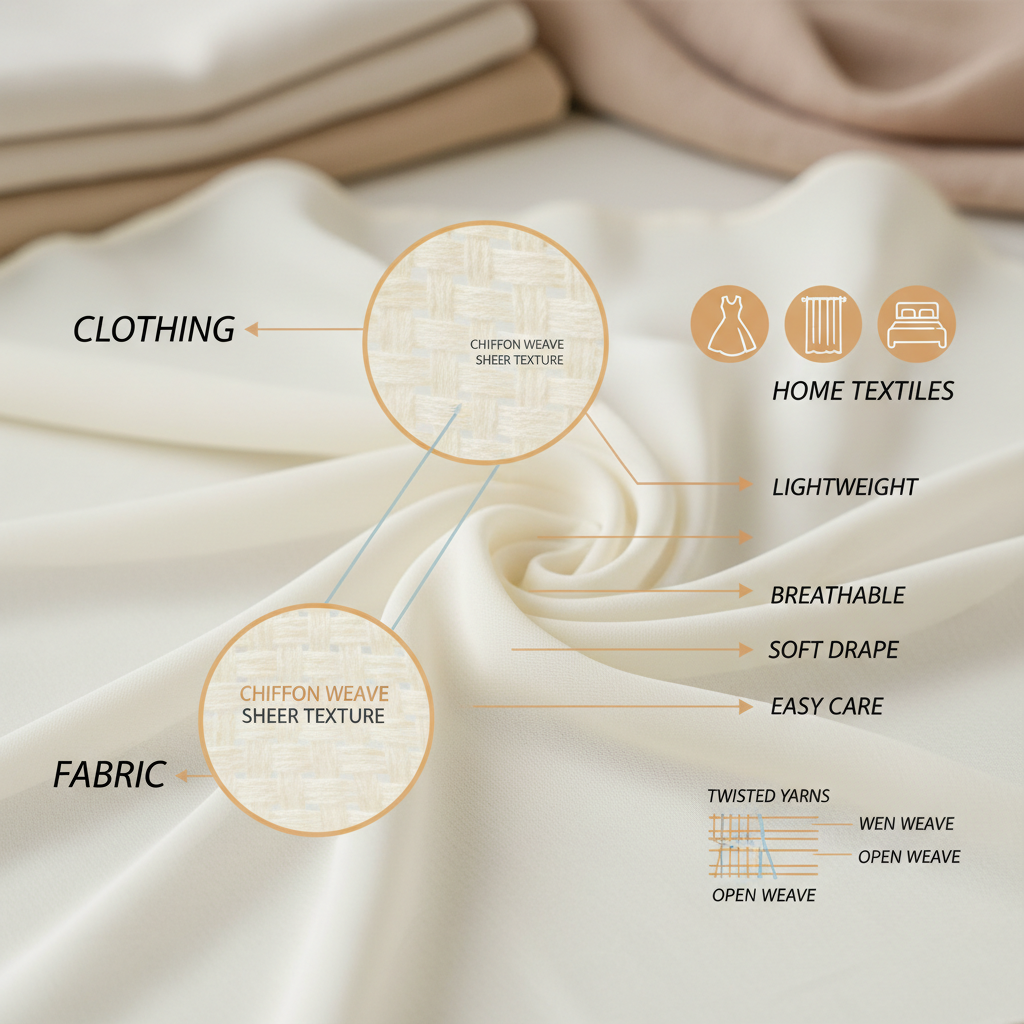
Chiffon ribbon is a lightweight, transparent fabric traditionally woven from silk, but increasingly made from synthetic materials like polyester. Its defining characteristic is its delicate, airy texture and subtle sheen. The fabric is known for its graceful drape, making it ideal for applications where a flowing aesthetic is desired.
Its properties extend beyond aesthetics; chiffon ribbon possesses a relatively low resistance to abrasion, requiring careful handling. However, modern manufacturing processes have improved its durability. The versatility of chiffon ribbon allows it to be dyed in a vast spectrum of colors and patterns, further broadening its application range.
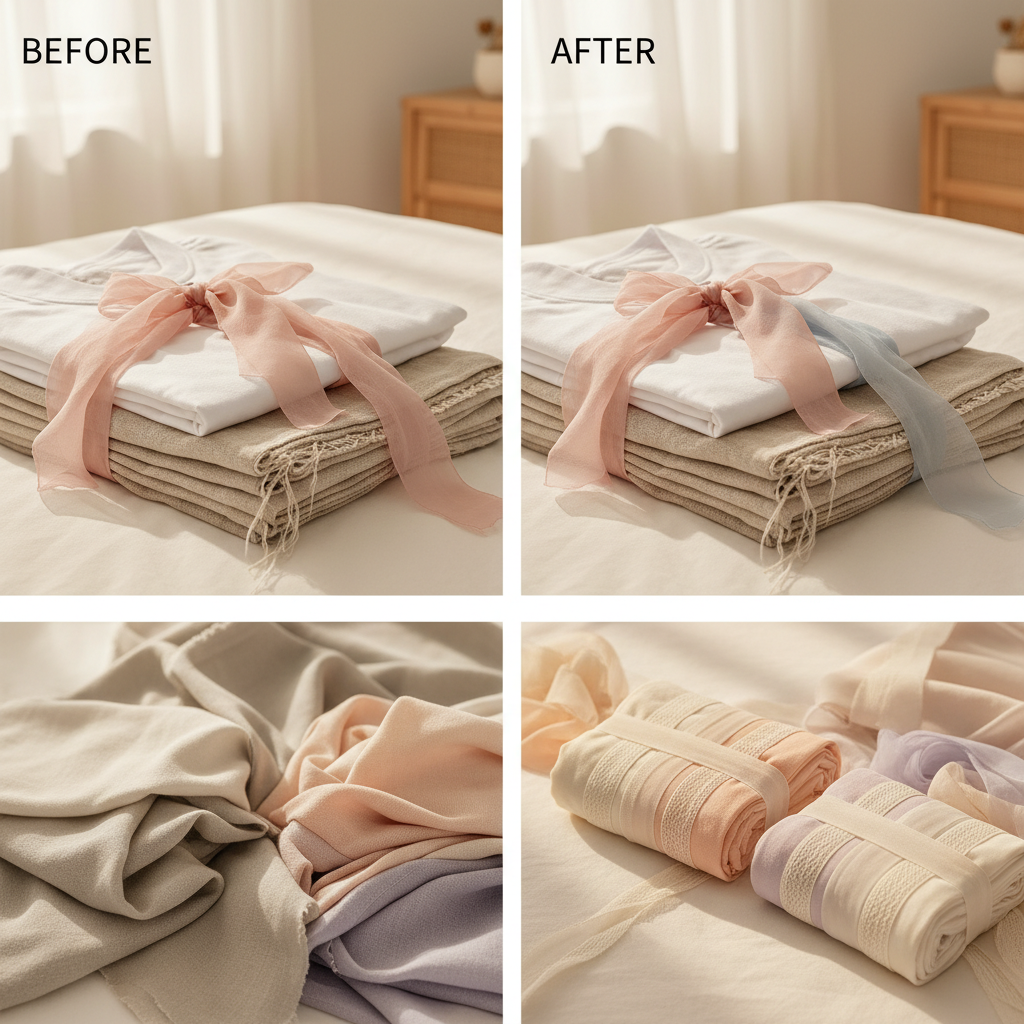
Chiffon ribbon finds application in a wide array of products, from embellishing garments and accessories to crafting decorative bows and gift packaging. Its delicate appearance makes it a popular choice for bridal wear, lingerie, and evening gowns. It’s also utilized extensively in the floral industry, tying bouquets and accentuating arrangements.
Core Characteristics of High-Quality chiffon ribbon
Several key characteristics define high-quality chiffon ribbon. Firstly, its weave must be tight and even, providing a smooth surface and preventing excessive fraying. Secondly, the dye penetration should be uniform, ensuring a consistent color throughout the ribbon. A high-quality chiffon ribbon will also exhibit a beautiful sheen, enhancing its visual appeal.
Furthermore, the weight and hand feel are critical indicators. A luxurious chiffon ribbon will be lightweight yet substantial, exhibiting a soft, flowing texture. Durability, assessed by resistance to tearing and abrasion, is also paramount, especially for applications requiring repeated handling. The choice of material (silk vs. polyester) significantly impacts these characteristics, with silk generally offering superior drape and sheen but lower durability.
Finally, the finish of the ribbon impacts its usability. Selvedge edges, if present, should be neat and clean. The ribbon should resist wrinkling and maintain its shape after tying or draping. These qualities contribute to the overall impression of quality and elegance, making it a preferred choice for discerning customers.
Global Applications of chiffon ribbon Across Industries
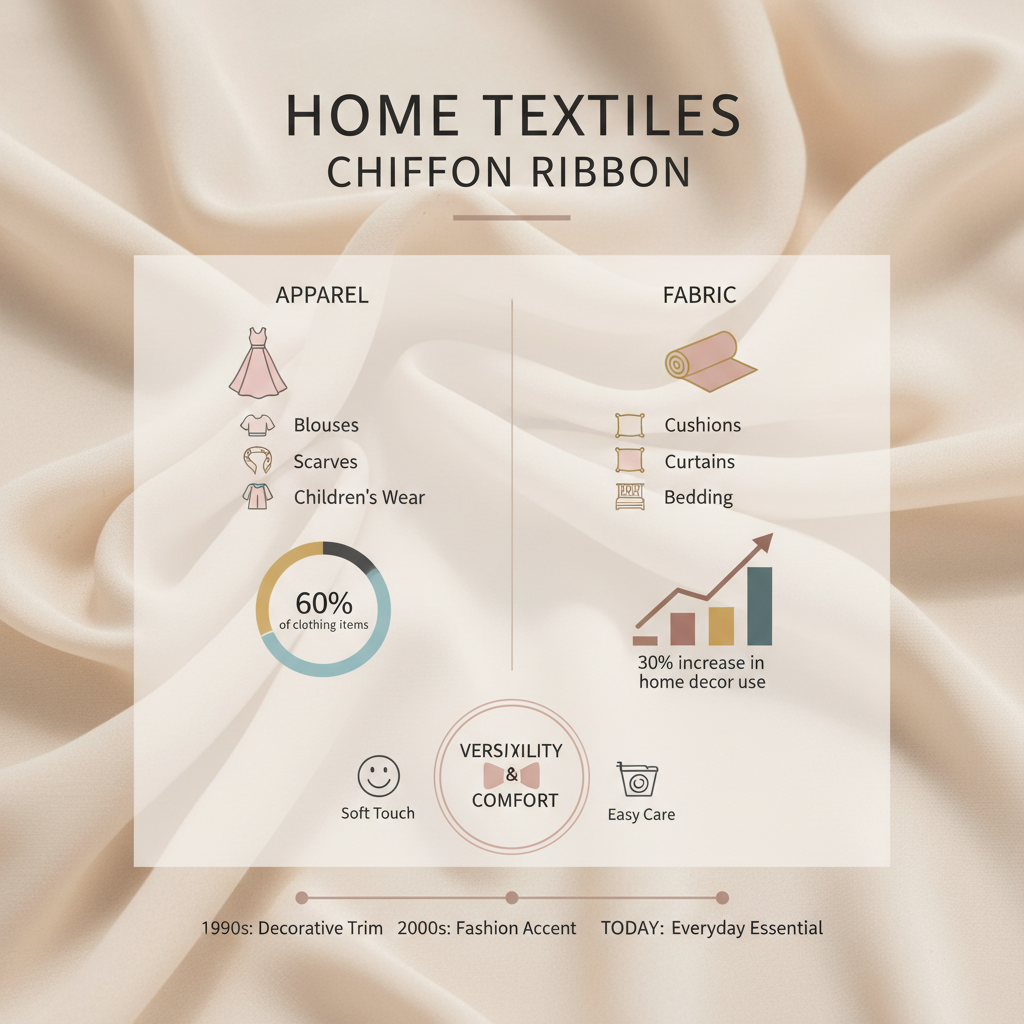
The application of chiffon ribbon extends across a diverse range of industries. In the fashion industry, it’s a staple for embellishing clothing, creating delicate trims, and crafting accessories like hair ties and sashes. The demand for chiffon ribbon in haute couture and ready-to-wear collections remains consistently high.
The packaging industry utilizes chiffon ribbon extensively for creating elegant gift wrapping and product presentation. Its aesthetic appeal elevates the perceived value of products, making it a preferred choice for luxury brands and special occasion gifting. Event planners rely on chiffon ribbon for decorating venues, creating stunning table settings, and crafting elaborate floral arrangements.
chiffon ribbon Application by Industry (Global Market Share)
Advantages and Long-Term Value of chiffon ribbon
The advantages of utilizing chiffon ribbon extend beyond its aesthetic qualities. Its lightweight nature minimizes added weight to garments or packaging, enhancing comfort and reducing shipping costs. Its versatility allows for a wide range of creative applications, reducing the need for multiple specialized materials. The relatively low cost of production, particularly for polyester chiffon ribbon, contributes to its affordability.
The long-term value lies in its ability to enhance brand perception and create a lasting impression. High-quality chiffon ribbon conveys a sense of luxury and attention to detail, building trust and loyalty with customers. Its timeless appeal ensures its continued relevance in evolving market trends, providing a stable investment for businesses.
Future Trends and Innovations in chiffon ribbon Production
Sustainability is a driving force in the future of chiffon ribbon production. The development of eco-friendly materials, such as recycled polyester and bio-based fibers, is gaining momentum. Innovations in dyeing techniques aim to reduce water consumption and eliminate harmful chemicals. Digital printing technologies allow for greater design flexibility and reduced waste.
Furthermore, advancements in weaving technology are improving the durability and texture of chiffon ribbon. Nanotechnology is being explored to enhance its properties, such as stain resistance and wrinkle recovery. The integration of smart textiles, incorporating features like embedded sensors or conductive threads, could open up new applications in wearable technology and interactive displays.
Challenges and Solutions in the chiffon ribbon Supply Chain
The chiffon ribbon supply chain faces several challenges. Ensuring ethical sourcing of raw materials, particularly silk, is a growing concern. Maintaining consistent quality control throughout the production process is crucial to avoid defects and inconsistencies. Managing fluctuations in raw material prices and transportation costs can impact profitability.
Solutions include implementing transparent and traceable supply chains, partnering with certified suppliers, and investing in advanced quality control systems. Diversifying sourcing options and negotiating long-term contracts can mitigate price volatility. Adopting lean manufacturing principles and optimizing logistics can reduce waste and improve efficiency.
Moreover, investing in research and development to explore alternative materials and sustainable production methods is essential for long-term resilience and competitiveness. Collaboration across the supply chain, from fiber producers to retailers, is key to addressing these challenges effectively.
Summary of Challenges and Solutions in chiffon ribbon Supply Chain
| Challenge |
Impact Area |
Proposed Solution |
Implementation Difficulty (1-10) |
| Ethical Sourcing of Raw Silk |
Reputation & Sustainability |
Partner with Certified Silk Farms |
7 |
| Quality Control Inconsistencies |
Product Quality & Customer Satisfaction |
Implement Advanced Inspection Systems |
6 |
| Raw Material Price Fluctuations |
Profit Margin & Cost Management |
Diversify Sourcing & Long-Term Contracts |
5 |
| Environmental Impact of Dyeing Processes |
Sustainability & Regulatory Compliance |
Invest in Eco-Friendly Dyeing Technologies |
8 |
| Supply Chain Transparency |
Brand Trust & Consumer Demand |
Implement Blockchain Tracking System |
9 |
| Logistics & Transportation Costs |
Delivery Time & Profitability |
Optimize Logistics Routes & Consolidate Shipments |
4 |
FAQS
Silk chiffon ribbon is known for its superior drape, sheen, and luxurious feel, but it is more delicate and expensive. Polyester chiffon ribbon is more durable, wrinkle-resistant, and cost-effective, making it a popular choice for a wide range of applications. While silk offers a more premium aesthetic, polyester provides greater practicality and affordability for many users.
Chiffon ribbon is prone to fraying due to its loose weave. To minimize fraying, you can use a seam sealant along the edges. Alternatively, carefully folding the edges over and stitching them can provide a clean and durable finish. Using sharp scissors when cutting the ribbon also helps to reduce fraying. Properly storing the ribbon when not in use protects it from damage.
While chiffon ribbon can be used outdoors, it’s not ideally suited for prolonged exposure to the elements. The fabric is delicate and can be damaged by wind, rain, and sunlight. For outdoor applications, it's best to use a protective coating or choose a more durable material. Short-term use for events is acceptable, but avoid extended outdoor exposure to maintain its appearance and integrity.
Hand washing is recommended for chiffon ribbon. Use a mild detergent and cold water, gently agitating the fabric. Avoid twisting or wringing the ribbon, as this can damage the delicate fibers. Rinse thoroughly and lay flat to dry, away from direct sunlight. Ironing should be done on a low setting, using a pressing cloth to protect the fabric. Dry cleaning is also an option for delicate chiffon ribbon.
Several suppliers specialize in high-quality and sustainable chiffon ribbon. Look for companies that offer certifications like Oeko-Tex, which ensures the fabric is free from harmful substances. Consider suppliers offering ribbons made from recycled polyester or organic silk. Bosswin Textile offers a selection of responsibly sourced chiffon ribbons. Ensure transparency in the supply chain and verify the manufacturer's commitment to ethical practices.
Chiffon ribbon offers a wealth of creative possibilities! Utilize it for embellishing clothing, creating hair accessories, crafting delicate jewelry, decorating wedding favors, or adding a touch of elegance to home décor projects. It can be incorporated into mixed media art, floral arrangements, and even used as a lightweight fabric for draping and layering in fashion design. The versatility of chiffon ribbon allows for endless artistic expression.
Conclusion
In conclusion, chiffon ribbon represents far more than just a decorative element. Its versatility, coupled with ongoing innovations in materials and production techniques, solidifies its position as a crucial component within the global textile industry. Understanding its properties, applications, and the challenges facing its supply chain is essential for businesses aiming to capitalize on its enduring appeal and navigate the evolving landscape of sustainable manufacturing.
Looking ahead, the future of chiffon ribbon hinges on embracing eco-friendly practices, investing in research and development, and fostering collaboration across the supply chain. By prioritizing sustainability, ethical sourcing, and technological advancements, the industry can ensure the continued relevance and value of this delicate yet remarkably versatile material. Visit our website at www.bosswintextile.com to explore our range of premium chiffon ribbon options.