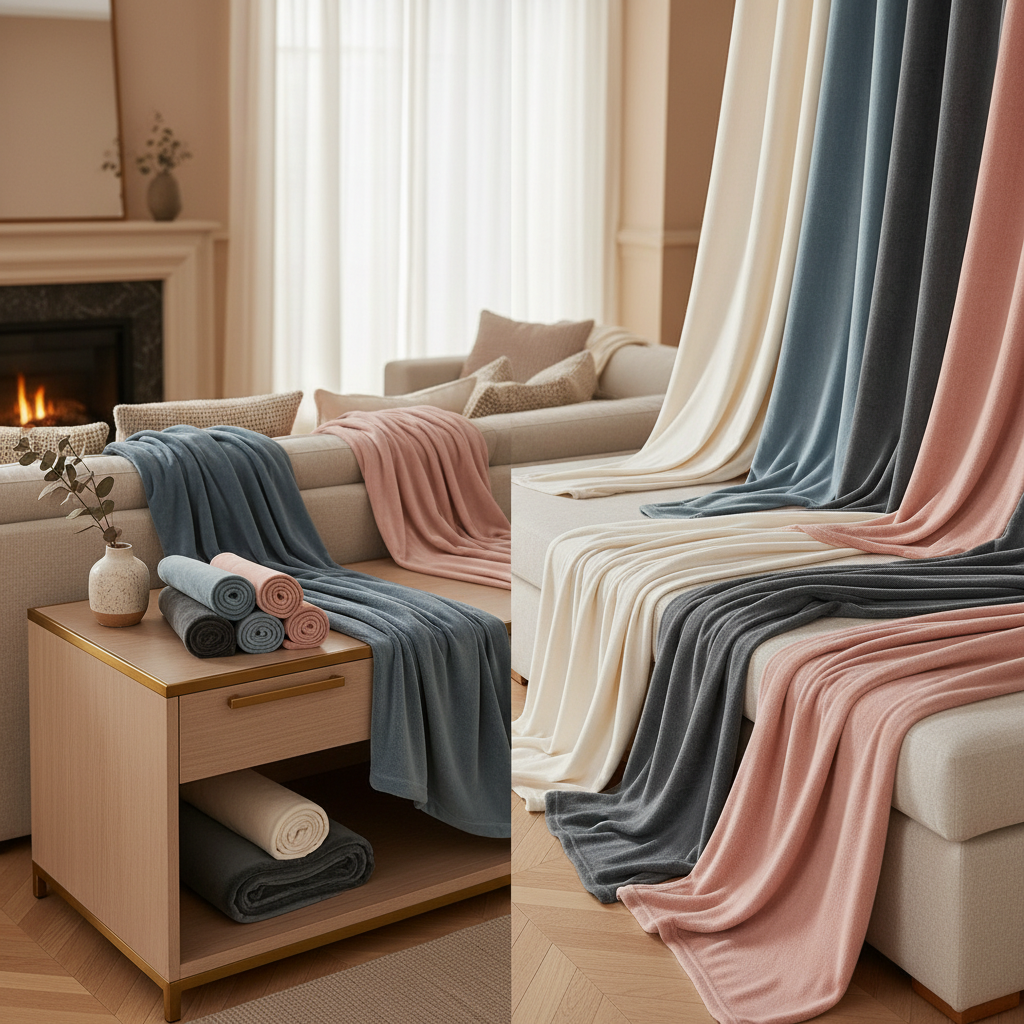
Chiffon material, renowned for its sheer lightness and delicate drape, has become a staple in the fashion and textile industries globally. Its exceptional flow and soft texture make it ideal for creating elegant garments and accessories. Understanding the nuances of chiffon – its composition, production, and application – is crucial for designers, manufacturers, and consumers alike in a world increasingly focused on quality and aesthetic appeal.
The global market for textiles, and specifically lightweight fabrics like chiffon, is driven by fashion trends, consumer demand for comfortable and stylish clothing, and the growing apparel industry in emerging economies. According to data from the World Trade Organization, textile exports reached over $2.5 trillion in 2022, highlighting the significant economic impact of this sector. A challenge within this market lies in balancing production costs with sustainable and ethical practices, especially concerning the environmental impact of dyeing and finishing processes related to chiffon material.
At its core, chiffon material is a plain weave fabric traditionally made from polyester, nylon, silk, or rayon. Its defining characteristic is its tightly twisted yarns, giving it a sheer, almost transparent quality. This fabric connects directly to modern industry by allowing for innovations in garment construction and design, meeting the demand for lightweight, breathable fabrics that offer both comfort and aesthetic appeal. Chiffon's versatility extends beyond fashion, finding applications in home décor and even specialized industrial uses where a delicate, strong fabric is required.
The Essence and Global Reach of chiffon material
Chiffon material holds a significant position in the global textile trade, originating as a luxurious fabric favored by royalty and the elite. Today, it is ubiquitous, appearing in everything from high-fashion couture to affordable ready-to-wear garments. The United Nations Comtrade database illustrates a steady increase in the international trade of woven fabrics like chiffon, particularly from manufacturing hubs in Asia.
A key challenge facing the chiffon industry is maintaining quality standards while managing production costs. The demand for affordable chiffon material often leads to the use of lower-grade fibers and less sustainable production methods. This necessitates a focus on innovation – exploring new fiber blends, optimizing weaving techniques, and adopting environmentally friendly dyeing processes to ensure long-term sustainability and competitiveness in the global market.
Defining chiffon material: Composition and Characteristics
At its most basic, chiffon material is a lightweight plain-weave fabric characterized by a delicate, sheer texture. Historically, it was primarily woven from silk, lending it a luxurious sheen and exceptional softness. Modern chiffon is often made from polyester, nylon, or rayon, offering affordability and durability while attempting to replicate the aesthetic qualities of silk chiffon.
The key defining characteristic of chiffon lies in its tightly twisted yarns. This twisting process creates a fabric with a slightly rough texture, which, paradoxically, contributes to its beautiful drape and flowing quality. This delicate balance between texture and drape makes chiffon material exceptionally versatile for creating garments with movement and dimension.
Understanding the fiber composition is critical when evaluating chiffon material. Silk chiffon is the most luxurious and breathable, while polyester chiffon offers superior wrinkle resistance and affordability. Nylon chiffon provides excellent strength and elasticity, and rayon chiffon offers a more sustainable option, though it may require more careful handling.
Key Properties Influencing chiffon material Applications
Several core properties dictate the suitability of chiffon material for different applications. Sheerness, obviously, is a defining feature, making it ideal for layering, creating flowing silhouettes, and adding a touch of elegance. This requires careful consideration during garment construction to ensure appropriate lining and support.
Drape, the way the fabric falls and flows, is another crucial property. Chiffon's exceptional drape is a direct result of its lightweight construction and tightly twisted yarns. This allows designers to create garments that move gracefully and flatter the body. However, this very quality also makes it difficult to work with, requiring specialized cutting and sewing techniques.
Strength, while seemingly at odds with its delicate appearance, is surprisingly important. The tight weave and fiber composition contribute to a reasonable level of strength, though chiffon remains more susceptible to tearing than heavier fabrics. Careful handling and appropriate reinforcement techniques are vital.
Real-World Applications of chiffon material Across Industries
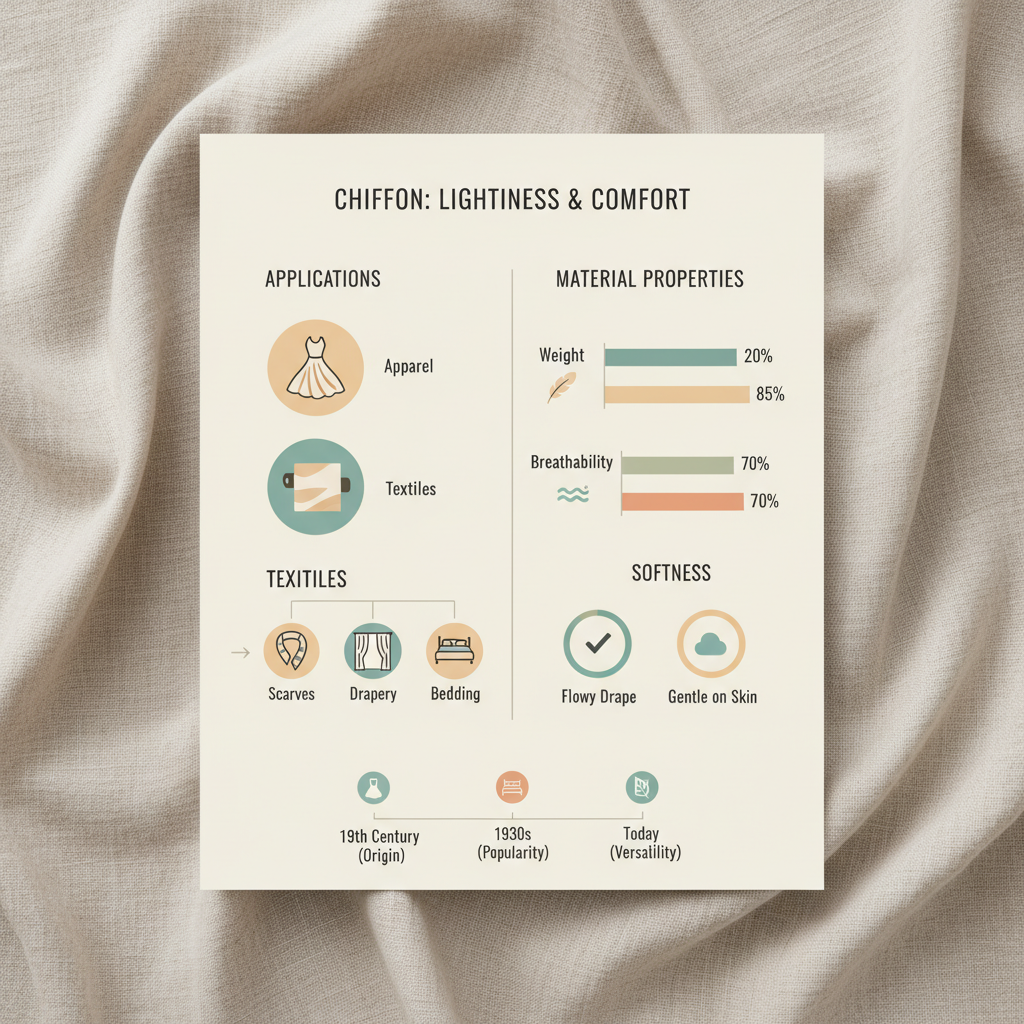
The fashion industry is the primary consumer of chiffon material, utilizing it extensively in evening gowns, blouses, scarves, and lingerie. Its lightweight and flowing nature lends itself perfectly to creating romantic and ethereal designs. Beyond apparel, chiffon is also used for creating decorative elements such as ruffles, bows, and embellishments.
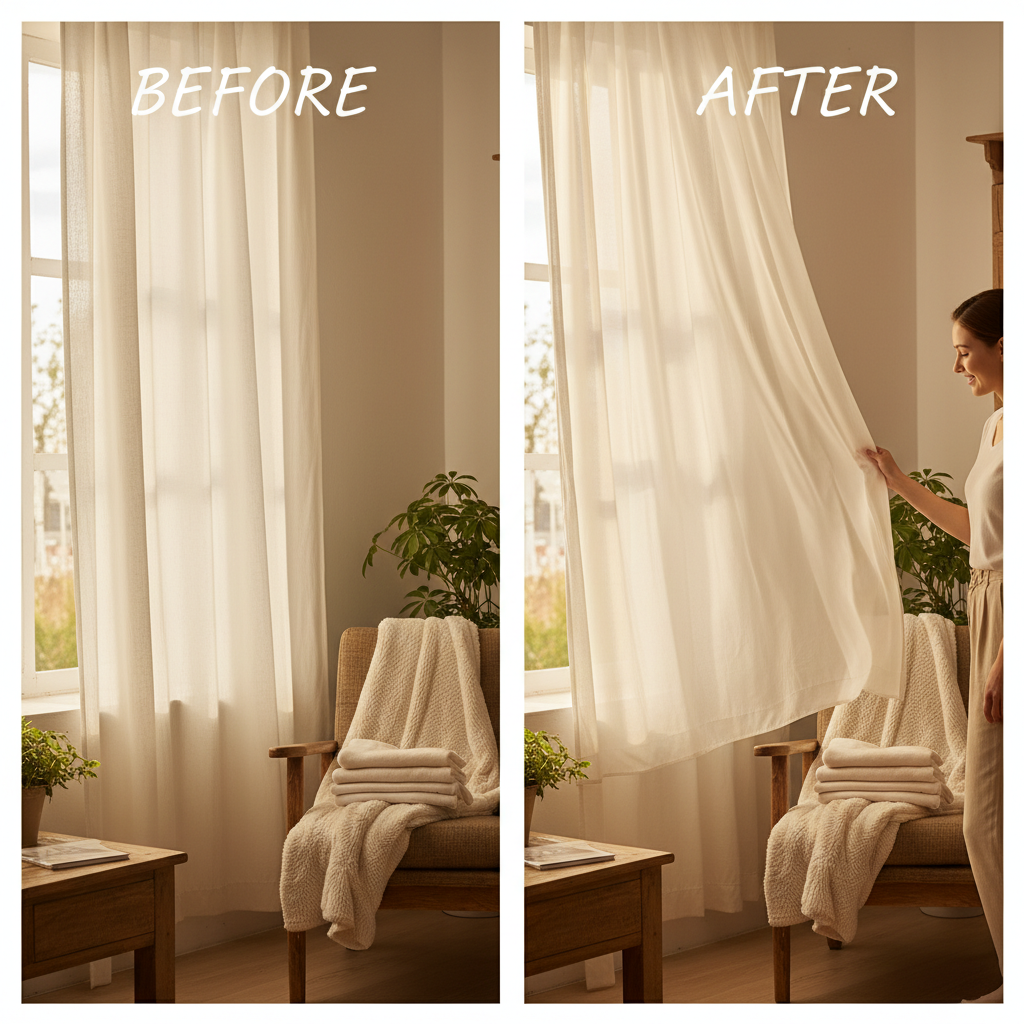
In the home décor sector, chiffon material finds applications in curtains, draperies, and table runners, adding a touch of elegance and sophistication to interior spaces. Its sheer quality allows light to filter through, creating a soft and airy ambiance. It is also used in creating decorative ribbons and other embellishments.
chiffon material Application Distribution by Sector
Advantages and Long-Term Value of chiffon material
The primary advantage of chiffon material lies in its aesthetic qualities – its sheer beauty, delicate drape, and elegant appearance. This translates to high perceived value, particularly in the fashion industry, and allows designers to create stunning and eye-catching garments. Its lightweight nature also provides comfort, making it ideal for warm-weather clothing.
From a long-term perspective, the increasing demand for sustainable and ethically sourced materials presents a significant opportunity for chiffon manufacturers. Investing in eco-friendly production processes, utilizing recycled fibers, and ensuring fair labor practices can enhance brand reputation and attract environmentally conscious consumers.
Future Trends Shaping chiffon material Production and Use
The future of chiffon material is likely to be shaped by several key trends. The development of new, more sustainable fiber blends – incorporating materials like Tencel and recycled polyester – is gaining momentum. This will address the growing concern about the environmental impact of traditional chiffon production.
Digital printing technologies are also playing a crucial role, allowing for more intricate and customized designs on chiffon fabrics with reduced water consumption and waste. Furthermore, advancements in weaving technology are leading to improved fabric quality, durability, and drape, expanding the potential applications of chiffon material.
We can also expect to see increased use of smart textiles incorporating chiffon. Integrating conductive fibers into chiffon material could create garments with embedded sensors, for example, in the sportswear or healthcare industries.
Challenges and Innovative Solutions in chiffon material Handling
One of the main challenges in working with chiffon material is its delicate nature. Its tendency to fray and its difficulty to sew require specialized techniques and skilled craftsmanship. Improper handling can lead to damaged fabric and increased production costs.
Innovative solutions include the use of laser cutting technology, which provides clean, precise cuts without causing fraying. Utilizing specialized needles and sewing machine settings designed for delicate fabrics can also improve seam quality and reduce the risk of damage.
Addressing the environmental impact of dyeing processes is another significant challenge. Developing and adopting eco-friendly dyes and water-saving dyeing techniques are crucial for minimizing the environmental footprint of chiffon production and promoting sustainability.
Summary of chiffon material Challenges and Solutions
| Challenge |
Impact on Production |
Proposed Solution |
Implementation Cost (Scale 1-10) |
| Fabric Fraying |
Increased waste, higher labor costs |
Laser cutting, serging edges |
7 |
| Difficult Sewing |
Slowed production, potential damage |
Specialized needles & machine settings |
4 |
| Environmental Impact of Dyeing |
Water pollution, chemical waste |
Eco-friendly dyes, water-saving techniques |
8 |
| High Production Costs |
Reduced profit margins, limited accessibility |
Automated processes, efficient material use |
6 |
| Limited Durability |
Shorter lifespan of garments |
Fiber blending with stronger materials |
5 |
| Sourcing Sustainable Fibers |
Supply chain complexity, higher costs |
Partnerships with certified suppliers |
7 |
FAQS
To preserve the delicate nature of chiffon, hand washing in cool water with a mild detergent is highly recommended. Avoid harsh chemicals, bleach, and vigorous scrubbing. Gently squeeze out excess water – do not wring – and lay flat to dry away from direct sunlight. Ironing should be done on a low setting, preferably with a pressing cloth between the iron and the fabric to prevent scorching.
Silk chiffon is the most expensive and luxurious option, offering superior drape and breathability but requiring delicate care. Polyester chiffon is the most affordable and durable, wrinkle-resistant, but lacks the natural sheen of silk. Nylon chiffon provides good strength and elasticity, while rayon chiffon is a more sustainable choice. The choice depends on the intended application and budget.
Several innovative dyeing techniques are emerging, including waterless dyeing using supercritical carbon dioxide, digital printing, and the use of natural dyes derived from plants and minerals. These methods significantly reduce water consumption, chemical waste, and energy usage, contributing to a more sustainable chiffon industry.
While versatile, chiffon material isn’t ideal for every garment. Due to its sheerness, it requires lining for most applications. It's exceptionally well-suited for flowing dresses, blouses, scarves, and overlays. It's less suitable for structured garments or items requiring significant durability. Consider the intended use and desired aesthetic when selecting chiffon.
Look for a fabric with a soft, smooth texture and a subtle sheen. Gently stretch the fabric – it should have a slight give but not feel overly flimsy. Inspect the weave closely for tightness and consistency. A high-quality chiffon will also have minimal fraying and good drape.
Currently, chiffon is experiencing a resurgence in popularity, particularly in flowing maxi dresses, layered tops, and romantic blouses. Designers are experimenting with bold prints, color blocking, and asymmetrical cuts. Sheer chiffon overlays are also being used to create dramatic and ethereal effects.
Conclusion
In conclusion, chiffon material, with its delicate beauty, versatile applications, and evolving production methods, remains a cornerstone of the textile industry. From its historical roots as a luxurious silk fabric to its modern adaptations using synthetic fibers, chiffon continues to captivate designers and consumers alike. Understanding its properties, challenges, and future trends is crucial for navigating this dynamic market.
Looking ahead, a focus on sustainability, innovation, and ethical sourcing will be paramount for ensuring the long-term viability of the chiffon industry. By embracing eco-friendly practices, investing in new technologies, and prioritizing quality, manufacturers can continue to deliver this exquisite fabric to a global audience. To explore a wide range of chiffon fabrics and discover how we can meet your specific needs, visit our website: www.bosswintextile.com