Black and white fabric, a timeless combination, holds a significant place in global textiles. Its versatility spans fashion, interior design, and industrial applications, making it a consistently high-demand material. From haute couture runways to everyday apparel, the contrast and simplicity of black and white provide a foundational aesthetic. Understanding its production, properties, and applications is crucial for businesses and consumers alike in a globally connected market. black and white fabric remains a cornerstone of the textile industry.
The global textile industry, valued at over $1 trillion, relies heavily on staple fabrics like black and white. Emerging economies are driving demand, particularly in Asia-Pacific, where textile manufacturing and consumption are rapidly increasing. However, challenges such as sustainable sourcing, ethical labor practices, and fluctuating raw material costs are pushing the industry to innovate. The enduring appeal of black and white fabric ensures its continued relevance amidst these changes.
This fabric isn't merely aesthetic; it serves crucial functional roles. In safety applications, high-visibility black and white patterns enhance worker safety, while in medical textiles, its clean appearance aligns with hygiene standards. The demand for ethically sourced and environmentally friendly black and white fabric is rising, prompting manufacturers to adopt sustainable practices.
The Enduring Appeal of black and white fabric
The allure of black and white fabric lies in its inherent simplicity and timeless elegance. This classic color combination transcends fleeting fashion trends, maintaining a consistent presence across diverse styles and eras. Its neutral palette acts as a blank canvas, making it incredibly versatile for design and customization.
Beyond aesthetics, the contrasting nature of black and white lends itself to visually striking patterns and designs. From bold stripes and checks to intricate geometric prints, the possibilities are endless. This adaptability has solidified its position as a staple in numerous industries, including fashion, home décor, and graphic design.
Global Significance and Market Trends
The global market for textiles, including black and white fabric, is a multi-billion dollar industry. Driven by population growth, rising disposable incomes, and increasing demand for apparel and home furnishings, the market is experiencing steady expansion. Asia-Pacific dominates both production and consumption, with China, India, and Bangladesh playing key roles.
Sustainability is a significant trend shaping the market. Consumers are increasingly demanding eco-friendly fabrics and ethical manufacturing practices. This is leading to a rise in organic cotton, recycled materials, and innovative dyeing techniques. Manufacturers are responding by investing in sustainable technologies and certifications.
Furthermore, the rise of e-commerce and fast fashion has significantly impacted the industry. The demand for quick turnaround times and affordable clothing is driving innovation in production and logistics, but also raising concerns about waste and environmental impact. The adaptability of black and white fabric makes it well-suited for various trends.
Defining black and white fabric
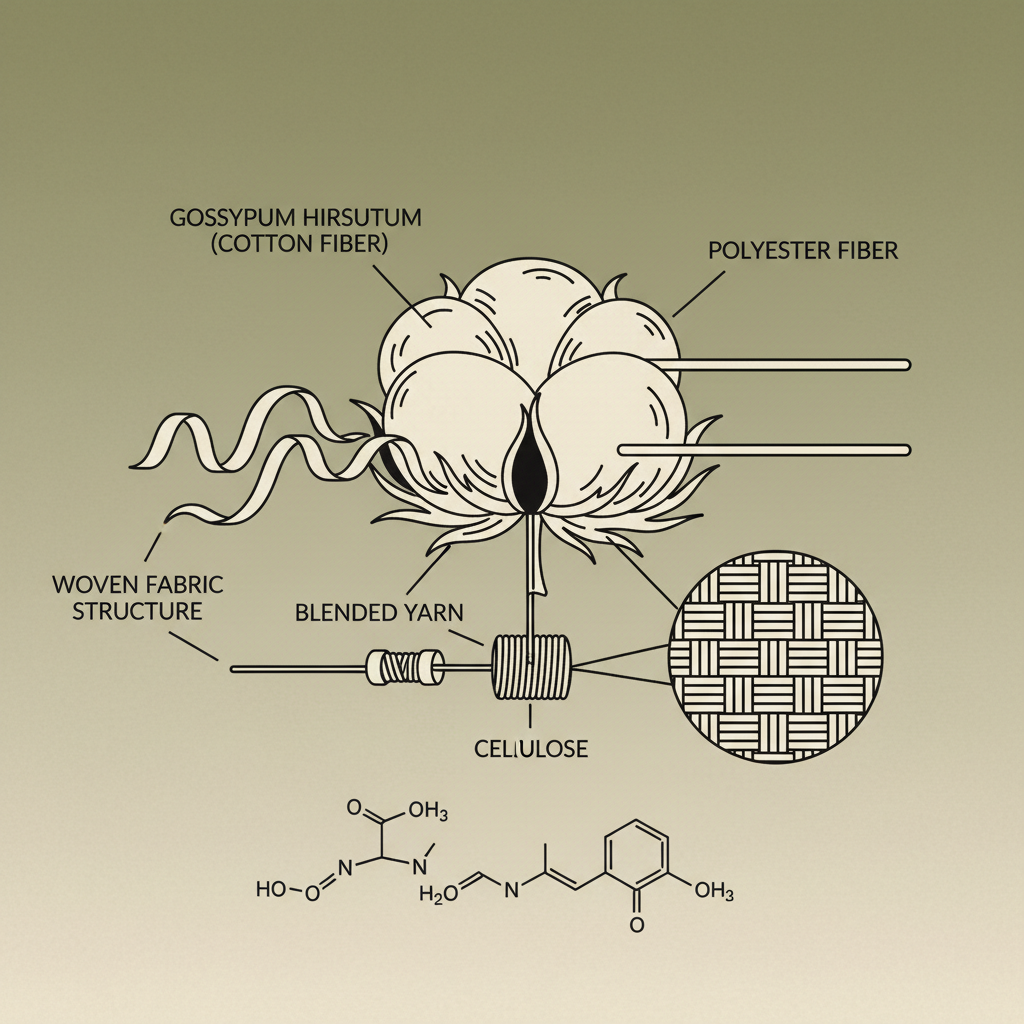
Black and white fabric refers to textiles where the warp and weft threads, or the fabric's overall composition, predominantly feature black and white colors. This can range from simple solid-colored fabrics to complex patterns like stripes, checks, polka dots, and intricate designs. The base material can vary widely, including cotton, linen, polyester, silk, or blends.
The definition extends beyond just the colors themselves. The way black and white are used—the contrast, the pattern density, and the texture—all contribute to the fabric's overall character. High-contrast black and white fabrics tend to be visually striking, while softer shades create a more subtle effect. The presence of black and white directly impacts the fabric’s ability to absorb light and the perceived texture.
In modern industry, black and white fabric’s significance extends to various sectors. It's a critical component in high-visibility safety gear, providing crucial contrast for enhanced visibility. It's also heavily used in medical settings, where cleanliness and a neutral aesthetic are paramount. Understanding the fabric’s composition and dye processes is vital for ensuring both functionality and aesthetic appeal.
Core Characteristics of black and white fabric
One key characteristic of black and white fabric is its inherent versatility. It complements a vast range of colors and styles, serving as a neutral base for bold designs or a sophisticated standalone statement. This adaptability extends to different seasons and occasions.
Another defining trait is its visual impact. The high contrast between black and white creates a striking effect, drawing the eye and enhancing the perceived shape and form of garments or objects. This makes it a popular choice for designs that require a strong visual presence.
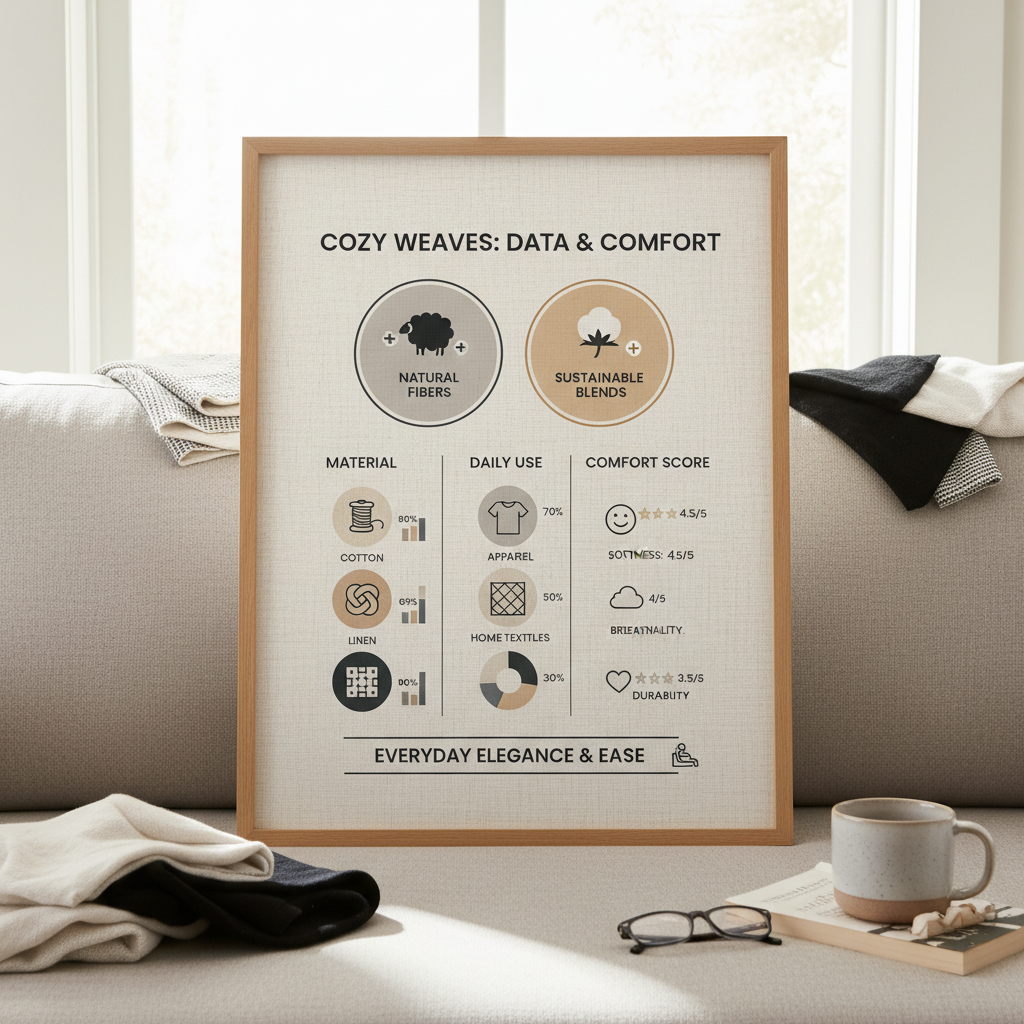
black and white fabric Performance Metrics
Versatile Applications of black and white fabric
The fashion industry is a major consumer of black and white fabric, utilizing it for everything from classic dresses and suits to trendy separates and accessories. The inherent sophistication of the color combination makes it a perennial favorite among designers and consumers alike.
Beyond fashion, black and white fabric finds extensive use in interior design. It’s often employed in upholstery, curtains, and bedding to create visually striking contrasts or a minimalist aesthetic. In graphic design, it's utilized for logos, posters, and packaging due to its clarity and impact.
Advantages and Long-Term Value
One significant advantage of black and white fabric is its cost-effectiveness. Black and white dyes are generally less expensive than other colors, making the fabric more affordable to produce. This translates to lower prices for consumers.
Furthermore, the durability of black and white fabric, particularly when made from high-quality materials, ensures its longevity. It resists fading and maintains its visual appeal even after repeated washing and wear. This reduces the need for frequent replacements, contributing to long-term value.
Future Trends and Innovations
Emerging technologies in textile printing, such as digital textile printing, are enabling more intricate and personalized designs on black and white fabric. This opens up new possibilities for customization and on-demand production.
Sustainable innovations, like the development of eco-friendly dyes and recycled black and white fabrics, are gaining traction. These initiatives aim to reduce the environmental impact of textile production and promote a circular economy. The use of biodegradable fibers in combination with black and white color palettes is a promising area of research.
Moreover, smart textiles incorporating conductive inks and sensors are being developed, potentially adding functionality to black and white fabric, such as heating elements or embedded displays.
Analysis of Sustainability Factors in black and white fabric Production
| Material Source |
Dyeing Process |
Water Usage |
Waste Generation |
| Organic Cotton |
Natural Dyes |
Low (Recycled Water) |
Minimal (Compostable) |
| Recycled Polyester |
Low-Impact Dyes |
Moderate (Water Treatment) |
Low (Recycling Programs) |
| Conventional Cotton |
Synthetic Dyes |
High (Limited Treatment) |
Moderate (Landfill) |
| Hemp |
Plant-Based Dyes |
Very Low (Rain-Fed) |
Negligible (Biodegradable) |
| Bamboo Viscose |
Eco-Friendly Dyes |
Moderate (Closed-Loop System) |
Low (Chemical Recycling) |
| Linen |
Reactive Dyes |
Moderate (Efficient Irrigation) |
Minimal (Natural Fibers) |
FAQS
Black and white fabric can be sustainable when produced using organic fibers like organic cotton or hemp, and employing eco-friendly dyeing processes. Choosing recycled polyester or utilizing low-impact dyes significantly reduces its environmental footprint. Proper waste management and water conservation during production are also crucial. It’s a versatile base for sustainable fashion practices.
Look for tightly woven fabrics with a consistent color distribution and minimal bleeding during washing. Check the fiber content – natural fibers like cotton and linen are generally more breathable and durable. Consider the weight and drape of the fabric; heavier weights often indicate higher quality. Examine the finish for smooth seams and a clean appearance.
Generally, black and white fabric can be machine washed on a gentle cycle with cold water. Avoid using harsh detergents or bleach, as these can cause fading or discoloration. Tumble dry on low heat or hang to dry to prevent shrinking. For delicate fabrics like silk or linen, hand washing is recommended. Always check the care label for specific instructions.
Black and white fabric’s suitability depends on the fiber content. Lighter-weight cotton or linen blends are ideal for warmer climates due to their breathability. Heavier-weight fabrics like wool or flannel are better suited for colder weather. The color itself can influence temperature perception, with black absorbing more heat than white.
Several suppliers specialize in ethically sourced and sustainable fabrics. Look for certifications like GOTS (Global Organic Textile Standard) and OEKO-TEX Standard 100. Websites like Bosswin Textile, and others dedicated to sustainable textiles, can provide options. Researching supplier transparency and labor practices is essential.
Beyond traditional apparel and home décor, black and white fabric can be used in creative ways. Digital printing allows for complex, personalized patterns. Incorporating smart textiles with conductive inks enables integrated technology. Using textured or layered black and white fabrics can create visually compelling installations or art pieces. Exploring 3D printing with specialized fibers expands possibilities.
Conclusion
In conclusion, black and white fabric represents a cornerstone of the textile industry, demonstrating enduring appeal through its versatility, aesthetic simplicity, and cost-effectiveness. The ongoing trends towards sustainability, coupled with technological advancements in production and design, position black and white fabric for continued relevance and innovation. Understanding its core characteristics and diverse applications is crucial for professionals and consumers alike.
Looking ahead, we anticipate a growing demand for ethically sourced and environmentally friendly black and white fabrics. Embracing digital printing, exploring smart textile technologies, and promoting circular economy practices will be key to maximizing its long-term value and minimizing its environmental impact. Visit our website at www.bosswintextile.com to explore our range of high-quality black and white fabrics and learn more about our commitment to sustainable textile solutions.