You know, lately everyone's talking about lightweighting, right? Every project I go to, it's "make it lighter, make it stronger." It’s a bit of a headache, honestly. They want the moon on a stick. To be honest, it’s pushing everyone to rethink materials.
And the designs… oh boy, the designs. I’ve seen so many blueprints that look amazing, all sleek lines and fancy curves, but then you get to the site and realize they’ve completely overlooked how a guy with gloves on is supposed to actually assemble the thing. Have you noticed how architects rarely spend time on-site? It’s a problem.
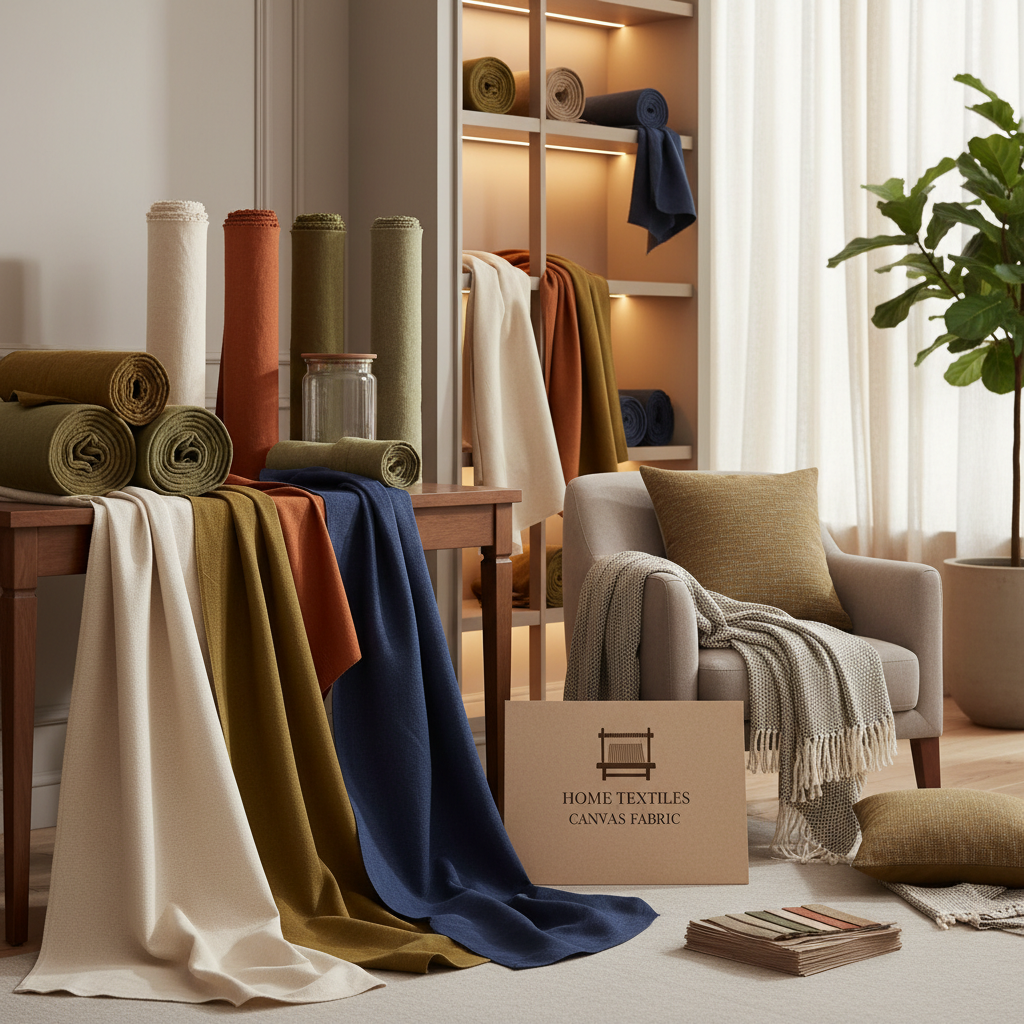
We've been doing a lot with poly cotton fabric for sale, especially for protective covers and linings. It’s not glamorous, but it’s essential. I encountered this at a factory in Dongguan last time – they were using a really cheap version, and it just fell apart after a week. Smelled like… well, let's just say it didn’t smell good. The good stuff, though, it’s got a decent weight to it, feels durable, and doesn't disintegrate when it gets a little damp. Which, let me tell you, everything gets a little damp on a construction site.
The Growing Demand for poly cotton fabric for sale
Strangely enough, the demand for poly cotton fabric for sale has been climbing steadily. It’s not sexy, but it’s reliable. More and more projects are specifying it for things like dust covers, protective gear storage, and even sound dampening in temporary structures. I think it’s because it hits that sweet spot between cost, durability, and ease of use.
Honestly, it’s a relief. We were getting swamped with requests for these fancy, high-tech materials that just weren’t practical for a lot of applications. This stuff? You can cut it, sew it, it holds up to abuse… it just works.
Common Design Pitfalls in poly cotton fabric for sale Applications
The biggest mistake I see is designers forgetting about how things are actually made. They’ll design a cover with a million little pockets and flaps, thinking it's clever, but then the sewing team has to spend three times as long to put it together. It’s wasteful. Another issue is underestimating the stress points. A simple tear in poly cotton fabric for sale might not seem like much, but it can quickly spread if it’s in a high-stress area.
And don’t even get me started on the guys who want everything waterproof. Poly cotton fabric for sale isn’t waterproof, okay? It’s water-resistant. There’s a difference. Trying to force it to be waterproof just adds cost and complexity. It's a constant battle, trying to explain this.
I remember one design that called for a completely enclosed cover with tiny ventilation holes. The engineer swore it would prevent condensation. It didn’t. It just trapped all the moisture inside and created a breeding ground for mildew. Later... forget it, I won’t mention it.
Material Properties and Handling of poly cotton fabric for sale
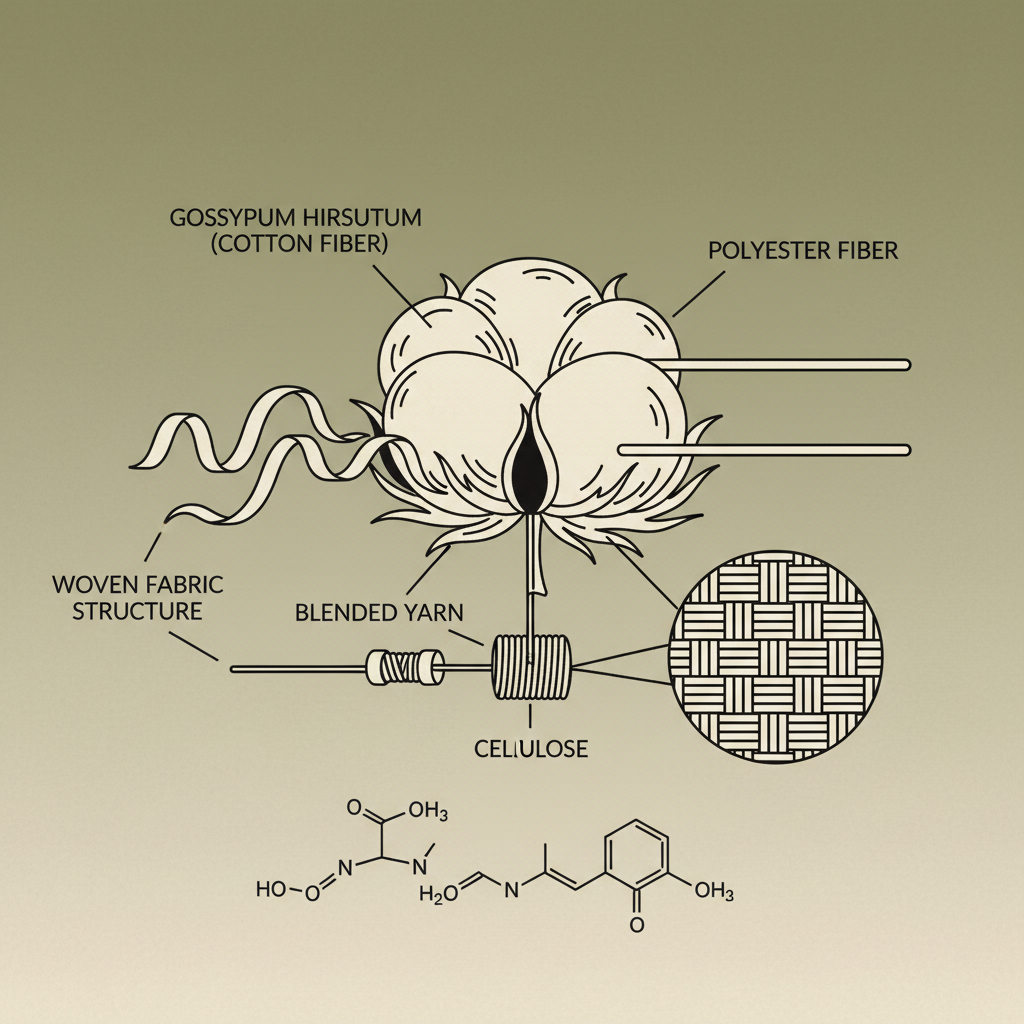
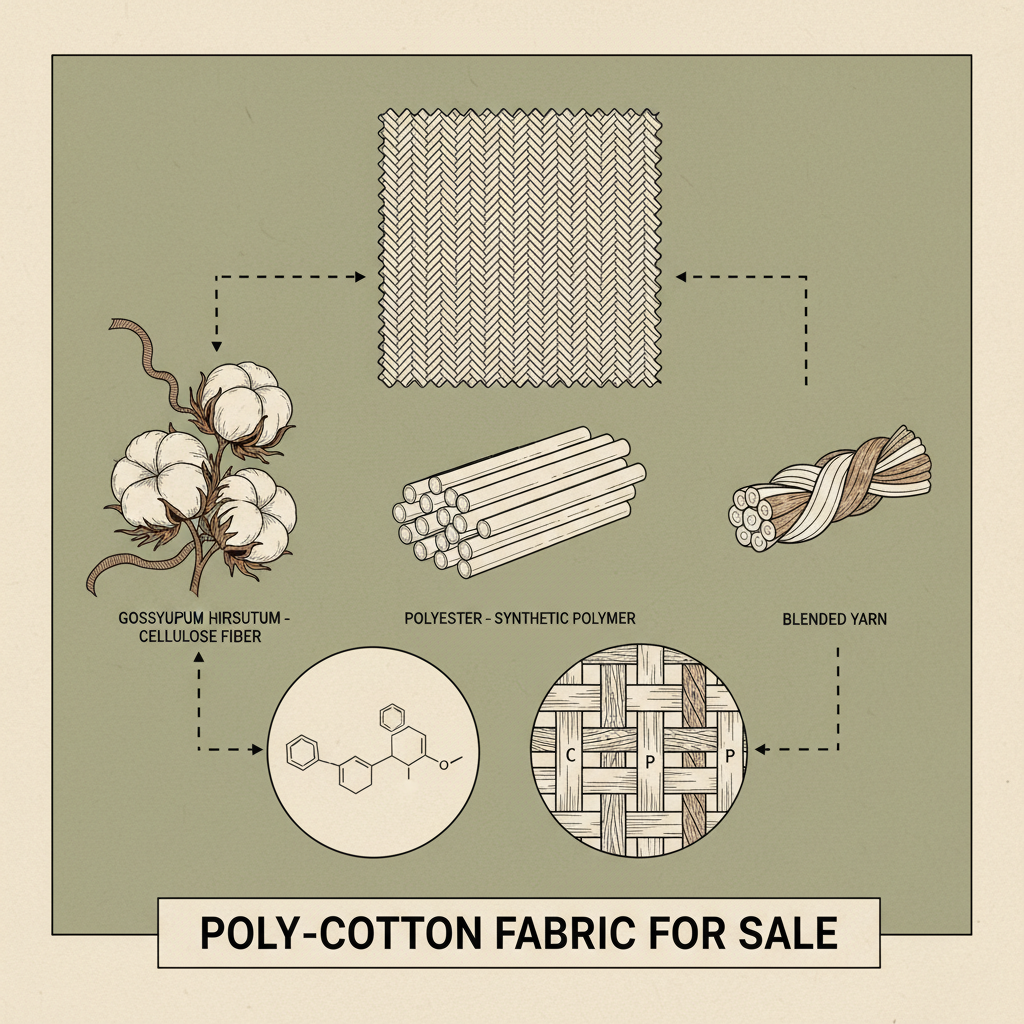
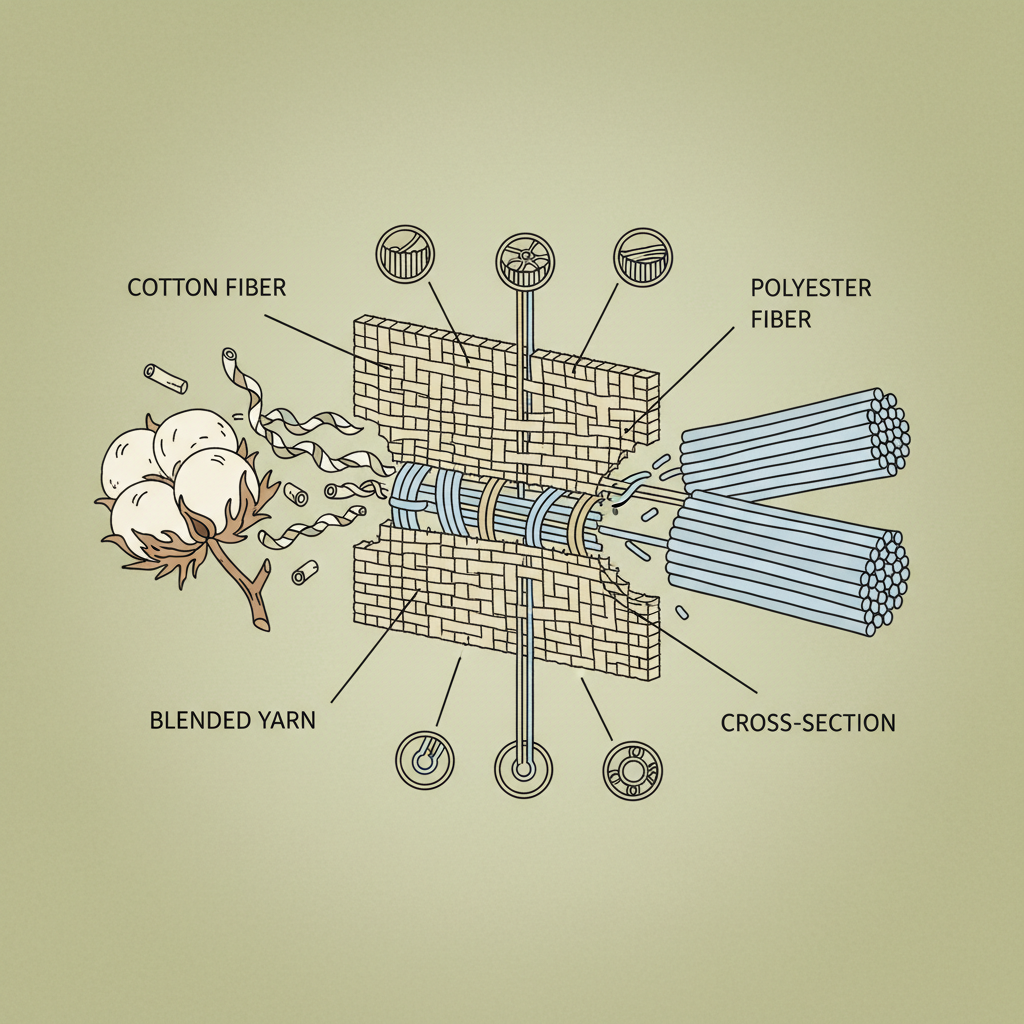
You’ve got different blends, you see. 65/35 poly-cotton is pretty standard. Feels a bit rougher, more durable. 50/50 is softer, drapes better, good for linings. I prefer the 65/35 for anything that's going to get seriously roughed up. It doesn't smell as bad when it gets dirty either, which is a bonus.
Handling it is pretty straightforward. It cuts easily with a rotary cutter, doesn’t fray too much, and takes standard sewing machines without a fuss. The dust though… poly cotton fabric for sale generates a lot of dust when you’re cutting it. Always wear a mask. Seriously. We had a guy get a nasty cough last year because he didn’t.
The weight varies depending on the weave, but you can generally get it in anything from a lightweight twill to a heavier canvas. For most applications, I recommend something around 6-8oz per square yard. It’s a good balance between weight, durability, and cost.
Real-World Testing and Performance of poly cotton fabric for sale
We don't really do a lot of lab testing with this stuff. It's not like we're developing some new aerospace alloy. The real test is just… using it. We take samples out to sites, give them to the crews, and see how they hold up. Simple as that. We look for tears, abrasions, fading, and how well it holds its shape after being stuffed into a toolbox or left out in the sun.
I ran a small test at a solar panel installation last month. We used poly cotton fabric for sale covers to protect the panels during shipping and installation. They got rained on, stepped on, covered in dust… the works. After a week, they were still intact and doing their job. The guys said they were much better than the plastic covers they used to use, which ripped easily and got static cling.
poly cotton fabric for sale Performance Metrics
How Users Actually Utilize poly cotton fabric for sale
You’d be surprised. It’s not always what the designers intend. I've seen guys using it as makeshift bandages, wiping their hands with it, even using it to cushion tools in their bags. They’re resourceful, these guys.
We had one customer who used it to create temporary shelters on a film set. They needed something quick and easy to block out the sun and rain, and poly cotton fabric for sale fit the bill perfectly. It wasn't pretty, but it got the job done.
Advantages and Disadvantages of poly cotton fabric for sale
The advantages are pretty clear: it’s cheap, durable, easy to work with, and relatively lightweight. It's a workhorse, honestly. But it’s not perfect. It shrinks if you wash it hot, it’s not breathable, and it's not ideal for prolonged exposure to harsh chemicals.
And it wrinkles. Oh, it wrinkles. You can iron it, but who has time for that on a construction site? It's the trade-off you make for the price.
Customization Options and Practical Examples of poly cotton fabric for sale
We can do a lot with customization. Different colors, weights, weaves… you name it. We had a client last month, a small boss in Shenzhen who makes smart home devices, who insisted on changing the interface to . The result was a complete disaster. He wanted the poly cotton fabric for sale covers for his devices to have a specific shade of blue to match his branding. We matched it perfectly, but it added significantly to the cost.
Another common request is to add a waterproof coating. It doesn’t make it fully waterproof, as I said, but it improves its water resistance. We can also add flame retardant treatments, which are important for certain applications.
Summary of poly cotton fabric for sale Customization Parameters
| Customization Parameter |
Impact on Cost |
Impact on Performance |
Typical Lead Time |
| Color Matching (Pantone) |
Moderate Increase |
No Significant Impact |
2-3 Weeks |
| Weight/Density |
Minor Increase |
Significant Impact on Durability |
1-2 Weeks |
| Waterproof Coating |
Moderate Increase |
Improved Water Resistance |
2-4 Weeks |
| Flame Retardant Treatment |
Significant Increase |
Improved Fire Safety |
3-5 Weeks |
| Custom Weave Pattern |
High Increase |
Variable Impact on Performance |
6-8 Weeks |
| Anti-Static Finish |
Minor Increase |
Reduced Static Cling |
1-2 Weeks |
FAQS
That really depends on the environment and how much abuse it takes, but generally, you can expect around 6-12 months of consistent outdoor use. If it's indoors and protected, it can last much longer, maybe a year or two. A lot of it comes down to how well it's maintained – keeping it clean and dry will extend its life significantly.
Poly cotton fabric for sale isn’t inherently fireproof, but it’s not highly flammable either. It will burn, but it doesn’t spread flames quickly. We do offer flame-retardant treatments that can significantly improve its fire resistance, which is important for certain applications like stage curtains or temporary shelters. It's always a good idea to check local fire safety regulations.
Most of the time, a good brush-off or a quick wipe with a damp cloth is all you need. For tougher stains, you can use a mild detergent and water, but avoid harsh chemicals or bleach. And definitely don’t put it in the dryer! Air drying is best to prevent shrinkage. I've seen too many covers ruined by putting them in the dryer.
The minimum order quantity really varies depending on the complexity of the print and the type of fabric. Generally, it's around 500 meters. But, honestly, it's best to give us a call and we can discuss your specific needs. Sometimes we can be flexible, especially if it’s a simple design.
Recycling poly cotton fabric for sale can be tricky. It’s a blend of natural and synthetic fibers, which makes it difficult to process. There are some companies that specialize in textile recycling, but it's not as widespread as plastic or paper recycling. We're always looking for more sustainable options, though.
The weight of the fabric is directly correlated to its durability and resistance to tearing. Heavier fabrics are generally more robust, but they're also more bulky and can be harder to work with. For most applications, a medium-weight fabric – around 6-8oz – provides a good balance between strength and usability.
Conclusion
Ultimately, poly cotton fabric for sale isn’t the most glamorous material, but it’s a reliable workhorse that gets the job done. It’s affordable, durable, and easy to work with, making it a popular choice for a wide range of applications. It might not be the most innovative material out there, but it's a solid solution for a lot of practical problems.
And that’s what matters, right? In the end, whether this thing works or not, the worker will know the moment he tightens the screw. If it holds, it holds. And that’s all that really counts. Check out our selection of poly cotton fabric for sale at www.bosswintextile.com.