Look, I’ve spent years on construction sites, elbow-deep in dust and concrete. You learn pretty quick what holds up and what doesn't. And let me tell you, when you need something tough, reliable, and adaptable, you turn to canvas cloth. It's not glamorous, but it’s the backbone of a lot of what we build and protect, from temporary shelters to heavy-duty coverings. We're not talking about your grandma's sewing canvas here; this is engineered material that can make or break a project.
The thing about construction is, it's dynamic. Plans change, weather shifts, and you constantly need solutions on the fly. Canvas cloth provides that flexibility. It's scalable - you can cover a small piece of equipment or an entire building. It’s cost-effective, especially when you factor in longevity. And honestly, sometimes it’s the simplest solution that's the smartest. We’re dealing with budgets and timelines constantly, and cheap, fast, and reliable wins.
It’s about more than just keeping things dry. It's about safety, protecting workers and materials. It’s about reducing downtime, because a ripped tarp can shut down a whole operation. It’s about maintaining project integrity when you're battling the elements. You want something you can trust, and that's where quality canvas cloth comes in.
The Fundamental Properties of Canvas Cloth
The key to good canvas cloth, from my experience, is its balance of strength and workability. It needs to be able to withstand some serious abuse – tearing, abrasion, punctures – and still hold its shape. That's down to the weave and the quality of the materials. A tight weave is critical, and you'll find different weaves for different applications.
Then there's the treatment. Waterproofing, fire retardancy, UV protection… these aren’t just add-ons, they're essential for longevity and safety. You can't just throw up any old tarp and expect it to last. We've seen firsthand how a properly treated canvas cloth covering can save a project from major delays and costly damage.
Global Relevance and Industry Demand for Canvas Cloth
Look around the world, and you'll see canvas cloth everywhere. It's not just construction. It's disaster relief – providing temporary shelters and protecting supplies. It’s agriculture – covering crops and storing harvests. It’s transportation – truck tarps, cargo covers. The UN uses it extensively in peacekeeping operations, and the demand continues to grow, particularly in developing nations.
The global market for industrial textiles, which includes canvas cloth, is estimated to be worth billions, and is projected to grow significantly in the coming years (source: various market research reports). That's driven by increased infrastructure development, rising disaster frequency, and a growing awareness of the need for durable and reliable protective materials.
The challenge is ensuring quality and sustainability. We're seeing more demand for eco-friendly materials and responsible manufacturing practices. Clients are asking about the lifecycle of the canvas cloth, and its impact on the environment.
Defining Canvas Cloth: From Raw Material to Finished Product
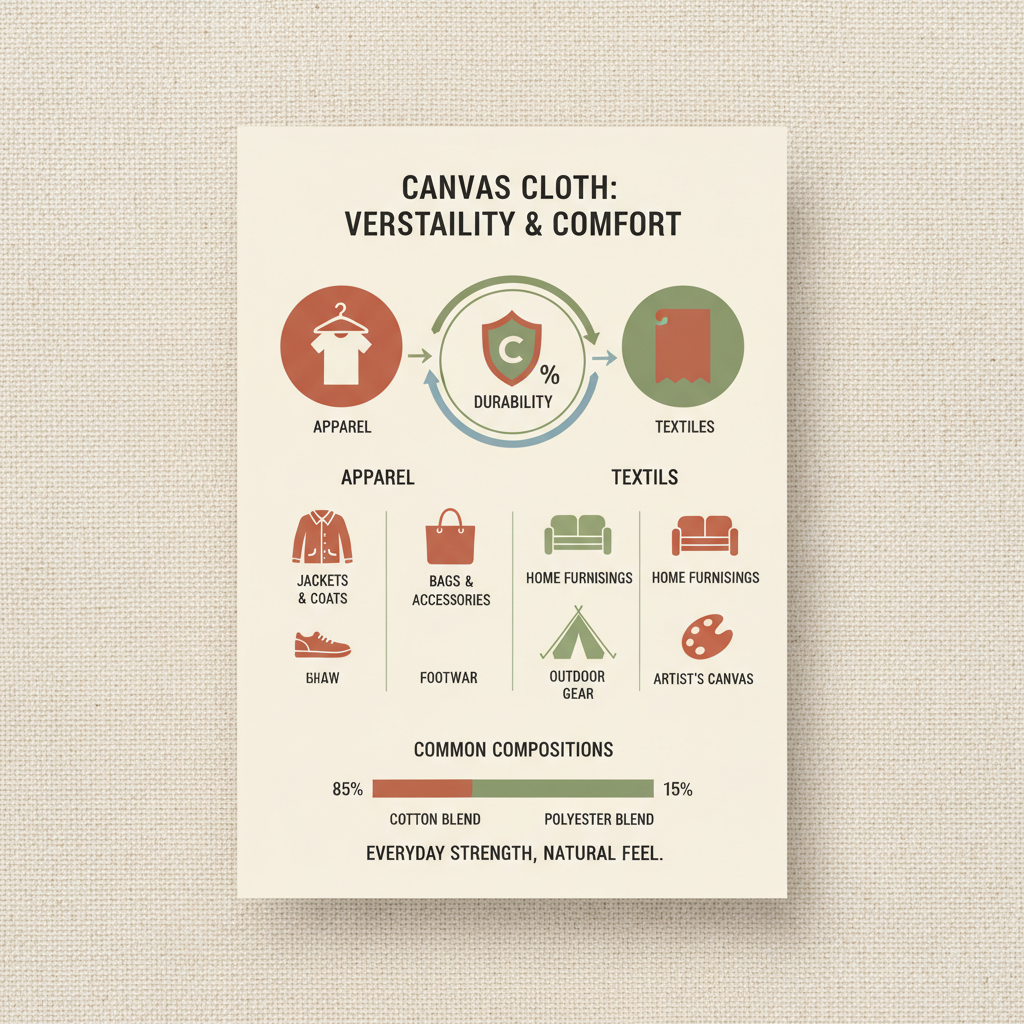
At its core, canvas cloth starts with the fibers. Traditionally, it was made from cotton, but these days you see a lot of polyester, nylon, or blends. Polyester is popular because it's strong, resistant to stretching, and relatively inexpensive. Nylon is even stronger but can be more susceptible to UV damage.
The weaving process is critical. Different weaves – plain, twill, duck – create different properties. Duck weave, for example, is known for its tightness and durability. After weaving, the fabric undergoes various treatments, like sizing (to add strength), bleaching (to prepare it for dyeing), and coating (for waterproofing or other special properties).
The final product is judged on a number of factors: weight (measured in ounces per square yard), tensile strength, tear strength, water resistance, and UV resistance. Knowing these specs is vital when selecting the right canvas cloth for a specific job.
Core Components Influencing Canvas Cloth Performance
Let's break down what really makes canvas cloth perform. First, the fiber type is huge. Polyester offers great strength-to-weight, but cotton is more breathable. Second, the weave density dictates durability. Tighter weaves mean less give and more resistance.
Then you've got coatings. PVC coatings add waterproofing, but can make the material less flexible. Polyurethane coatings are more flexible but can be less durable. And finally, the finish – the treatments that add fire retardancy, UV protection, or anti-mildew properties – all contribute to the overall performance.
Canvas Cloth Performance Ratings by Method
Real-World Applications of Canvas Cloth Across Industries
I've seen canvas cloth used in countless ways. In construction, it's everything from scaffolding covers to dust barriers. In trucking, it’s essential for securing loads. In the event of a disaster, it provides immediate shelter for those who've lost everything.
In remote industrial zones, it’s protecting sensitive equipment from the elements. Farmers use it to cover hay bales and protect crops. Even the military relies on it for camouflage netting and temporary structures. It’s just a remarkably versatile material.
The Long-Term Value Proposition of Canvas Cloth
It’s easy to look at the upfront cost, but you've got to consider the total cost of ownership. A cheap tarp might save you money initially, but if it tears after a week, you've wasted your time and money. Good canvas cloth lasts. It’s an investment.
There's a real safety aspect too. A reliable cover protects workers from the elements, reducing the risk of accidents. It protects materials from damage, minimizing losses. And in emergency situations, it can provide a sense of security and dignity to those who need it most.
Plus, with increasing focus on sustainability, choosing a durable, long-lasting material like quality canvas cloth reduces waste and contributes to a more responsible approach to construction and disaster relief.
Emerging Trends and Innovations in Canvas Cloth Technology
We're starting to see some really interesting developments. Bio-based coatings are becoming more popular, offering a more sustainable alternative to traditional PVC coatings. There’s research into incorporating nanotechnology to enhance water resistance and UV protection.
Manufacturers are also experimenting with new weaving techniques to create lighter, stronger canvas cloth materials. And digital printing is allowing for more customization and branding options.
The future of canvas cloth is about smarter materials, sustainable practices, and innovative applications. It’s about finding ways to make it even more durable, versatile, and environmentally friendly.
Summary of Challenges and Solutions in Canvas Cloth Application
| Challenge Area |
Current Limitations |
Proposed Solutions |
Implementation Feasibility (1-10) |
| Durability & Tear Resistance |
Standard canvas cloth can tear under extreme stress. |
Reinforced weaves, high-tenacity fibers, and innovative coatings. |
8 |
| Water Resistance & Breathability |
Balancing water resistance with breathability is challenging. |
Micro-porous coatings and advanced textile membranes. |
7 |
| UV Degradation |
Prolonged sun exposure weakens and discolors canvas cloth. |
UV-stabilizing additives and protective coatings. |
9 |
| Environmental Impact |
Traditional canvas cloth production can be resource-intensive. |
Bio-based materials, recycled fibers, and eco-friendly dyes. |
6 |
| Cost-Effectiveness |
High-performance canvas cloth can be expensive. |
Optimizing material selection and manufacturing processes. |
7 |
| Weight & Portability |
Heavy-duty canvas cloth can be difficult to transport and handle. |
Lightweight materials and innovative designs for easy deployment. |
8 |
FAQS
While both provide coverings, canvas is generally more durable and breathable than standard polyethylene tarps. Tarps are typically cheaper and lighter, making them suitable for temporary or less demanding applications. Canvas cloth is a premium option when long-term durability and resistance to tearing are key. It's the choice for serious protection on a job site.
Regular cleaning prevents mildew and extends lifespan. Brush off loose dirt, then use mild soap and water. Avoid harsh chemicals or bleach. Let it air dry completely before storing. For waterproof canvas, re-treat it periodically with a waterproofing spray to maintain its protective properties. Proper care keeps it working like new.
For truck tarps, you generally want a heavier weight canvas – at least 10-12oz per square yard. This provides the necessary strength to withstand wind and abrasion during transit. Lighter weights are suitable for less demanding applications, but a heavier canvas is a better investment for reliable, long-lasting protection.
Untreated cotton canvas is flammable. However, many canvas cloth options are treated with fire retardant chemicals. Always check the specifications to confirm the fire resistance rating. If fire safety is critical, choose a canvas specifically certified to meet relevant safety standards.
With proper care, a high-quality canvas tarp can last for 5-10 years or even longer. The lifespan depends on the frequency of use, exposure to the elements, and the quality of the materials and construction. Investing in a durable canvas pays off in the long run by reducing the need for frequent replacements.
Yes, there’s a growing market for sustainable canvas options. Look for canvas made from recycled materials or bio-based fibers like hemp. Also, consider canvas treated with eco-friendly coatings and dyes. Making a conscious choice supports responsible manufacturing and reduces environmental impact.
Conclusion
From the job site to disaster relief, canvas cloth remains a cornerstone material. Its combination of durability, versatility, and adaptability makes it indispensable for countless applications. Understanding its properties, applications, and evolving technologies is crucial for anyone working in construction, logistics, emergency response, or related fields.
The future of canvas cloth lies in innovation and sustainability. By embracing new materials, coatings, and manufacturing processes, we can create even more effective and environmentally responsible solutions. If you’re looking for reliable, high-quality canvas cloth for your next project, visit our website: www.bosswintextile.com