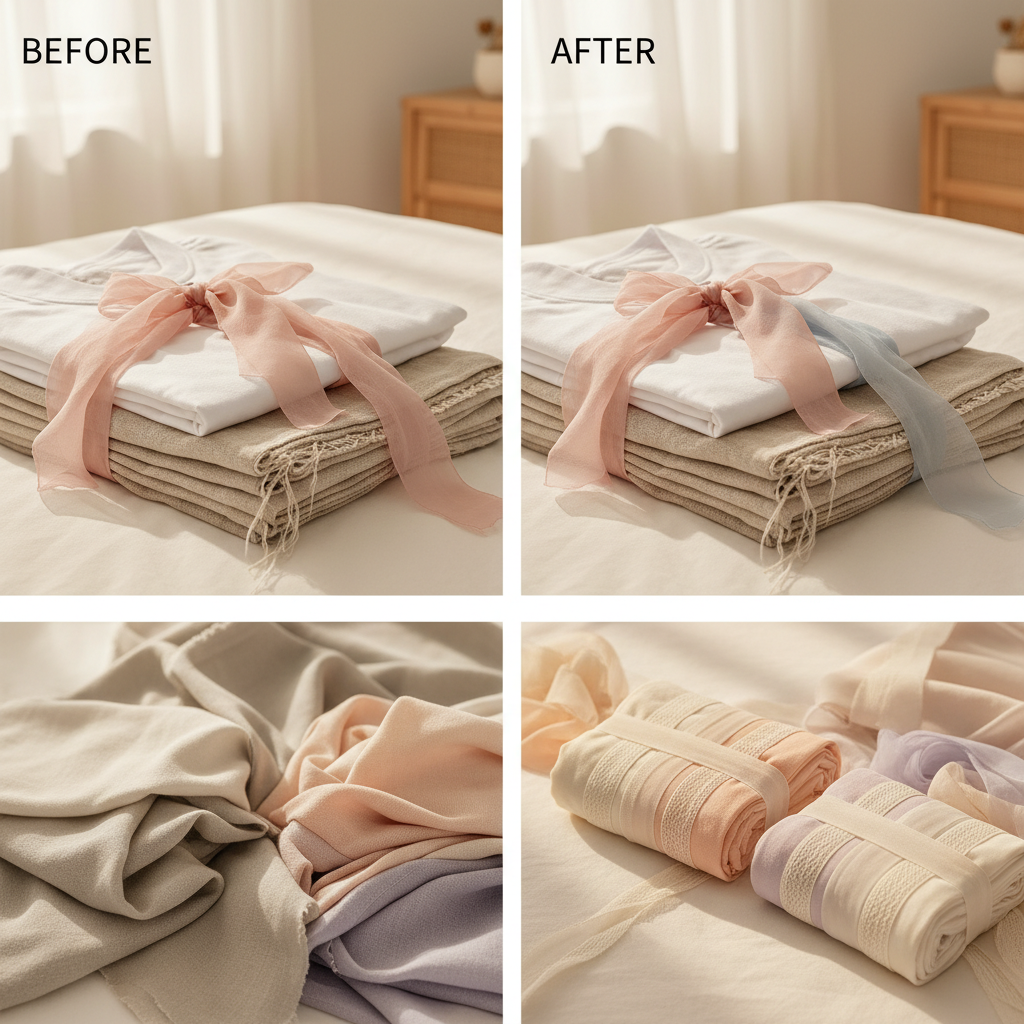
Chenille fabric, to put it plainly, is about texture. After years spent on construction sites, dealing with everything from concrete dust to the most delicate interior finishes, you learn to appreciate what feels right. It’s not just about how something looks, it's about how it holds up to wear and tear, how it feels against the skin, and how easy it is to maintain. Chenille, with its distinctive pile, delivers on all fronts. It’s a fabric that screams comfort and quality, but also has a surprisingly robust nature. chenille fabric isn’t some fragile, high-maintenance material – it’s a workhorse disguised as luxury.
We're seeing a global resurgence in demand for textiles that blend form and function, and chenille is at the forefront. Global textile production reached nearly $1 trillion in 2022 (source: Statista), with a significant portion driven by interior design and apparel. But it's not just about volume; it's about sustainability and ethical sourcing. Clients, especially in Europe and North America, are demanding transparency in their supply chains, and increasingly, they’re looking for materials that minimize environmental impact. That's why understanding the manufacturing processes and material composition of fabrics like chenille is becoming critically important.
Frankly, it addresses a real problem in the textile industry: the constant trade-off between aesthetics and durability. Too often, you find beautiful fabrics that fall apart after a few washes or a little use. Chenille, when properly constructed, avoids that pitfall. It holds its shape, resists pilling, and cleans up relatively easily, making it ideal for high-traffic areas and demanding applications. It’s the kind of fabric you can rely on, and that’s a big deal when you’re building something meant to last.
Defining Chenille: A Tactile Perspective
Chenille, pronounced “shen-ill,” translates to "caterpillar" in French, and that's a pretty apt description. The fabric gets its name from the fuzzy, caterpillar-like appearance of its pile. This pile is created by weaving yarns with a unique construction – a core yarn is wrapped by shorter, tufted fibers. It’s not a knitted or woven fabric in the traditional sense; it’s more like a sculpted textile. The result is a soft, luxurious, and surprisingly durable material. chenille fabric is about that luxurious feel.
In modern industry, understanding fiber technology is crucial. Chenille isn't just about the aesthetic; it's about the process. The choice of core and pile fibers – cotton, silk, rayon, acrylic, or even microfibers – dictates the fabric's properties, from its softness and drape to its resistance to abrasion and fading. It’s a constantly evolving field, and staying ahead of the curve requires a deep understanding of materials science.
Chenille’s Global Relevance and Industry Impact
Chenille's global reach is significant. While originating in France in the 19th century, it’s now manufactured and used extensively in countries like China, India, the United States, and Italy. The demand is driven by diverse industries – home furnishings, fashion apparel, and even automotive interiors. According to the World Bank, the global textile industry contributes significantly to developing economies, providing employment and driving export revenues. chenille fabric plays a niche, but important, role within this larger ecosystem.
One of the biggest challenges we face is balancing consumer demand with sustainable production practices. The textile industry is notoriously resource-intensive, and the production of synthetic fibers, often used in chenille, can have a significant environmental impact. Addressing this requires innovation in materials sourcing, manufacturing processes, and waste management.
The rise of fast fashion has also created a demand for cheaper fabrics, often at the expense of quality and ethical labor practices. As consumers become more aware of these issues, they’re increasingly seeking out sustainable and ethically produced textiles, like responsibly sourced chenille. It’s a shift that's reshaping the industry.
The Construction of Chenille Fabric: Core Components
The core of chenille production lies in understanding its unique weave structure. It starts with a core yarn – typically a strong, durable fiber like cotton or polyester. This core provides the foundation for the fabric. Then, shorter fibers, known as the pile yarns, are looped around the core, creating the characteristic fuzzy texture. These pile yarns can be made from a variety of materials, influencing the fabric's softness, drape, and overall appearance. chenille fabric’s quality starts with these fundamentals.
The twisting and cutting of these pile yarns are critical steps. The degree of twist affects the density and loft of the pile, while the cutting technique determines the length and texture of the fuzz. Skilled artisans and precision machinery are essential to achieve the desired aesthetic and performance characteristics. You can instantly tell the difference between a well-made chenille and a poorly constructed one just by running your hand over it.
Finally, the finishing process plays a vital role. This may involve brushing, steaming, or applying special treatments to enhance the fabric's softness, durability, and stain resistance. The choice of finishing agents also impacts the fabric's environmental footprint, so it’s important to select eco-friendly options whenever possible.
Versatility in Application: From Upholstery to Apparel
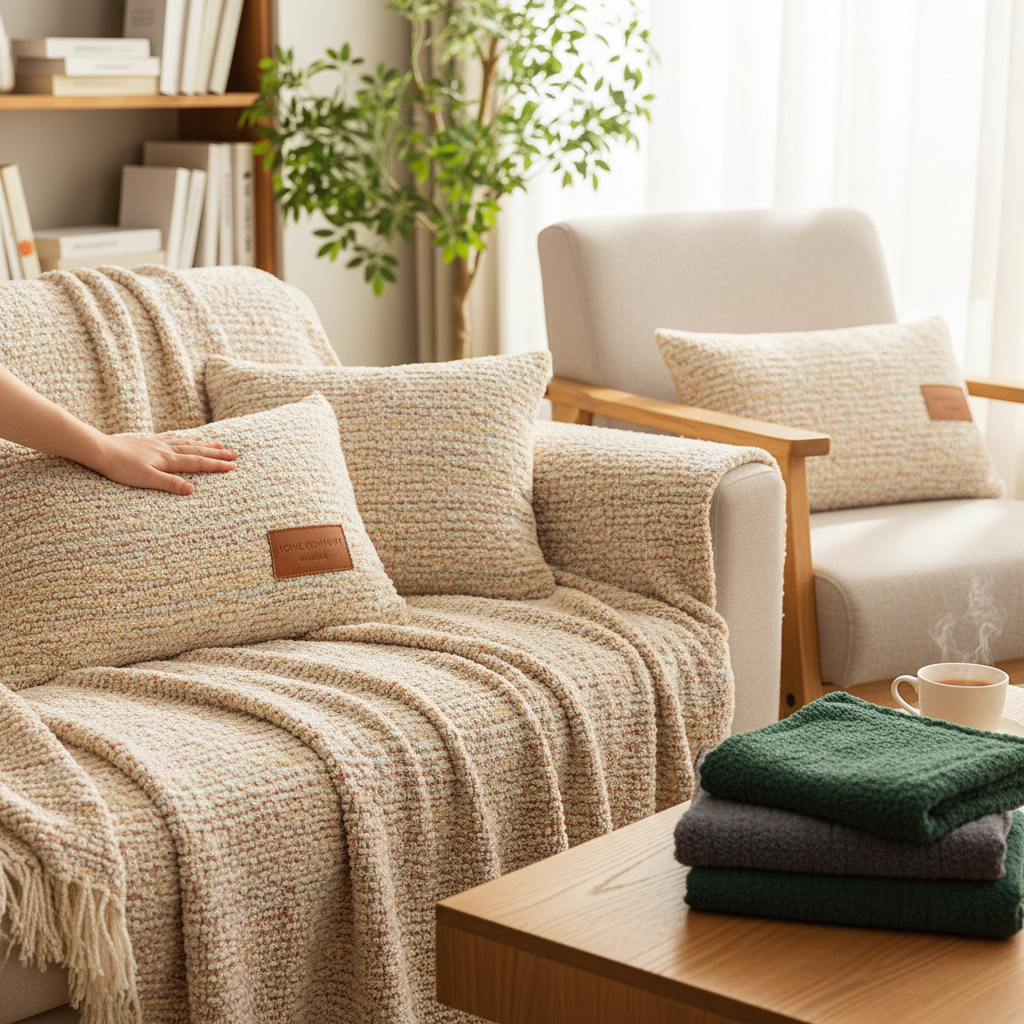
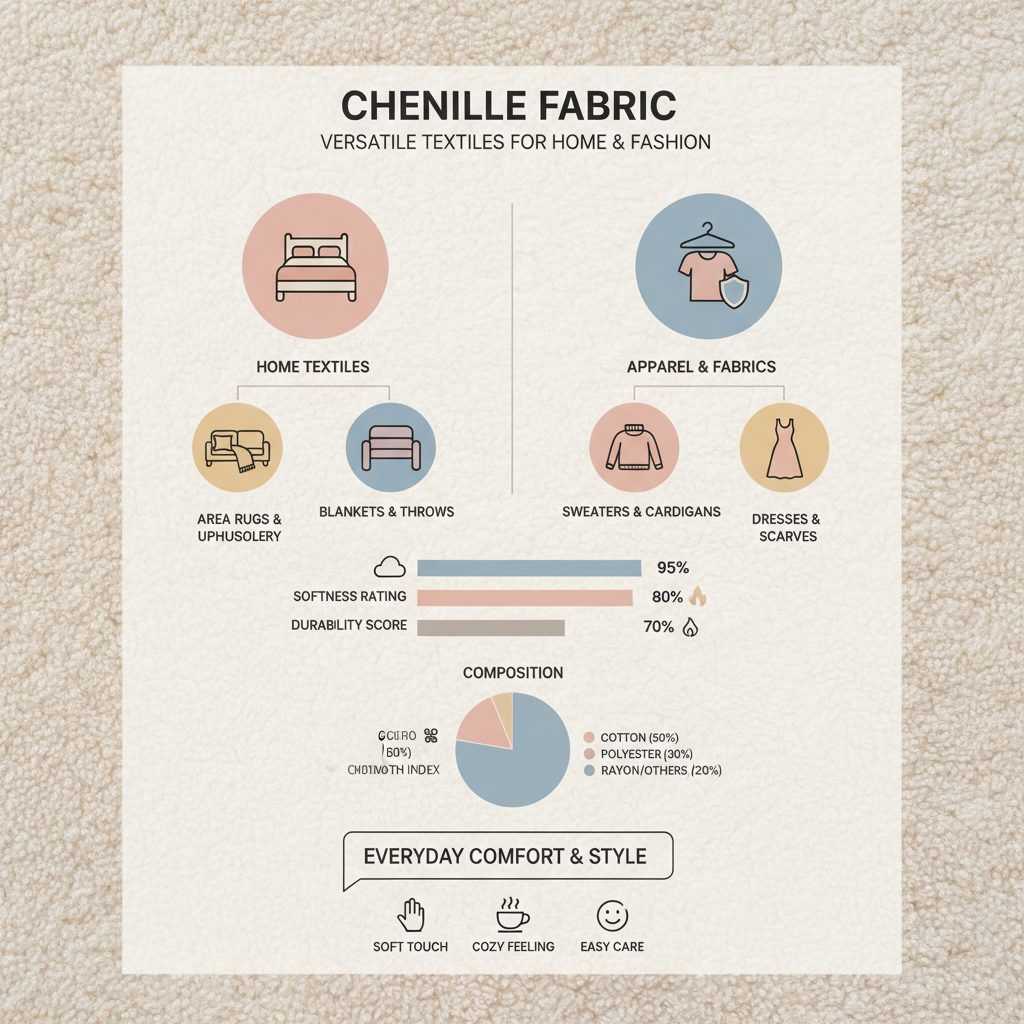
Chenille’s versatility is what makes it so appealing. In upholstery, it's used for sofas, armchairs, and cushions, providing a luxurious and comfortable seating experience. Its durability means it can handle everyday wear and tear. You see it everywhere in high-end furniture showrooms. In apparel, it’s popular for sweaters, cardigans, and dresses, offering a soft and cozy feel. The drape of chenille makes it ideal for creating flowing silhouettes.
We’re also seeing innovative applications in other areas. Designers are using chenille for decorative throws, pillows, and even wall coverings. It’s being incorporated into automotive interiors for its comfort and aesthetic appeal. The possibilities are endless, and new applications are constantly emerging.
Chenille Fabric Application Breakdown
The Advantages of Chenille: Long-Term Value
From a practical standpoint, chenille’s durability is a major selling point. Unlike some other plush fabrics, it resists pilling and holds its shape well over time. This translates to a longer lifespan for furniture and apparel, reducing the need for frequent replacements. Cost-wise, while it can be more expensive upfront than some alternatives, the longevity of chenille often makes it a more economical choice in the long run. chenille fabric is an investment.
But the benefits extend beyond the purely practical. There's a tactile quality to chenille that evokes comfort and luxury. It adds a sense of warmth and sophistication to any space. This emotional appeal is a significant factor in its popularity, particularly in the home furnishings market. People want to feel good in their surroundings, and chenille contributes to that feeling.
Future Trends and Innovations in Chenille Production
The future of chenille is intertwined with sustainability. We’re seeing a growing demand for eco-friendly fibers, such as recycled polyester and organic cotton, used in chenille production. Manufacturers are also exploring innovative dyeing and finishing techniques that minimize water usage and reduce chemical waste. That’s the direction we're headed.
Digital printing technologies are also gaining traction, allowing for greater design flexibility and reduced lead times. This is particularly important for custom upholstery and apparel applications. Automation is playing a role as well, with advancements in weaving machinery improving efficiency and precision.
We're even seeing experimentation with new fiber blends and weaving techniques to create chenille fabrics with enhanced performance characteristics, such as increased stain resistance or improved breathability. It's an exciting time to be involved in the textile industry.
Challenges and Sustainable Solutions for Chenille
One of the biggest challenges is the environmental impact of traditional chenille production. The use of synthetic fibers, the energy-intensive manufacturing processes, and the generation of textile waste all contribute to a significant carbon footprint. chenille fabric manufacturers are realizing this.
The solution lies in embracing circular economy principles. This means using recycled materials, designing for durability and recyclability, and implementing closed-loop manufacturing systems. We need to move away from a linear "take-make-dispose" model to a more sustainable "reduce-reuse-recycle" approach.
Another challenge is ensuring ethical labor practices throughout the supply chain. Transparency and traceability are crucial to prevent exploitation and ensure fair working conditions. Consumers are demanding this information, and manufacturers need to respond accordingly. It’s about building a more responsible and sustainable textile industry.
Summary of Solutions for Sustainable Chenille Production
| Challenge Area |
Proposed Solution |
Implementation Difficulty (1-10) |
Potential Impact (1-10) |
| Synthetic Fiber Reliance |
Increased use of Recycled Polyester/Organic Cotton |
6 |
8 |
| Water & Chemical Usage |
Eco-friendly Dyeing/Finishing Processes |
7 |
9 |
| Textile Waste Generation |
Closed-loop Manufacturing & Recycling Programs |
8 |
7 |
| Supply Chain Transparency |
Blockchain Technology for Traceability |
9 |
8 |
| Energy Consumption |
Renewable Energy Sources in Production Facilities |
5 |
7 |
| Labor Standards |
Fair Trade Certifications & Audits |
7 |
9 |
FAQS
Chenille stands out due to its unique construction. The way the pile yarns are looped around the core creates a distinctive texture that’s both soft and durable. It’s less prone to shedding and pilling compared to some other plush fabrics, and it generally holds its shape better. The core construction also allows for more complex weave patterns, offering greater design versatility.
Regular vacuuming with a brush attachment is key to keeping chenille upholstery looking its best. Avoid harsh chemicals and abrasive cleaners. Spot clean with a mild detergent and water, and always test in an inconspicuous area first. Most chenille fabrics can be steam cleaned, but it’s always best to check the manufacturer's care instructions. Fluffing the pile occasionally can also help maintain its appearance.
Yes, chenille can be a good choice for high-traffic areas, but it depends on the specific construction and fiber content. Chenille fabrics made with durable core yarns and tightly looped piles will hold up better to wear and tear. It’s also a good idea to choose darker colors or patterns to help conceal dirt and stains. Regular cleaning is, of course, essential.
Consider the fiber content and manufacturing processes. Opt for chenille made with recycled or organic fibers whenever possible. Look for fabrics that have been produced using eco-friendly dyeing and finishing techniques. And choose manufacturers who prioritize sustainable practices and ethical labor standards. Transparency in the supply chain is also important.
The pile yarn significantly impacts the fabric’s feel, drape, and durability. Cotton pile creates a soft, absorbent chenille, while rayon offers a luxurious sheen. Polyester pile provides greater stain resistance, and acrylic is often used for its durability and colorfastness. Blends of different fibers are also common, allowing manufacturers to tailor the fabric's properties to specific applications.
Generally, chenille is not ideal for prolonged outdoor use. Most chenille fabrics lack the UV resistance and water repellency needed to withstand the elements. However, there are some chenille blends specifically designed for outdoor applications. These fabrics are typically treated with protective coatings to enhance their durability and resistance to fading and mildew.
Conclusion
Chenille fabric represents a compelling blend of luxury, durability, and versatility. From its unique construction to its wide range of applications, it continues to be a popular choice for designers, manufacturers, and consumers alike. Understanding its properties, production processes, and sustainability considerations is crucial for making informed decisions and ensuring responsible sourcing.
Looking ahead, the future of chenille lies in innovation – in developing more sustainable materials, improving manufacturing efficiency, and expanding its applications in new and exciting ways. By embracing these challenges and opportunities, we can ensure that chenille remains a relevant and valued textile for years to come. To learn more about our chenille fabric options and how we can help you with your next project, visit our website: www.bosswintextile.com.