Chiffon cloth – it’s not just about pretty dresses anymore. Been working construction sites for fifteen years, and you wouldn’t believe how many applications are popping up for lightweight, strong fabrics. It used to be all canvas and burlap, heavy stuff. But with the demand for more adaptable, eco-friendly materials, chiffon – or rather, high-performance variations of it – is really starting to gain traction. We’re seeing it in everything from temporary shelters to dust barriers, even as a reinforcing layer in some composite materials. It's a subtle shift, but a significant one.
The global textile industry is a massive engine, valued at over $1.7 trillion in 2022 (source: Statista). Chiffon, while a small segment, is benefiting from the overall push for innovation in textiles. What’s driving it isn't just fashion, though. It’s the need for versatile materials that can handle harsh conditions, be quickly deployed, and minimize environmental impact. We're facing more frequent extreme weather events, increasing demand for disaster relief solutions, and a growing awareness of sustainable practices. That's where adaptable materials like modern chiffon formulations come in.
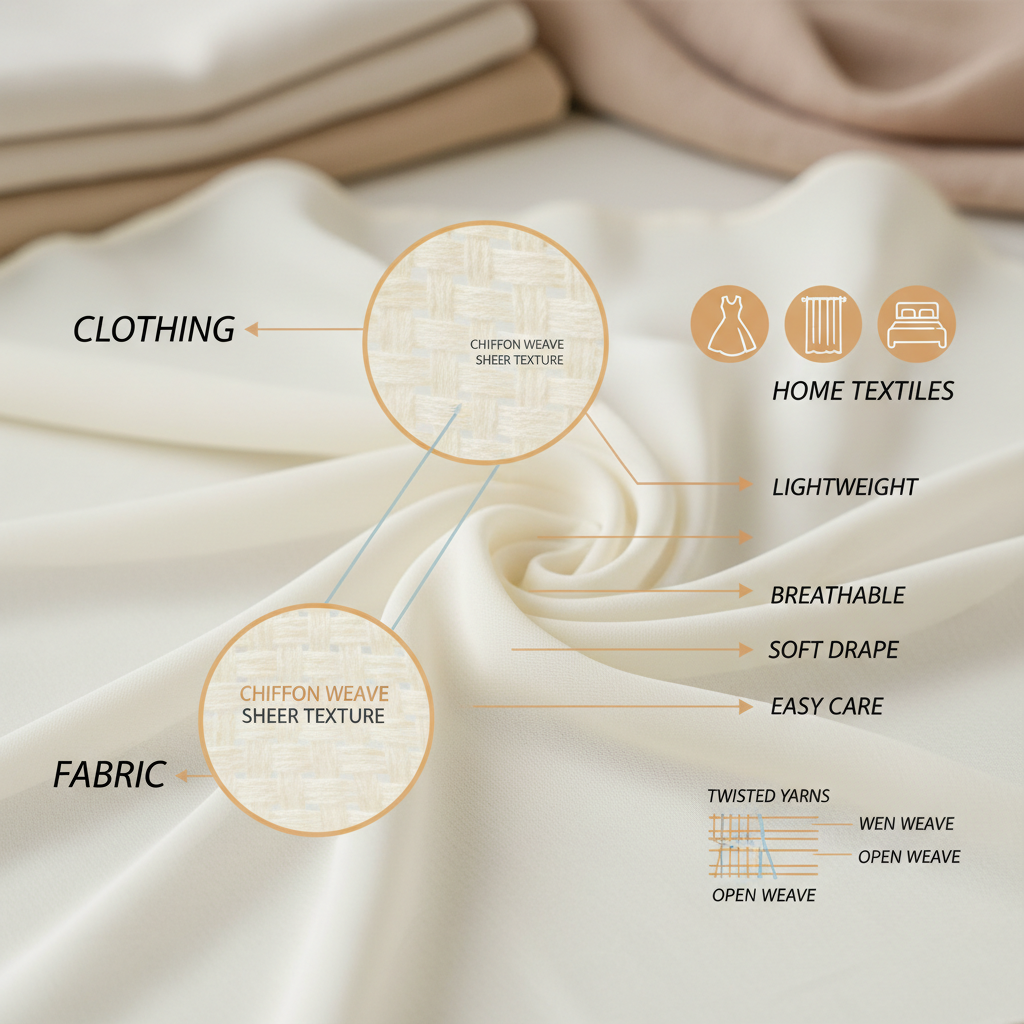
Essentially, chiffon cloth is a lightweight, transparent fabric traditionally woven from silk or synthetic fibers like polyester. The “chiffon” comes from the French word for a cloth rag, which doesn't sound glamorous, but gets the point across – it’s traditionally a delicate material. But the modern stuff? It’s a whole different ball game. It's about taking that inherent lightness and drape and engineering strength and durability into it. We're not talking about the stuff your grandmother’s wedding dress was made of; this is about a material that's built to perform. And that performance directly addresses the growing need for quick, reliable solutions in sectors beyond just apparel.
The Modern Evolution of Chiffon Cloth
Look, I've been around long enough to see materials come and go. Traditional chiffon was too fragile for most job sites. But what's happening now isn’t just a tweak, it's a complete re-engineering. We’re talking about blending different polymers, incorporating reinforcing fibers, and applying specialized coatings to dramatically increase tensile strength and tear resistance. It's moving beyond aesthetics and becoming a functional material. chiffon cloth manufacturers are responding to a real demand for lightweight, adaptable materials.
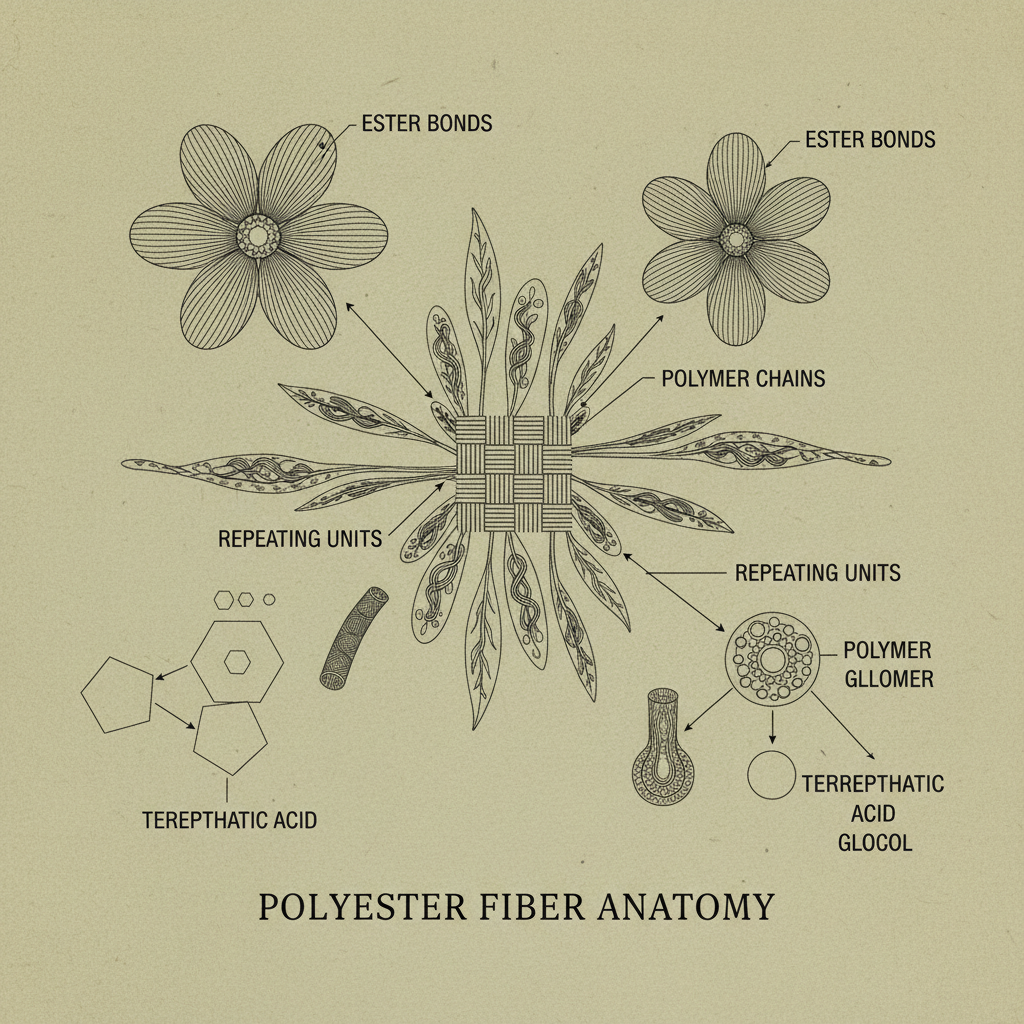
The biggest change? The introduction of high-tenacity polyester and nylon variations. These aren’t your grandma’s synthetics either – these are engineered fibers with specific molecular structures designed for maximum durability. Add to that water-repellent and UV-resistant treatments, and you’ve got a material that can stand up to a lot more than just a gentle breeze. This is particularly important for applications like temporary structures and protective coverings.
Global Significance and Application Areas
You see this material showing up globally, driven by the need for fast deployment solutions. In disaster relief, for example, every minute counts. A lightweight, easily transportable shelter made with high-performance chiffon can be set up far faster than a traditional tent or prefabricated structure. And it’s not just about speed; it’s about cost-effectiveness. The UN Refugee Agency (UNHCR) is constantly looking for ways to improve shelter provision, and materials like this are being seriously evaluated.
Beyond humanitarian aid, we're seeing growing use in the construction industry. Dust barriers on large-scale projects, protective coverings for sensitive equipment, even temporary weather shielding – these are all areas where modern chiffon excels. In remote industrial zones, where logistical challenges are significant, the lightweight nature of the material translates into lower transportation costs and faster installation times.
The adoption rate is steadily increasing in regions facing frequent natural disasters, like Southeast Asia and the Caribbean. The emphasis is on resilient infrastructure, and lighter, more adaptable materials play a crucial role. You'll also find its applications in niche industries like aerospace (interior components) and automotive (lightweight interior panels), where reducing weight is paramount.
Defining Chiffon Cloth: Beyond the Sheer Fabric
Let’s be clear: we’re not talking about the delicate fabric you buy at the fabric store. Today’s industrial-grade chiffon is a highly engineered textile. It’s defined not by its appearance, but by its performance characteristics. We measure it by tensile strength, tear resistance, UV stability, water repellency, and weight-to-strength ratio. The goal is to create a material that offers the benefits of lightness and drape, without sacrificing durability.
Its connection to modern industry lies in its versatility. It’s a platform material – meaning it can be customized with coatings, treatments, and reinforcements to meet a wide range of application requirements. It can be used as a standalone material or as a component in composite structures. This adaptability is key to its growing popularity. It's not a one-size-fits-all solution, but it can be made into one.
The evolution of chiffon cloth is tied directly to advances in polymer science and textile engineering. We’re seeing the development of new fiber blends, innovative weaving techniques, and advanced coating technologies that push the boundaries of what’s possible. It’s a constant process of refinement, driven by the demands of real-world applications.
Key Performance Characteristics of Modern Chiffon
You can't just throw any fabric onto a construction site and expect it to hold up. The critical factors with modern chiffon are its strength-to-weight ratio, durability, versatility, and cost. I’ve seen too many projects hampered by materials that just couldn't handle the stress.
Let’s break down those key aspects:
Chiffon Performance Metrics
Real-World Applications Across Industries
I’ve seen it used as temporary roofing on construction sites – lightweight, quick to install, and surprisingly resilient. It's also making headway in creating emergency shelters. Think rapid deployment units that can be set up in hours, providing immediate protection for displaced populations. And it's not just about structures. We're talking about protective gear, filtration systems, even specialized medical textiles.
The agricultural sector is another area where we’re seeing adoption. Lightweight shade cloth made from modified chiffon can help protect crops from harsh sunlight, reducing water consumption and improving yields. It’s a surprisingly effective and affordable solution for farmers in arid regions. chiffon cloth is proving itself to be surprisingly versatile.
Advantages and Long-Term Value Proposition
The big win with modern chiffon is the balance of cost, performance, and sustainability. It's often cheaper to produce and transport than traditional materials like canvas or metal sheeting. And because it's often made from recycled materials or sustainably sourced fibers, it has a lower environmental footprint. That's becoming increasingly important for companies looking to improve their ESG ratings.
Beyond the tangible benefits, there's a level of innovation and trust that comes with adopting new technologies. It signals a commitment to finding better solutions, to being adaptable and responsive to changing needs. That can be a powerful differentiator in a competitive market. And on a more human level, providing safe, reliable shelter and protection can have a profound impact on people's lives.
It's not just about saving money, it's about building a more resilient and sustainable future.
Future Trends and Innovation in Chiffon Technology
We're only scratching the surface of what’s possible with this material. I'm seeing research into self-healing chiffon, incorporating microcapsules that release a repairing agent when the fabric is damaged. That would dramatically extend its lifespan and reduce maintenance costs.
Another exciting area is the integration of smart textiles. Imagine chiffon embedded with sensors that can monitor environmental conditions, detect structural stress, or even generate energy. That's the kind of innovation that could revolutionize industries like construction and disaster relief.
The push for circularity is also driving new developments. Researchers are exploring ways to fully recycle chiffon at the end of its life, creating a closed-loop system that minimizes waste. That’s a game changer.
Summary of Chiffon Cloth Development Trends
| Technology Area |
Current Status |
Potential Impact |
Timeline (Years) |
| Self-Healing Chiffon |
Lab-scale prototypes exist. |
Significant extension of material lifespan; reduced maintenance. |
5-10 |
| Smart Textile Integration |
Sensor embedding is feasible, data integration is challenging. |
Real-time monitoring of structural integrity and environmental conditions. |
3-7 |
| Full Recyclability |
Developing depolymerization techniques for fiber recovery. |
Closed-loop material system, reduced waste. |
7-15 |
| Bio-Based Chiffon |
Researching sustainable feedstocks for fiber production. |
Reduced reliance on fossil fuels, lower carbon footprint. |
10+ |
| Enhanced UV Resistance |
Improving coating technologies and fiber formulations. |
Extended lifespan in outdoor applications. |
2-5 |
| Increased Fire Retardancy |
Exploring non-toxic flame-retardant treatments. |
Improved safety in emergency situations. |
5-10 |
FAQS
Traditional chiffon was all about delicate appearance. Modern industrial chiffon focuses on performance. We’ve engineered it for strength, durability, and resistance to environmental factors like UV radiation and water. It’s achieved through using high-tenacity synthetic fibers, specialized coatings, and innovative weaving techniques, making it suitable for demanding applications beyond fashion.
Increasingly, yes. Many manufacturers are using recycled polyester or other sustainably sourced fibers. Plus, its lightweight nature reduces transportation costs and fuel consumption. The ongoing research into full recyclability further enhances its sustainability profile. It’s not a perfect solution, but it's a significant step in the right direction.
While incredibly versatile, chiffon isn’t a replacement for all traditional materials. It's not suitable for heavy load-bearing applications. It can be vulnerable to sharp objects and concentrated impacts. Proper installation and regular maintenance are crucial to ensure its longevity. But for temporary structures, coverings, and barriers, it excels.
Generally, it's cost-competitive, especially when you factor in transportation and installation costs. Its lightweight nature drastically reduces shipping expenses. While the initial material cost might be comparable to some options, the overall project cost can be lower due to faster setup times and reduced labor requirements.
Common coatings include UV-resistant treatments to prevent degradation from sunlight, water-repellent coatings to protect against moisture, and flame-retardant treatments to improve safety. Some coatings also enhance abrasion resistance and tear strength. The specific coating depends on the intended application.
Lifespan varies significantly based on environmental conditions, UV exposure, and the type of coating applied. With proper maintenance, a high-quality chiffon cloth structure can last anywhere from 1 to 5 years outdoors. Self-healing technologies being developed could extend this lifespan considerably.
Conclusion
Modern chiffon cloth represents a significant advancement in materials science, offering a compelling combination of lightness, strength, versatility, and sustainability. It’s moving beyond its historical role as a delicate fabric and emerging as a valuable solution across diverse industries, from construction and disaster relief to agriculture and aerospace. It’s a subtle shift, but one that’s addressing some critical challenges we face today.
The future of chiffon is bright. Ongoing research and development in areas like self-healing materials, smart textiles, and circularity will unlock even greater potential. If you’re looking for adaptable, cost-effective, and sustainable material solutions, chiffon cloth deserves a serious look. Visit our website at www.bosswintextile.com to learn more and explore how we can help you with your next project.