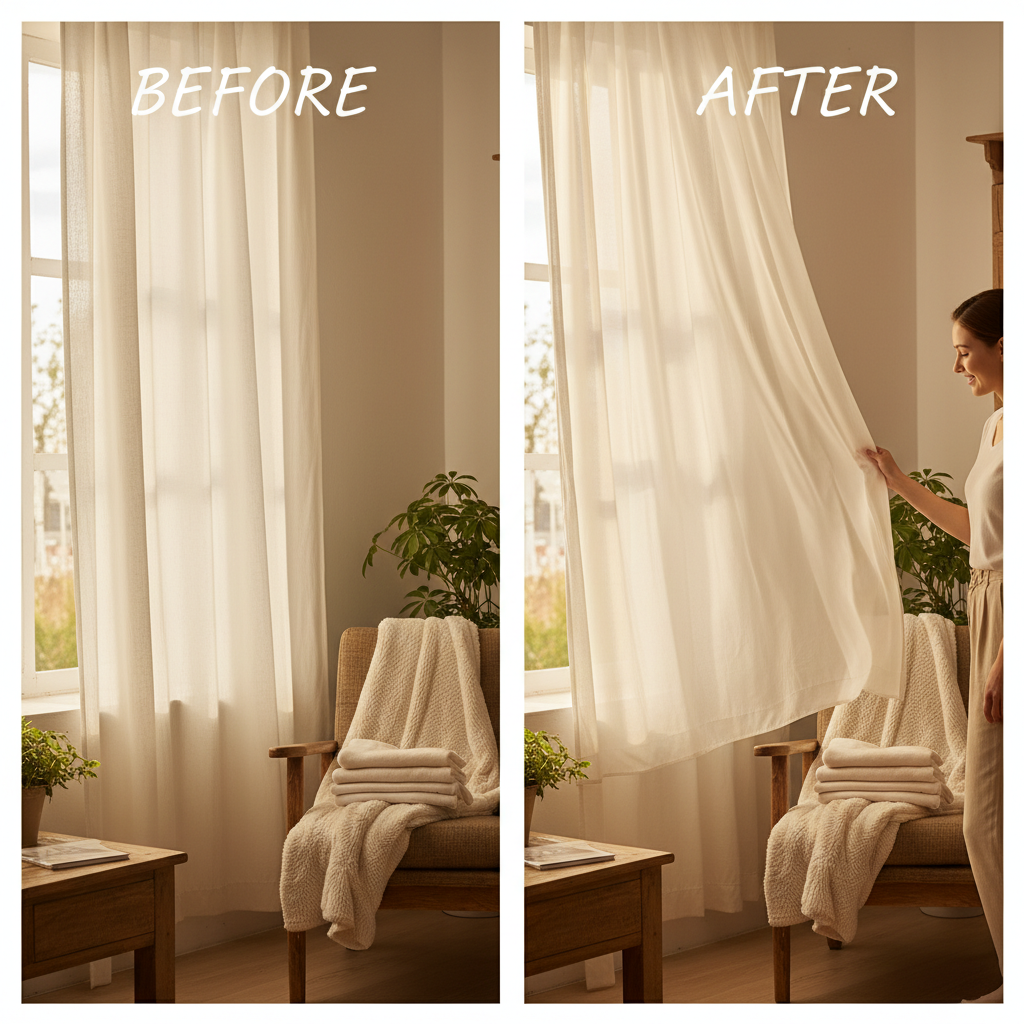
Blended fabric, a cornerstone of modern textile innovation, has revolutionized the clothing and industrial material sectors. Combining the beneficial properties of different fibers – natural and synthetic – allows for the creation of textiles tailored to specific performance requirements and aesthetic desires. From the everyday comfort of cotton-polyester blends to the high-performance durability of specialized workwear, blended fabric impacts countless aspects of daily life. Understanding its composition, characteristics, and applications is crucial for designers, manufacturers, and consumers alike.
Globally, the demand for blended fabrics is steadily increasing, driven by evolving consumer preferences, advancements in textile technology, and a growing focus on cost-effectiveness and functionality. According to reports from the Textile Exchange, the global textile market is valued at over $1 trillion, with blended fabrics representing a significant and expanding portion. This demand isn't limited to fashion; industries like automotive, healthcare, and construction increasingly rely on the unique properties that blended fabrics offer.
The challenges facing the textile industry, such as sustainability concerns and the need for materials with enhanced performance, are directly addressed by the versatility of blended fabrics. By strategically combining fibers, manufacturers can create materials that are stronger, more durable, more comfortable, and more environmentally friendly than those made from single fiber types.
Introduction to Blended Fabric
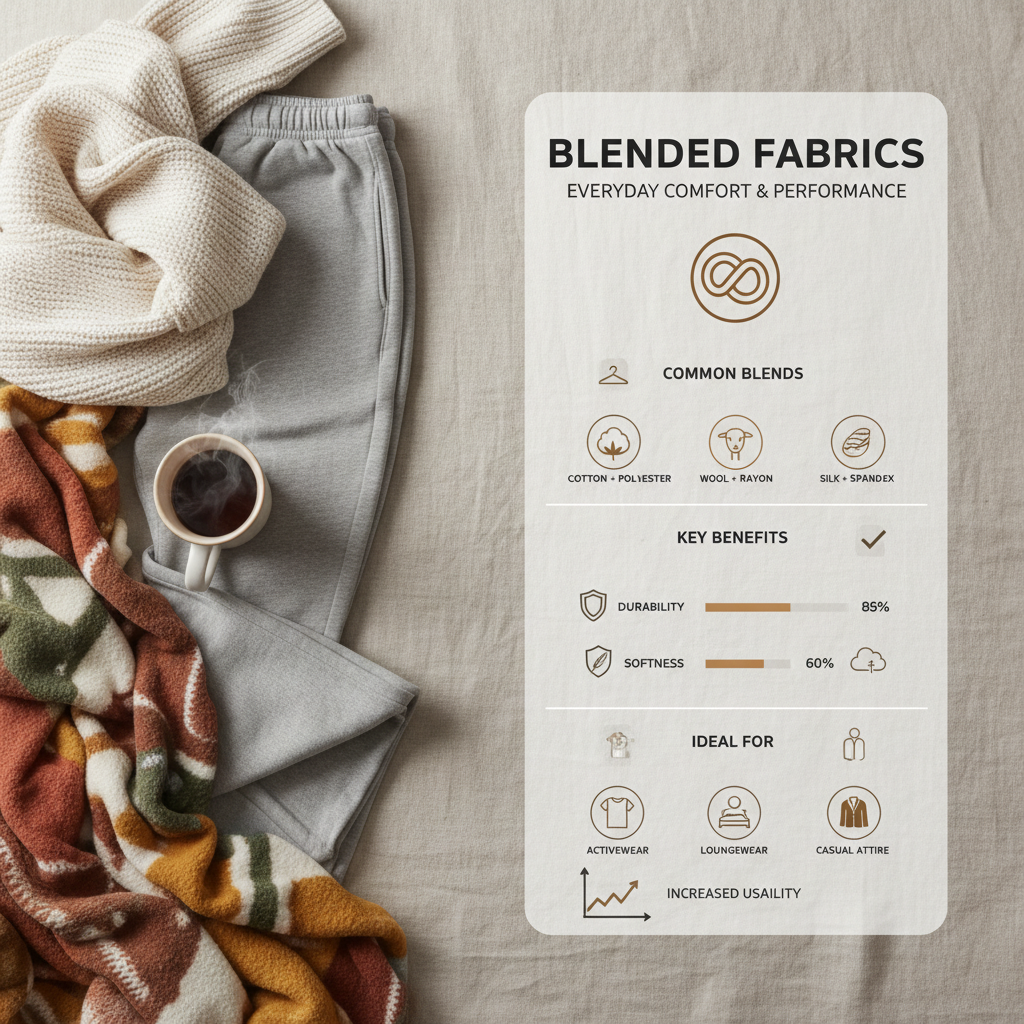
The power of blended fabric lies in its ability to overcome the limitations of individual fibers. For example, 100% cotton is breathable and comfortable, but prone to wrinkling and shrinking. Conversely, 100% polyester is durable and wrinkle-resistant, but lacks breathability. By combining these fibers, a blended fabric can achieve a desirable balance of properties.
This combination isn’t limited to just two fibers; many blends incorporate three or more to achieve highly specific characteristics. The careful selection of fibers and their respective proportions is a critical element in designing a blended fabric for a particular end-use. The growing trend toward sustainable textile production is further driving innovation in blended fabric development, with increasing use of recycled and bio-based fibers.
Defining Blended Fabric
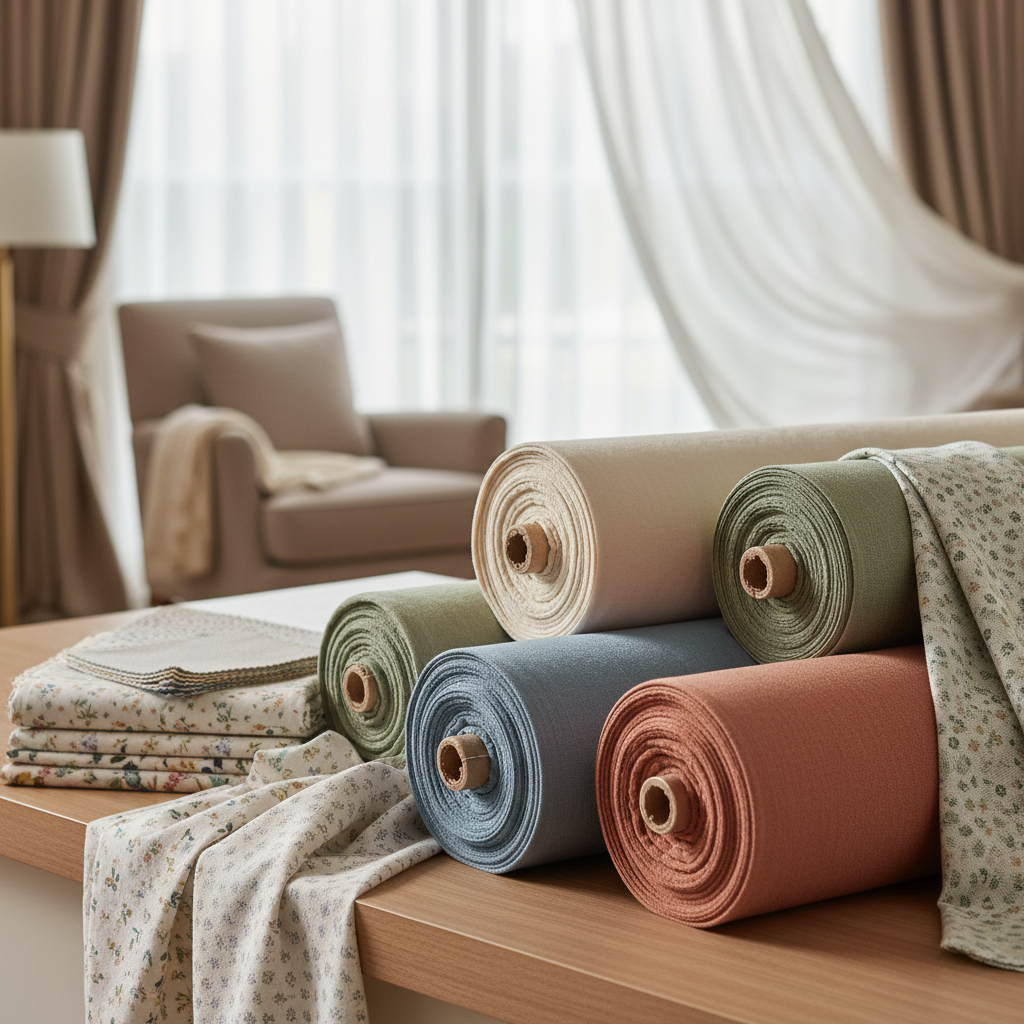
In its simplest form, blended fabric is a textile created by interweaving two or more different types of fibers. These fibers can be natural – such as cotton, wool, silk, or linen – or synthetic – such as polyester, nylon, acrylic, or rayon. The resulting fabric inherits characteristics from each component fiber, creating a material with a unique set of properties.
The purpose of blending fibers is multifaceted. It can improve a fabric’s strength, durability, elasticity, or resistance to wrinkles, shrinkage, or fading. Blending can also enhance comfort, breathability, and aesthetic appeal. In modern industry, it’s a core principle for meeting diverse performance and economic requirements.
This technique is directly linked to humanitarian needs as well. In regions with extreme climates, blended fabrics offer protection and comfort that single-fiber textiles often cannot. Durable and affordable blended fabrics are crucial for creating clothing, shelter, and medical textiles that improve quality of life.
Core Characteristics of Blended Fabric
Durability is a key benefit of blended fabrics. Combining strong synthetic fibers with natural fibers can significantly increase a fabric’s resistance to wear and tear. This is particularly important in applications such as workwear, outdoor gear, and upholstery, where fabrics are subjected to heavy use and environmental stress.
Cost-efficiency is another significant advantage. Blending less expensive synthetic fibers with higher-priced natural fibers can reduce overall production costs without sacrificing essential performance characteristics. This makes blended fabrics accessible to a wider range of consumers and industries. The utilization of recycled fibers also contributes to cost savings.
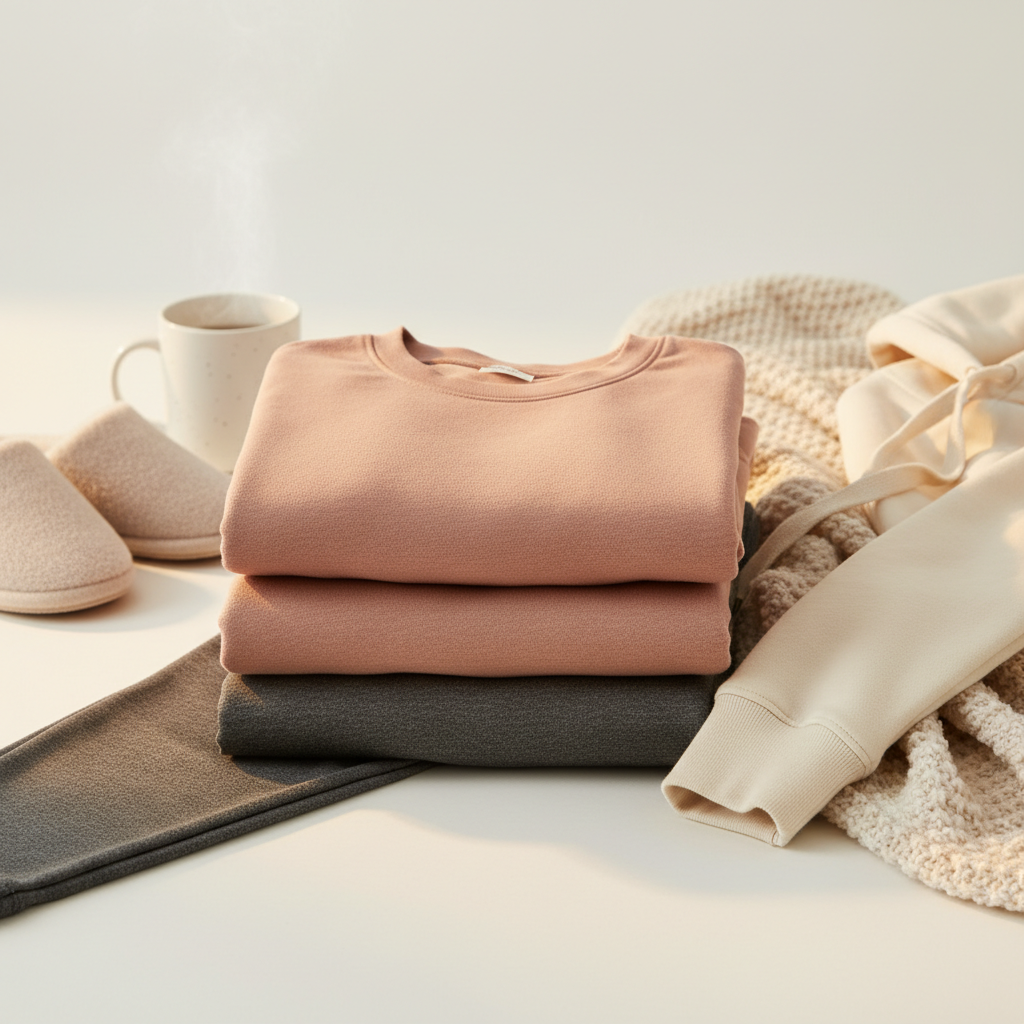
Enhanced comfort is frequently achieved through blending. The incorporation of natural fibers like cotton can improve the breathability and softness of synthetic fabrics, while synthetic fibers can add stretch and wrinkle resistance to natural fibers. This creates fabrics that are both comfortable to wear and easy to care for.
Practical Applications of Blended Fabric
The versatility of blended fabric is showcased in countless applications across diverse industries. In the apparel sector, cotton-polyester blends dominate the market for everyday clothing, offering a balance of comfort, durability, and affordability. In healthcare, polyester-cotton blends are commonly used for scrubs and linens due to their ease of sterilization and resistance to staining.
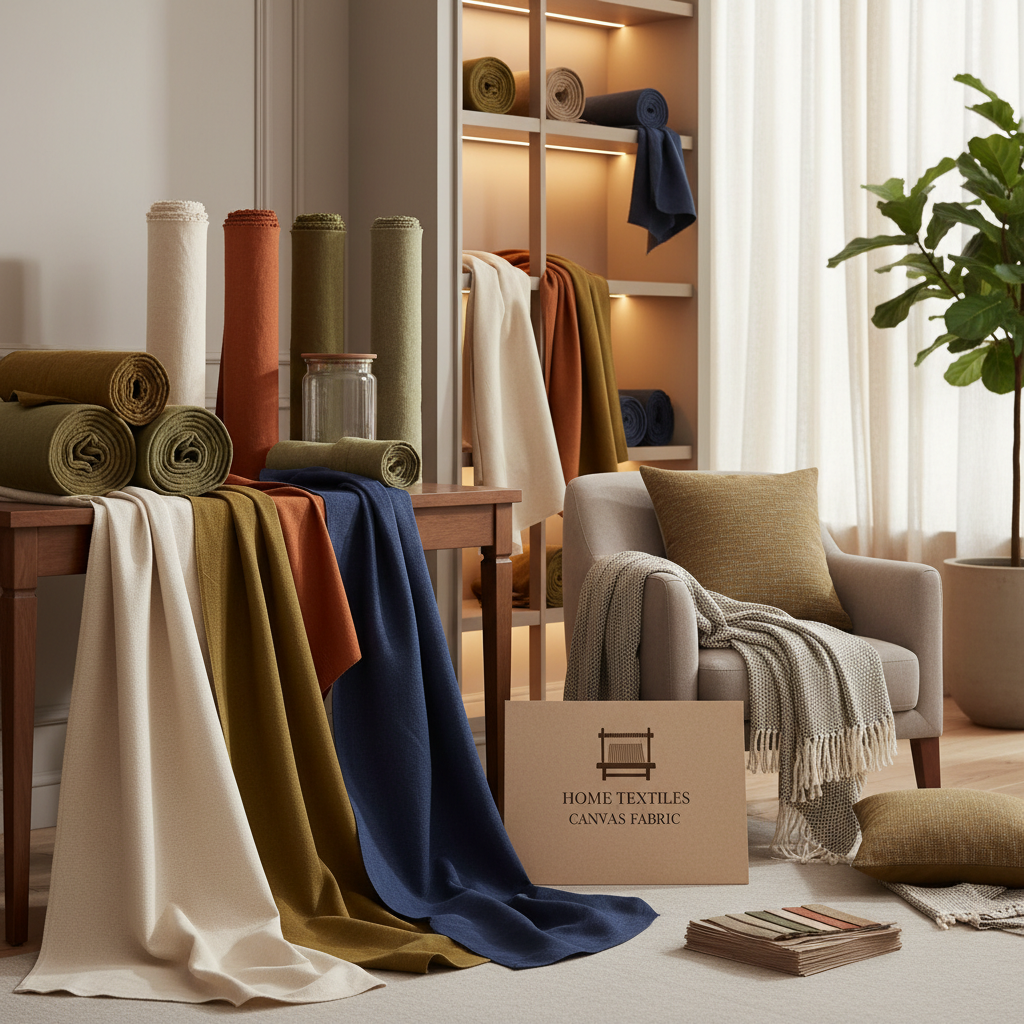
The automotive industry utilizes blended fabrics for upholstery, headliners, and carpets, benefiting from their durability, resistance to fading, and ability to meet stringent safety standards. Construction relies on blended fabrics for geotextiles, erosion control materials, and protective fabrics. These materials exhibit superior strength and stability.
Performance Comparison of Different Blended Fabric Types
Advantages and Long-Term Value
The primary advantage of using blended fabric is the ability to tailor material properties to specific needs, often at a lower cost than using high-performance single fibers. This creates a compelling economic value proposition, particularly for large-scale applications. The longevity of blended fabric products also adds to their long-term value.
From a sustainability standpoint, blending fibers can reduce reliance on resource-intensive natural fibers and facilitate the incorporation of recycled materials. This contributes to a circular economy and reduces the environmental impact of textile production. Moreover, the enhanced durability of blended fabrics means products last longer, reducing waste.
Future Trends in Blended Fabric
The future of blended fabric lies in the development of innovative fiber combinations and sustainable production processes. Research is focused on incorporating bio-based fibers – such as those derived from algae or agricultural waste – into blends to reduce reliance on fossil fuels. Smart textiles, incorporating conductive fibers and sensors, are also gaining traction.
Digital printing technologies are enabling greater design flexibility and customization in blended fabrics. Automation and artificial intelligence are being used to optimize blending ratios and production processes, leading to increased efficiency and reduced waste. The convergence of textile technology and nanotechnology promises even more advanced functionalities in blended fabrics.
Challenges and Solutions in Blended Fabric Production
One of the primary challenges in blended fabric production is ensuring compatibility between different fibers. Different fibers have varying properties, such as shrinkage rates and dye affinities, which can lead to issues during processing and finishing. Careful selection of fibers and optimized processing parameters are crucial to overcome this challenge.
Another challenge is the difficulty of recycling blended fabrics. Separating the different fibers in a blend can be complex and costly, hindering the development of a circular economy. Research is underway to develop new recycling technologies that can efficiently separate and recover fibers from blended fabrics.
Finally, ensuring transparency and traceability in the supply chain is essential for promoting sustainable practices. Blockchain technology and other tracking systems can help verify the origin and environmental impact of the fibers used in blended fabrics, enabling consumers to make informed choices.
Summary of Common Challenges and Potential Solutions in Blended Fabric Production
| Challenge |
Impact Area |
Potential Solution |
Implementation Difficulty (1-5) |
| Fiber Incompatibility |
Production Efficiency |
Optimized Processing Parameters & Fiber Selection |
2 |
| Recycling Complexity |
Sustainability |
Advanced Fiber Separation Technologies |
4 |
| Supply Chain Opacity |
Ethical Sourcing |
Blockchain & Traceability Systems |
3 |
| Cost of Sustainable Fibers |
Economic Viability |
Government Incentives & R&D Investment |
3 |
| Maintaining Fabric Quality |
Consumer Satisfaction |
Stringent Quality Control Measures |
2 |
| Lack of Industry Standards |
Interoperability & Trust |
Collaboration & Standard Development Organizations |
4 |
FAQS
Cotton-polyester is arguably the most popular blend, prized for its balance of comfort, durability, and affordability. Other frequently used combinations include wool-acrylic, linen-rayon, and nylon-spandex. The specific choice depends on the desired end-use properties. These blends offer a tailored performance profile compared to using single fiber types, leading to their wide adoption in various industries.
Blending can complicate the dyeing process, as different fibers absorb dyes at different rates and require different dye types. Manufacturers often need to employ specialized dyeing techniques and carefully select dyes that are compatible with all the fibers in the blend. Proper pre-treatment of the fabric is also crucial to ensure even dye uptake and prevent color variations.
Blended fabrics can be more sustainable, especially when incorporating recycled or bio-based fibers. They can also reduce reliance on water-intensive natural fibers like cotton. However, the recyclability of blended fabrics remains a challenge. The overall sustainability depends on the specific fiber composition, production processes, and end-of-life management.
The fiber ratio significantly impacts the final characteristics of the blended fabric. Increasing the proportion of a durable fiber like polyester will enhance strength and wrinkle resistance, while a higher percentage of a soft fiber like cotton will improve comfort and breathability. Manufacturers carefully adjust the ratio to achieve the desired performance balance for specific applications.
Absolutely. Blended fabrics are frequently used in medical textiles due to their customizable properties. For example, polyester-cotton blends are often used for surgical gowns and drapes, as they are comfortable, breathable, and easy to sterilize. Specialty blends incorporating antimicrobial fibers are also used to prevent infection and promote healing.
The primary challenge is separating the different fibers in the blend. Current recycling technologies often struggle to efficiently and cost-effectively separate fibers with dissimilar chemical compositions. This limits the ability to recover high-quality fibers for reuse. Ongoing research focuses on developing innovative separation methods, such as chemical recycling, to address this challenge.
Conclusion
In conclusion, blended fabric represents a remarkable achievement in textile engineering, offering a versatile and adaptable solution to a wide range of material needs. From enhancing performance characteristics and reducing costs to promoting sustainability and driving innovation, blended fabrics have become integral to numerous industries and everyday life. Understanding the principles behind fiber blending and its ongoing evolution is crucial for anyone involved in the textile supply chain.
Looking ahead, continued research and development in fiber technology, recycling processes, and sustainable practices will be essential to unlock the full potential of blended fabrics. By embracing innovation and collaboration, we can ensure that blended fabrics continue to play a vital role in creating a more durable, comfortable, and sustainable future. For more information about our diverse range of blended fabrics and custom solutions, visit our website: www.bosswintextile.com.