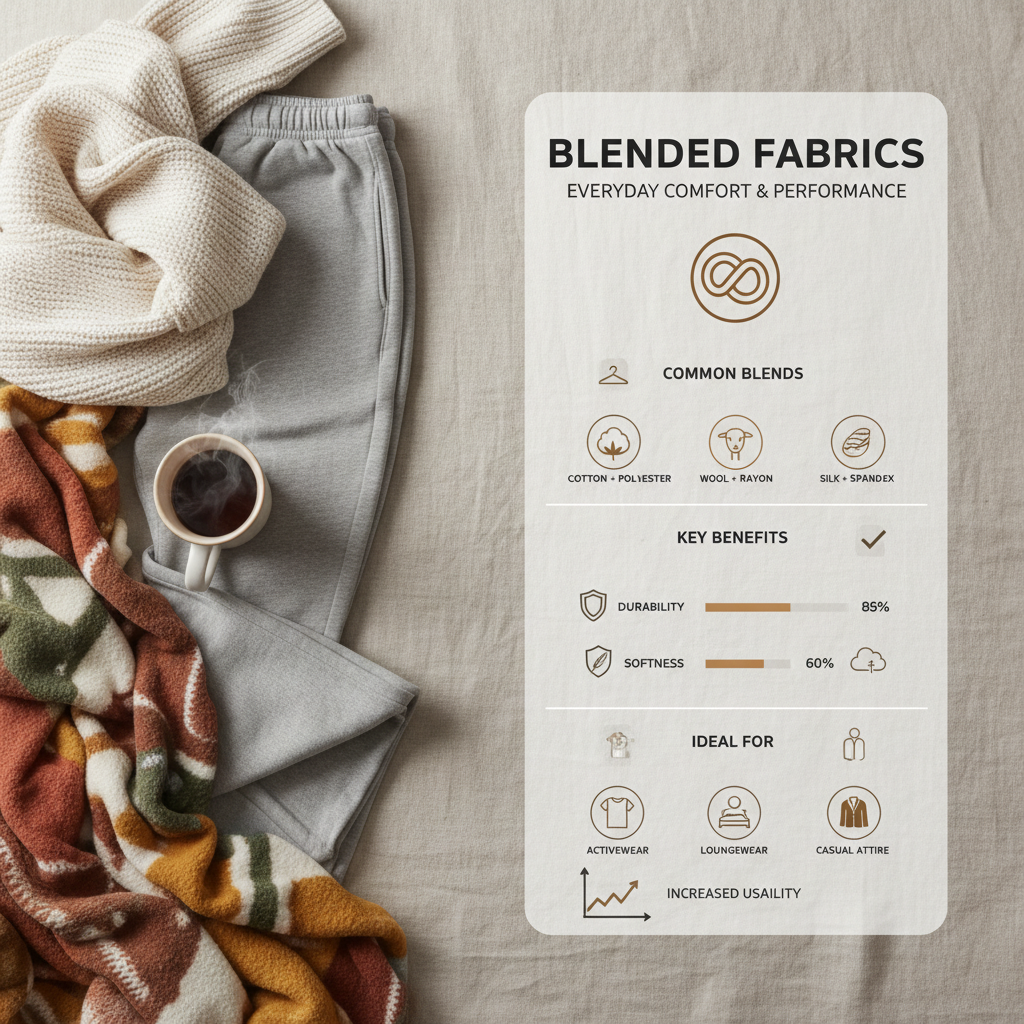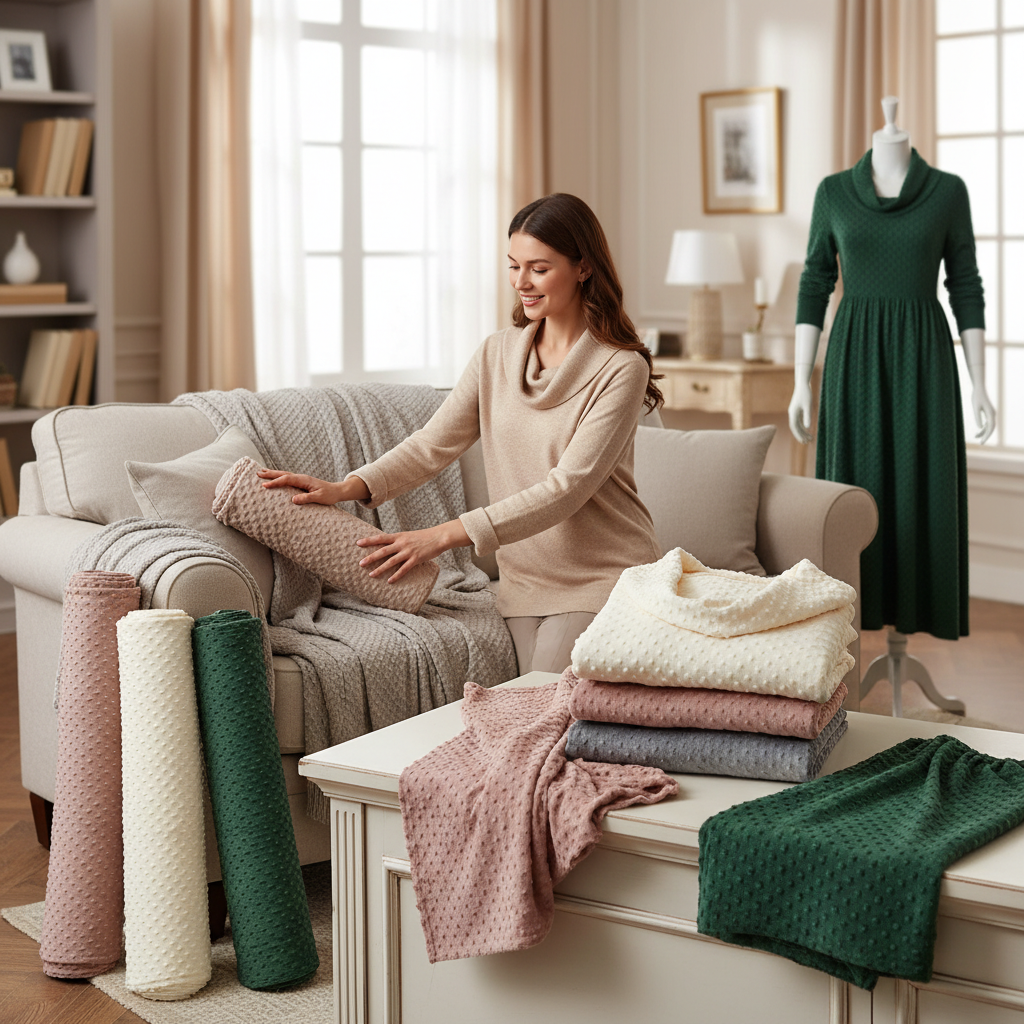
The interplay between polyester and cotton fibers has revolutionized the textile industry, offering a versatile blend that balances cost-effectiveness with desirable performance characteristics. This blend of polyester and cotton isn’t simply a mixing of materials; it's a carefully engineered synergy, impacting everything from apparel and home furnishings to industrial applications. Understanding this combination is crucial for manufacturers, designers, and consumers alike, as it dictates the final product's properties, longevity, and overall value.
Globally, the demand for textiles continues to rise, fueled by population growth and evolving consumer preferences. However, natural fibers like cotton face challenges related to sustainability, land use, and water consumption. Polyester, a synthetic fiber derived from petroleum, offers a viable alternative, but it often lacks the comfort and breathability of natural materials. The blend of polyester and cotton emerges as a practical solution, mitigating the drawbacks of each individual fiber while maximizing their combined benefits.
The significance of this blend extends beyond mere fabric production. It addresses critical needs within various industries, impacting cost structures, product performance, and environmental footprints. From providing affordable clothing options to enhancing the durability of workwear, the blend of polyester and cotton has become an integral part of modern life.
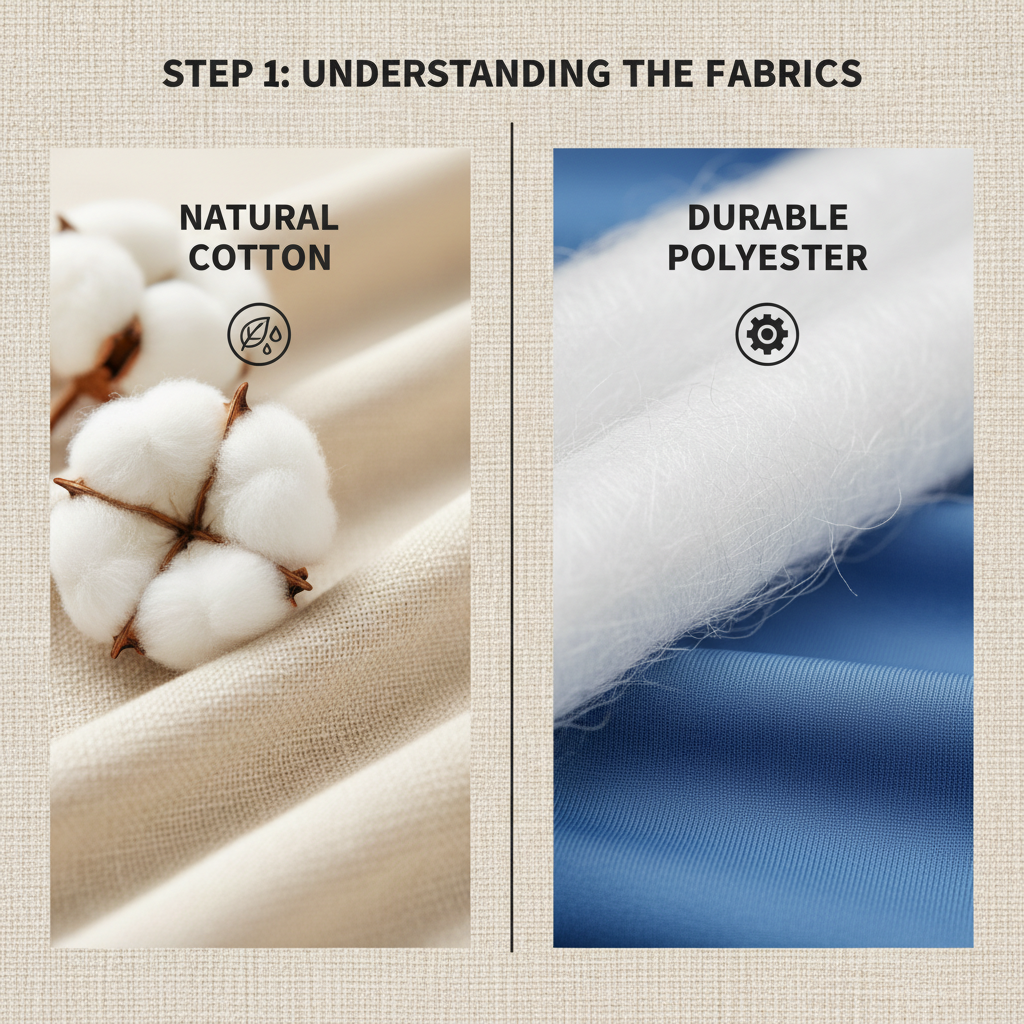
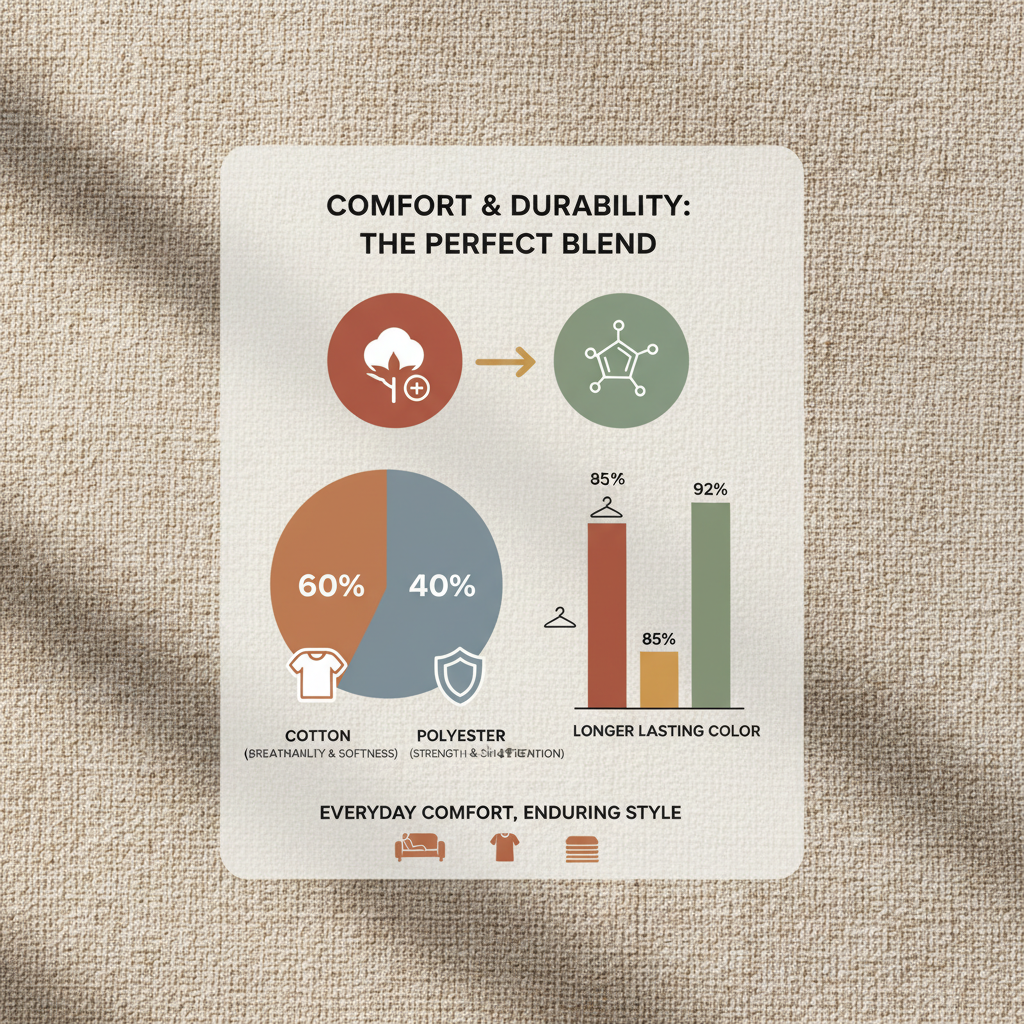
A blend of polyester and cotton is the combination of these two distinct fibers to create a yarn and subsequently a fabric with improved properties compared to either fiber alone. The ratio of polyester to cotton can vary significantly, impacting the final characteristics of the fabric. Common blends include 65/35 (polyester/cotton), 50/50, and 80/20, each offering a different balance of attributes.
This blending process is crucial in addressing modern demands for both practicality and comfort in textiles. It’s a fundamental aspect of textile engineering, providing solutions for a wide range of applications where durability, affordability, and wearability are paramount.
For everyday t-shirts, a 50/50 blend is often considered ideal. This ratio offers a good balance between comfort (from the cotton) and durability and wrinkle resistance (from the polyester). It’s breathable enough for daily wear while maintaining its shape after multiple washes. Some prefer a 65/35 blend for increased durability, but this can slightly reduce the fabric's softness.
A blend of polyester and cotton generally holds up very well to frequent washing. Polyester’s inherent strength prevents the fabric from breaking down easily, and it's resistant to shrinking. However, high heat and harsh detergents can still cause some fading and wear over time. Washing in cold water and using a gentle detergent is recommended to prolong the fabric’s life.
While polyester isn't naturally very breathable, a blend of polyester and cotton offers significantly improved breathability compared to 100% polyester. The cotton component allows for better air circulation and moisture absorption. The higher the cotton percentage in the blend, the more breathable the fabric will be, making it suitable for warmer weather clothing, particularly with looser fits.
Generally, a blend of polyester and cotton is more cost-effective than 100% cotton. Cotton is often more expensive to grow and process than polyester, which is derived from petroleum. Blending the two fibers allows manufacturers to lower production costs while still maintaining a desirable level of quality and comfort, making it a more affordable option for consumers.
Yes, blends of polyester and cotton are readily dyeable and printable, but the process can be slightly more complex than with 100% cotton. Polyester requires different dyes and techniques than cotton. However, modern dyeing and printing technologies are well-equipped to handle these blends, allowing for a wide range of colors and designs.
Compared to 100% cotton, polyester-cotton blends can be more environmentally friendly, especially in terms of water consumption and pesticide use related to cotton farming. However, the production of polyester still relies on fossil fuels. Using recycled polyester in the blend significantly reduces the environmental impact. The overall sustainability depends on responsible manufacturing practices and the source of the materials.
The blend of polyester and cotton represents a powerful intersection of practicality, affordability, and performance in the world of textiles. By combining the strengths of natural and synthetic fibers, this blend addresses key challenges related to cost, durability, comfort, and environmental sustainability. Its widespread adoption across numerous industries underscores its versatility and enduring value.
Looking ahead, continued innovation in fiber technology and sustainable manufacturing practices will further enhance the benefits of this blend. By prioritizing recycled materials, optimizing dyeing processes, and exploring bio-based alternatives, the textile industry can minimize its environmental footprint while continuing to deliver high-quality, affordable fabrics to consumers worldwide. Visit our website at www.bosswintextile.com to learn more about our range of blended fabrics.