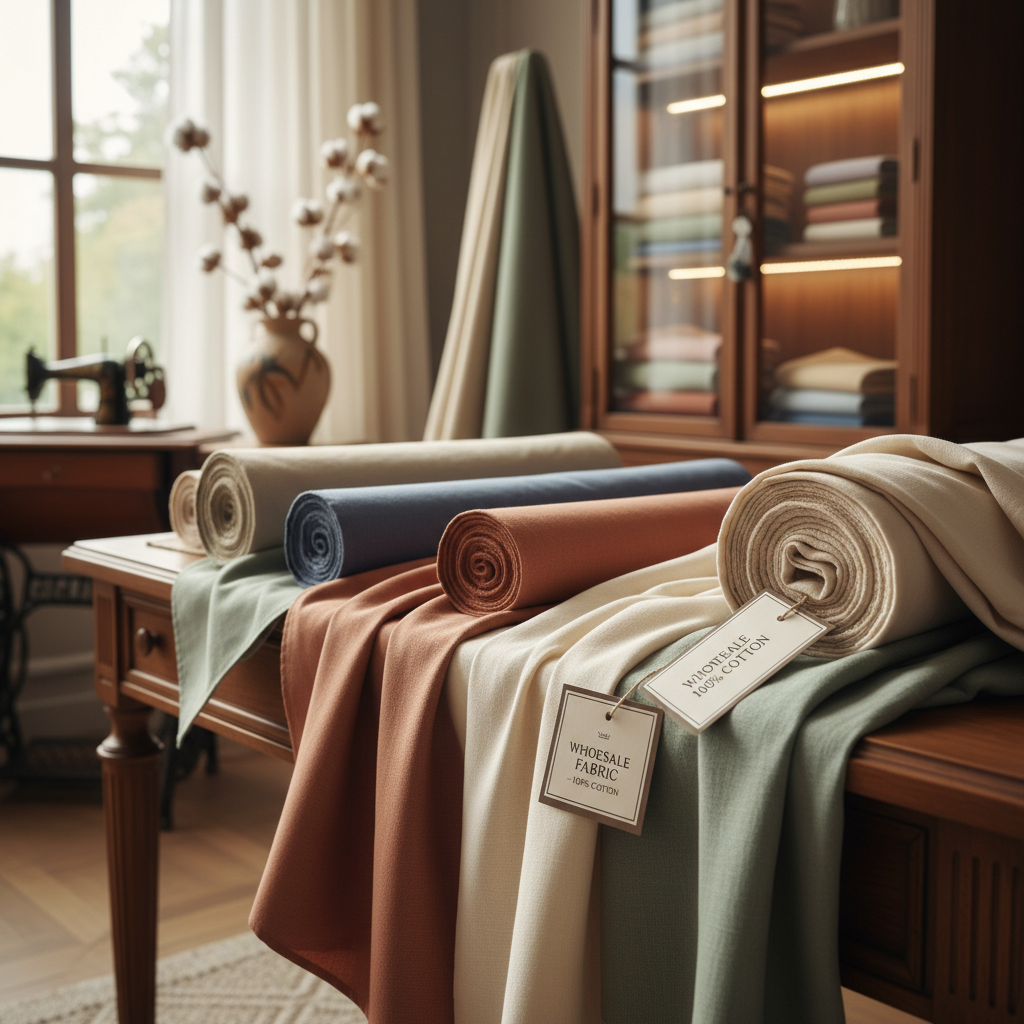
Wholesale fabric plays a crucial role in the global textile industry, serving as the foundation for a vast array of products, from apparel and home furnishings to industrial applications. Its accessibility and cost-effectiveness make it essential for businesses of all sizes, driving economic growth and innovation across borders. Understanding the nuances of wholesale fabric sourcing, quality control, and market trends is paramount for success in today’s competitive landscape.
The global demand for wholesale fabric is consistently increasing, fueled by population growth, rising living standards, and evolving fashion trends. This demand presents both opportunities and challenges, requiring efficient supply chains, sustainable practices, and adaptable manufacturing processes. The ability to navigate these complexities is key for businesses seeking to thrive in this dynamic market.
The benefits of utilizing wholesale fabric extend beyond simple cost savings. It allows businesses to scale production quickly, access a wider variety of materials, and maintain consistent quality across large orders. This enables them to respond rapidly to market demands and maintain a competitive edge, solidifying their position within the global textile trade. Ultimately, a strong grasp of wholesale fabric strategies can define success.
The Importance of Wholesale Fabric in Global Trade
Wholesale fabric is the lifeblood of the global garment and textile industries, facilitating the production of everything from everyday clothing to specialized industrial materials. Its impact extends far beyond fashion, touching upon sectors like healthcare, automotive, and construction. The efficient movement of wholesale fabric is therefore critical to international commerce.
The sheer volume of wholesale fabric traded annually demonstrates its significance. According to reports from the World Trade Organization, textile and apparel account for a substantial portion of global merchandise exports. This underscores the dependence of numerous economies on the reliable and cost-effective supply of wholesale fabric.
Defining Wholesale Fabric and its Applications
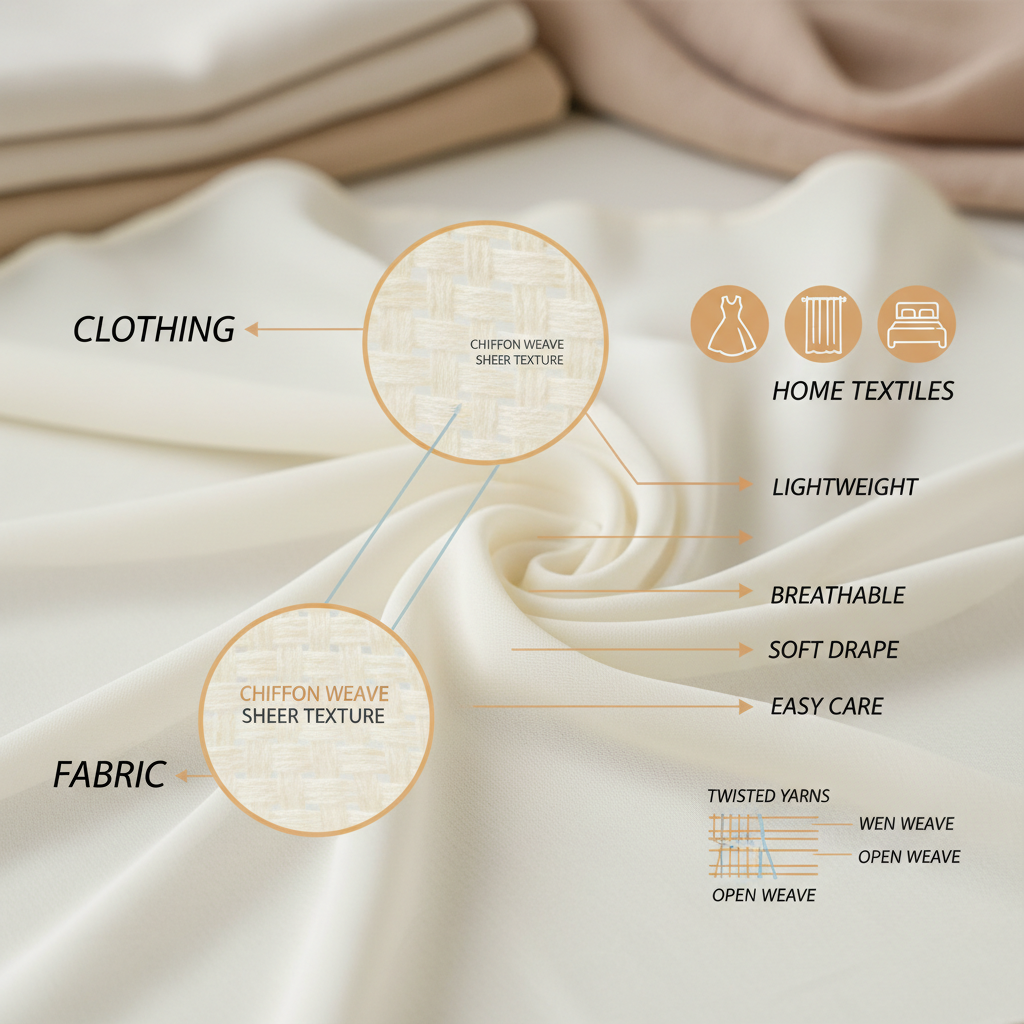
Wholesale fabric refers to textiles sold in large quantities, typically directly from manufacturers or distributors to businesses rather than individual consumers. It encompasses a wide range of materials – cotton, polyester, silk, linen, wool, and various blends – available in diverse weights, weaves, and finishes. This bulk purchasing power unlocks significant cost advantages.
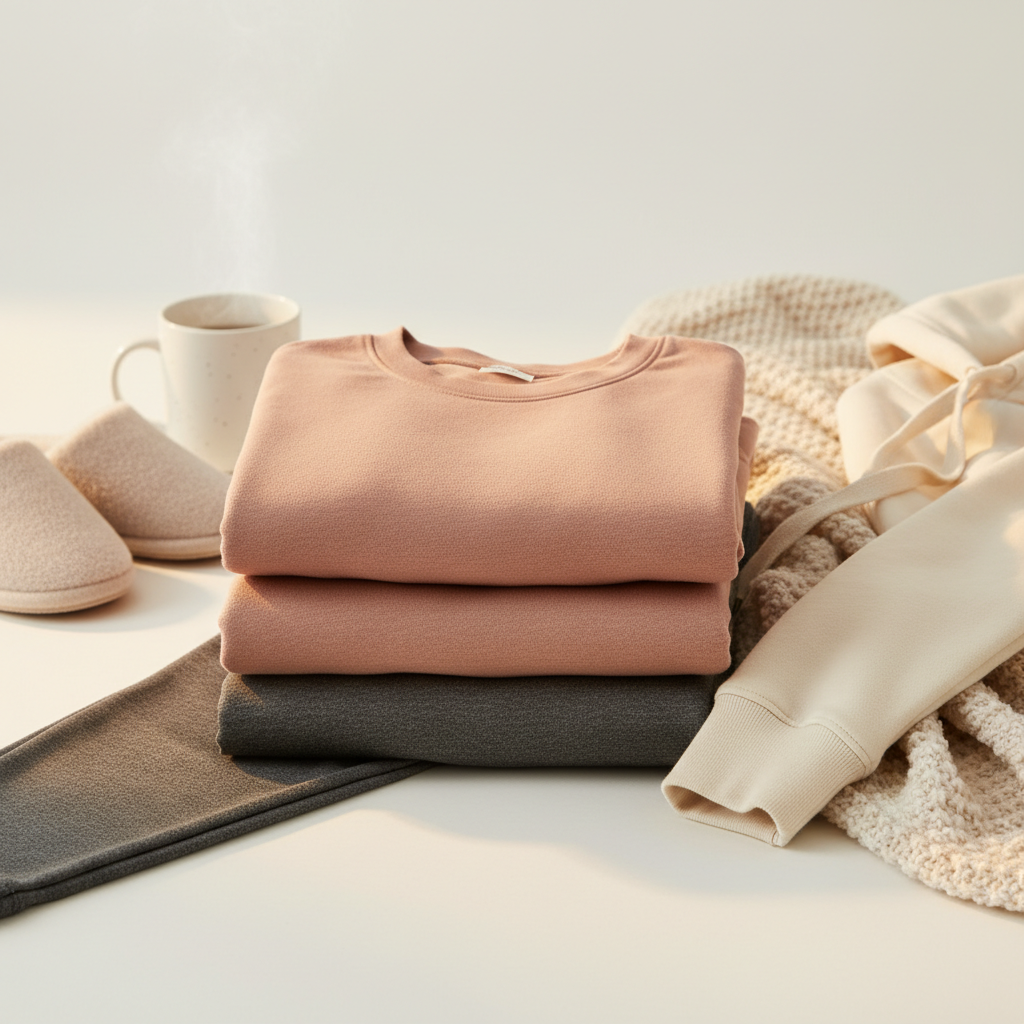
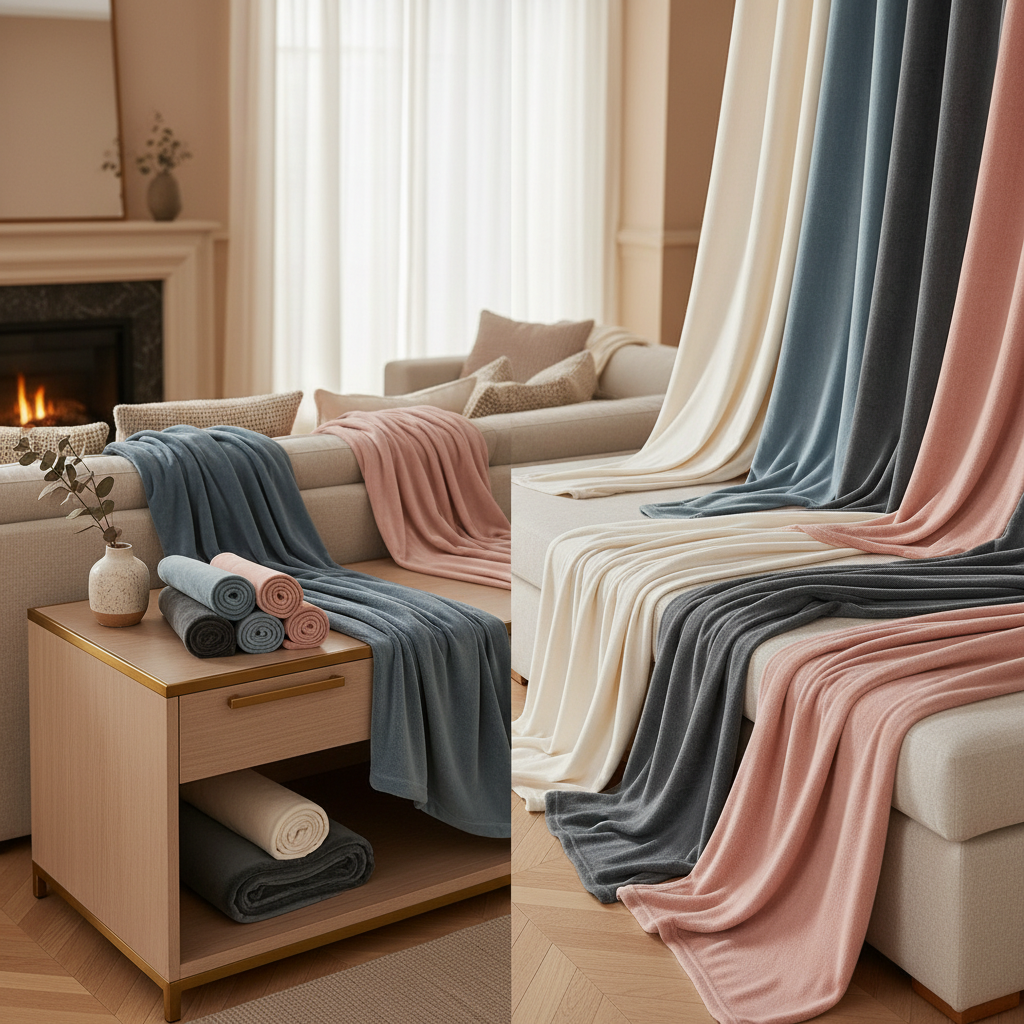
The applications of wholesale fabric are incredibly diverse. Apparel manufacturers rely on it for clothing production. Upholstery businesses utilize it for furniture coverings. Industrial suppliers incorporate it into technical textiles used in filtration, protective gear, and reinforced materials. The versatility of wholesale fabric makes it indispensable across many industries.
Its connection to modern industry is undeniable. Wholesale fabric allows companies to maintain lean inventories, respond quickly to changing trends, and meet the demands of large-scale production runs, fostering innovation and economic growth. It is also increasingly important in humanitarian efforts, providing materials for essential items like shelter and medical supplies.
Key Factors Influencing Wholesale Fabric Selection
Selecting the right wholesale fabric involves considering several critical factors. Durability is paramount, particularly for products intended for heavy use or outdoor environments. The fabric's resistance to wear, tear, and environmental degradation directly impacts its longevity and customer satisfaction.
Cost-effectiveness is another crucial element. Businesses need to balance quality with affordability to maintain profitability. The price of wholesale fabric is influenced by factors like raw material costs, manufacturing processes, and shipping expenses. Sourcing from reliable suppliers is vital to achieving competitive pricing.
Beyond these, factors like fabric weight, texture, and color fastness play a significant role. The intended use of the fabric will dictate the necessary characteristics. For example, lightweight fabrics are suitable for summer clothing, while heavier fabrics are preferred for winter outerwear. Compliance with safety regulations and environmental standards is also increasingly important.
Scalability and Cost Efficiency in Wholesale Fabric
One of the most significant benefits of sourcing wholesale fabric is the scalability it provides. Businesses can quickly adjust their order volumes to meet fluctuating demand without being constrained by minimum order quantities common in retail fabric purchases. This agility is crucial in fast-paced markets.
Cost efficiency is directly tied to scalability. Larger orders typically translate into lower per-unit costs, allowing businesses to maximize their profit margins. Negotiating favorable pricing terms with wholesale suppliers is a key strategy for enhancing cost efficiency.
Cost Analysis of Different wholesale fabric Sourcing Methods
Global Applications of Wholesale Fabric
The applications of wholesale fabric span the globe and touch nearly every industry. In the fashion sector, it’s used to manufacture clothing for diverse markets, from high-end designer collections to mass-produced garments.
In remote industrial zones, wholesale fabric provides the raw materials for protective workwear and specialized textiles. Similarly, in post-disaster relief operations, it's utilized for creating emergency shelter, medical supplies, and hygiene products. These examples illustrate the wide-ranging impact of readily available, cost-effective wholesale fabric.
Advantages and Long-Term Value of Wholesale Fabric
The advantages of wholesale fabric extend beyond immediate cost savings. Sustainable sourcing practices, increasingly prevalent in the wholesale market, contribute to a positive environmental impact and enhance brand reputation. Reliable supply chains ensure business continuity and minimize production disruptions.
The long-term value lies in fostering strong supplier relationships and securing consistent access to high-quality materials. This builds trust, encourages innovation, and enables businesses to adapt to evolving market demands with confidence. It’s a strategic investment, not just a transactional purchase.
Future Trends and Innovations in Wholesale Fabric
The future of wholesale fabric is intertwined with advancements in textile technology and a growing emphasis on sustainability. Innovations in materials like recycled polyester, bio-based fabrics, and smart textiles are reshaping the industry. Digitalization of supply chains, leveraging blockchain technology for transparency, is also gaining traction.
Automation in fabric manufacturing and quality control is poised to enhance efficiency and reduce costs. Furthermore, government policies promoting sustainable textile production and responsible sourcing are likely to drive further innovation and adoption of eco-friendly practices within the wholesale fabric market.
The integration of AI-powered demand forecasting will become increasingly important, allowing suppliers to optimize inventory and respond proactively to shifting market needs, solidifying the role of wholesale fabric in a rapidly evolving global landscape.
Summary of Key Challenges and Potential Solutions in the Wholesale Fabric Industry
| Challenge |
Impact Area |
Severity (1-10) |
Potential Solution |
| Supply Chain Disruptions |
Production Delays |
8 |
Diversify Sourcing & Implement Robust Inventory Management |
| Quality Control Issues |
Customer Dissatisfaction |
7 |
Invest in Advanced Testing Technologies & Supplier Audits |
| Rising Raw Material Costs |
Profit Margins |
9 |
Negotiate Long-Term Contracts & Explore Alternative Materials |
| Lack of Transparency |
Ethical Concerns |
6 |
Implement Blockchain Technology for Traceability |
| Environmental Impact |
Sustainability Reputation |
7 |
Prioritize Recycled & Sustainable Fabrics |
| Logistics and Shipping Costs |
Overall Expenses |
8 |
Optimize Shipping Routes & Negotiate Favorable Rates |
FAQS
When selecting a wholesale fabric supplier, prioritize factors like product quality, pricing, lead times, minimum order quantities, and their commitment to ethical and sustainable practices. Verify their certifications, request samples, and check references. A reliable supplier will offer transparent communication and consistent quality across orders. Consider also their ability to meet your specific fabric requirements and provide customized solutions.
Always request fabric samples before committing to a large order. Thoroughly inspect these samples for flaws, color consistency, and adherence to your specifications. Conduct basic tests, like washability and durability, if feasible. If possible, visit the supplier’s facilities to assess their quality control processes firsthand. Don't hesitate to request quality certifications and independent lab reports.
Typical payment terms for wholesale fabric suppliers range from 30% to 50% upfront as a deposit, with the remaining balance due upon shipment or delivery. Negotiating favorable payment terms is possible, particularly for established customers with a strong purchasing history. Consider using secure payment methods, such as letters of credit or escrow services, to mitigate risk.
Delivery times for wholesale fabric orders vary depending on factors like the supplier's location, order volume, and shipping method. Domestic orders typically take 3-7 business days, while international orders can take several weeks. Factor in potential customs clearance delays. Always confirm estimated delivery times with your supplier before placing an order.
Yes, there's a growing range of eco-friendly wholesale fabric options available, including organic cotton, recycled polyester, bamboo, and hemp. Look for suppliers that are certified by organizations like GOTS (Global Organic Textile Standard) or Oeko-Tex. Consider fabrics made from renewable resources and those produced using sustainable manufacturing processes.
To negotiate effectively, research prevailing market prices for the fabric you need. Highlight your potential order volume and long-term purchasing commitment. Be prepared to discuss payment terms and shipping costs. Demonstrate a willingness to build a mutually beneficial relationship with the supplier. Don't be afraid to ask for a discount, but maintain a respectful and professional approach.
Conclusion
In conclusion, wholesale fabric is a cornerstone of the global textile industry, offering businesses scalable solutions, cost efficiencies, and access to a diverse range of materials. Understanding the key factors influencing fabric selection, navigating the supply chain, and embracing sustainable practices are crucial for long-term success. The ability to adapt to evolving market trends and technological advancements will further enhance competitiveness.
Looking ahead, investing in strong supplier relationships, prioritizing quality control, and exploring innovative fabric technologies will be paramount. By embracing these strategies, businesses can unlock the full potential of wholesale fabric and position themselves for continued growth and innovation. For a comprehensive range of high-quality wholesale fabric options, visit our website: https://www.bosswintextile.com.