

Bleach Cotton Fabric – Soft, Uniform White, Bulk & Yard
Inside the supply chain: Bleached poplin that actually holds up in the real world
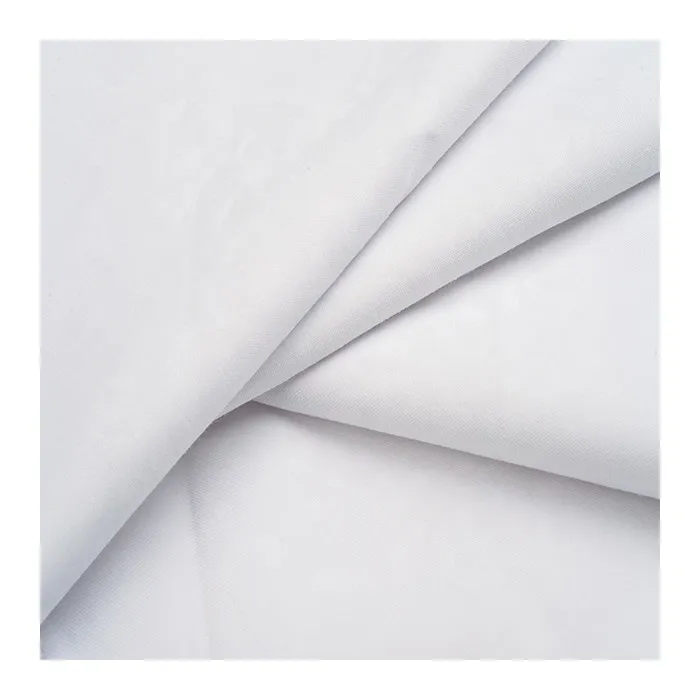
I’ve been around enough weaving floors and finishing lines to know when a fabric is all talk. This one isn’t. The Bleach Cotton Fabric I’m covering today—formally, Tc65/35 110x76 150cm Bleach Fabric Semi-combed Quality—comes out of Shijiazhuang, Hebei, China (Rm2305A, Tower2#, Jiahe Plaza, No.567 Zhongshan East Rd.), and it’s the kind of poplin mills still call “workhorse” when the sales team isn’t listening.
Poplin—shirt fabric, pocketing, Popelina, even Dacron in some catalogs—sounds simple. But getting a clean, bright, stable bleach on a TC fabric without wrecking handfeel or strength? That takes discipline. And, to be honest, a bit of obsession.
What’s trending in mills (and why buyers care)
Three things keep popping up in my interviews: peroxide-only bleaching with tight chemical control (ZDHC-aligned), lower liquor ratios to cut water and energy, and robust QC on pilling/strength because uniforms are getting hammered in industrial laundries. Brands are also asking for bluesign/OEKO-TEX proofs more than ever. It seems that buyers finally learned that “white is white” isn’t a spec.
Core specifications (real-world values)
| Product | Tc65/35 110x76 150cm Bleach Fabric Semi-combed |
| Composition | 65% polyester / 35% cotton (semi-combed cotton) |
| Construction | Poplin, 110×76 (≈45s/45s yarn count, common practice) |
| Width | 150 cm usable |
| Weight | ≈110–125 gsm (70–175 gsm available by customization) |
| Finish options | Optical brightener (optional), easy-care resin, softener, WR, antimicrobial (on request) |
Process flow (the disciplined version)
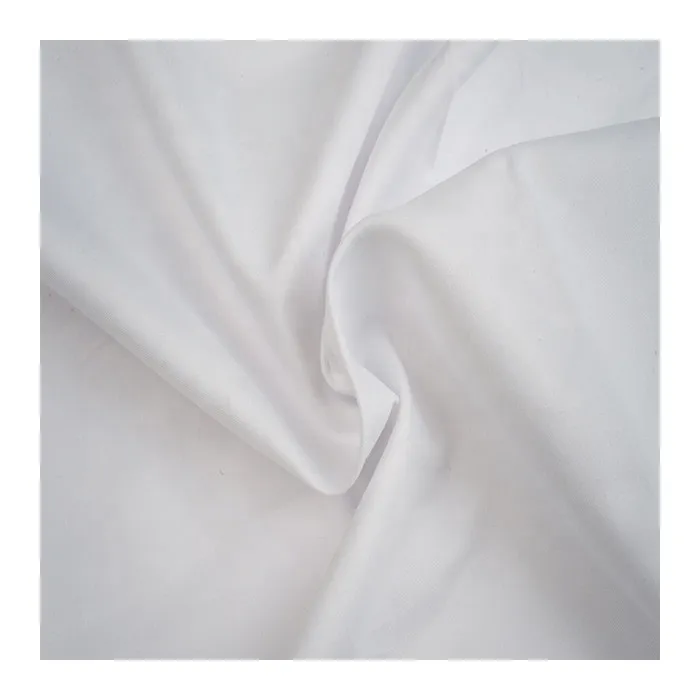
Materials: polyester staple + semi-combed cotton. Methods: spinning (carded/semi-combed), weaving (air-jet or rapier), then desize → scouring → peroxide bleaching → neutralization → optional optical brightener → washing → tentering → calendaring; sometimes singeing/mercerization depending on order. Testing: ISO 105-C06 wash fastness, ISO 12945-2 pilling, ISO 13934-1 tensile, ISO 5077 dimensional stability, whiteness index (CIE) checks, and chemical RSLs per OEKO-TEX/REACH.
Typical test data from recent lots (guide only; real-world use may vary): whiteness CIE ≈ 85–90, tensile strength ≈ 600 N warp / 450 N weft, pilling grade 4 after 2,000 rubs, shrinkage ≤ 3% @ 60°C wash, tear ≈ 20–24 N. In practice, buyers tell me it holds up better than “budget” whites, especially after 50+ laundries.
Use cases and industries
- Shirts and blouses for retail and workwear
- Aprons, chef coats, and hospitality textiles
- Pocketing/linings in denim and chinos
- Healthcare uniforms and lab coats
- Promotional garments that need crisp whites
Service life (plain talk)
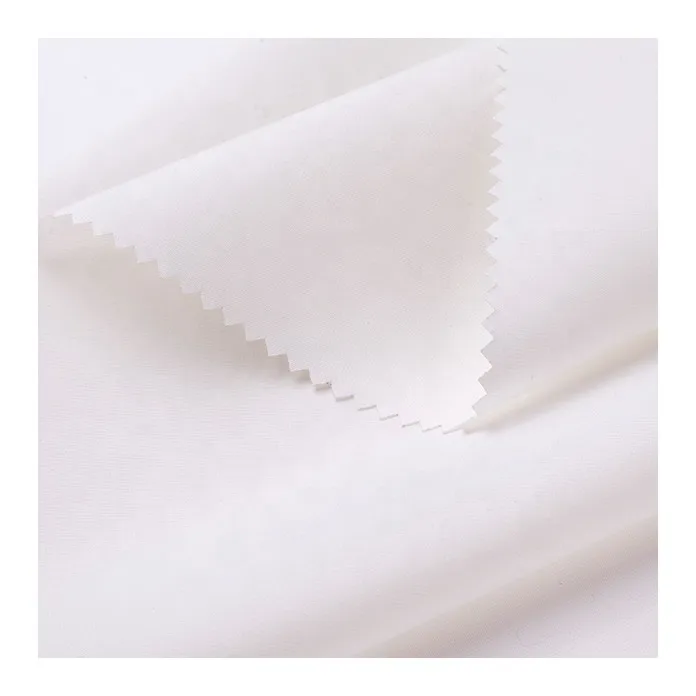
In industrial laundry, expect ≈80–120 cycles before brightness and handfeel taper off; home laundry users report 2–3 years for shirts with normal care. Many customers say the fabric’s easy press finish saves time—small thing, big deal on uniform programs.
Vendor snapshot (because lead time matters)
| Vendor | Certifications | Lead Time | MOQ | Notes |
|---|---|---|---|---|
| Bosswin Textile | OEKO-TEX 100 (on lot), REACH compliance | ≈20–30 days | ≈3,000–5,000 m | Strong QC; stable whiteness batch-to-batch |
| Vendor A (generic) | OEKO-TEX (partial) | ≈25–40 days | 5,000 m | Good price, variable pilling grades |
| Vendor B (generic) | Basic RSL | ≈30–45 days | 2,000 m | Fast sampling; whiteness drift reported |
Customization and practical tips
You can tweak weight to 70–175 gsm, add OBAs for “blue-white” optics, or specify resin for easy care. For embroidery-heavy pockets, consider +5 gsm to avoid show-through. For healthcare, ask for antimicrobial and 60°C shrink control. And yes, Bleach Cotton Fabric takes pigment or reactive prints post-bleach—just confirm alkali residues are neutralized.
Mini case notes
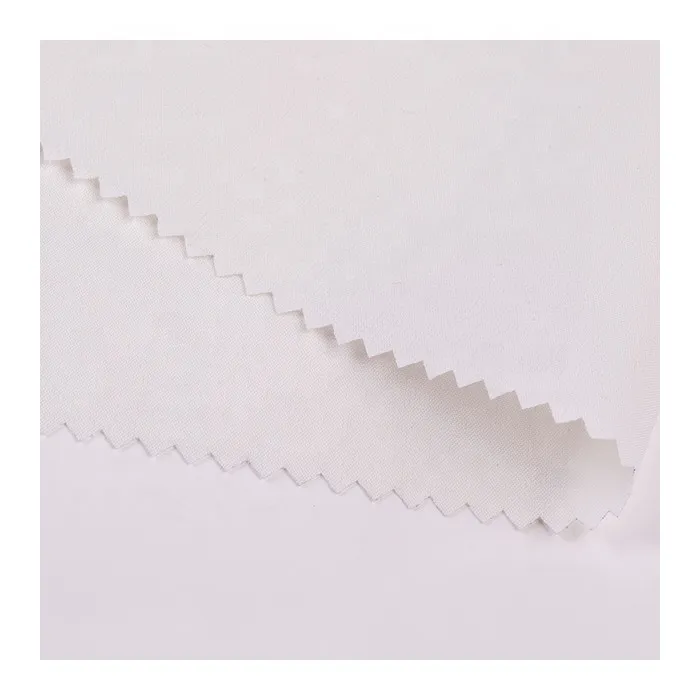
- Hospitality group: switched apron fabric to Bleach Cotton Fabric; reported better stain release and less greying after 30 commercial washes.
- Schoolwear importer: TC poplin pockets with resin finish cut pressing time by ≈15% across the line, surprisingly noticeable in peak season.
Certifications available on request; always validate with your own lab. Specs above are typical; production tolerances apply.
Authoritative citations
-
Ultimate Guide to Using a Pressing Cloth for Professional FinishesNewsApr.16,2026
-
Elevate Your Fashion Designs with Premium Poly Crepe Fabric GuideNewsApr.09,2026
-
Exploring the Benefits of Premium Poly Cotton Fabric for Diverse ApplicationsNewsApr.07,2026
-
Discover the Luxury and Benefits of Premium Cotton FabricsNewsApr.04,2026
-
Exploring the Versatility and Benefits of Power Mesh Fabric ApplicationsNewsMar.31,2026
-
Comprehensive Guide to Poplin Material Properties and Diverse ApplicationsNewsMar.28,2026
-
A Comprehensive Guide to Poplin Fabric Characteristics and ApplicationsNewsMar.26,2026