

Bleach Cotton Fabric: Pure White & Versatile Quality Cloth
The Strategic Imperative of High-Quality Bleached Fabrics in B2B Operations
In the demanding landscape of B2B textiles, the selection of raw materials is paramount to product quality, operational efficiency, and end-user satisfaction. Among the foundational textile components, bleach cotton fabric stands out as a versatile and indispensable material, particularly for applications requiring pristine appearance, superior absorbency, and excellent dye receptivity. This in-depth analysis explores the critical facets of bleached fabric, from its manufacturing intricacies to its strategic implications across diverse industries, providing a comprehensive guide for procurement specialists and product developers.
The evolution of textile processing has led to sophisticated bleaching techniques that not only achieve optimal whiteness but also preserve the integrity and strength of the fibers. Understanding the technical specifications and application nuances of high-grade fabrics like `Tc65/35 110x76 150cm Bleach Fabric Semi-combed Quality` is crucial for leveraging their full potential in demanding B2B environments.
Industry Trends and Market Dynamics Shaping Bleached Fabrics
The global textile market is experiencing significant shifts driven by consumer demand for sustainable practices, advanced performance characteristics, and cost-effectiveness. For bleach cotton fabric, these trends manifest in several key areas:
- Eco-Friendly Bleaching Agents: A growing emphasis on reducing environmental impact is pushing manufacturers towards greener bleaching agents and more water-efficient processes, moving away from conventional chlorine-based methods to peroxide-based systems.
- Hybrid Blends for Enhanced Performance: The demand for versatile fabrics has led to the proliferation of blends, such as bleach 60 cotton 40 polyester, offering a balance of natural fiber comfort with synthetic durability and wrinkle resistance. This hybrid approach caters to specific industry requirements, from healthcare to hospitality.
- Specialized Finishes: Beyond basic bleaching, there's an increasing call for fabrics with added functionalities like antimicrobial properties, stain resistance, and flame retardancy, especially in institutional and medical textiles.
- Supply Chain Transparency: B2B buyers are increasingly scrutinizing the ethical and environmental credentials of their suppliers, demanding traceability and certifications for their raw materials, including bleached calico fabric and bleached muslin.
- Price Volatility and Optimization: The bleached cotton price remains a critical factor. Manufacturers are continually seeking efficiencies in production to offer competitive pricing without compromising quality, especially for high-volume products like bleached muslin fabric by the yard.
These trends underscore the need for suppliers who can innovate and adapt, providing not just products but comprehensive solutions that meet evolving industry standards and client expectations.
The Manufacturing Process of Bleach Cotton Fabric: From Fiber to Finished Good
The creation of high-quality bleach cotton fabric involves a meticulous multi-stage process that transforms raw fibers into a pristine textile. The product `Tc65/35 110x76 150cm Bleach Fabric Semi-combed Quality` exemplifies a blend that requires precise control at each stage. Here is a detailed overview of the manufacturing process:
Process Flow Stages:
- Raw Material Procurement and Blending:
- Cotton Selection: High-grade natural cotton fibers are selected based on staple length, micronaire, and strength.
- Polyester Integration: For Tc65/35 blends, polyester staple fibers are carefully chosen for desired tenacity and luster.
- Blending: Cotton and polyester fibers are meticulously blended in precise ratios (e.g., 65% Polyester, 35% Cotton) to ensure uniformity and optimal fabric performance.
- Yarn Spinning (Semi-Combed Quality):
- Carding: Fibers are cleaned and aligned into a sliver.
- Drawing: Multiple slivers are combined and attenuated to improve uniformity.
- Semi-Combing: This process removes shorter fibers and impurities, resulting in a smoother, stronger, and more lustrous yarn than carded, but more cost-effective than fully combed yarn.
- Roving & Ring Spinning: The sliver is further attenuated and twisted into yarn.
- Weaving:
- The spun yarns are woven on looms (e.g., air-jet or rapier) to create `grey fabric bleached` (loom-state fabric). Weave densities like 110x76 (warp x weft threads per inch) are precisely controlled.
- Pre-treatment (Wet Processing): This critical stage prepares the fabric for bleaching and subsequent finishing.
- Singeing: Burning off protruding fiber ends to create a smooth surface.
- Desizing: Removal of sizing agents applied to warp yarns to facilitate weaving.
- Scouring: Washing the fabric with alkaline solutions to remove natural impurities (waxes, oils, pectins), dirt, and processing chemicals. This is crucial for uniform absorbency.
- Bleaching: The core process for bleached cotton cloth. Hydrogen peroxide (H2O2) is commonly used, often with stabilizers and activators. This process oxidizes and removes natural colorants and residual impurities, achieving the desired whiteness without significant fiber degradation. Careful control of temperature, pH, and concentration is vital. The result is a uniformly white fabric ready for diverse applications.
- Washing and Drying:
- Thorough washing removes all residual chemicals from the bleaching process. Drying is then performed under controlled conditions to prevent shrinkage or damage.
- Finishing:
- Mechanical or chemical treatments are applied to impart specific properties like improved hand feel, dimensional stability (e.g., sanforizing), anti-pilling, or crease resistance.
- Quality Control and Inspection:
- Each batch of bleach cotton fabric undergoes rigorous testing against international standards such as ISO 9001 for quality management and Oeko-Tex Standard 100 for harmful substances. Parameters checked include whiteness index, tensile strength, tear strength, absorbency, pH, and color fastness (if further dyed).
The advantages of this controlled process are significant for target industries like healthcare, hospitality, and apparel manufacturing. For example, in healthcare, the consistent whiteness and cleanliness of bleached cotton cloth are paramount for hygiene, while its enhanced absorbency is critical for medical dressings. The improved dye uptake characteristic of well-bleached fabrics also results in vibrant and consistent colors when dyed, which is essential for uniform and fashion industries. The meticulous processing ensures a longer service life and superior performance compared to less precisely treated materials.
Technical Specifications and Performance Parameters: The `Tc65/35 110x76 150cm Bleach Fabric Semi-combed Quality` Advantage
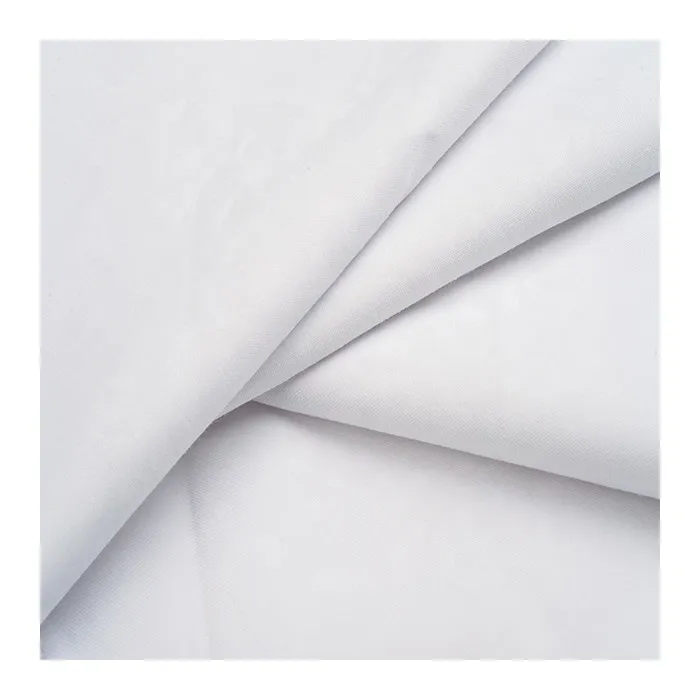
Understanding the precise technical parameters of bleach cotton fabric is fundamental for B2B buyers. The `Tc65/35 110x76 150cm Bleach Fabric Semi-combed Quality` offered by Bosswin Textile is engineered to meet rigorous industry demands. Here’s a breakdown of its key specifications and what they signify for performance:
| Parameter | Specification | Significance for B2B |
|---|---|---|
| Composition | 65% Polyester / 35% Cotton (TC65/35) | Durability & Comfort: Polyester provides strength, wrinkle resistance, and color retention, while cotton offers breathability and absorbency. Ideal for uniforms, workwear, and institutional linens. |
| Yarn Count | 32x32 NE (approx.) | Fabric Weight & Hand Feel: Indicates a medium-fine yarn, contributing to a comfortable yet robust fabric suitable for frequent washing. |
| Thread Count (Density) | 110x76 (Warp x Weft) | Strength & Tightness: A higher thread count signifies a denser, more durable fabric with better resistance to tearing and abrasion. Critical for longevity in commercial use. |
| Width | 150cm (59 inches) | Cutting Efficiency: Standard width for garment and linen production, optimizing yield and minimizing waste. |
| Weave | Plain Weave | Versatility & Stability: Simple, strong, and widely used weave, offering a balanced and robust fabric structure. |
| Quality | Semi-combed Bleach Fabric | Smoothness & Purity: Semi-combed yarns reduce impurities and short fibers, leading to a smoother fabric surface and enhanced bleachability, yielding superior bleached cotton cloth. |
| Whiteness Index | >80 (Berger scale, ISO 105 J02) | Aesthetic & Hygiene: Indicates a high level of brightness and freedom from yellowing, crucial for medical, hospitality, and uniform applications where pristine appearance is critical. |
| Shrinkage | Warp: <3%, Weft: <2% (ISO 6330) | Dimensional Stability: Low shrinkage ensures garments and linens maintain their size and shape after repeated industrial laundering, extending product lifespan. |
| Tensile Strength | Warp: >500N, Weft: >300N (ISO 13934-1) | Durability: High tensile strength indicates robust fabric, resisting tearing under stress, essential for long-term use in demanding environments. |
These parameters, backed by adherence to ISO testing standards, guarantee that this specific bleached cotton fabric meets the stringent requirements for industrial applications, providing both performance and cost-efficiency.
Versatile Application Scenarios for Bleach Cotton Fabric
The intrinsic properties of bleach cotton fabric – its pristine whiteness, excellent absorbency, and robust structure – make it exceptionally versatile across numerous B2B sectors. Its adaptability is further enhanced by specific blends, such as bleach 60 cotton 40 polyester, offering tailored performance for various end uses.
Key Target Industries and Applications:
- Healthcare & Medical:
Used extensively for hospital linens (sheets, pillowcases), patient gowns, medical scrubs, and even as a base for surgical dressings. The fabric's ability to be sterilized and its natural absorbency are critical. High whiteness signifies cleanliness and sterility, crucial for patient trust and infection control.
- Hospitality & Hotel Linens:
Premium bed linens, towels, and tablecloths for hotels, resorts, and restaurants. The crisp, clean appearance of bleached cotton cloth directly contributes to guest perception of luxury and hygiene. Its durability withstands rigorous industrial laundering cycles.
- Apparel & Uniform Manufacturing:
Foundation for uniforms in various sectors (e.g., corporate, industrial, food service). It serves as an excellent base for dyeing into specific corporate colors or for printing vibrant designs. Applications include work shirts, aprons, and chef coats. Even for un-dyed, naturally white items like bleached muslin fabric by the yard, it offers a clean aesthetic.
- Industrial & Technical Textiles:
Used as a base material for specialized coatings, linings, and even in certain filtration applications where a clean, consistent substrate is required. Its robust construction ensures long-term performance.
- Home Furnishings & Craft:
Used for lightweight drapery linings, interlinings, and as a blank canvas for printing and embroidery in decorative applications. Bleached muslin is a popular choice for prototyping and pattern making.
In these scenarios, the inherent advantages of properly bleached fabric – such as enhanced absorbency, superior whiteness, and improved dye affinity – translate directly into tangible benefits. For instance, in petrochemical and metallurgy industries (if used for uniforms or safety linings), durability and ease of cleaning are paramount. In water supply & drainage sectors, the fabric might find niche applications as a filter or lining, where its chemical stability post-bleaching becomes important. The consistent quality of the `Tc65/35 110x76 150cm Bleach Fabric Semi-combed Quality` ensures reliable performance across all these demanding uses.
Technical Advantages of Advanced Bleached Fabrics
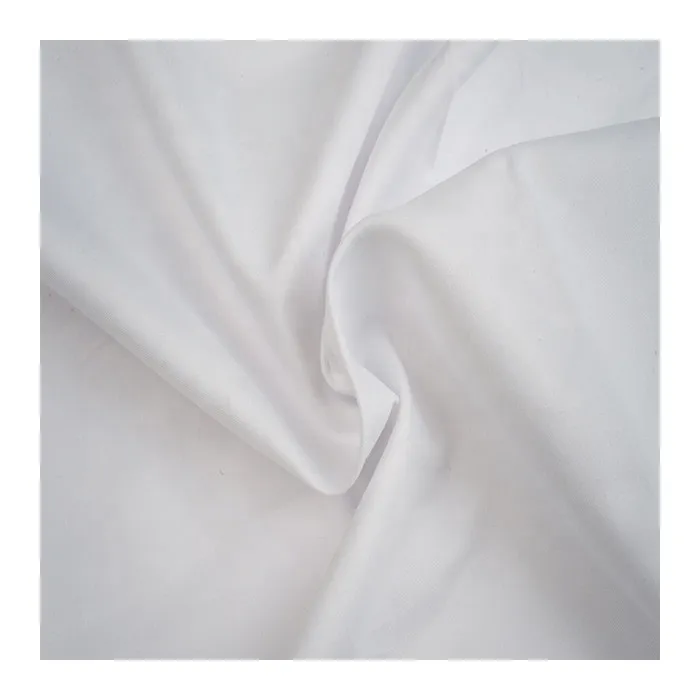
Modern bleaching technologies offer a suite of technical advantages that differentiate premium bleach cotton fabric from standard alternatives, providing significant value for B2B applications.
- Optimized Whiteness Index: Achieving a consistently high Whiteness Index (WI) is paramount. Advanced bleaching techniques ensure uniform whiteness across the entire fabric roll, eliminating inconsistencies often seen in `green fabric bleached` or `grey fabric bleached` processes that might not achieve full color removal. This also allows for brighter and more accurate color reproduction during subsequent dyeing.
- Enhanced Absorbency: Effective scouring and bleaching remove natural waxes and impurities that make raw cotton hydrophobic. This results in significantly improved absorbency, a critical feature for medical textiles, hygiene products, and high-performance towels.
- Improved Dye Uptake and Evenness: A clean, well-bleached fiber surface allows dyes to penetrate uniformly and deeply, resulting in vibrant colors and excellent colorfastness. This is crucial for brands requiring precise color matching for uniforms or branded products.
- Minimized Fiber Degradation: Utilizing modern peroxide-based bleaching systems, as opposed to harsh chlorine, significantly reduces fiber damage. This preserves the fabric's tensile and tear strength, leading to extended product lifespan and better performance, especially vital for robust materials like bleached calico fabric.
- Reduced Environmental Footprint: Contemporary bleaching plants implement water recycling, energy optimization, and effluent treatment systems. The use of biodegradable processing aids contributes to a more sustainable production cycle, aligning with corporate social responsibility goals.
- Consistency and Reproducibility: Automated process control systems ensure that each batch of bleached cotton cloth meets identical specifications, guaranteeing product consistency for large-scale procurement and manufacturing.
These advantages directly translate into cost savings through reduced waste, fewer rejects, and longer product service life, making advanced bleach cotton fabric a strategic investment for discerning B2B enterprises.
Vendor Comparison and Quality Assurance in Bleached Fabric Procurement
Selecting the right supplier for bleach cotton fabric is a critical decision that impacts downstream manufacturing, product quality, and brand reputation. When evaluating vendors, B2B buyers should look beyond initial pricing to comprehensive quality assurance, certifications, and support services.
Key Criteria for Vendor Evaluation:
- Certifications: Verify adherence to international standards like ISO 9001 (Quality Management), ISO 14001 (Environmental Management), and Oeko-Tex Standard 100 (for harmful substances). These certifications demonstrate a commitment to consistent quality and responsible manufacturing, crucial for products like bleached muslin fabric used in sensitive applications.
- Experience and Expertise: Partner with vendors boasting significant years of experience (e.g., Bosswin Textile with 20+ years) in textile manufacturing and specialization in bleached fabrics. Their expertise ensures optimal process control and problem-solving capabilities.
- Quality Control Protocols: Inquire about their in-house testing facilities and procedures. A reputable supplier will conduct rigorous tests for whiteness, strength, absorbency, and dimensional stability on every batch of bleach cotton fabric.
- Supply Chain Reliability: Assess their capacity for consistent supply, lead times, and logistical efficiency to prevent production delays.
- Customization Capabilities: For unique product lines, the ability to offer customized fabric blends (e.g., specific cotton/polyester ratios like bleach 60 cotton 40 polyester), widths, or finishes is a significant advantage.
| Feature | Standard Bleached TC Fabric | Premium TC65/35 Bleach Fabric (e.g., Bosswin) |
|---|---|---|
| Yarn Quality | Carded or basic combed yarns, more short fibers | Semi-combed yarns, fewer impurities, smoother feel |
| Whiteness Index | Moderate (<75 Berger) | High (>80 Berger), consistent across batches |
| Absorbency | Good, but potentially inconsistent | Excellent, uniform capillary action |
| Tensile Strength | Adequate for general use | Superior, engineered for industrial longevity |
| Shrinkage Control | Can be variable, leading to garment distortion | Precisely controlled (<3%), ensuring dimensional stability |
| Environmental Certs | Often absent or basic | Oeko-Tex Standard 100, ISO 14001 compliance |
Bosswin Textile, with its commitment to ISO-certified processes and over two decades of experience, exemplifies a vendor that offers not just bleach cotton fabric but also confidence in supply chain integrity and product performance.
Customized Solutions and Bespoke Fabric Development
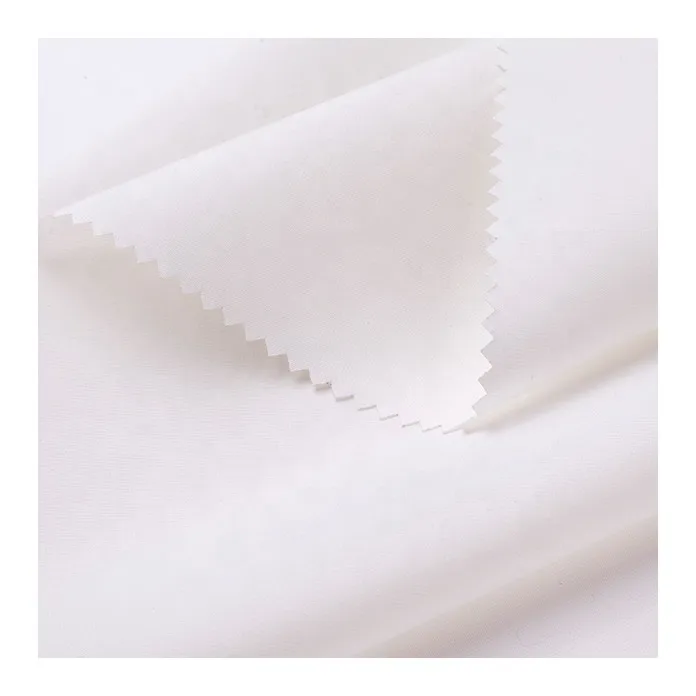
Recognizing that standard offerings may not always precisely fit specialized B2B requirements, leading textile manufacturers like Bosswin Textile provide comprehensive customized solutions for bleach cotton fabric. This bespoke approach ensures that clients receive fabrics perfectly tailored to their unique application and performance criteria.
Tailoring Key Fabric Attributes:
- Blend Ratios: Adjusting the proportion of cotton to polyester (e.g., from TC65/35 to TC50/50 or even specific bleach 60 cotton 40 polyester) to balance breathability, durability, and cost.
- Thread Count and Construction: Modifying warp and weft densities (e.g., 110x76 to 120x80) or weave patterns (e.g., plain to twill) to achieve specific strength, drape, or opacity. This is particularly relevant for specialized uniform or medical textile applications.
- Width and Roll Length: Producing bleached cotton cloth in non-standard widths (beyond 150cm) or custom roll lengths to optimize cutting efficiency for specific garment patterns or industrial uses, minimizing waste.
- Specialized Finishing Treatments: Applying additional functional finishes post-bleaching, such as:
- Antimicrobial/Antibacterial finishes for medical and hygiene applications.
- Water-repellent or stain-release finishes for hospitality and industrial workwear.
- Flame-retardant treatments for protective clothing.
- Softening agents for enhanced tactile comfort.
- Color Matching and Dyeing: For clients requiring pre-dyed fabrics from a bleached base, custom color matching services ensure consistency with corporate branding or seasonal collections.
This collaborative approach, involving detailed consultations and prototype development, ensures that the final bleach cotton fabric product not only meets but exceeds specific operational demands, fostering long-term strategic partnerships.
Application Case Studies: Bleach Cotton Fabric in Action
Real-world application demonstrates the tangible benefits of high-quality bleach cotton fabric. These case studies highlight how meticulous material selection and expert manufacturing translate into operational advantages and enhanced product performance for B2B clients.
Case Study 1: Healthcare Linen Modernization
Client: A leading national hospital chain with 50+ facilities.
Challenge: Their existing patient gowns and bed linens (made from lower-grade bleach cotton fabric) were showing excessive wear, pilling, and discoloration after only 30-40 industrial washes. This led to high replacement costs and inconsistent patient experience.
Solution: Bosswin Textile supplied `Tc65/35 110x76 150cm Bleach Fabric Semi-combed Quality` with an additional antimicrobial finish. The semi-combed blend offered superior tensile strength and pilling resistance, while the high whiteness index maintained a sterile appearance.
Results:
- Increased Lifespan: Linens now withstand 80+ industrial wash cycles, reducing replacement costs by 45%.
- Enhanced Patient Satisfaction: Consistent soft hand-feel and bright white appearance improved patient comfort and perception of hygiene.
- Improved Hygiene: Antimicrobial finish contributed to better infection control protocols.
Case Study 2: Uniform Manufacturer's Dyeing Efficiency
Client: A large uniform manufacturer specializing in corporate and industrial workwear.
Challenge: The client was experiencing uneven dye uptake and color inconsistencies when processing bleached calico fabric from various suppliers, leading to high rejection rates and production delays.
Solution: Bosswin Textile provided a custom-developed bleach 60 cotton 40 polyester fabric with a guaranteed Whiteness Index exceeding 85 and exceptional absorbency. This optimized fabric base ensured superior receptivity to reactive and disperse dyes.
Results:
- Reduced Dyeing Defects: Near-zero rejection rate due to color inconsistencies, saving significant material and labor costs.
- Faster Production: Reduced re-dyeing and troubleshooting, leading to a 15% increase in production throughput.
- Brand Consistency: Achieved perfect color matching for all corporate clients, strengthening brand reputation.
Frequently Asked Questions (FAQ) about Bleach Cotton Fabric
Q1: What distinguishes bleached cotton fabric from unbleached cotton?
A: Unbleached cotton, sometimes referred to as `grey fabric bleached` before processing, retains its natural off-white or cream color and contains natural impurities like wax and pectin. Bleach cotton fabric undergoes a chemical process to remove these impurities and natural colorants, resulting in a pure white fabric with enhanced absorbency, better dyeability, and a softer feel.
Q2: What is "semi-combed quality" in the context of bleached fabrics?
A: Semi-combed refers to a yarn preparation process where fibers are combed to remove a portion of short fibers and impurities, but not as extensively as fully combed yarns. This results in a smoother, stronger, and more uniform yarn than carded yarns, offering a balance of quality and cost-effectiveness for bleach cotton fabric like the Tc65/35.
Q3: How does the TC65/35 blend affect performance compared to 100% cotton?
A: The TC65/35 blend (65% Polyester, 35% Cotton) combines the best attributes of both fibers. Polyester contributes to superior strength, excellent wrinkle resistance, quick drying, and dimensional stability. Cotton provides breathability, absorbency, and a comfortable hand feel. This blend results in a highly durable, easy-care bleached cotton cloth ideal for uniforms and commercial linens, often outperforming 100% cotton in terms of longevity and maintenance.
Q4: Are your bleached fabrics environmentally friendly?
A: Yes, Bosswin Textile adheres to strict environmental protocols. Our bleaching processes primarily utilize hydrogen peroxide, a more environmentally benign agent than traditional chlorine. We also prioritize water recycling and waste treatment in our facilities, holding ISO 14001 certification and Oeko-Tex Standard 100 for our bleached muslin and other fabrics, ensuring they are free from harmful substances.
Lead Time & Fulfillment Details:
Standard lead time for in-stock bleach cotton fabric is typically 15-20 days post-order confirmation. For custom orders, lead times may vary from 30-45 days, depending on complexity and volume. We maintain robust inventory levels and efficient logistics to ensure timely fulfillment. Expedited shipping options are available upon request.
Warranty Commitments:
Bosswin Textile guarantees its bleach cotton fabric against manufacturing defects for a period of 12 months from the date of purchase. This warranty covers material flaws, significant deviations from specified technical parameters, and processing issues. Detailed warranty terms and conditions are available upon request, underscoring our commitment to the quality and longevity of our products like the `Tc65/35 110x76 150cm Bleach Fabric Semi-combed Quality`.
Customer Support Information:
Our dedicated customer support team is available to assist with product inquiries, technical specifications, order tracking, and after-sales service. We offer multi-channel support via phone, email, and a dedicated client portal, ensuring prompt and effective communication. Technical consultations are also available for specific application challenges or custom fabric development.
Conclusion: Strategic Sourcing for Superior Performance
The strategic selection of high-quality bleach cotton fabric is a cornerstone for success in diverse B2B industries. From its meticulous manufacturing process, encompassing advanced blending and bleaching techniques, to its rigorous quality control and versatile application potential, premium bleached fabrics offer unparalleled advantages in terms of durability, hygiene, and aesthetic appeal.
As demonstrated by the `Tc65/35 110x76 150cm Bleach Fabric Semi-combed Quality`, opting for a trusted supplier like Bosswin Textile ensures access to not just a product, but a comprehensive solution backed by decades of expertise, stringent quality standards, and a commitment to customer satisfaction. Investing in superior bleached cotton cloth ultimately translates into enhanced end-product quality, reduced operational costs, and a strengthened market position for B2B enterprises.
References:
- Shenai, V. A. (2001). Technology of Bleaching and Mercerizing. Textile Chemistry, Volume 2. Sevak Publications.
- Gulrajani, M. L. (2010). Chemical Processing of Cotton. Woodhead Publishing India.
- International Organization for Standardization (ISO). (Current Standards). ISO 9001: Quality management systems, ISO 14001: Environmental management systems, ISO 105: Textiles—Tests for colour fastness.
- Oeko-Tex Association. (Current Standards). Oeko-Tex Standard 100: Testing for harmful substances.
-
Ultimate Guide to Using a Pressing Cloth for Professional FinishesNewsApr.16,2026
-
Elevate Your Fashion Designs with Premium Poly Crepe Fabric GuideNewsApr.09,2026
-
Exploring the Benefits of Premium Poly Cotton Fabric for Diverse ApplicationsNewsApr.07,2026
-
Discover the Luxury and Benefits of Premium Cotton FabricsNewsApr.04,2026
-
Exploring the Versatility and Benefits of Power Mesh Fabric ApplicationsNewsMar.31,2026
-
Comprehensive Guide to Poplin Material Properties and Diverse ApplicationsNewsMar.28,2026
-
A Comprehensive Guide to Poplin Fabric Characteristics and ApplicationsNewsMar.26,2026