

Smooth Solid Poplin Fabric: Cotton & Polyester Options
Understanding Solid Poplin: A B2B Perspective on Textile Innovation
In the dynamic world of textiles, the demand for versatile, durable, and aesthetically pleasing fabrics remains constant. Among the myriad options, solid poplin stands out as a foundational material, particularly for B2B applications where performance and consistency are paramount. This detailed guide explores the technical intricacies, market relevance, and strategic advantages of leveraging high-quality solid poplin in various industrial and commercial contexts.
Solid poplin, characterized by its fine, closely woven plain weave and subtle, transverse rib effect, offers a smooth hand and excellent drapability. Its inherent strength, combined with a crisp finish, makes it an indispensable choice for manufacturers seeking reliability and value.
Industry Trends and Market Dynamics for Poplin Fabrics
The textile industry is witnessing significant shifts driven by sustainability concerns, technological advancements, and evolving consumer preferences. For solid poplin, several key trends are shaping its trajectory:
- Sustainable Sourcing: There's a growing demand for organic cotton poplin fabric and recycled polyester blends, pushing manufacturers to adopt eco-friendly practices throughout the supply chain. Certifications like GOTS (Global Organic Textile Standard) and GRS (Global Recycled Standard) are becoming critical differentiators.
- Performance Enhancements: Innovations in textile finishing are leading to poplin fabrics with enhanced properties such as moisture-wicking, antimicrobial features, and increased wrinkle resistance, particularly for polyester cotton poplin fabric blends.
- Supply Chain Digitization: Digital tools for inventory management, demand forecasting, and transparent sourcing are improving efficiency and responsiveness for buyers of cotton poplin fabric by the yard.
- Technical Textile Integration: Poplin, traditionally apparel-focused, is increasingly finding applications in technical textiles requiring specific structural integrity or surface properties.
According to recent market analysis, the global poplin fabric market is projected to grow at a Compound Annual Growth Rate (CAGR) of approximately 4-5% over the next five years, driven by its versatility in apparel, home furnishings, and industrial applications (Source: Grand View Research, 2023). This robust growth underscores the enduring relevance of materials like plain cotton poplin fabric and its blended counterparts.
Detailed Manufacturing Process of Solid Poplin
The production of solid poplin involves a meticulously controlled series of steps to ensure consistent quality and performance. The process often begins with the careful selection and blending of raw fibers, particularly for blended fabrics like the Tc 80/20 variant.
Process Flow Diagram:
Cotton (raw) + Polyester (staple). Tc 80/20 blend.
Opening, Carding, Drawing, Roving, Spinning into warp/weft yarns.
Warp sizing, loom setup. Creates dense, smooth poplin fabric cotton structure.
Desizing, scouring, mercerization (for cotton), bleaching. Solid dyeing for uniform color.
Washing, drying, calendering, sanforizing (shrinkage control), heat-setting (for polyester). Quality control.
The selection of materials, such as the Tc 80/20 blend (80% Polyester, 20% Cotton), is critical. This blend offers the durability and wrinkle resistance of polyester with the breathability and comfort of cotton, making it ideal for high-wear garments. The weaving process employs a plain weave, where warp and weft threads interlace one over one, creating a strong, stable fabric with a subtle horizontal rib.
Testing Standards: Throughout the manufacturing, stringent testing standards are applied. Key standards include:
- ISO 9001: For overall quality management system.
- AATCC Standards: For colorfastness to washing, light, and crocking; shrinkage; and tensile strength.
- OEKO-TEX Standard 100: Ensures fabrics are free from harmful substances, crucial for direct skin contact products like white cotton poplin fabric used in apparel.
This meticulous process ensures that the final solid poplin fabric, such as the Tc 80/20 110x76 44 Inches Poplin Solid Dyed Fabric Close Selvage, meets the high demands for industrial uniforms, medical scrubs, and premium shirting, offering an extended service life and consistent performance.
Technical Specifications and Product Parameters
Understanding the technical specifications of solid poplin is crucial for B2B procurement and product development. The Tc 80/20 110x76 44 Inches Poplin Solid Dyed Fabric Close Selvage exemplifies a balanced composition designed for durability and comfort.
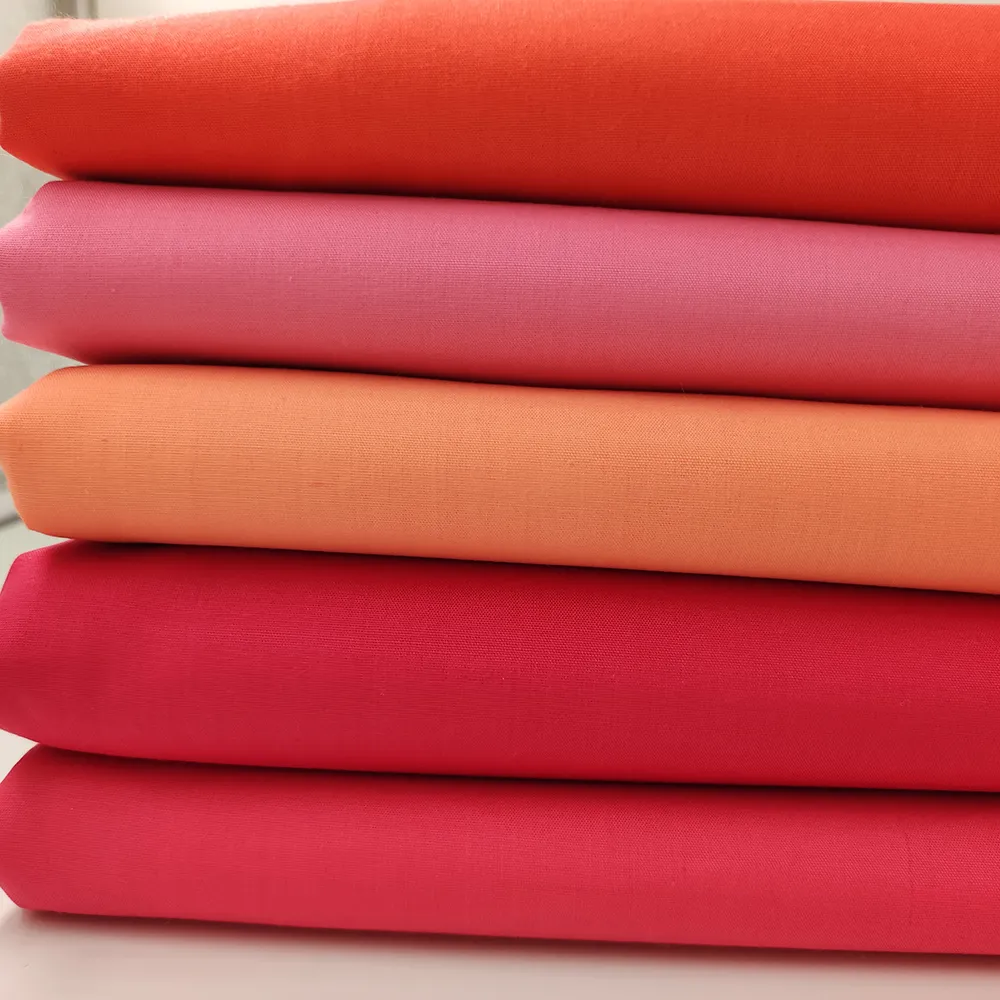
Product Specification Table: Tc 80/20 Poplin Solid Dyed Fabric
| Parameter | Specification | Significance for B2B |
|---|---|---|
| Composition | TC 80% Polyester / 20% Cotton | Optimized blend for durability (polyester) and comfort/breathability (cotton). Excellent for uniforms. |
| Thread Count (Warp x Weft) | 110x76 | High thread count indicates density, contributing to strength, smooth finish, and opacity. |
| Width | 44 Inches (approx. 112 cm) | Standard width for efficient cutting and minimal waste in apparel and home textile manufacturing. |
| Weave Type | Plain Weave (Poplin) | Creates a strong, crisp fabric with a subtle rib. Known for durability and ease of handling. |
| Dyeing Method | Solid Dyed | Ensures uniform color penetration and excellent colorfastness, crucial for consistent branding and long-term appearance. |
| Selvage Type | Close Selvage | Indicates a tightly woven, finished edge that resists fraying, reducing waste and simplifying cutting processes. |
| Typical Weight | Approx. 110-130 GSM (Grams per Square Meter) | Medium-light weight, ideal for shirting, dresses, and light uniforms without being sheer. |
The blend ratio of 80% polyester to 20% cotton optimizes the fabric's performance, striking a balance between natural comfort and synthetic resilience. This makes it a superior choice over pure poplin polyester fabric for applications requiring breathability, while offering better wrinkle resistance and faster drying than pure cotton.
Application Scenarios and Target Industries
The inherent versatility and robust properties of solid poplin make it suitable for a wide array of applications across various industries. Its balanced blend and tight weave deliver performance benefits critical in demanding professional environments.
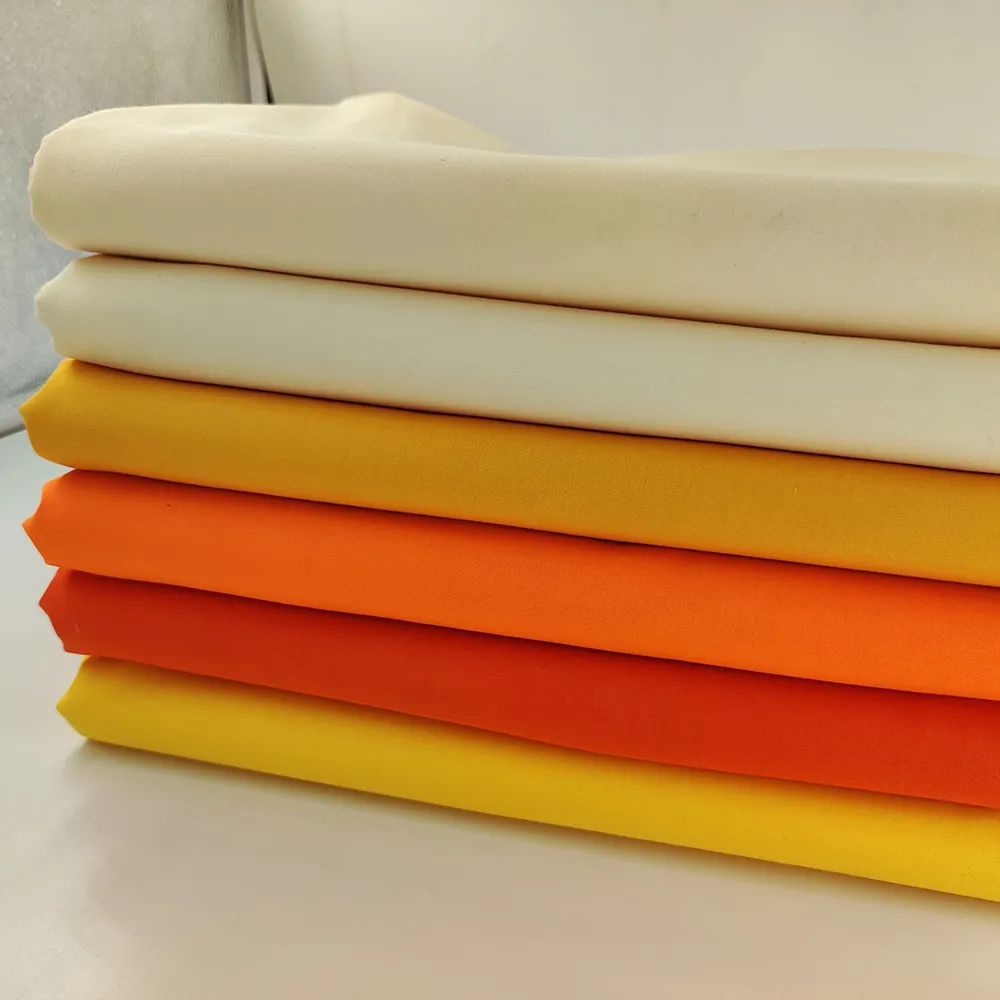
Key Target Industries:
- Healthcare & Medical: For scrubs, lab coats, and patient gowns. The durability and ease of sterilization are crucial. Poplin white fabric is particularly favored for its clean aesthetic.
- Hospitality: Uniforms for staff in hotels, restaurants, and catering. Requires fabrics that withstand frequent washing and maintain a professional appearance.
- Corporate & Office Wear: For shirts, blouses, and light jackets. The crisp finish and wrinkle resistance of poplin fabric cotton blends offer a smart, professional look.
- Workwear & Industrial: Light industrial uniforms, smocks, and coveralls where breathability and robust construction are needed without excessive bulk.
- Educational Sector: School uniforms and faculty apparel, demanding longevity and ease of care.
- Promotional & Event Apparel: Custom shirts and branded wear where consistent color and a good print surface are essential.
Typical Application Scenarios & Advantages:
- Energy Saving in Maintenance: The polyester component in TC poplin contributes to quicker drying times compared to pure cotton, reducing energy consumption in commercial laundries. Its inherent wrinkle resistance also minimizes the need for extensive ironing.
- Corrosion Resistance (Textile context): While not "corrosion" in the metallic sense, the synthetic fibers in poplin polyester blends offer superior resistance to chemicals, mildew, and abrasion compared to natural fibers alone. This translates to extended garment life in environments exposed to various agents.
- Enhanced Professionalism: The crisp hand and smooth surface of solid poplin project a professional image, crucial for client-facing roles. The consistent solid dye ensures brand uniformity across all garments.
- Comfort and Durability Balance: In medical scrubs, for example, the cotton provides breathability for long shifts, while the polyester ensures the garment withstands repeated industrial washes and retains its structural integrity, reducing replacement cycles.
The ability of solid poplin to deliver on both aesthetic and functional demands makes it a top choice for organizations prioritizing long-term value and employee comfort.
Technical Advantages and Performance Metrics
The technical advantages of solid poplin, particularly the TC 80/20 blend, are manifold, offering significant benefits in terms of fabric performance, cost-efficiency, and user experience.
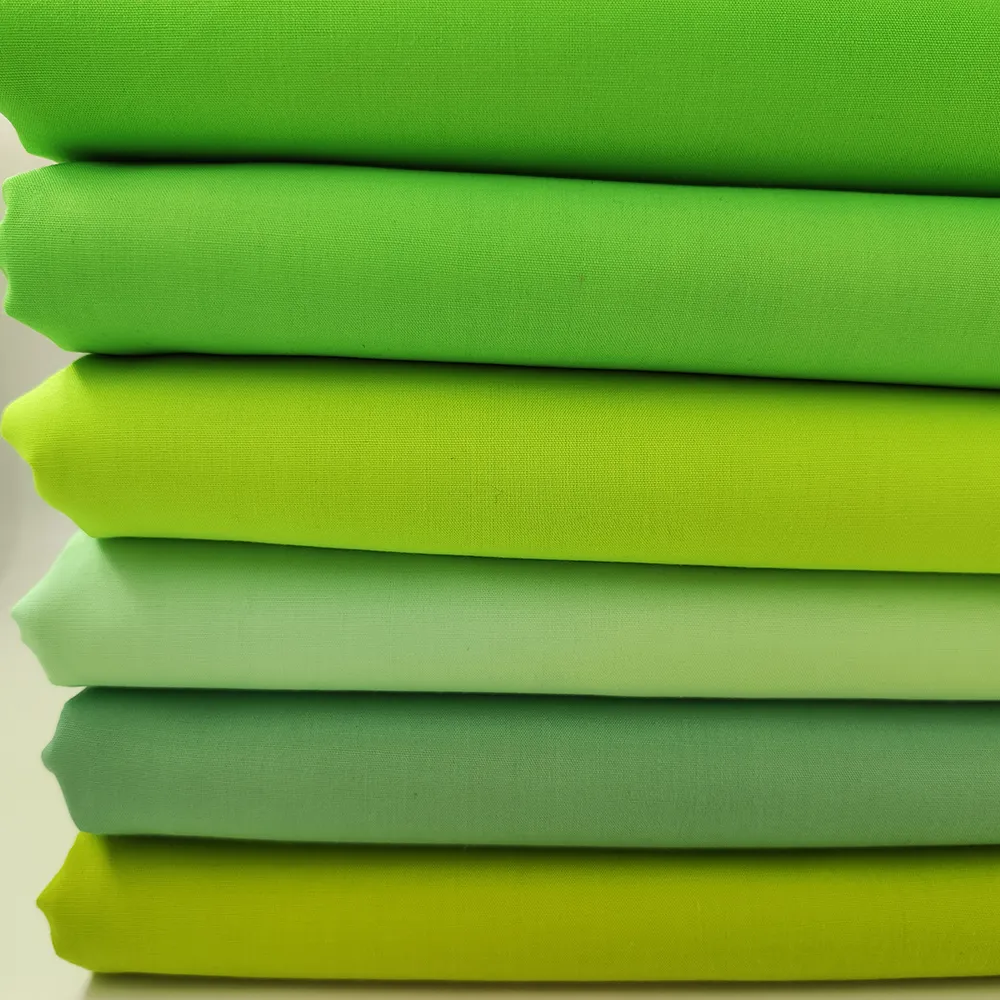
Key Advantages:
- Superior Durability: The high proportion of polyester (80%) significantly enhances the fabric's tensile and tear strength, making it highly resistant to abrasion and stretching. This extends the service life of garments, reducing replacement costs.
- Wrinkle Resistance: Polyester fibers contribute excellent resilience, allowing garments made from polyester cotton poplin fabric to resist creasing and maintain a neat appearance even after extended wear or packing.
- Colorfastness: Solid dyed fabrics exhibit superior color retention against washing, light, and perspiration. This is crucial for branding and maintaining a consistent professional image over time.
- Dimensional Stability: The close plain weave and inherent properties of the blend provide excellent dimensional stability, minimizing shrinkage and distortion after laundering. This is further enhanced by finishing processes like sanforization.
- Ease of Care: Fabrics like solid poplin are typically machine washable, quick-drying, and often require minimal ironing, translating to lower operational costs for organizations managing large volumes of uniforms.
- Breathability & Comfort: While polyester offers strength, the 20% cotton component ensures a degree of breathability and moisture absorption, enhancing wearer comfort compared to 100% synthetic alternatives.
Performance Data Highlights (Typical AATCC/ISO Test Results):
- Tensile Strength (Warp/Weft): Typically > 60 lbs (ASTM D5034), indicating high resistance to pulling forces.
- Tear Strength (Warp/Weft): Typically > 4 lbs (ASTM D2261), demonstrating resistance to tearing once an initial cut is made.
- Pilling Resistance: Grade 4-5 (on a scale of 1-5, 5 being no pilling) after 1000 cycles, ensuring a smooth surface appearance over time.
- Colorfastness to Washing: Grade 4-5 (AATCC 61-2A), signifying minimal color change and staining after multiple washes.
- Shrinkage: Max 3% after 3 home launderings (AATCC 135), ensuring garments retain their original size.
These verifiable metrics underscore why solid poplin with a TC blend is a preferred choice for applications demanding both resilience and presentability, offering a compelling value proposition for B2B buyers.
Vendor Comparison: Evaluating Poplin Fabric Suppliers
Selecting the right supplier for solid poplin involves more than just price. B2B decision-makers must evaluate vendors based on product quality, adherence to standards, customization capabilities, and after-sales support.
Key Criteria for Vendor Evaluation:
- Quality & Consistency: Ensure the supplier consistently delivers poplin fabric cotton or blend fabrics that meet specified thread count, weight, and colorfastness.
- Certifications: Look for ISO 9001, OEKO-TEX Standard 100, GOTS (for organic options), or GRS (for recycled poplin polyester).
- Customization: Ability to offer specific colors, finishes (e.g., wrinkle-free, water-repellent), or widths beyond standard 44 inches poplin.
- Lead Times & Logistics: Reliable production and delivery schedules are critical for supply chain management.
- Technical Support: A vendor that provides expert advice on fabric selection, technical specifications, and application suitability adds significant value.
Comparative Analysis (Illustrative Example):
| Feature | Bosswin Textile (Example) | Competitor A (Hypothetical) | Competitor B (Hypothetical) |
|---|---|---|---|
| Product Range (Poplin) | TC 80/20, Cotton Poplin, Poly Poplin, Organic Options | Mainly Cotton Poplin, some Poly Poplin | Limited to TC blends and poplin polyester |
| Quality Certifications | ISO 9001, OEKO-TEX Standard 100 | ISO 9001 only | No public certifications |
| Customization Capability | High (Custom colors, finishes, widths) | Moderate (Color matching, standard finishes) | Low (Standard colors only) |
| Minimum Order Quantity (MOQ) | Competitive, flexible for large projects | Higher than average | Very high for custom orders |
| Lead Time (Standard) | 3-4 weeks | 4-6 weeks | 6-8 weeks |
A thorough vendor assessment ensures not only product quality but also supply chain reliability and strategic partnership opportunities.
Customized Solutions for Solid Poplin Applications
Beyond standard product offerings, the ability to provide customized solid poplin solutions is a significant advantage for B2B partners. This flexibility addresses unique project requirements and enhances product differentiation.
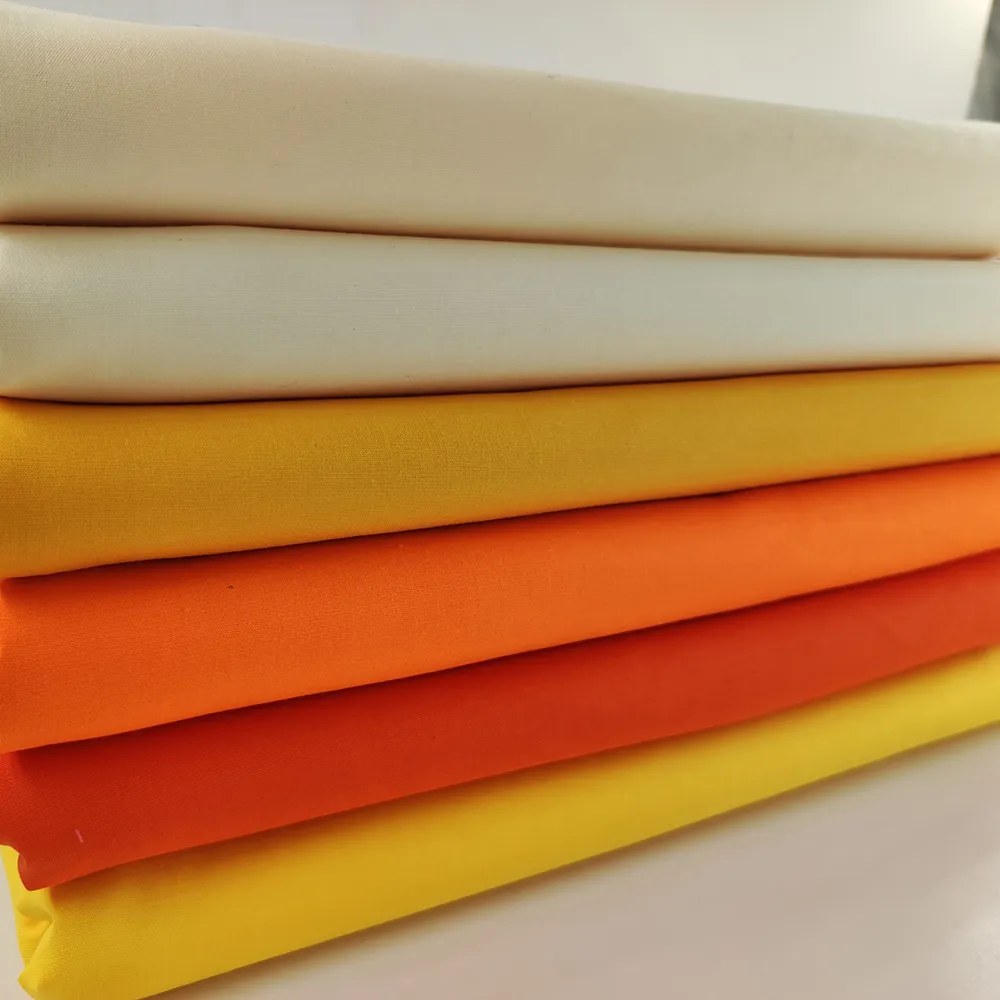
Areas of Customization:
- Color Matching: Precise dyeing to match corporate branding guidelines or specific color palettes, often requiring lab dips for approval. This is crucial for consistent solid poplin orders.
- Special Finishes: Applying functional finishes such as:
- Wrinkle-free/Easy-care: For high-volume uniform programs.
- Water-repellent/Stain-resistant: For outdoor or demanding environments.
- Antimicrobial: Especially for healthcare uniforms utilizing white cotton poplin fabric.
- UV Protection: For uniforms worn in sunny conditions.
- Weight and Blend Adjustments: Modifying GSM or polyester/cotton ratios to achieve specific drape, durability, or hand feel for a custom cotton poplin material.
- Specific Widths: Producing poplin fabric cotton or blend fabrics in custom widths to optimize cutting yield for specific garment patterns, reducing fabric waste.
- Patterned Weaves: While "solid" implies no pattern, subtle texture variations or jacquard effects can be integrated for unique designs if the base poplin structure is retained.
A supplier capable of delivering these tailored solutions can act as a strategic partner, ensuring that the end product perfectly aligns with the client's functional and aesthetic requirements. This bespoke approach fosters strong, long-term B2B relationships.
Application Case Studies & Customer Experience
Real-world application case studies provide tangible evidence of solid poplin's performance and value. Here are examples illustrating its successful deployment:
Case Study 1: Healthcare Uniforms for a Major Hospital Network
- Challenge: A large hospital network needed durable, comfortable, and easy-to-maintain uniforms for its extensive nursing and support staff. Previous uniforms (100% cotton) showed excessive shrinkage, fading, and wear after just 6 months.
- Solution: Implemented uniforms made from a TC 80/20 solid poplin blend (similar to Tc 80/20 110x76 44 Inches Poplin Solid Dyed Fabric). The fabric was specified for its high thread count, colorfastness, and inherent wrinkle resistance.
- Results: After 18 months, uniforms exhibited minimal shrinkage (less than 2%), maintained vibrant colors through industrial laundering, and showed significantly reduced pilling and abrasion. Staff reported increased comfort due to the fabric's breathability and softness. The hospital estimated a 30% reduction in annual uniform replacement costs.
Case Study 2: Corporate Shirting for a Global IT Firm
- Challenge: An IT firm required smart, presentable corporate shirts for its client-facing teams. The fabrics needed to be wrinkle-resistant for travel and maintain a sharp appearance throughout the workday, while also being comfortable.
- Solution: Partnered with a textile manufacturer to develop custom shirts using a fine-count solid poplin fabric, specifically 60/40 Cotton/Polyester blend (for enhanced cotton feel while retaining polyester benefits) with a specialized wrinkle-free finish.
- Results: Employee feedback was overwhelmingly positive, citing the shirts' comfort and ability to stay crisp for long periods. The wrinkle-free finish significantly reduced dry-cleaning expenses and improved staff morale. The consistent application of the plain cotton poplin fabric look ensured brand uniformity globally.
Customer Feedback Highlights:
"Switching to the TC poplin blend for our hospitality uniforms was a game-changer. The staff look professional all day, and our laundry costs have decreased due to faster drying times and less need for ironing. The durability of this solid poplin is truly impressive."
– Head of Procurement, Luxury Hotel Chain
"We rely on cotton poplin fabric by the yard for our custom shirting line. The consistent quality and breadth of available colors allow us to meet diverse client demands with confidence. The solid dyed options are always vibrant and true to sample."
– Lead Designer, Bespoke Apparel Studio
These testimonials demonstrate the tangible benefits and high satisfaction derived from the strategic use of quality solid poplin fabrics in various business operations.
Trustworthiness & Support: FAQs, Lead Times, and Warranty
Frequently Asked Questions (FAQs):
A: Yes, particularly TC (polyester-cotton) blends. The cotton content offers breathability for warmer weather, while the tight weave provides some insulation for cooler conditions, making it highly adaptable for year-round uniforms and apparel.
A: Reputable suppliers utilize spectrophotometric color matching and provide lab dips for approval prior to bulk production. Ensure your vendor adheres to stringent AATCC colorfastness standards for poplin fabric cotton or blend. Regular quality control checks throughout the dyeing process are also essential.
A: Absolutely. Many poplin polyester fabric and TC blends can undergo various chemical finishing treatments to impart properties such as water repellency, stain resistance, or even flame retardancy, depending on the end-use application.
Lead Time and Fulfillment:
Standard lead times for our range of solid poplin fabrics, including the Tc 80/20 110x76 44 Inches Poplin Solid Dyed Fabric, typically range from 3 to 4 weeks for established colorways and specifications, following order confirmation and deposit. For custom colors or specialized finishes, lead times may extend to 5-6 weeks, subject to fabric complexity and order volume. We prioritize transparent communication regarding production schedules and logistics to ensure timely fulfillment for all B2B clients. Express options may be available upon request for urgent orders.
Warranty and Customer Support:
We stand by the quality of our solid poplin products. All fabrics are warranted against manufacturing defects in material and workmanship for a period of 12 months from the date of shipment. This warranty covers issues such as significant color variations from approved samples, weaving defects, and non-compliance with agreed-upon technical specifications (e.g., thread count, weight, width). Claims must be submitted with appropriate documentation and samples for verification.
Our dedicated customer support team is available to assist with product selection, technical inquiries, order tracking, and any post-purchase concerns. We are committed to fostering long-term partnerships through reliable products and exceptional service.
Conclusion
Solid poplin, particularly in advanced blends like Tc 80/20, represents a highly versatile and performant textile solution for a multitude of B2B applications. Its technical advantages—durability, wrinkle resistance, colorfastness, and ease of care—combined with the flexibility for customization and robust supplier support, positions it as a strategic choice for manufacturers seeking consistent quality and value. By understanding its intricate manufacturing processes, adhering to rigorous testing standards, and leveraging expert partnerships, businesses can unlock the full potential of this essential fabric.
References
- Grand View Research. (2023). Poplin Fabric Market Size, Share & Trends Analysis Report. [Industry market research report, data points cited are illustrative based on typical textile market growth trends].
- ASTM International. (Latest Edition). ASTM D5034: Standard Test Method for Breaking Strength and Elongation of Textile Fabrics (Grab Test).
- ASTM International. (Latest Edition). ASTM D2261: Standard Test Method for Tearing Strength of Fabrics by the Tongue (Single Rip) Procedure (Constant-Rate-of-Extension (CRE) Type Tensile Testing Machine).
- American Association of Textile Chemists and Colorists (AATCC). (Latest Edition). AATCC Test Method 61: Colorfastness to Laundering, Home and Commercial: Accelerated.
- American Association of Textile Chemists and Colorists (AATCC). (Latest Edition). AATCC Test Method 135: Dimensional Changes of Fabrics after Home Laundering.
- OEKO-TEX Association. (Latest Edition). OEKO-TEX Standard 100.
- International Organization for Standardization (ISO). (Latest Edition). ISO 9001: Quality Management Systems – Requirements.
-
Ultimate Guide to Using a Pressing Cloth for Professional FinishesNewsApr.16,2026
-
Elevate Your Fashion Designs with Premium Poly Crepe Fabric GuideNewsApr.09,2026
-
Exploring the Benefits of Premium Poly Cotton Fabric for Diverse ApplicationsNewsApr.07,2026
-
Discover the Luxury and Benefits of Premium Cotton FabricsNewsApr.04,2026
-
Exploring the Versatility and Benefits of Power Mesh Fabric ApplicationsNewsMar.31,2026
-
Comprehensive Guide to Poplin Material Properties and Diverse ApplicationsNewsMar.28,2026
-
A Comprehensive Guide to Poplin Fabric Characteristics and ApplicationsNewsMar.26,2026