

Bleach Cotton Fabric: Soft White, Bulk & Custom Cuts
TC65/35 Poplin: A Field Note on bleach cotton fabric for Shirts, Pockets, and Workwear
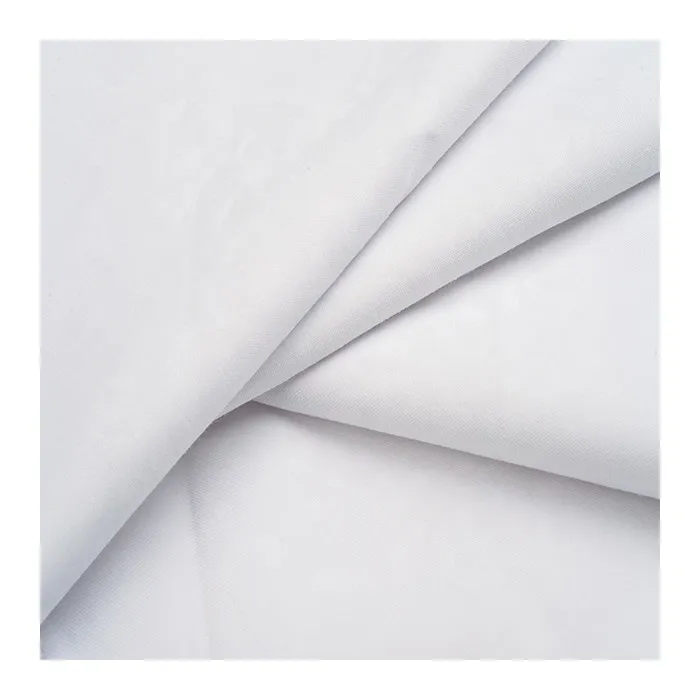
If you’ve handled uniforms or private-label shirting lately, you’ve noticed the quiet comeback of poly–cotton poplin. To be honest, it’s happening for practical reasons: reliable hand-feel, stable supply, and lower care costs. Bosswin Textile’s Tc65/35 110x76 150cm Bleach Fabric Semi-combed Quality—originating from Rm2305A, Tower2#, Jiahe Plaza, No.567 Zhongshan East Rd., Shijiazhuang, Hebei, China—sits squarely in that sweet spot. In fact, many customers say it “behaves” better in production than pure cotton. From my visits to mills, I’d agree.
Industry trend, briefly
Global buyers are consolidating SKUs around poly–cotton poplins for shirts, apron bodies, and pocketing. Why? Predictable shrinkage, easier laundering, good colorfastness, and a price that doesn’t swing wildly. Surprisingly, even fashion labels are speccing bleach cotton fabric bases and overdyeing in-house for seasonal drops.
Product snapshot
| Name | Tc65/35 110x76 150cm Bleach Fabric Semi-combed Quality (Poplin) |
| Composition | ≈ 65% polyester / 35% cotton (semi-combed cotton) |
| Weave / Density | Poplin, 110×76 (warp×weft) |
| Width | 150 cm usable |
| Weight | around 110±5 gsm (real-world use may vary) |
| Finish | Bleached white, ready for dye/print or direct use |
Process flow (what actually happens)
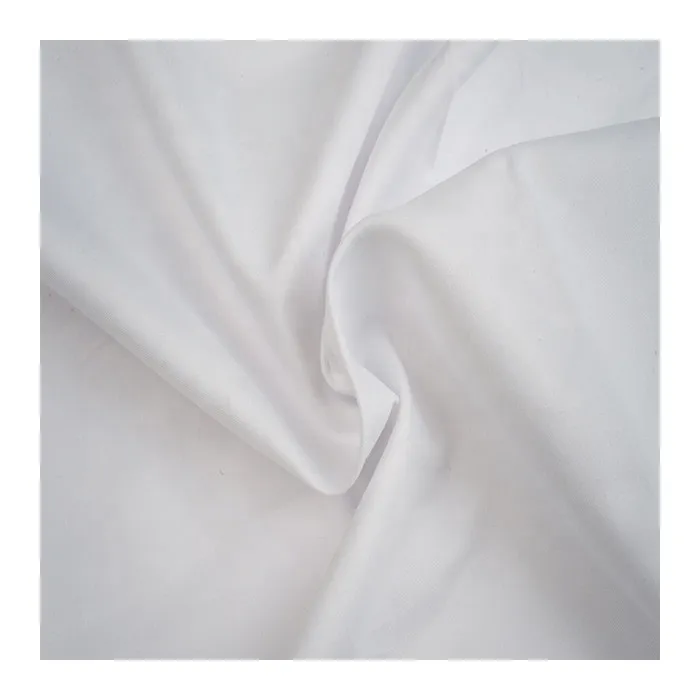
Materials: PET staple + semi-combed cotton. Methods: blending → spinning (carded/semi-combed) → weaving (poplin 110×76) → singeing/desizing → scouring → bleaching (controlled whiteness index) → softening → stentering to 150 cm. Testing: ISO 13934-1 tensile; ISO 5077 dimensional change; ISO 105-C06 wash fastness; optional AATCC 128 pilling. Typical service life: ≈ 50–80 commercial laundry cycles for uniforms; 2–3 years in retail shirting with home care, assuming sane detergents.
Application scenarios
- Shirts and blouses: base white or piece-dyed from bleach cotton fabric.
- Workwear aprons and hospitality uniforms.
- Pocketing and interlinings where stable handle matters.
- Healthcare and school uniforms (cost-per-wear focus).
Test data and certifications (typical)
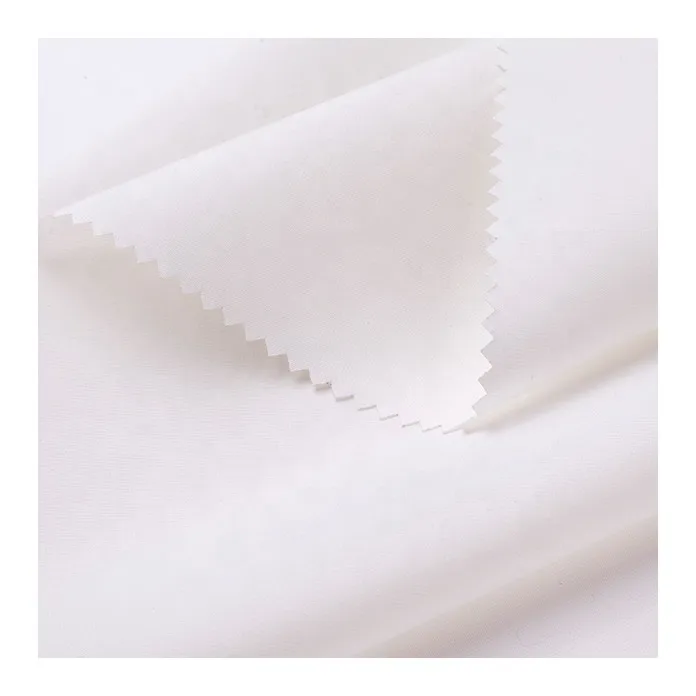
- Tensile strength (ISO 13934-1): warp ≈ 600–750 N, weft ≈ 350–500 N.
- Shrinkage after 60°C wash (ISO 5077): warp ≈ −2% to −3%, weft ≈ −1% to −2%.
- Colorfastness to washing (ISO 105-C06): grade 4–4/5 on dyed lots.
- Certs on request: OEKO-TEX Standard 100, REACH compliance, BSCI/WRAP at audited facilities.
Vendor comparison (real buyers ask this)
| Vendor | Lead time | MOQ | Customization | Certs/QC |
|---|---|---|---|---|
| Bosswin Textile | ≈ 15–25 days | ≈ 3,000–5,000 m | Width, hand-feel, dye/print, WR | OEKO-TEX, in-line + final inspection, test reports |
| Supplier A (generic) | 20–35 days | ≥ 8,000 m | Limited dye options | Basic QC, limited certifications |
| Supplier B (trader) | Varies (outsourced) | Flexible | Depends on mill | On-request only |
Customization and practical notes
Color cards, optical-brightener levels, bio-polish, and WR/soil-release are common asks. I guess the winning combo for hospitality is bleach cotton fabric + WR + 120 gsm, because it keeps aprons crisp without punishing laundry bills.
Mini case study
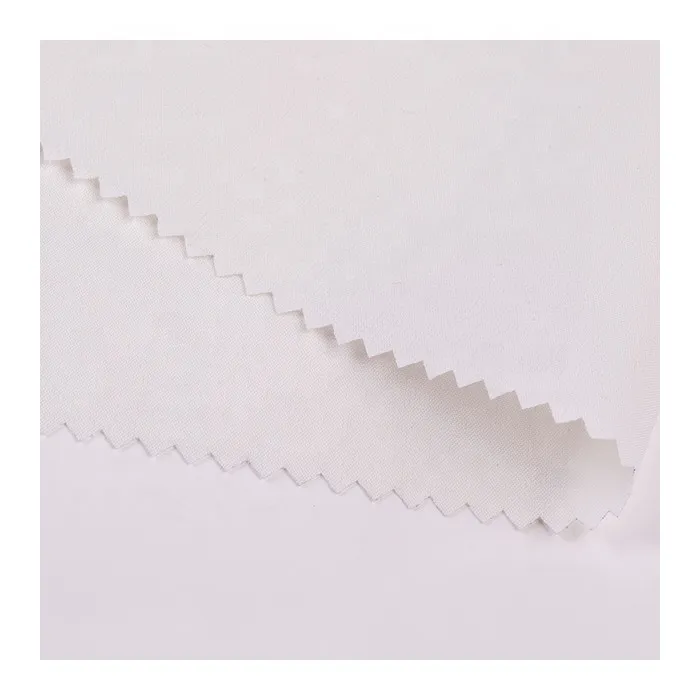
A UK workwear brand swapped 100% cotton pocketing for TC65/35 poplin. Result: shrinkage complaints dropped near zero, needle breakage in automated pocket set reduced ≈ 18%, and returns fell measurably in Q2. Their buyer told me, “It just sews cleaner, and customers don’t notice—except the pockets stop puckering.” That’s the quiet value of bleach cotton fabric.
Care and lifecycle
Wash 40–60°C, medium spin, low tumble; avoid chlorine on dyed lots. Expect 50–80 industrial cycles depending on detergents and press temps. As always, real-world mileage varies.
References
- ISO 13934-1: Textiles — Tensile properties of fabrics — Part 1 (https://www.iso.org)
- ISO 105-C06: Textiles — Tests for colour fastness to domestic and commercial laundering (https://www.iso.org)
- ISO 5077: Textiles — Determination of dimensional change in washing and drying (https://www.iso.org)
- OEKO-TEX Standard 100 (https://www.oeko-tex.com)
-
Ultimate Guide to Using a Pressing Cloth for Professional FinishesNewsApr.16,2026
-
Elevate Your Fashion Designs with Premium Poly Crepe Fabric GuideNewsApr.09,2026
-
Exploring the Benefits of Premium Poly Cotton Fabric for Diverse ApplicationsNewsApr.07,2026
-
Discover the Luxury and Benefits of Premium Cotton FabricsNewsApr.04,2026
-
Exploring the Versatility and Benefits of Power Mesh Fabric ApplicationsNewsMar.31,2026
-
Comprehensive Guide to Poplin Material Properties and Diverse ApplicationsNewsMar.28,2026
-
A Comprehensive Guide to Poplin Fabric Characteristics and ApplicationsNewsMar.26,2026