

Carded Cotton Yarn – Soft, Durable, Cost-Effective Supply
Carded Cotton is a key solution in the textile industry industry, specifically within textile manufacturing and Cotton blend fabric. This article explores how Hebei Bosswin Textile Technology Co., Ltd supports professionals with durable, high-performance products, and explains why this product is an ideal choice for businesses in these sectors.
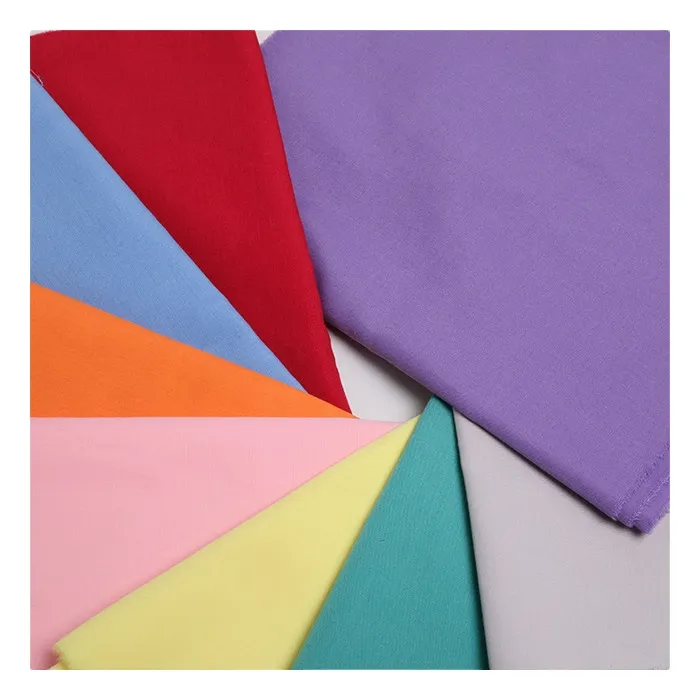
Table of Contents
- Carded Cotton Overview
- Benefits & Use Cases of Carded Cotton in Cotton blend fabric
- Cost, Maintenance & User Experience
- Sustainability & Market Trends in textile industry
- Conclusion on Carded Cotton from Hebei Bosswin Textile Technology Co., Ltd
Carded Cotton Overview
Carded cotton is the workhorse fiber preparation method for spinning mainstream yarns used in woven and knit programs. During carding, fibers are opened, cleaned, and aligned to form a sliver. The result is a versatile, cost-effective yarn platform ideal for Cotton blend fabric such as poly-cotton (TC) constructions, pocketing, shirting, and workwear. Compared with combed cotton, carded cotton retains more short fibers, delivering a “cotton carded soft” hand with robust bulk and a balanced cost-to-performance ratio. In practice, mills choose between carded open end cotton (OE) for high productivity and ring-spun carded yarns for improved strength and uniformity. For higher evenness, some programs adopt carded compact yarn. Many buyers evaluate carded vs combed cotton at the fabric brief stage, weighing cost, handle, and end-use durability.
Hebei Bosswin Textile Technology Co., Ltd applies these spinning foundations to reliable TC blends, exemplified by its TC65/35 110×76, 44-inch white fabric. In this construction, carded cotton content partners with polyester to deliver dimensional stability, easy care, and scalable availability. Whether customers specify carded and combed yarn side-by-side for A/B testing, or compare carded yarn and combed yarn in different counts (e.g., assessing 30s carded cotton yarn price sensitivity against performance KPIs), Bosswin provides technical guidance so B2B buyers can choose the right yarn route without overengineering cost into the program.
Benefits & Use Cases of Carded Cotton in Cotton blend fabric
In Cotton blend fabric, carded cotton in TC65/35 platforms is a proven choice for uniforms, pocketing, interlining, shirts, sheets, and hospitality textiles. The polyester component contributes strength and wrinkle resistance, while carded cotton elevates breathability and a natural hand. For white and PFD programs, carded cotton’s absorbency supports consistent dyeing and printing. When programs demand higher yarn uniformity without the premium of fully combed routes, mills can specify ring-spun carded or carded compact yarn to balance hand feel, abrasion resistance, and tensile strength.
- Performance: Durable weaving efficiency, stable shrinkage, and reliable pilling grades under standard finishing.
- Value: Versus combed options, carded cotton often achieves target specs at lower yarn cost, improving margin.
- Flexibility: Suitable for OE for volume basics or ring-spun for elevated hand, depending on fabric brief.
Hebei Bosswin Textile Technology Co., Ltd collaborates with buyers to define the right “cotton carded or combed” pathway. From carded open end cotton for utility workwear to ring-spun carded for smoother shirting, Bosswin tailors yarn selection, warp/weft counts, and loom planning to meet MOQ, lead time, and quality targets—helping brands and converters accelerate development with fewer lab dips and fit-ups.
Cost, Maintenance & User Experience
Total cost of ownership for carded cotton-based TC fabrics is driven by yarn route, count (for example, the widely used 30s), finishing, and defect rates. Many B2B buyers track the 30s carded cotton yarn price as a benchmark for program budgeting; choosing carded vs combed cotton can reduce input cost by several percentage points while maintaining key wearer metrics. On the shop floor, ring-spun carded options often reduce end breaks compared with OE in fine counts, lifting loom efficiency. In service, carded cotton blends are easy to launder, maintain colorfastness, and deliver consistent dimensional stability when processed with standard recipes—supporting lower lifecycle cost and fewer returns.
- Durability and ROI: Balanced abrasion resistance and tensile strength mean longer garment life and fewer replacements.
- Process efficiency: Predictable weaving and finishing reduce overconsumption and rework, improving yield.
- User feedback: Buyers report the “cotton carded soft” hand meets comfort expectations in uniforms and hospitality linens while remaining easy-care.
Hebei Bosswin Textile Technology Co., Ltd emphasizes consistent shade control, stable shrinkage, and pilling performance across batches. That reliability compresses timelines from development to bulk, supporting better inventory turns and working-capital efficiency for importers, retailers, and institutional laundries.
Sustainability & Market Trends in textile industry
Sourcing and compliance expectations are rising as markets adopt stricter guidelines on traceability, chemical management, and responsible production. In this context, carded cotton remains central because it delivers the best blend of affordability and durability while enabling lower-impact process improvements—such as optimized scouring/bleaching, reduced re-dye and rework, and better loom efficiency. Brands evaluating “carded cotton vs combed cotton” increasingly consider the carbon and water implications of additional fiber processing, choosing carded where performance targets are met without unnecessary steps.
- Regulatory momentum: Global due-diligence and green-claims frameworks prioritize traceable inputs and measurable process improvements.
- Circularity readiness: Blended fabrics designed for durability reduce replacement frequency; clearer labeling and material mapping aid future recycling streams.
Hebei Bosswin Textile Technology Co., Ltd positions itself as a forward-thinking partner, focusing on quality consistency, cleaner production practices, and continuous optimization in weaving and finishing. By helping customers choose the right yarn route—OE, ring-spun, or carded compact yarn—and by dialing in construction (e.g., TC65/35 110×76), Bosswin supports sustainability through waste reduction, energy-aware processing, and long-lasting products that perform over many wash cycles.
Conclusion on Carded Cotton from Hebei Bosswin Textile Technology Co., Ltd
For B2B programs in textile manufacturing, carded cotton delivers the dependable balance of cost, performance, and processability that Cotton blend fabric demands. Whether you are comparing carded and combed yarn, assessing “cotton carded or combed” for a new brief, or optimizing around the 30s carded cotton yarn price, Hebei Bosswin Textile Technology Co., Ltd provides the technical support and stable supply you need. Their TC65/35 110×76 44-inch white fabric is a practical, scalable example of how carded cotton can anchor robust, value-driven collections. Contact us: email: nancylee0710@126.com - Visit our website: https://www.bosswintextile.com
-
Ultimate Guide to Using a Pressing Cloth for Professional FinishesNewsApr.16,2026
-
Elevate Your Fashion Designs with Premium Poly Crepe Fabric GuideNewsApr.09,2026
-
Exploring the Benefits of Premium Poly Cotton Fabric for Diverse ApplicationsNewsApr.07,2026
-
Discover the Luxury and Benefits of Premium Cotton FabricsNewsApr.04,2026
-
Exploring the Versatility and Benefits of Power Mesh Fabric ApplicationsNewsMar.31,2026
-
Comprehensive Guide to Poplin Material Properties and Diverse ApplicationsNewsMar.28,2026
-
A Comprehensive Guide to Poplin Fabric Characteristics and ApplicationsNewsMar.26,2026