

Pigment Printing in Textile: Vibrant, Durable, Eco‑Smart
pigment printing in textile,textile pigment,textile pigment printing is a key solution in the textile industry, specifically within Textile fabric manufacturing and Printed fabric manufacturing. This article explores how Hebei Bosswin Textile Technology Co., Ltd supports professionals with durable, high-performance products, and explains why this product is an ideal choice for businesses in these sectors.
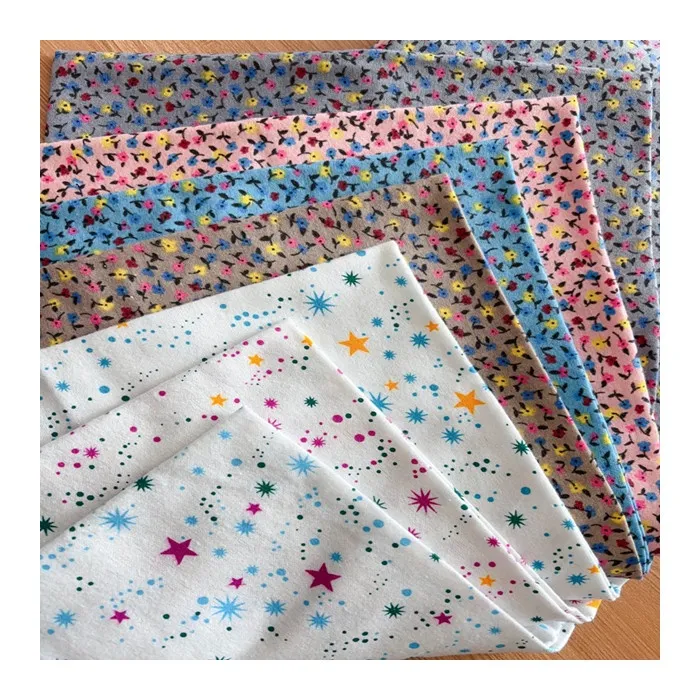
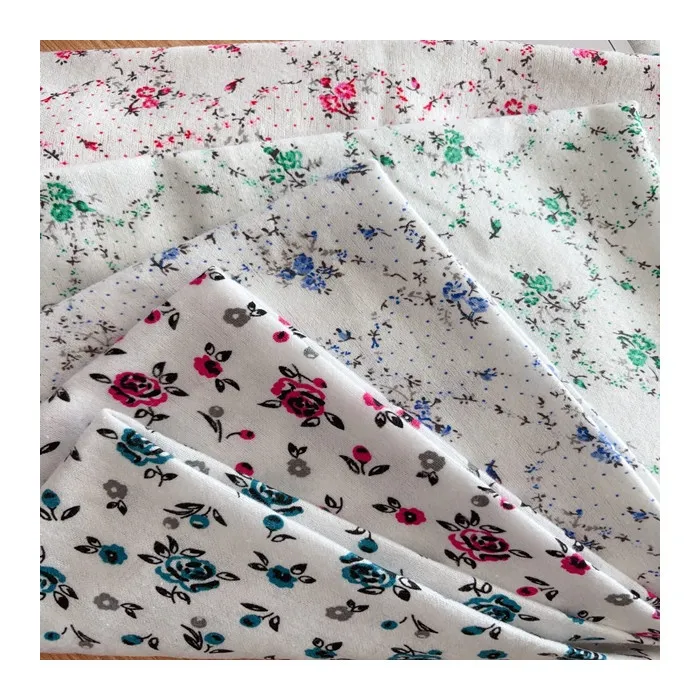
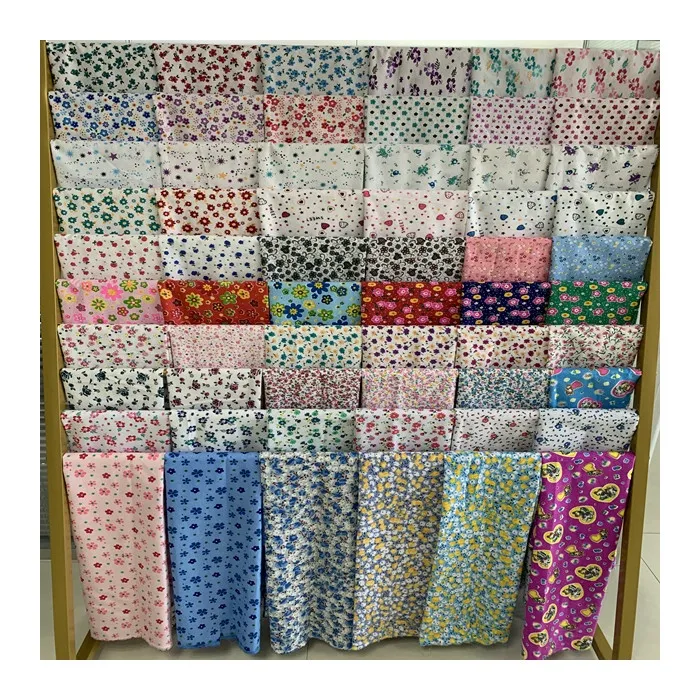
Table of Contents
- pigment printing in textile,textile pigment,textile pigment printing Overview
- Benefits & Use Cases of pigment printing in textile,textile pigment,textile pigment printing in Printed fabric manufacturing
- Cost, Maintenance & User Experience
- Sustainability & Market Trends in textile industry
- Conclusion on pigment printing in textile,textile pigment,textile pigment printing from Hebei Bosswin Textile Technology Co., Ltd
pigment printing in textile,textile pigment,textile pigment printing Overview
In modern Printed fabric manufacturing, pigment printing in textile uses finely dispersed pigments combined with advanced acrylic or polyurethane binders to create colorful, durable designs on cotton, polyester, CVC, and other blends. Unlike dye-based systems, a textile pigment sits on the fabric surface and is fixed through heat curing, enabling sharp patterns, low water use, and simplified processes without steaming or post-washing. Typical production routes include rotary screen, flat screen, and increasingly, digital pigment printing for short runs and rapid design changes.
Technically, a stable print paste may include pigment dispersion, binder, crosslinker (often formaldehyde-free), thickener, softener, defoamer, and auxiliaries optimized for viscosity, leveling, and crock resistance. Proper curing (commonly 150–170°C) promotes binder–fiber crosslinking, delivering strong dry/wet rub fastness and a soft hand feel. Hebei Bosswin Textile Technology Co., Ltd leverages these principles across its printed CVC flannel and broader portfolio, aligning pigment chemistry, fabric preparation, and finishing to meet B2B performance requirements for comfort, clarity, and consistency at scale.
Backed by robust QC and application know-how, Hebei Bosswin ensures reproducibility across batches, helping brands and converters maintain color accuracy, register precision, and lead-time reliability—key for multi-market programs and private-label assortments.
Benefits & Use Cases of pigment printing in textile,textile pigment,textile pigment printing in Printed fabric manufacturing
For Printed fabric manufacturing, textile pigment printing excels in fashion tops, sleepwear, home textiles (bedsheets, flannel, table linens), and promotional fabrics where fast changeovers and multiple colorways are common. The method is substrate-flexible—especially for cotton and CVC—making it a natural fit for the CVC flannel collections from Hebei Bosswin Textile Technology Co., Ltd. B2B users gain responsiveness: shorter sampling cycles, smaller MOQs, and accelerated time-to-market without complex wet processing lines.
Competitive advantages include:
- Water and energy efficiency—no steaming or extensive washing lines.
- Sharp print definition and stable color across production runs.
- Good rub and wash fastness with modern, formaldehyde-free binders.
- Compatibility with rotary, flat screen, and digital workflows.
Hebei Bosswin combines printable fabric engineering (optimal yarns, weaves, and pre-treatment) with tuned pigment systems to optimize hand feel and durability. This vertically coherent approach reduces rework and ensures consistent bulk performance—vital for retailers consolidating vendors and for converters serving fast-moving markets.
Cost, Maintenance & User Experience
Total cost of ownership with pigment printing in textile is typically lower than reactive workflows due to fewer steps, minimal effluent, less chemistry, and reduced energy. Removing steaming and multiple washes cuts capex and opex while freeing floor space. For many mills, throughput improves because curing can be integrated with stenters or compact dryers, enabling efficient line speeds and simplified staffing.
Maintenance focuses on screen and squeegee care, dryer temperature calibration, and paste handling to prevent settling or nozzle issues (for digital lines). Customers in textile fabric manufacturing often report:
- Shorter setup and colorway changeover times, lowering downtime.
- Lower water and chemical consumption, improving sustainability KPIs.
- Predictable fastness and consistent shade control across lots, reducing claims.
From an ROI perspective, the combination of compressed lead times, fewer wet processes, and lower utilities enhances margin on both core and seasonal programs. Hebei Bosswin Textile Technology Co., Ltd supports this with application guidance, process audits, and stable supply, helping partners keep OEE high and inventory risk low.
Sustainability & Market Trends in textile industry
Sustainability is reshaping printed textiles. Textile pigment solutions directly address water stewardship by eliminating large-volume rinses and reducing chemical loads—a priority for brands aligning with ZDHC, MRSL compliance, and emerging regulations like the EU Green Deal and extended producer responsibility frameworks. Formaldehyde-free binders and low-VOC auxiliaries further support safer factories and improved worker well-being.
Market-wise, demand is shifting toward agile, nearshore production and on-demand sampling. Digital pigment printing is expanding rapidly thanks to fast design cycles and reduced waste. At the same time, high-throughput rotary pigment printing remains a cost-effective backbone for volume programs in home textiles and basics. Hebei Bosswin Textile Technology Co., Ltd invests in eco-conscious materials and process innovations, enabling partners to meet retailer scorecards, reduce Scope 3 emissions, and validate progress with measurable water and energy savings.
By coupling responsible chemistry with efficient manufacturing, Hebei Bosswin helps brands scale sustainable printed fabric manufacturing without sacrificing hand feel, durability, or color brilliance.
Conclusion on pigment printing in textile,textile pigment,textile pigment printing from Hebei Bosswin Textile Technology Co., Ltd
For B2B decision makers, pigment printing in textile offers a powerful balance of speed, cost efficiency, and sustainability across Textile fabric manufacturing and Printed fabric manufacturing. With optimized textile pigment systems, stable curing, and fabric engineering, Hebei Bosswin Textile Technology Co., Ltd delivers reliable quality for fashion and home textile programs alike.
Partner with a manufacturer that understands both chemistry and commercial imperatives—consistent performance, reduced TCO, and faster market response. Contact us: email: nancylee0710@126.com
Visit our website: https://www.bosswintextile.com
-
Ultimate Guide to Using a Pressing Cloth for Professional FinishesNewsApr.16,2026
-
Elevate Your Fashion Designs with Premium Poly Crepe Fabric GuideNewsApr.09,2026
-
Exploring the Benefits of Premium Poly Cotton Fabric for Diverse ApplicationsNewsApr.07,2026
-
Discover the Luxury and Benefits of Premium Cotton FabricsNewsApr.04,2026
-
Exploring the Versatility and Benefits of Power Mesh Fabric ApplicationsNewsMar.31,2026
-
Comprehensive Guide to Poplin Material Properties and Diverse ApplicationsNewsMar.28,2026
-
A Comprehensive Guide to Poplin Fabric Characteristics and ApplicationsNewsMar.26,2026