

Soft Cotton Flannel Cloth | Premium Quality Fabrics
Understanding Cotton Flannel Cloth: Industry Trends and Technical Excellence
In the diverse landscape of B2B textiles, the demand for high-performance and versatile fabrics remains paramount. Among these, cotton flannel cloth stands out as a material celebrated for its exceptional softness, warmth, and absorbency. This fabric, traditionally known for its brushed finish, has evolved significantly, incorporating advanced material science and sustainable practices to meet the rigorous demands of various industrial applications, from high-volume apparel manufacturing to specialized home textiles and even medical uses.
The global market for flannel fabrics, including specific variants like organic cotton flannel and CVC (Chief Value Cotton) blends, is experiencing steady growth. This growth is driven by consumer preference for comfort and durability, coupled with increasing adoption across B2B sectors due to advancements in fabric processing. Our focus here is to delve into the technical intricacies, manufacturing excellence, and strategic advantages that define high-quality cotton flannel fabric in today's competitive market.
Manufacturing Process: From Fiber to Finished Fabric
The production of superior cotton flannel cloth is a multi-stage process, meticulously controlled to ensure consistent quality and desired performance characteristics. For products like the CVC Printed Flannel Fabric 120gsm, the integration of cotton and polyester fibers introduces specific challenges and advantages.
Detailed Process Flow:
- Fiber Sourcing & Blending: High-grade cotton fibers, often selected for their staple length and strength, are combined with polyester fibers in a precise ratio (e.g., 60% Cotton / 40% Polyester for CVC blends). This blend optimizes properties like durability, wrinkle resistance, and color retention while maintaining the natural softness and breathability of cotton. For organic cotton flannel, GOTS-certified cotton is sourced.
- Spinning: The blended fibers are cleaned, carded, and drawn into fine, uniform yarns. Ring spinning or open-end spinning techniques are employed based on desired yarn characteristics, such as strength and hairiness.
- Weaving: The spun yarns are woven into greige fabric, typically using a plain weave or twill weave pattern, which contributes to the fabric's stability and drape. The warp and weft densities are carefully controlled to achieve the desired fabric weight (e.g., 120gsm).
- Scouring & Bleaching: The greige fabric undergoes thorough washing to remove impurities, oils, and waxes. Bleaching may follow to achieve uniform whiteness, particularly for white flannel fabric or as a base for vibrant prints.
- Dyeing & Printing: For CVC Printed Flannel Fabric, reactive or disperse dyes are applied, followed by advanced rotary screen or digital printing techniques to achieve intricate patterns and high colorfastness. This stage is crucial for producing visually appealing fabrics such as those with vibrant designs targeting specific markets like Iraq.
- Napping/Brushing: This is the hallmark process for flannel. The fabric passes through machines equipped with rotating rollers covered with fine wire brushes. These brushes gently raise the surface fibers, creating a soft, fuzzy pile (nap) on one or both sides. This process significantly enhances the fabric's insulation properties, softness, and tactile comfort, defining it as a truly soft flannel fabric.
- Shearing & Cropping: After napping, the raised fibers are uniformly trimmed to a precise height using shearing blades, ensuring an even nap and consistent hand-feel across the entire roll of fabric.
- Finishing: Various chemical and mechanical finishes are applied to impart specific properties, such as anti-pilling, anti-shrinkage (sanforization), or enhanced softness. Heat-setting is critical for CVC blends to stabilize the polyester component.
- Quality Control & Inspection: Each roll undergoes stringent quality checks for defects, color consistency, dimensional stability, and compliance with international testing standards such as ISO (e.g., ISO 105 for colorfastness) and AATCC (e.g., AATCC 135 for shrinkage).
The service life of a well-produced cotton flannelette fabric is significantly enhanced by these robust manufacturing processes and adherence to quality standards, making it a cost-effective choice for various industries.
Technical Specifications and Industry Data
Understanding the technical parameters of cotton flannel cloth is crucial for B2B buyers. These specifications dictate suitability for specific applications and ensure compliance with end-product requirements.
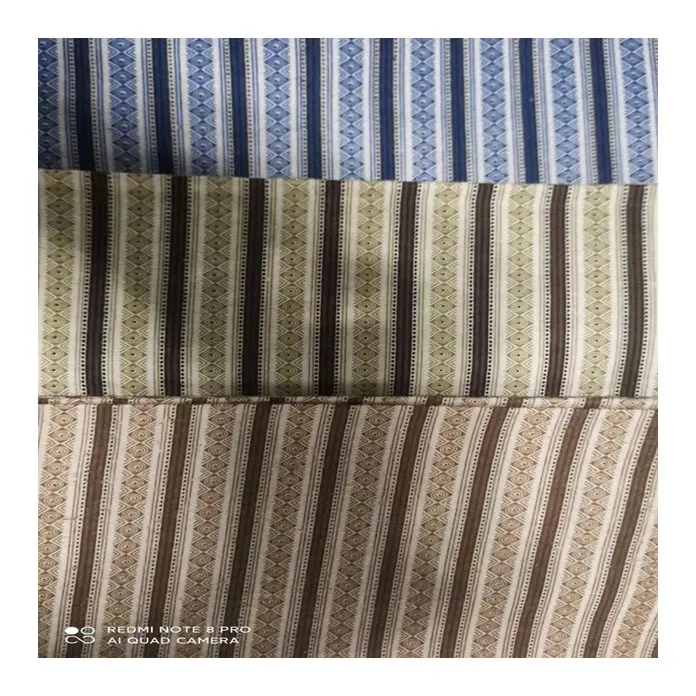
Product Specification Table: CVC Printed Flannel Fabric 120gsm
The selection of cotton flannel, whether it's black cotton flannel, white cotton flannel, or a vibrant print, often hinges on these specific technical characteristics. The 120gsm weight is ideal for various apparel and light home textile applications, offering a balance of warmth without excessive bulk.
Application Scenarios and Technical Advantages
The versatility of cotton flannel cloth makes it a preferred material across numerous industries. Its inherent properties, enhanced by modern processing, offer significant technical advantages.
Target Industries:
- Apparel: Sleepwear, shirts, dresses, baby clothing, workwear. The softness and breathability are key.
- Home Textiles: Bedding (sheets, duvet covers), throws, upholstery, curtains. Provides warmth and aesthetic appeal.
- Medical/Healthcare: Patient gowns, thermal blankets, reusable hygienic cloths. Valued for absorbency, softness against skin, and ease of sterilization.
- Industrial/Technical: Polishing cloths for delicate surfaces, cleaning wipes. The raised nap traps dust effectively without scratching.
Demonstrated Advantages:
- Superior Warmth & Insulation: The brushed surface of soft flannel fabric creates tiny air pockets that trap body heat, offering excellent thermal insulation without significant weight. This translates to energy saving in heating for end-users of flannel bedding or apparel.
- Exceptional Softness & Comfort: The napping process results in a plush hand-feel, making it highly comfortable against the skin. This is particularly advantageous for baby products and sensitive skin applications.
- High Absorbency: Cotton's natural absorbency, combined with the increased surface area from the nap, makes cotton flannel fabric ideal for applications requiring moisture wicking or quick drying.
- Durability & Longevity: Especially with CVC blends, the addition of polyester enhances tear strength and abrasion resistance, contributing to a longer service life compared to pure cotton counterparts. This resilience ensures materials like grey cotton flannel fabric maintain integrity even with repeated washing and use.
- Breathability: Despite its warmth, cotton allows for air circulation, preventing overheating, which is crucial for comfort in apparel and bedding.
- Versatility in Aesthetics: Flannel can be dyed in rich solid colors (like black cotton flannel or white cotton flannel) or printed with intricate designs, offering extensive design flexibility for various product lines.
These technical advantages are consistently validated through stringent quality control processes and real-world performance metrics, solidifying flannel's position as a premium B2B textile choice.
Vendor Comparison and Customized Solutions
Selecting the right supplier for cotton flannel cloth is a critical business decision. Factors beyond just price, such as product quality consistency, customization capabilities, and adherence to ethical standards, play a significant role.
Key Vendor Comparison Parameters:
Customized Solutions:
Recognizing that every B2B client has unique requirements, specialized suppliers offer comprehensive customization for cotton flannel fabric. This includes:
- Fiber Blend Ratios: Adjusting cotton-polyester ratios for specific durability, softness, or cost targets.
- Custom GSM & Width: Producing fabric to exact weight and width specifications for optimal cutting yield and application performance.
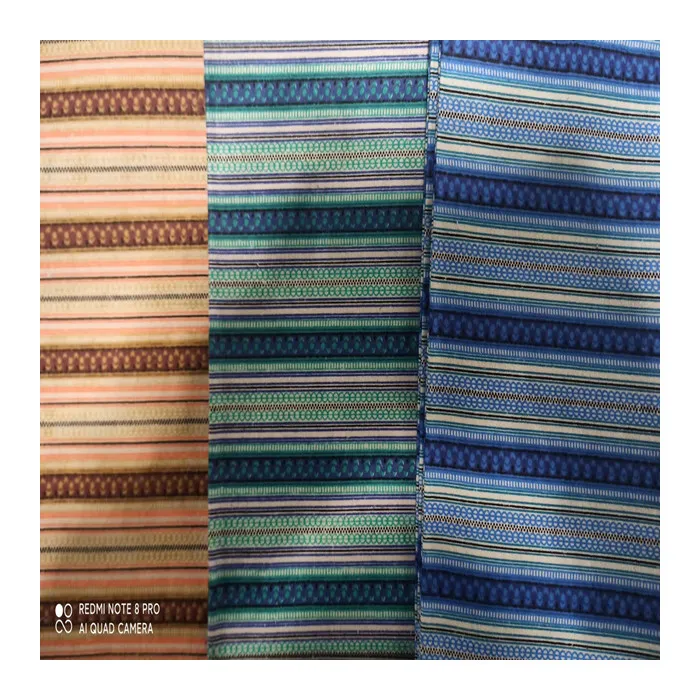
- Exclusive Prints & Dyes: Developing proprietary designs, patterns, and color palettes, including grey cotton flannel fabric and unique printed designs, tailored to brand aesthetics or market trends (e.g., specific cultural preferences for the Iraq market).
- Specialized Finishes: Applying treatments such as anti-pilling, flame retardant, anti-bacterial, or water-repellent finishes to meet stringent industry standards or enhance product functionality.
- Sustainable Options: Offering organic cotton flannel or blends with recycled content to align with corporate sustainability goals.
Application Case Studies and Customer Experience
Real-world applications demonstrate the tangible benefits of high-quality cotton flannel cloth. Our experience spanning over a decade in textile manufacturing has yielded numerous successful partnerships.
Case Study 1: Thermal Apparel for Cold Climates
A leading outdoor apparel brand approached us for a durable yet soft fabric for their winter work shirts. They required a material that offered superior insulation, breathability, and resistance to pilling. We supplied a custom-engineered 150gsm cotton flannel fabric with an optimized CVC blend (70% Cotton / 30% Polyester) and a dual-sided heavy nap finish. The result was a shirt praised by end-users for its comfort in sub-zero temperatures and exceptional durability, outperforming competitor products in abrasion tests (ASTM D3884). Customer feedback highlighted the fabric’s softness and the longevity of the garment, leading to repeat orders and expansion into related product lines.
Case Study 2: Hospital Bedding for Enhanced Patient Comfort
A major healthcare provider sought a comfortable, easily sterilizable, and durable fabric for patient thermal blankets and gowns. Their primary concerns were skin sensitivity and rigorous washing cycles. We provided a 130gsm white cotton flannel, 100% cotton, treated with an anti-microbial finish and OEKO-TEX Standard 100 certified for absence of harmful substances. The flannel maintained its softness and integrity through over 100 industrial wash cycles (ISO 6330), significantly improving patient comfort scores and reducing replacement costs for the hospital. The ease of maintenance and adherence to hygiene standards were key advantages.
Case Study 3: Specialized Flannel for the Iraq Market
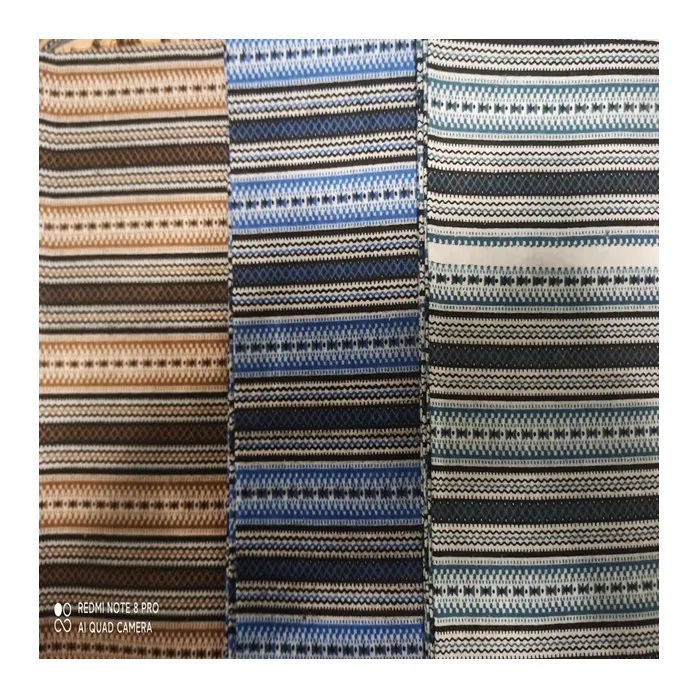
For a client targeting the Iraq market with children's wear and traditional garments, the Cvc Printed Flannel Fabric 120gsm was a perfect fit. The specific blend provided the desired balance of comfort (from cotton) and enhanced durability/colorfastness (from polyester), crucial for garments that undergo frequent washing and are exposed to challenging environmental conditions. The vibrant, culturally-relevant prints achieved through advanced printing technology resonated strongly with the local consumer preferences, leading to rapid market adoption and robust sales. The 120gsm weight proved ideal for the climate, offering light warmth without being cumbersome. This specific product exemplifies how tailored solutions involving cotton flannel cloth can achieve significant market penetration.
Trustworthiness: FAQ, Lead Time, Warranty & Support
Building strong B2B relationships is founded on transparency, reliability, and robust support infrastructure. We prioritize clear communication regarding our processes, commitments, and client care.
Frequently Asked Questions (FAQ):
Q: What is the typical lead time for a custom order of cotton flannel cloth?
A: For standard bulk orders of cotton flannel fabric, our lead time typically ranges from 20-30 days post-confirmation of order and design. Custom blends or intricate prints may extend this to 35-45 days. We provide precise timelines upon quotation.
Q: Are your flannel fabrics OEKO-TEX certified?
A: Yes, many of our 100% natural cotton flannel and organic cotton flannel offerings, including specific CVC blends, are OEKO-TEX Standard 100 certified, ensuring they are free from harmful substances. Please specify this requirement during your inquiry.
Q: Can you match specific pantone colors or custom print designs?
A: Absolutely. We offer comprehensive customization for cotton flannel cloth, including precise Pantone color matching and bespoke digital or rotary screen printing services. Provide us with your design files (AI, PSD, or PDF) for pattern replication.
Q: What is your minimum order quantity (MOQ) for CVC Printed Flannel Fabric?
A: Our standard MOQ for CVC Printed Flannel Fabric 120gsm is typically 3000 meters per design/color, but we can discuss flexibility for specific projects or pilot orders. Smaller MOQs may incur an additional surcharge.
Lead Time & Fulfillment:
Our streamlined production process and robust supply chain management ensure efficient fulfillment. Typical lead times are as mentioned above, with urgent orders potentially accommodated through express services, depending on production schedules. We provide regular updates on order status and logistics, ensuring timely delivery to your specified destination.
Warranty Commitments:
We stand behind the quality of our cotton flannel cloth. All products are warranted against manufacturing defects for a period of 12 months from the date of shipment, provided they are stored and processed according to recommended guidelines. Our commitment to ISO 9001 quality management ensures rigorous inspection at every stage.
Customer Support:
Our dedicated customer support team is available to assist with technical queries, order tracking, and any post-delivery concerns. We offer multi-channel support via email, phone, and a dedicated online portal, ensuring prompt and effective resolution. Your satisfaction with our soft flannel fabric and services is our priority.
Conclusion: The Enduring Value of Cotton Flannel Cloth
The demand for high-quality cotton flannel cloth continues to grow across diverse B2B applications, driven by its unparalleled combination of softness, warmth, durability, and aesthetic versatility. From foundational materials like natural cotton flannel to advanced CVC printed variants, this fabric offers significant advantages for manufacturers looking to enhance product performance and appeal. By focusing on meticulous manufacturing processes, adherence to international standards, and offering extensive customization, we ensure our clients receive a product that not only meets but exceeds their exacting requirements. Partnering with a trusted supplier provides access to expertise, reliable supply chains, and innovative textile solutions crucial for success in today’s dynamic market.
References:
- ASTM International. (2023). Standards for Textiles. ASTM.org.
- AATCC. (2023). AATCC Test Methods. AATCC.org.
- International Organization for Standardization. (2023). ISO 9001: Quality management systems. ISO.org.
- OEKO-TEX Association. (2023). OEKO-TEX Standard 100. Oeko-tex.com.
- Textile Exchange. (2022). Organic Cotton Market Report. Textileexchange.org.
-
Ultimate Guide to Using a Pressing Cloth for Professional FinishesNewsApr.16,2026
-
Elevate Your Fashion Designs with Premium Poly Crepe Fabric GuideNewsApr.09,2026
-
Exploring the Benefits of Premium Poly Cotton Fabric for Diverse ApplicationsNewsApr.07,2026
-
Discover the Luxury and Benefits of Premium Cotton FabricsNewsApr.04,2026
-
Exploring the Versatility and Benefits of Power Mesh Fabric ApplicationsNewsMar.31,2026
-
Comprehensive Guide to Poplin Material Properties and Diverse ApplicationsNewsMar.28,2026
-
A Comprehensive Guide to Poplin Fabric Characteristics and ApplicationsNewsMar.26,2026