

Solid Poplin: Soft, Durable, Colorfast—Why Choose Ours?
Solid-dyed poplin that works as hard as you do
When buyers ask me for the most dependable shirt and uniform cloth, I point them straight to solid poplin. It’s the quiet backbone of workwear, pocketing, and aprons. Simple? Yes. But in mills and laundry tunnels, simplicity is a feature, not a bug. This particular article—Tc 80/20 110x76 44 Inches Poplin Solid Dyed Fabric, close selvage—has been turning heads in procurement because it balances cost, durability, and color consistency. And, to be honest, it presses beautifully.
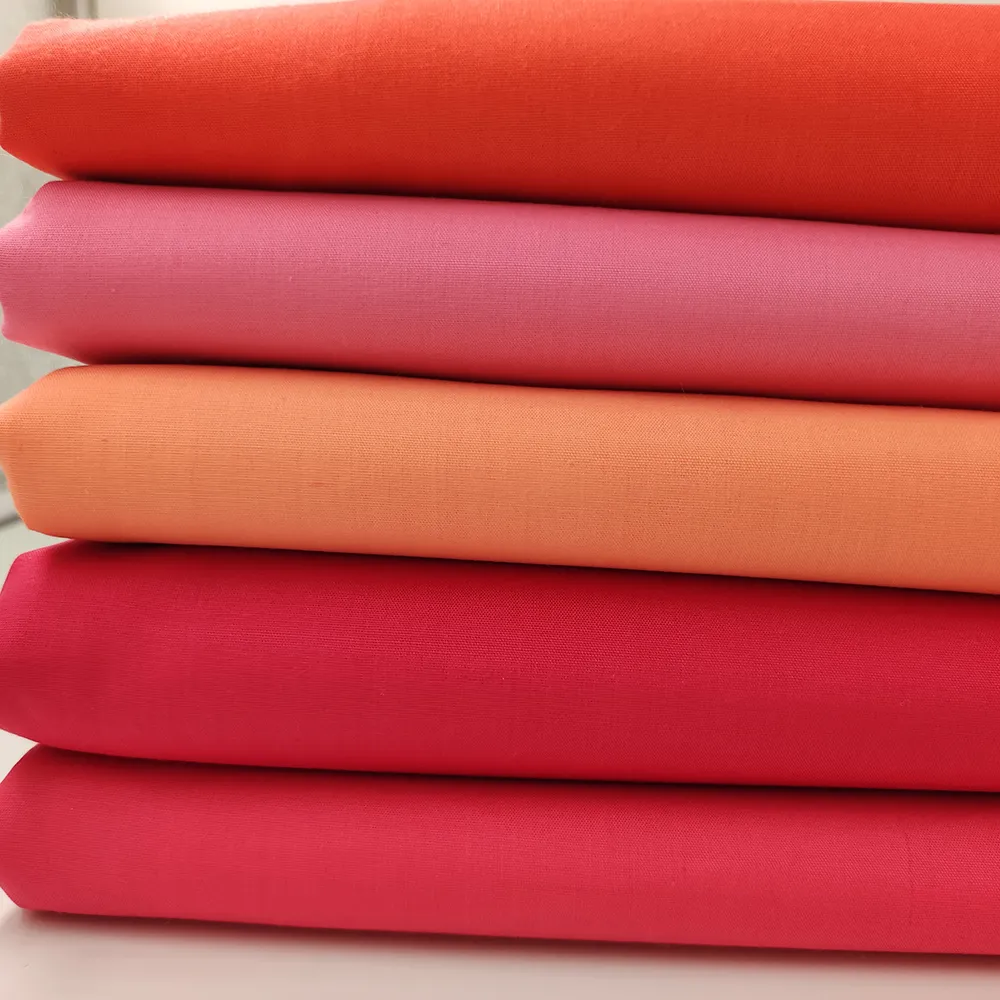
Industry snapshot and why solid poplin still leads
Two trends define the space right now: colorfast workwear that survives commercial laundering, and cleaner chemistries (think OEKO‑TEX Standard 100 and ZDHC MRSL compliance). Mills are also nudging toward rPET blends and dope-dyed options, though classic piece-dyed T/C remains the volume leader because supply is steady and lead times are short. Many customers say they pick solid poplin because it stays crisp after long shifts and still takes embroidery cleanly.
Product specifications (typical)
| Construction | Tc 80/20 (≈ 80% polyester / 20% cotton), 110 x 76 |
| Width | 44 inches (close selvage), other widths on request |
| Weight | ≈ 110–125 gsm (real-world use may vary from 70–175 gsm across poplin range) |
| Weave / Hand | Fine plain weave; smooth, compact, shirt-grade surface |
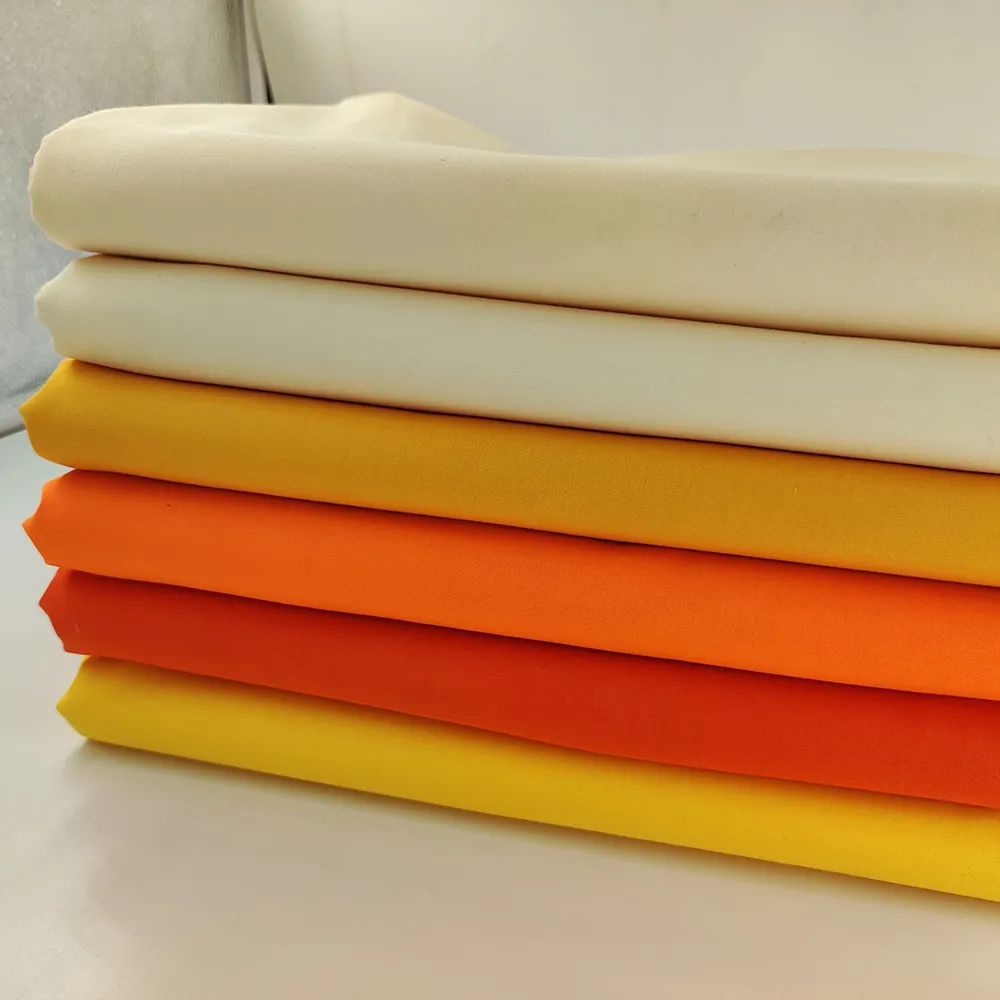
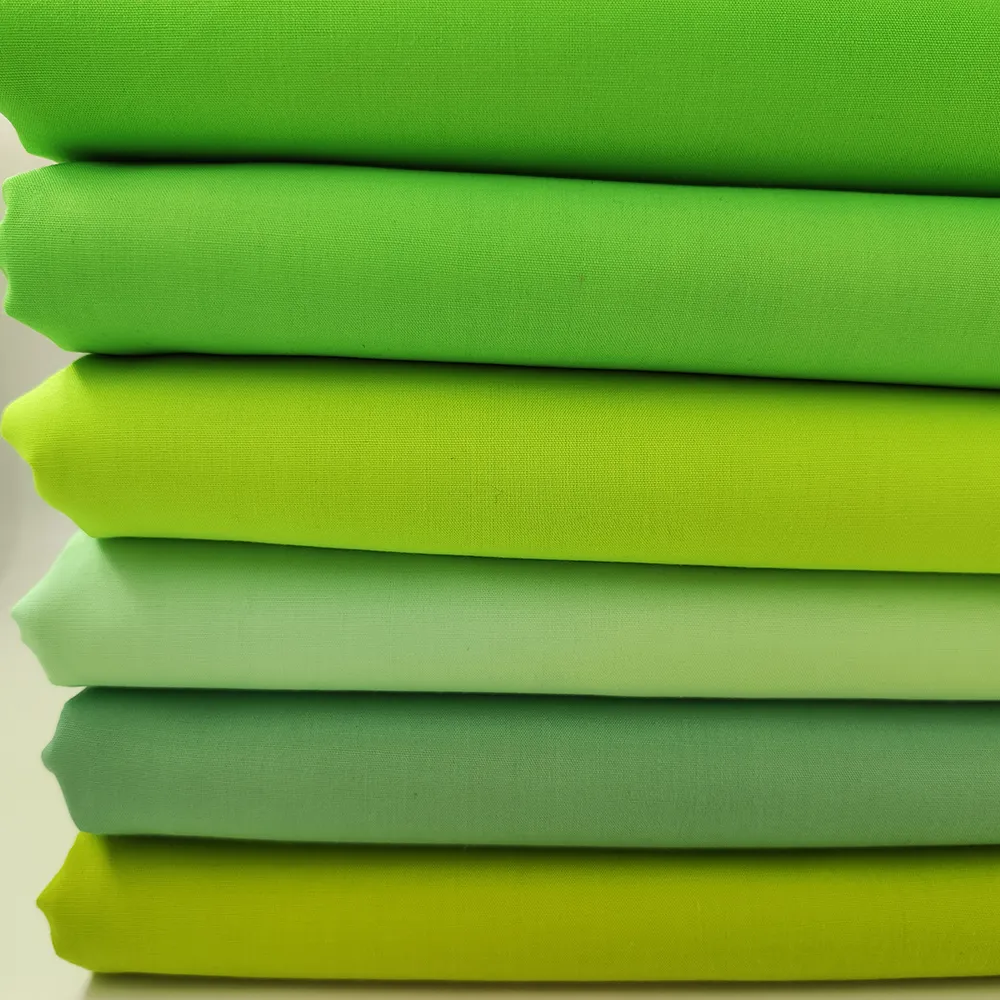
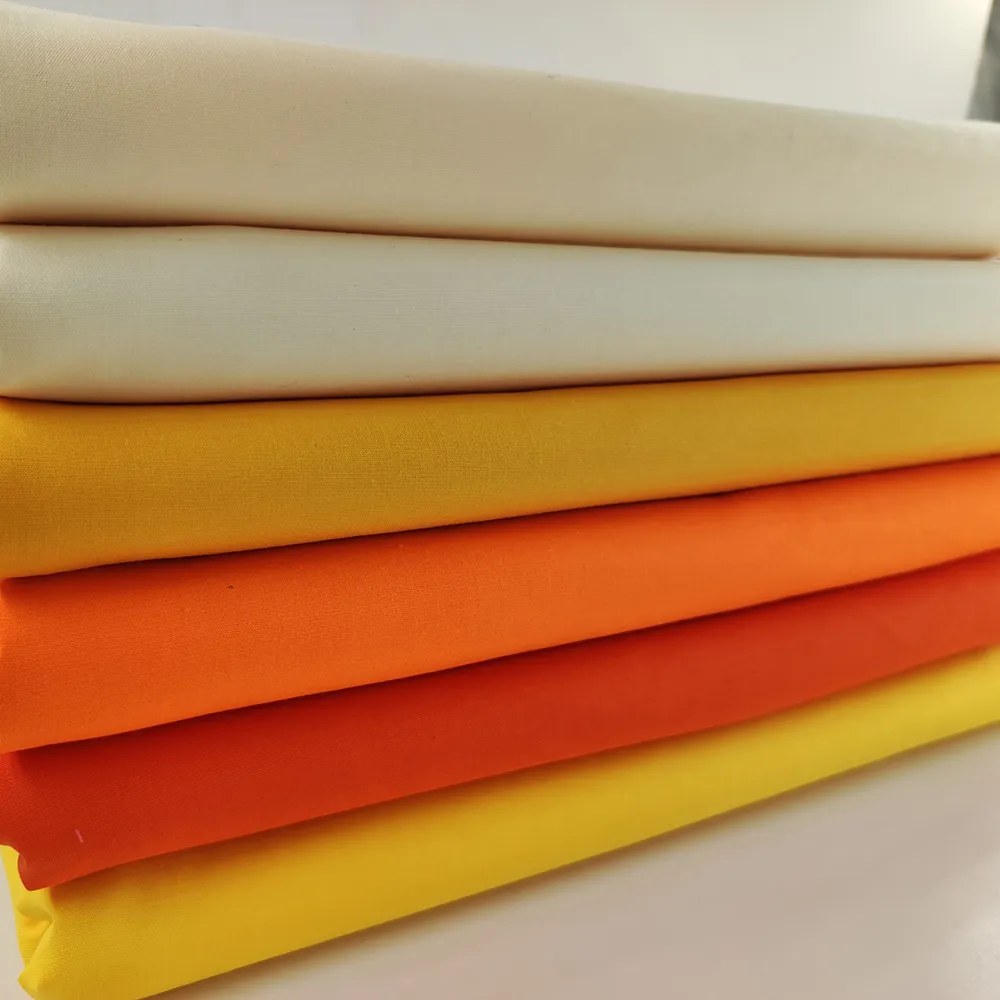
| Dyeing | Solid piece-dyed; lab dips to Pantone or physical swatch |
| Finishes | Soft, easy-care; options: anti-pilling, WR (C0), crease-resist, sanforized |
| Colorfastness | ISO 105-C06 wash 4–5; ISO 105-X12 rub 4 dry / 3–4 wet (typical) |
| Tensile / Tear | ASTM D5034 ≥ 600 N warp / ≥ 400 N weft; ASTM D1424 ≥ 20 N (typical) |
| Certifications | OEKO‑TEX Standard 100 (on request), ISO 9001 mill systems |
| Service life | ≈ 100–150 industrial wash cycles, depending on chemistry and finish |
Process flow and QA checkpoints
Materials: T/C 80/20 yarns (carded or combed) → weaving (110x76) → singeing/desizing → bleaching → mercerizing (optional) → jet dyeing solid → soft/functional finish → sanforizing → inspection → packing.
- Shade control: Datacolor/Spectra matching, ΔE ≤ 1.0–1.2 typical
- Dimensional stability: ISO 5077 shrinkage target ≤ 3%
- Defect AQL: 2.5 (garment-grade lots)
Where solid poplin wins
Use cases: corporate shirts, school uniforms, medical scrubs, aprons, pocketing, hospitality, light lab coats. Advantages: strong seam integrity, crisp drape, economical dye lots, and easy logo embroidery. Surprisingly, it also doubles nicely as lining where a denser pocketing is overkill.
Vendor landscape (quick take)
| Vendor | Strengths | Considerations |
|---|---|---|
| Bosswin Textile (Shijiazhuang, Hebei; Rm2305A, Tower2#, Jiahe Plaza) | Focused T/C poplin lines, tight shade control, close selvage quality, responsive lab dips | Piece-dyed lead time depends on color depth |
| Vendor A (regional mill) | Fast greige availability, competitive on basics | Shade repeatability varies in dark tones |
| Vendor B (export converter) | Flexible MOQs, mixed-finish catalog | Longer transit + QC alignment needed |
Customization menu
- Colors: Pantone TPX/TCX or brand swatch, lab dip in ≈ 3–5 days
- Finishes: soft handle, C0 water-repellent, anti-pilling, anti-bacterial (AATCC 100), crease-resist
- Specs: width 44" standard; 57/58" on request; GSM tuned 100–150
- Packing: roll, bale, or double-fold board with shade banding
Field notes and mini case studies
- Uniform supplier, Southeast Asia: switched to solid poplin 110 gsm with C0 WR; reduced seam puckering complaints by 35% and extended garment life by ≈ 20% over a year of hospital laundering.
- Hospitality chain, EMEA: standardized 12 core shades; ΔE held ≤ 1.0 across three dye lots; embroidery rejects dropped by 40% due to tighter fabric face.
Final take
If you need an honest, mill-ready fabric that survives real work and real washing, solid poplin remains the safe—and smart—choice. Pick your finish thoughtfully, lock your ΔE, and don’t skimp on shrinkage control. The rest tends to fall into place.
Authoritative citations
-
Ultimate Guide to Using a Pressing Cloth for Professional FinishesNewsApr.16,2026
-
Elevate Your Fashion Designs with Premium Poly Crepe Fabric GuideNewsApr.09,2026
-
Exploring the Benefits of Premium Poly Cotton Fabric for Diverse ApplicationsNewsApr.07,2026
-
Discover the Luxury and Benefits of Premium Cotton FabricsNewsApr.04,2026
-
Exploring the Versatility and Benefits of Power Mesh Fabric ApplicationsNewsMar.31,2026
-
Comprehensive Guide to Poplin Material Properties and Diverse ApplicationsNewsMar.28,2026
-
A Comprehensive Guide to Poplin Fabric Characteristics and ApplicationsNewsMar.26,2026